Clogged Air Conditioner Drain Line Symptoms
Clogged Air Conditioner Drain Line Symptoms: A Comprehensive Guide for HVAC Professionals and Students
A clogged air conditioner drain line is a common issue, but it can lead to significant problems if left unaddressed. For HVAC students, understanding the symptoms is crucial for effective troubleshooting. For experienced technicians, a refresher on the signs reinforces best practices. And for employers, recognizing these symptoms can prevent costly repairs and ensure optimal system performance.
The Importance of a Functioning Drain Line
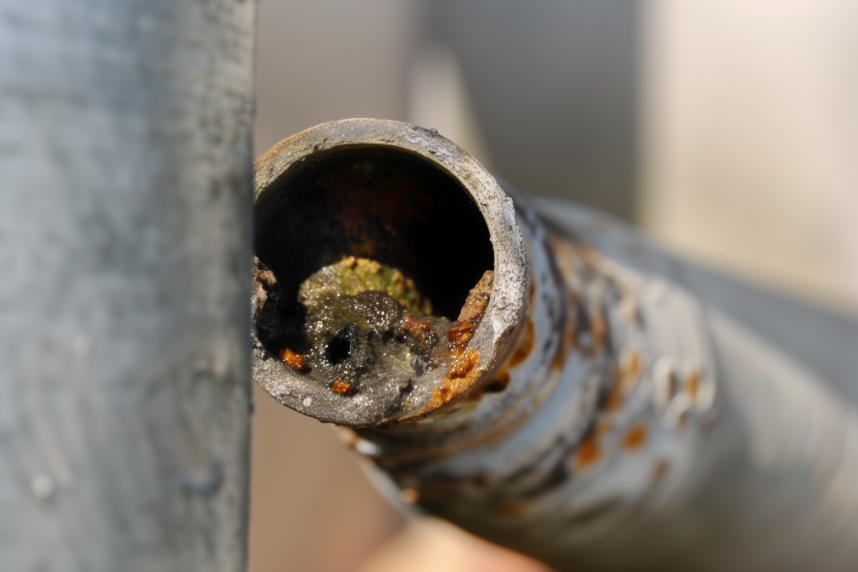
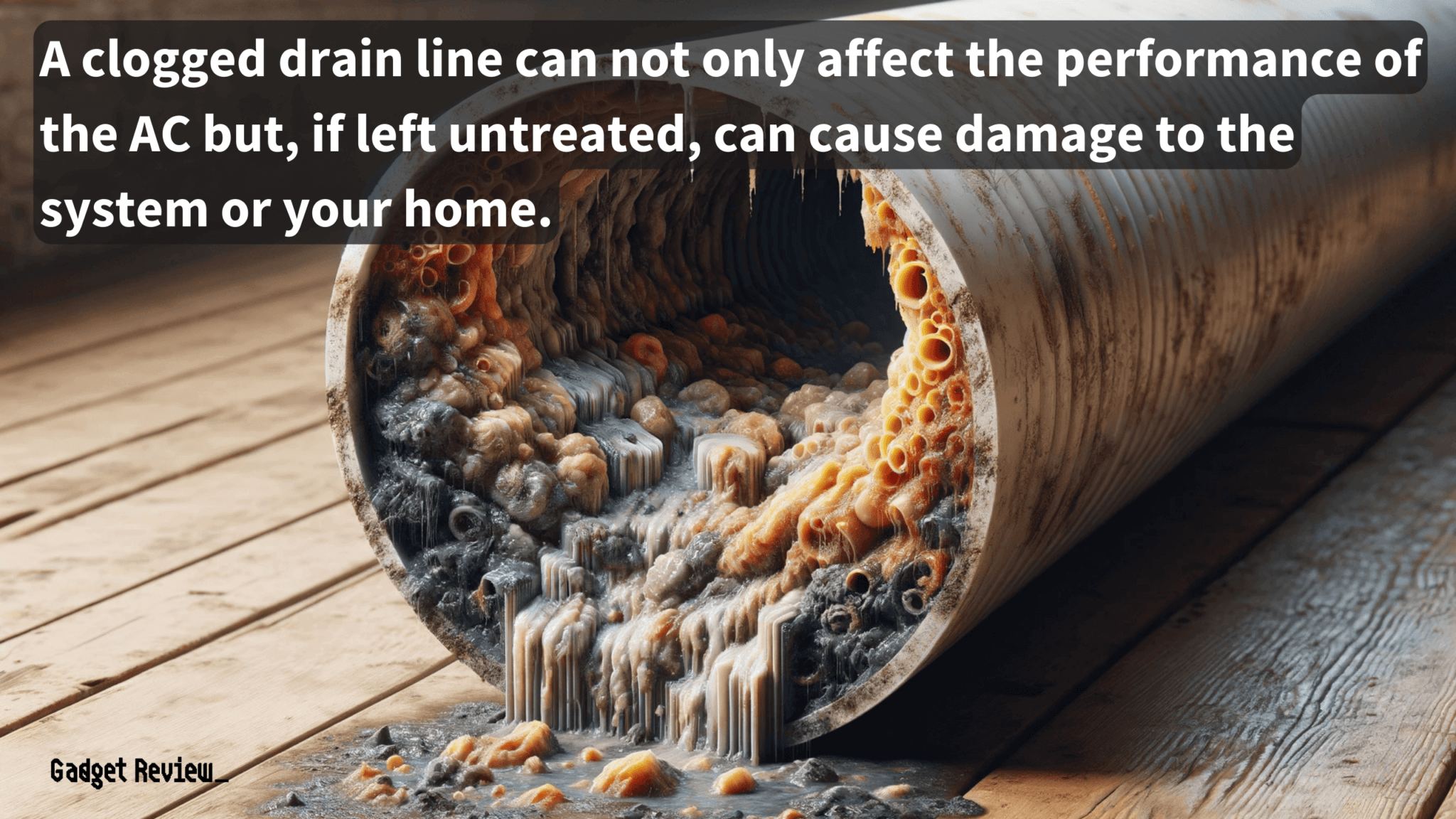
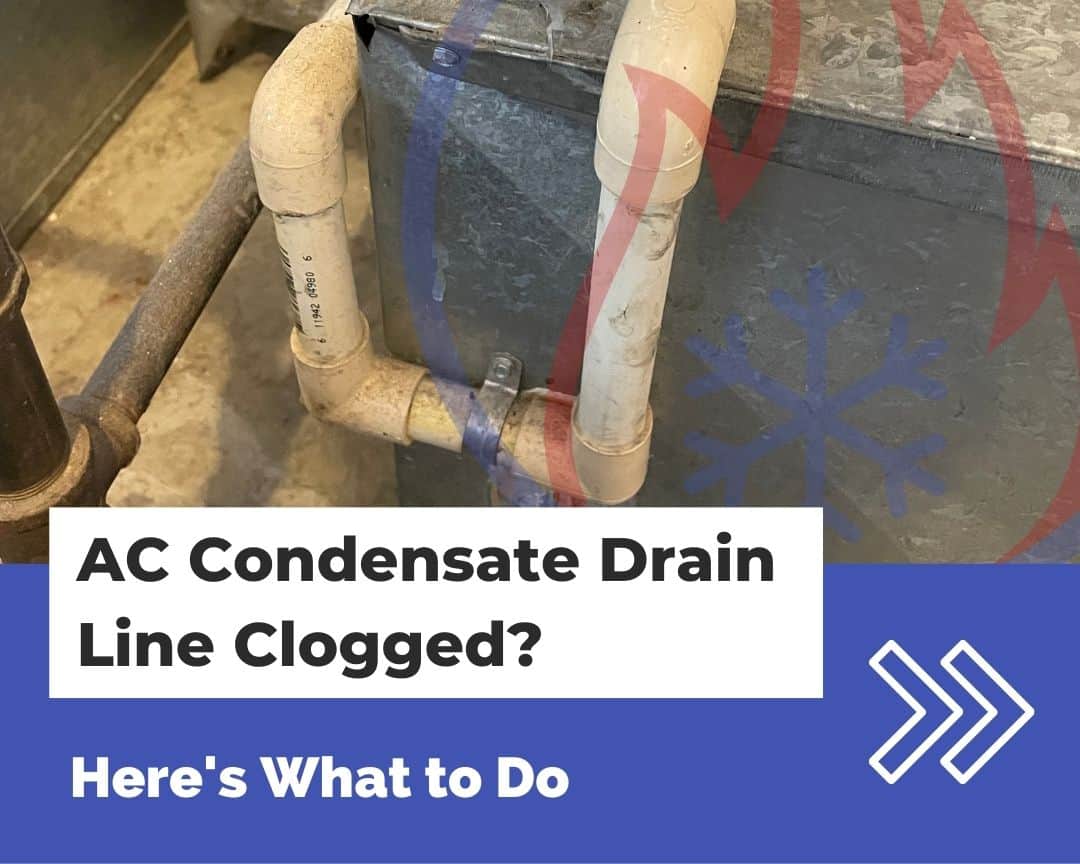
Air conditioners, in their cooling process, remove humidity from the air. This moisture condenses on the evaporator coil and drips into a drain pan. From there, it flows through the drain line and is expelled away from the unit. When this line becomes clogged, water backs up, potentially causing water damage, mold growth, and even system malfunctions. According to the EPA, maintaining proper HVAC drainage is a key component of indoor air quality.
Recognizing the Symptoms: A Step-by-Step Guide
1. Water Leaks Around the Indoor Unit
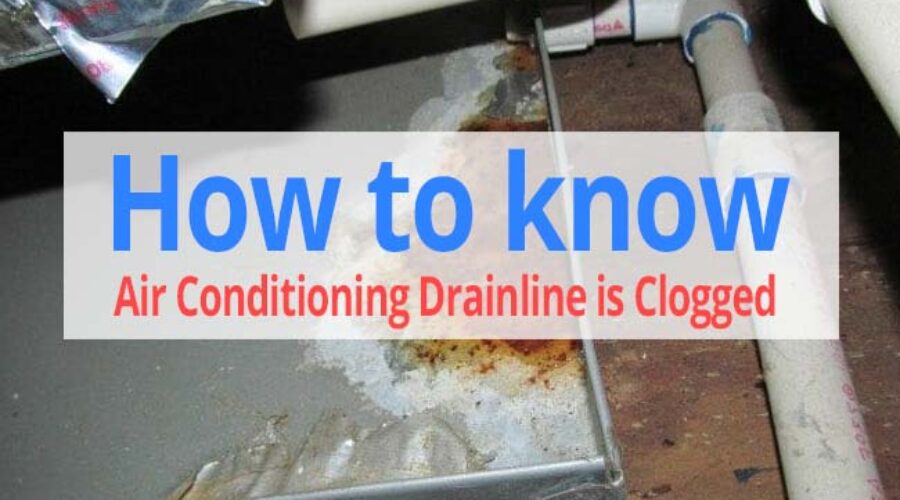
This is often the first and most obvious sign. If you see water pooling around your indoor air handler or furnace (if the AC is connected to it), a clogged drain line is a prime suspect. The water has nowhere else to go but to overflow the drain pan.
2. Water Stains on Ceilings or Walls
If the indoor unit is located in an attic or upper floor, a clogged drain line can cause water to leak through the ceiling or walls below. These stains are a telltale sign of a larger issue and require immediate attention.
3. Musty Odors
Standing water in the drain pan or within the ductwork creates an ideal breeding ground for mold and mildew. A musty, unpleasant odor emanating from the vents can indicate a clogged drain line and the presence of these contaminants. Addressing this promptly is critical for maintaining good indoor air quality. The *Environmental Protection Agency (EPA)* emphasizes the importance of preventing mold growth in HVAC systems.
4. Shut Down or Reduced Cooling
Many air conditioners have a safety feature that automatically shuts down the unit if the water level in the drain pan becomes too high. This prevents further water damage. If your AC is not cooling as effectively as usual, or if it shuts off unexpectedly, a clogged drain line could be the culprit.
5. Visible Algae or Mold Growth in the Drain Pan
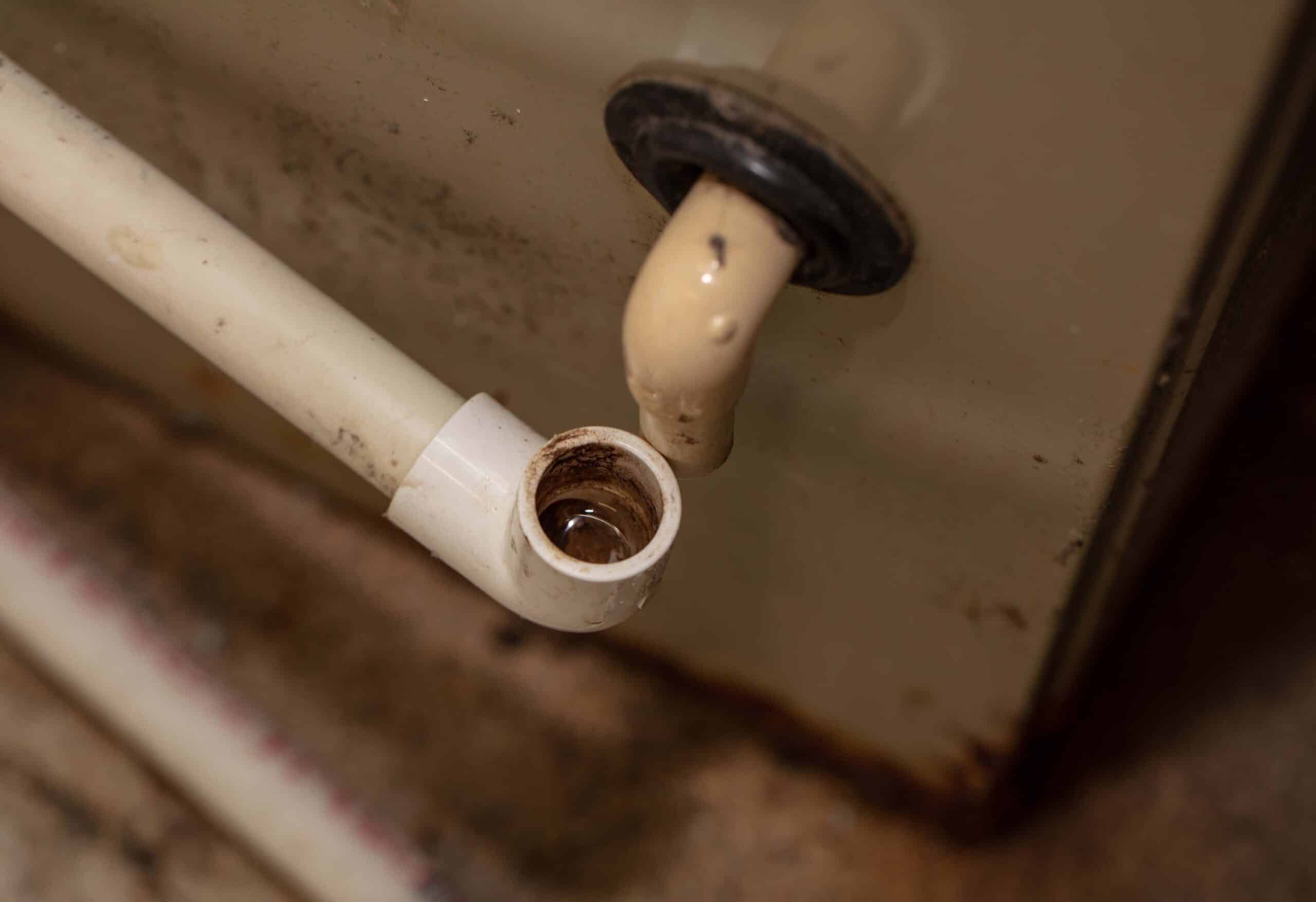
Inspect the drain pan for any signs of algae or mold growth. This is a clear indication that water is stagnating in the pan due to a blockage in the drain line. Cleaning the pan and clearing the drain line are essential steps.
6. Gurgling Sounds from the Indoor Unit
As the water backs up in the drain line, it can create gurgling sounds as air bubbles pass through the partially blocked line. This is a less common symptom, but it's worth noting.
7. Full or Overflowing Drain Pan
A simple visual inspection of the drain pan can reveal whether it's full or overflowing. If the pan is consistently filled with water, despite the AC unit running, the drain line is likely clogged.
Clearing the Clog: A Technician's Approach
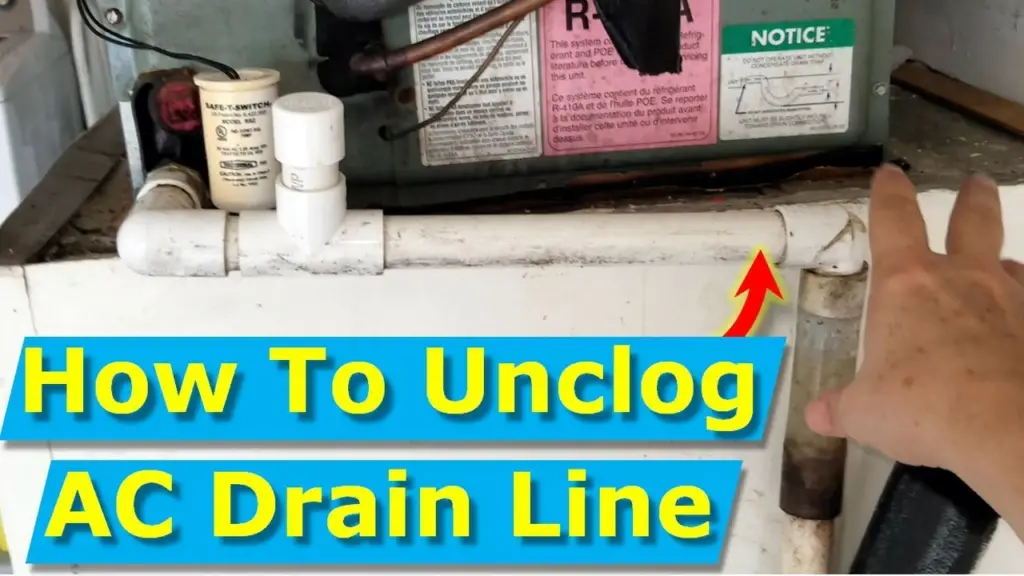
Once you've identified the symptoms of a clogged drain line, the next step is to clear the blockage. Common methods include using a wet/dry vacuum, a stiff wire or brush, or a specialized drain line cleaning tool. Always disconnect power to the unit before attempting any repairs. Some technicians also use compressed nitrogen to blow out the line, but this requires proper training and safety precautions.
Proper maintenance, including regular drain line cleaning, is the best way to prevent clogs. Recommend annual HVAC system tune-ups to your clients to ensure optimal performance and prevent costly repairs.
Career Paths and Certifications in HVAC
Understanding and addressing issues like clogged drain lines is a fundamental skill for HVAC technicians. The HVAC industry offers a variety of career paths, from entry-level installer to specialized technician to business owner. The *Bureau of Labor Statistics* projects a growth rate of 6% for HVAC mechanics and installers from 2022 to 2032, about as fast as the average for all occupations. This translates to roughly 38,000 new jobs over the decade.
Entry-Level Positions
Entry-level positions often involve assisting experienced technicians with installations and repairs. These roles provide valuable on-the-job training and a pathway to more advanced positions. According to Payscale.com, the average hourly wage for an HVAC installer is around $20 per hour.
Experienced Technicians
Experienced technicians are responsible for diagnosing and repairing complex HVAC system issues. They may also specialize in specific areas, such as refrigeration, heating, or air conditioning. The median annual wage for HVAC mechanics and installers was $59,620 in May 2023, according to the Bureau of Labor Statistics. The top 10 percent earned more than $89,790.
Specialized Roles and Certifications
Several certifications can enhance your career prospects and earning potential in the HVAC industry. Some of the most recognized certifications include:
- NATE (North American Technician Excellence): NATE certification demonstrates competency in specific areas of HVAC, such as installation, service, and repair.
- EPA Section 608 Certification: This certification is required for technicians who handle refrigerants. It covers proper refrigerant handling procedures and environmental regulations.
- HVAC Excellence: HVAC Excellence offers a range of certifications covering various aspects of HVAC technology.
Obtaining these certifications demonstrates a commitment to professionalism and expertise, making you a more attractive candidate for employers and increasing your earning potential. For example, a NATE-certified technician can command a higher hourly rate and may be eligible for promotions to leadership roles.
Real-World Examples
Consider the career path of Maria, a recent graduate of an HVAC technical school. She started as an apprentice, assisting experienced technicians with installations and repairs. After a year of on-the-job training, she obtained her EPA 608 certification and began handling refrigerant independently. She then pursued NATE certification in air conditioning and is now a lead technician at a reputable HVAC company, earning a salary in the upper range for her experience level.
Or take the case of David, an experienced technician who decided to specialize in commercial refrigeration. He obtained additional training in refrigeration systems and earned relevant certifications. He now works for a large supermarket chain, maintaining and repairing their refrigeration equipment. His specialized skills and certifications have made him a valuable asset to the company, and he earns a significantly higher salary than his peers who have not pursued specialization.
The Employer's Perspective
For employers in the HVAC industry, hiring skilled and certified technicians is crucial for providing quality service and maintaining a competitive edge. Investing in employee training and certification programs can lead to improved customer satisfaction, reduced warranty claims, and increased profitability. When evaluating candidates, employers often look for:
- Technical skills and knowledge
- Certifications (NATE, EPA 608, etc.)
- Problem-solving abilities
- Communication skills
- Customer service skills
By prioritizing these qualities, employers can build a team of competent and reliable technicians who can effectively address customer needs and contribute to the success of the business.
Industry Trends and the Future of HVAC
The HVAC industry is constantly evolving, with new technologies and regulations emerging all the time. Staying up-to-date on these trends is essential for HVAC professionals who want to remain competitive and provide the best possible service. Some of the key trends shaping the future of HVAC include:
- Energy efficiency: Demand for energy-efficient HVAC systems is growing, driven by environmental concerns and rising energy costs. Technicians need to be knowledgeable about the latest energy-efficient technologies and techniques.
- Smart HVAC systems: Smart thermostats and other smart HVAC devices are becoming increasingly popular. Technicians need to be able to install, configure, and troubleshoot these systems.
- Refrigerant regulations: Regulations governing the use of refrigerants are becoming stricter, as concerns about climate change grow. Technicians need to be aware of these regulations and follow proper refrigerant handling procedures.
By embracing these trends and investing in ongoing training and education, HVAC professionals can position themselves for success in the years to come.
In conclusion, understanding the symptoms of a clogged air conditioner drain line is a fundamental skill for anyone involved in the HVAC industry. By recognizing these symptoms early and taking prompt action, you can prevent costly repairs, maintain good indoor air quality, and ensure optimal system performance. Whether you're a student, an experienced technician, or an employer, continuous learning and professional development are essential for success in this dynamic and rewarding field.