Closed Cell Spray Foam Fire Rating
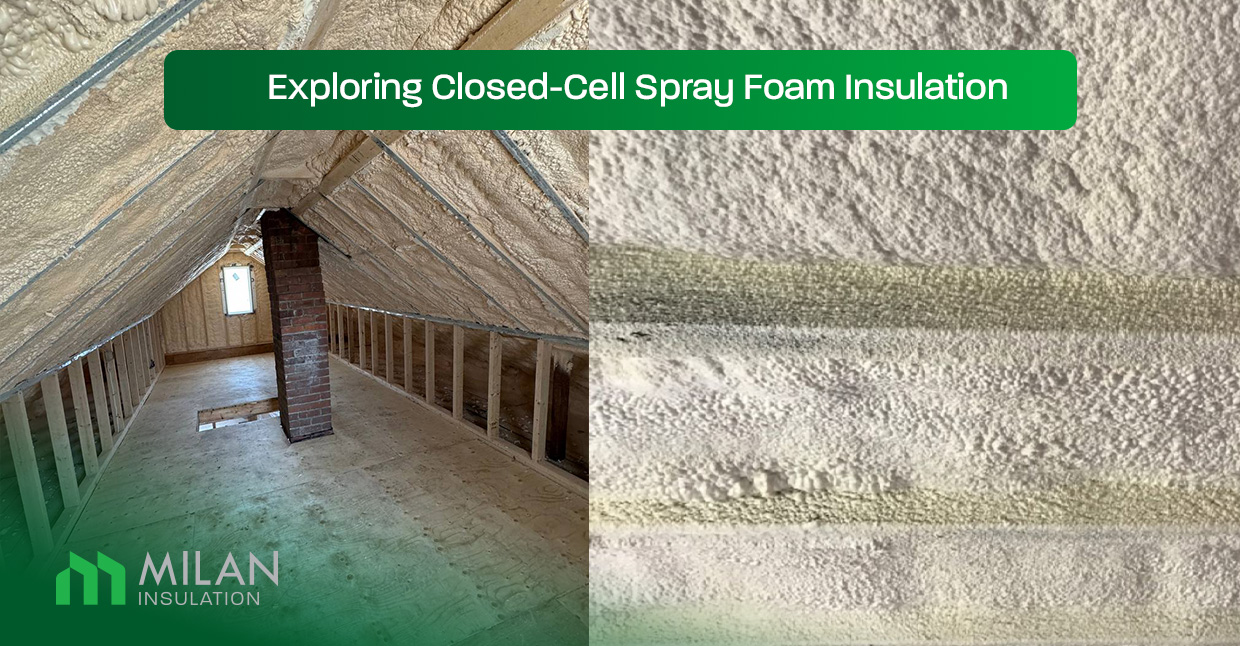
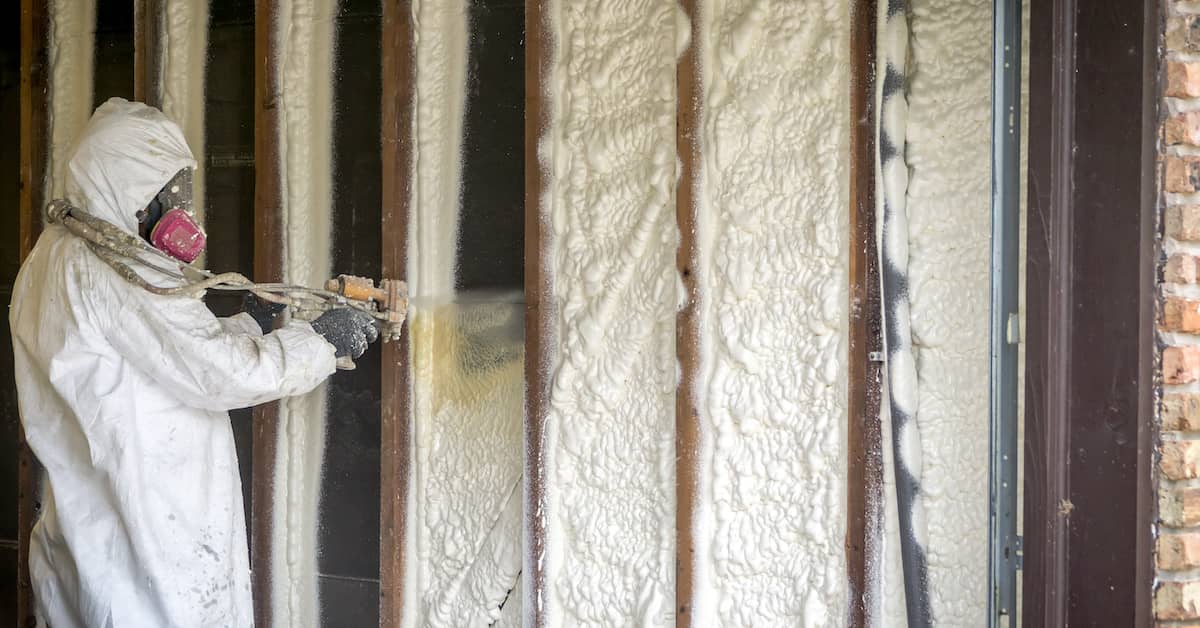
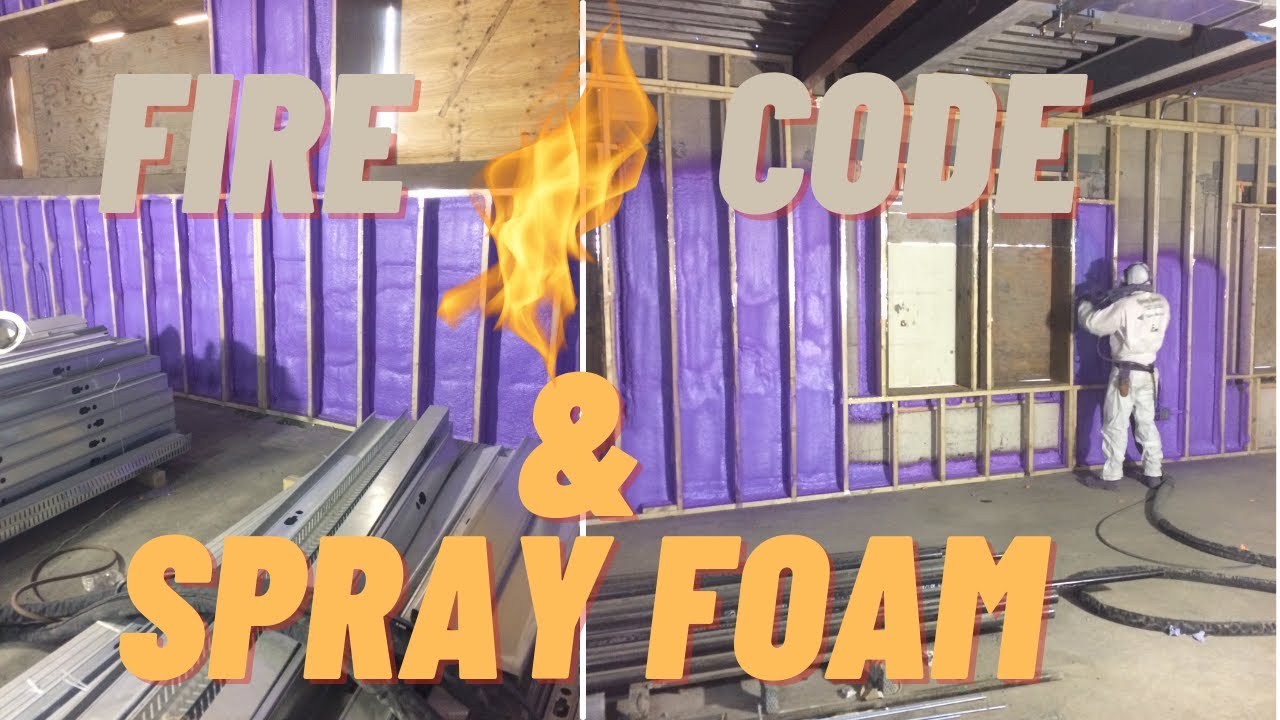
Let's talk about closed-cell spray foam insulation and its fire rating. Understanding this is crucial for the safety of your home. While it provides excellent insulation and structural benefits, it's essential to be aware of its fire performance and how to ensure it meets safety standards.
Understanding Closed-Cell Spray Foam and Fire Rating
Closed-cell spray foam insulation is a popular choice for homeowners due to its high R-value, moisture resistance, and ability to add structural integrity. However, like any building material, it's important to understand its behavior in the event of a fire. Fire rating refers to how long a material can withstand fire exposure before it fails. This is usually expressed in hours.
What Influences the Fire Rating?
Several factors influence the fire rating of closed-cell spray foam:
- The formulation of the foam: Different manufacturers use varying chemical formulations, which can significantly impact the foam's fire resistance.
- Density and thickness: Denser and thicker foam layers generally offer better fire resistance.
- Presence of fire retardants: Many closed-cell spray foams are treated with fire retardants to improve their fire performance.
- Ignition barriers and thermal barriers: Covering the foam with approved materials, such as drywall or intumescent coatings, can significantly increase its fire resistance.
Key Terms to Know
Here are some important terms related to fire safety and spray foam:
- Flame Spread Index (FSI): Measures how quickly a flame spreads across the surface of a material. Lower numbers indicate better fire resistance.
- Smoke Developed Index (SDI): Measures the amount of smoke produced by a burning material. Lower numbers are better.
- Ignition Barrier: A material installed to prevent the spray foam from igniting from a small ignition source, such as a lighter.
- Thermal Barrier: A material installed to protect the spray foam from high heat and fire for a specified period. A common thermal barrier is 1/2-inch drywall.
Troubleshooting Common Fire Rating Concerns with Closed-Cell Spray Foam
Homeowners sometimes have concerns about the fire rating of their existing closed-cell spray foam insulation. Here's a step-by-step guide to addressing those concerns.
Step 1: Identify the Type and Installation of Your Spray Foam
Before you can address any concerns, you need to know what type of spray foam you have and how it was installed. This is a critical first step.
- Check your documentation: Look for any paperwork you received when the foam was installed, such as invoices, warranties, or product specifications. This should include the manufacturer, type of foam, and installer information.
- Visually inspect the foam: Closed-cell foam is typically rigid and dense. Take note of its color and texture. If possible, compare it to images of different types of spray foam online.
- Contact the installer (if possible): If you know who installed the foam, reach out to them. They should be able to provide information about the product used and the installation process.
Step 2: Assess the Presence of Ignition and/or Thermal Barriers
The presence of ignition and thermal barriers is crucial for fire safety. Do not skip this step.
- Check for drywall: In most residential applications, drywall acts as a thermal barrier. Look for drywall covering the spray foam in areas like attics, crawl spaces, and walls.
- Look for intumescent coatings: These specialized coatings expand when exposed to heat, providing a protective layer. They are often pink or red in color. Note: Identifying these definitively can be difficult without prior knowledge.
- Inspect for other approved materials: Some other materials may be approved as ignition or thermal barriers. Refer to local building codes for specific requirements.
- Areas Without Barriers: Note any areas where the spray foam is exposed without a barrier. These are the areas of greatest concern.
Step 3: Verify Compliance with Local Building Codes
Local building codes dictate the required fire ratings and barrier requirements for spray foam insulation. Staying code-compliant is non-negotiable for safety.
- Contact your local building department: They can provide information on the specific code requirements for your area.
- Review online resources: Many municipalities have their building codes available online.
- Focus on the year of installation: Building codes change over time, so focus on the codes that were in effect when the spray foam was installed.
Step 4: Addressing Common Concerns and Potential DIY Fixes (with Caution)
Now that you have a better understanding of your spray foam and its fire safety measures, let's address some common concerns. Remember, safety is paramount. If you are unsure about anything, consult with a qualified professional.
- Concern: Exposed Spray Foam in Small Areas
- Potential Fix (DIY with Caution): If the exposed area is small (e.g., around a pipe penetration) and you're comfortable working with hand tools, you may be able to cover it with a small piece of drywall.
- Instructions:
- Measure the area you need to cover.
- Cut a piece of 1/2-inch drywall to the appropriate size.
- Apply construction adhesive to the back of the drywall.
- Press the drywall firmly against the spray foam and hold it in place until the adhesive sets.
- Seal the edges with drywall tape and joint compound.
- Sand and paint to match the surrounding area.
- When to Call a Pro: If the exposed area is large, difficult to reach, or you are not comfortable working with drywall.
- Concern: Lack of Documentation or Uncertainty About the Foam Type
- Potential Fix: Unfortunately, there's no DIY fix for this. You need to know what you're dealing with.
- Solution: Contact a qualified spray foam inspector. They can assess the foam, determine its type, and provide recommendations for ensuring fire safety.
- Why this is important: Attempting to apply the wrong type of barrier or treatment could be ineffective or even create a fire hazard.
- Concern: Visible Damage to the Existing Thermal Barrier (e.g., Cracks in Drywall)
- Potential Fix (Minor Cracks): Small cracks in drywall can often be repaired with drywall tape and joint compound.
- Instructions:
- Clean the area around the crack.
- Apply drywall tape over the crack.
- Apply a thin layer of joint compound over the tape.
- Let it dry, then sand smooth.
- Apply a second coat of joint compound, if necessary.
- Sand and paint to match the surrounding area.
- Potential Fix (Significant Damage): Larger cracks or damage require more extensive repairs.
- Cut out damaged areas in rectangular shapes.
- Measure and cut new drywall pieces to fit.
- Apply construction adhesive to the back of the new drywall.
- Affix the new drywall to the studs or framing.
- Secure the drywall with drywall screws.
- Cover seams with drywall tape and joint compound.
- Sand smooth and paint to match.
- When to Call a Pro: If the drywall is severely damaged, water-stained, or you suspect structural issues behind the drywall. This could indicate a bigger problem.
- Concern: Suspect Installation Practices (e.g., Uneven Foam Thickness, Gaps)
- Potential Fix: There's generally no DIY fix for this. Improper installation can compromise the foam's performance and fire resistance.
- Solution: Contact a qualified spray foam installer to inspect the installation and recommend corrective actions. This may involve adding more foam or applying a specialized coating.
- Why this is important: Simply adding more foam yourself without proper knowledge and equipment can be ineffective and potentially create air gaps or other issues.
Step 5: When to Call a Professional
It's crucial to recognize when a problem is beyond your DIY capabilities. Here are situations where you should always consult with a qualified professional:
- You are unsure about the type of spray foam you have.
- You suspect the spray foam was installed improperly.
- There is significant damage to the existing thermal barrier.
- You need to apply a specialized coating or treatment to the foam.
- You are dealing with a large area of exposed spray foam.
- You have any concerns about the structural integrity of your home.
- You are uncomfortable working with tools or heights.
- You have any doubts about your ability to safely and effectively address the problem.
- Any electrical work is involved.
Consulting a qualified professional can save you time, money, and potential headaches in the long run. They have the expertise and equipment to accurately assess the situation and recommend the best course of action.
Preventative Measures and Ongoing Maintenance
The best way to avoid fire rating concerns is to take preventative measures and perform ongoing maintenance.
- Hire a qualified installer: When having spray foam installed, choose a reputable and experienced installer who is familiar with local building codes and fire safety requirements.
- Ensure proper ventilation: Adequate ventilation is essential for preventing moisture buildup, which can degrade the spray foam and compromise its fire resistance.
- Regularly inspect your insulation: Check for any signs of damage, such as cracks, crumbling, or water stains. Address any issues promptly.
- Keep the area around the insulation clear: Do not store flammable materials near the spray foam.
By understanding the fire rating of closed-cell spray foam and taking appropriate safety measures, you can ensure a safe and energy-efficient home.