Closed Loop Hot Water Recirculation Line Diagram

Imagine stepping into your shower, expecting that immediate rush of hot water, only to be greeted by an icy blast. This is a common frustration, and while a malfunctioning water heater is a primary suspect, a problem with your closed-loop hot water recirculation system could also be the culprit. This article will guide you through troubleshooting your recirculation system, empowering you with DIY solutions while emphasizing safety and knowing when to call in the pros.
Understanding Your Hot Water Recirculation System
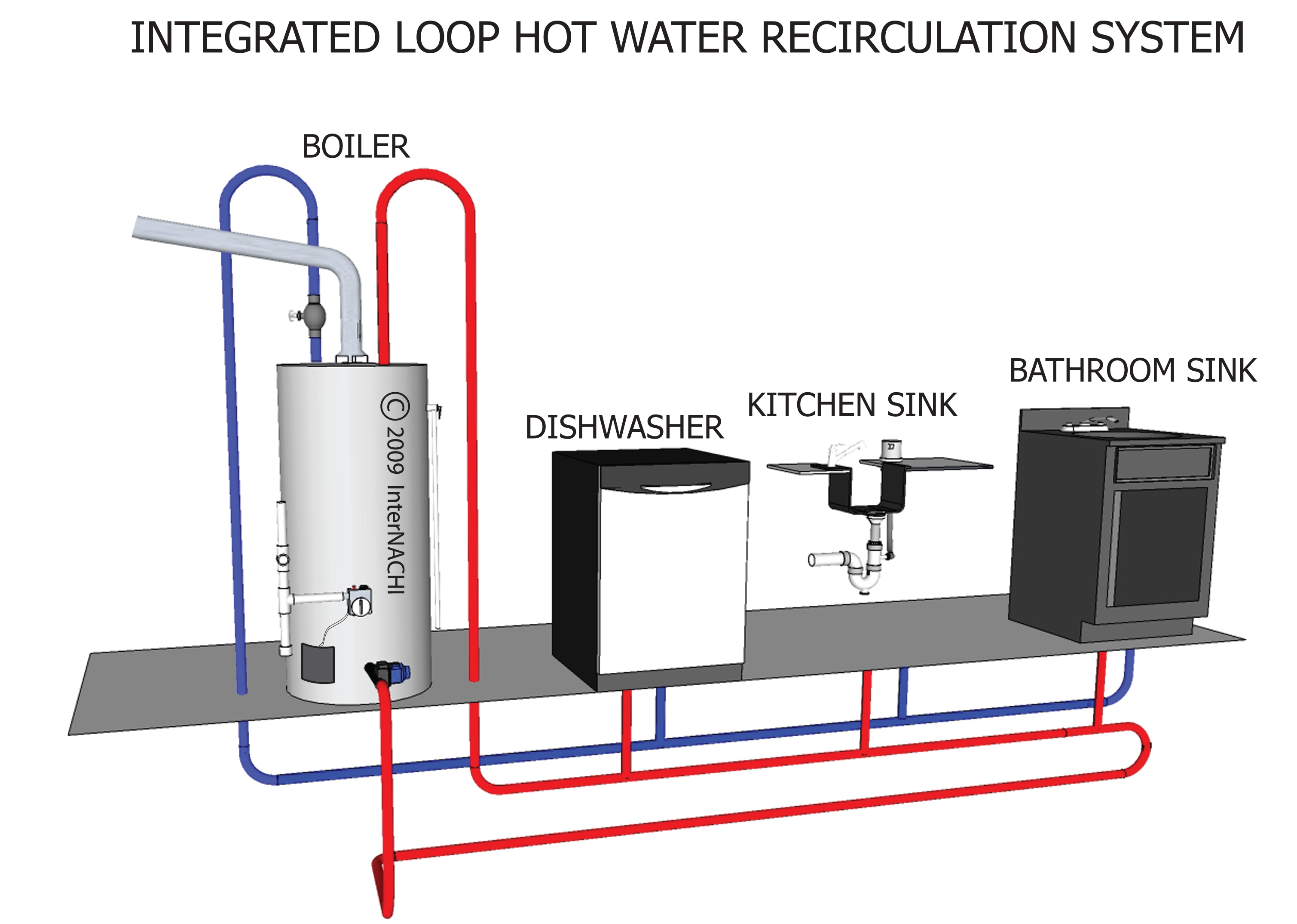
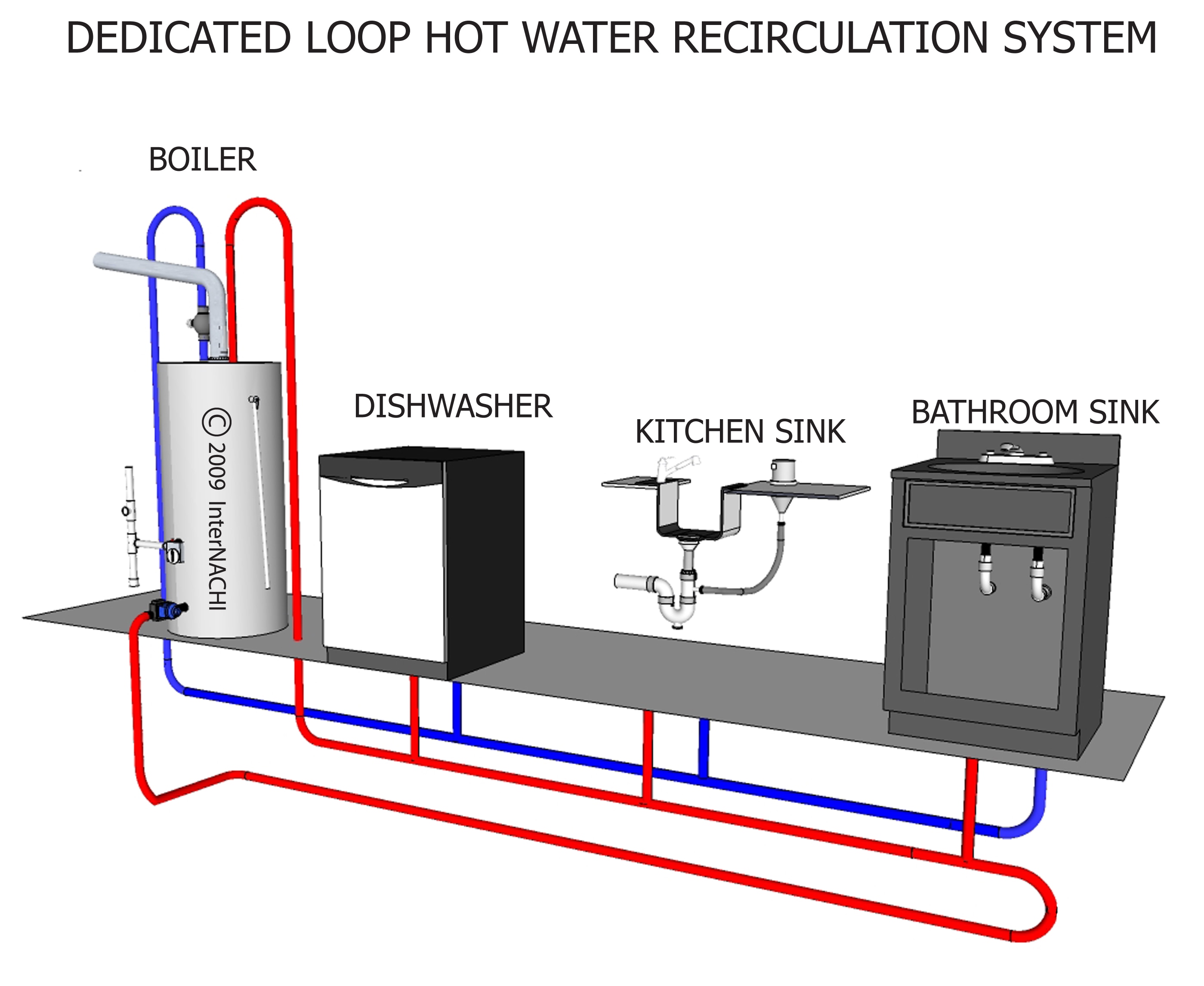
A hot water recirculation system is designed to provide near-instant hot water at your faucets. It works by continuously circulating hot water through a loop of pipes from your water heater to the furthest fixture and back again. This ensures that hot water is always available, reducing water waste and waiting time. A key component is the recirculation pump, which drives this continuous flow.
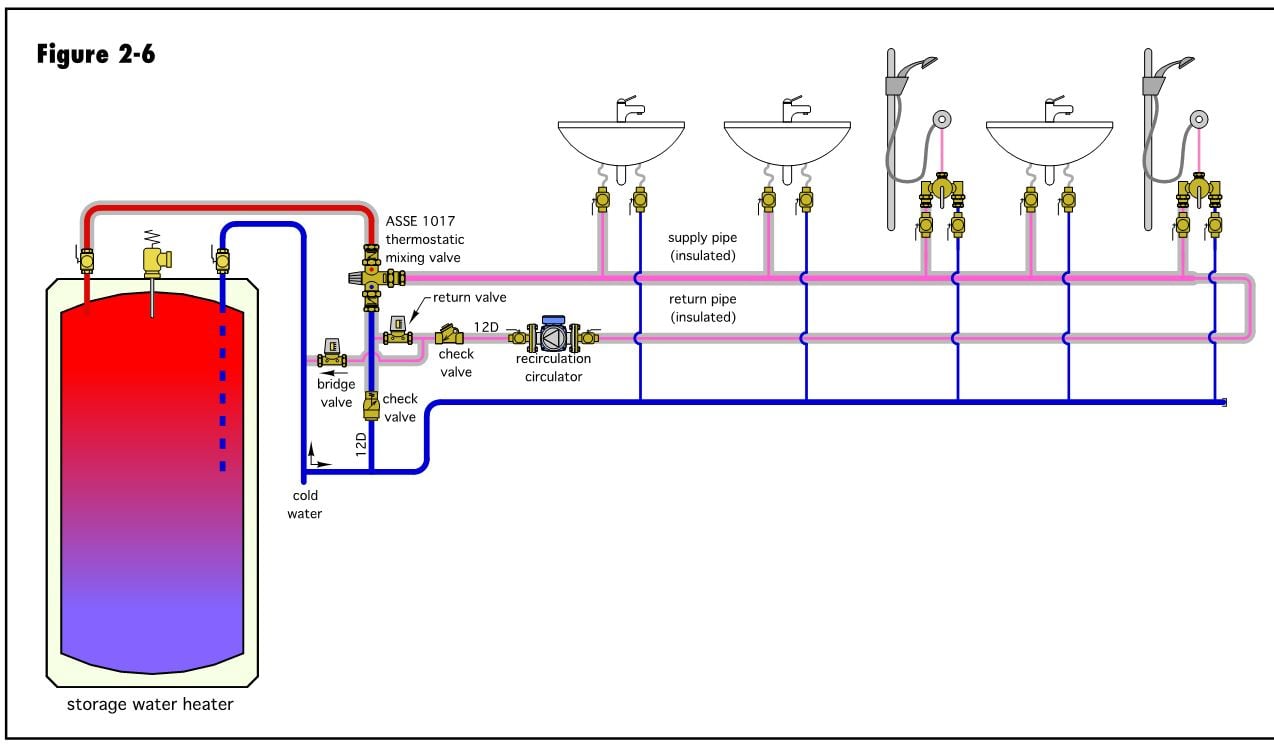
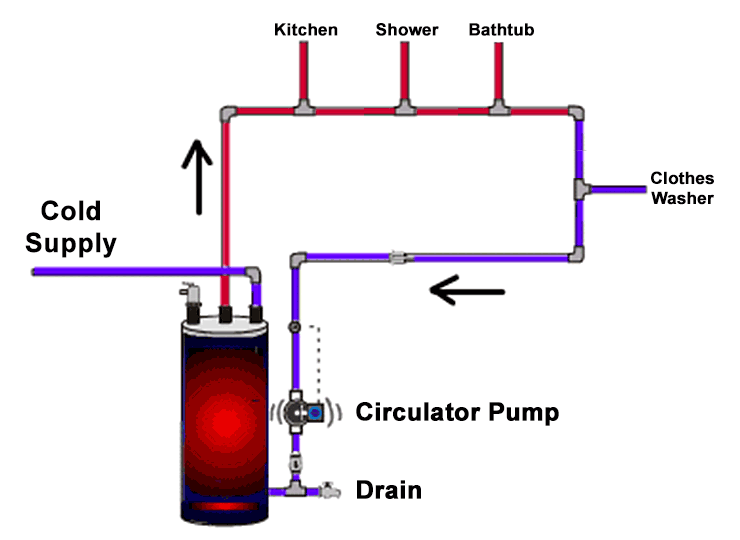
Here's a simplified diagram concept (though your system may vary):
1. Water Heater: The source of the hot water.
2. Supply Line: Carries hot water to your fixtures.
3. Furthest Fixture: Typically a bathroom sink or shower.
4. Recirculation Line: Returns water back to the water heater.
5. Recirculation Pump: Forces water through the recirculation line.
6. Check Valve (Optional): Prevents backflow in some systems.
7. Timer/Thermostat (Optional): Controls when the pump operates.
Troubleshooting: No Instant Hot Water
Let's dive into a step-by-step troubleshooting process to diagnose and potentially fix the issue:
Step 1: Is the Water Heater Working?
This is the most basic, yet crucial, first step. Verify that your water heater is functioning correctly. Check the following:
- Gas Water Heater: Is the pilot light lit? If not, follow the manufacturer's instructions to relight it. Caution: If you smell gas, immediately evacuate the area and call your gas company. DO NOT attempt to light the pilot.
- Electric Water Heater: Is the circuit breaker tripped? Reset it. If it trips again immediately, there's a likely electrical problem requiring a professional.
- Water Heater Temperature: Is the temperature set appropriately? Typically, 120-140°F (49-60°C) is recommended.
If your water heater is not working, resolving that issue is the priority before focusing on the recirculation system.
Step 2: Check the Recirculation Pump
The recirculation pump is the heart of the system. A faulty pump is a common cause of problems.
- Locate the Pump: It's typically near the water heater or the furthest fixture in the recirculation loop.
- Power Supply: Verify the pump is receiving power.
- Electrical Outlet: Is the pump plugged in securely? Is the outlet working? Test the outlet with another device. If the outlet isn't working, check the circuit breaker.
- Wiring: If the pump is hardwired (directly connected to the electrical system), visually inspect the wiring for any damage or loose connections. Caution: If you are not comfortable working with electricity, call a qualified electrician.
- Pump Operation:
- Listen for Noise: A running pump should make a slight humming noise. If it's completely silent, it's likely not working. If it's making a loud, grinding noise, it may be failing.
- Touch the Pump Body: Carefully touch the pump body (avoid touching electrical connections!). A running pump may vibrate slightly or feel warm. If it's cold and silent, it's likely not running.
Step 3: Inspect the Timer/Thermostat (If Applicable)
Many recirculation systems use a timer or thermostat to control when the pump operates, saving energy.
- Timer Settings: Is the timer set correctly? Make sure it's set to the desired operating hours.
- Thermostat Settings: Is the thermostat set to a reasonable temperature? If the water in the recirculation line isn't reaching the set temperature, the pump may not turn on.
- Bypass Timer/Thermostat: To test if the timer or thermostat is the problem, you can temporarily bypass it. Caution: This will cause the pump to run continuously, so only do this for testing purposes. You can usually bypass it by directly wiring the pump to the power source (consult the pump's manual or a professional if unsure). If the pump works when bypassed, the timer/thermostat is the issue.
Step 4: Check for Air in the System
Air trapped in the recirculation line can impede water flow and prevent the system from working properly.
- Bleed the System: Many recirculation pumps have a bleed valve. Carefully open the bleed valve to release any trapped air. Have a towel handy to catch any water.
- Open Faucets: Turn on all hot water faucets connected to the recirculation loop and let them run for a few minutes. This can help flush out any air trapped in the pipes.
Step 5: Inspect Check Valves (If Applicable)
A check valve prevents water from flowing backward in the recirculation line. A faulty check valve can restrict flow.
- Location: Check valves are usually located on the recirculation line near the water heater or the pump.
- Visual Inspection: Look for any signs of corrosion or damage.
- Testing: Testing a check valve often requires removing it. If you're comfortable doing so, remove the valve and inspect it for debris or damage that may be preventing it from opening and closing properly. Caution: Shut off the water supply before removing any plumbing components.
Step 6: Inspect the Recirculation Line
Blockages in the recirculation line can also cause problems.
- Visual Inspection: Look for any kinks or damage to the pipes.
- Feel for Temperature Difference: Carefully feel the pipes along the recirculation loop. A significant temperature difference between sections of the pipe could indicate a blockage.
DIY Fixes You Can Attempt
Here are some simple repairs you can attempt yourself:
- Replacing a Recirculation Pump: If you've determined the pump is faulty and you're comfortable with basic plumbing and electrical work, you can replace it. Caution: Always turn off the power to the pump and the water supply before attempting any repairs. Make sure to purchase a replacement pump that is compatible with your system. Follow the manufacturer's instructions for installation.
- Replacing a Timer/Thermostat: Replacing a timer or thermostat is usually a straightforward process. Turn off the power before disconnecting the old unit and connecting the new one.
- Cleaning a Check Valve: If you suspect a check valve is clogged, you can remove it (after shutting off the water supply) and clean it with vinegar or a descaling solution to remove any mineral buildup.
When to Call a Professional
Some repairs are best left to the professionals. Call a qualified plumber or electrician in the following situations:
- You are uncomfortable working with electricity or plumbing.
- You smell gas.
- You suspect a major plumbing leak.
- The problem involves complex wiring or plumbing modifications.
- You've tried the DIY fixes and the problem persists.
- Your water heater is malfunctioning. (Water heater repairs often require specialized knowledge and tools.)
Safety First!
Always prioritize safety when working with plumbing and electrical systems. Remember the following:
- Turn off the power: Before working on any electrical components, turn off the circuit breaker.
- Turn off the water supply: Before disconnecting any plumbing components, turn off the water supply to the affected area.
- Wear safety glasses: Protect your eyes from debris.
- Follow manufacturer's instructions: Always follow the manufacturer's instructions for any repairs or replacements.
- If in doubt, call a professional.
Preventative Maintenance
To keep your recirculation system running smoothly, consider these preventative maintenance tips:
- Flush the water heater annually: This removes sediment buildup that can affect water heater performance and potentially clog the recirculation line.
- Inspect the system regularly: Look for any leaks, corrosion, or other signs of damage.
- Consider a water softener: If you have hard water, a water softener can help prevent mineral buildup in the pipes and recirculation system.
By following these troubleshooting steps and safety guidelines, you can diagnose and potentially fix problems with your hot water recirculation system, saving you time, water, and money. Remember to be patient, methodical, and never hesitate to call a professional when needed. Good luck!