Cold Air Coming Out Of Furnace

Waking up to a chilly house despite your furnace running is a common and frustrating experience. When cold air is blowing from your vents instead of warm, it's a sign that something isn't working as it should. This article provides a step-by-step guide to help you troubleshoot the problem and potentially fix it yourself. Remember, safety is paramount. If you're uncomfortable with any of these steps, or if the problem involves gas or electrical components, it's always best to call a qualified HVAC technician.
Understanding the Basics
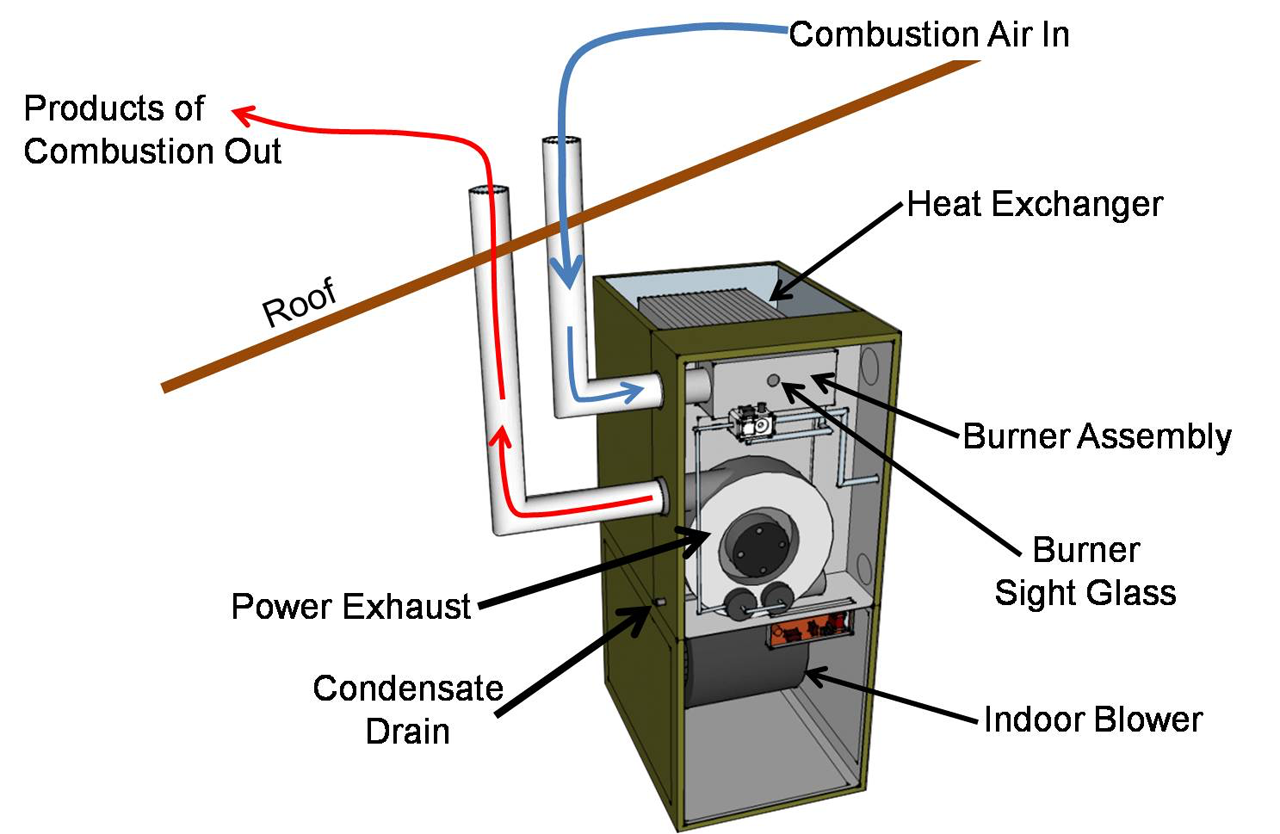
Before we dive into troubleshooting, let's understand how a furnace works. A typical furnace draws in cool air from your home, heats it using gas or electricity, and then distributes the warm air through your ductwork. When the heating process fails, you'll end up with cold air circulating instead. Several factors can disrupt this process, ranging from simple issues like a tripped breaker to more complex problems involving the furnace's internal components.
Safety First!
Always prioritize safety when working with any appliance. Before you begin troubleshooting your furnace:
- Turn off the power to the furnace at the circuit breaker. This is crucial to prevent electrical shock.
- If you smell gas, do not attempt to troubleshoot. Immediately evacuate your home and call your gas company from a safe location.
- Wear appropriate safety gear, such as safety glasses and gloves, if needed.
Step-by-Step Troubleshooting Guide
1. Check the Thermostat Settings
This is the simplest and often overlooked step. Make sure your thermostat is set correctly. It might sound obvious, but ensure it's set to "Heat" and that the temperature is set higher than the current room temperature.
- Verify the mode: Is it set to "Heat" or "Cool"? Accidentally setting it to "Cool" will obviously cause cold air.
- Check the temperature setting: Is it set high enough to trigger the furnace? Increase the set temperature by a few degrees and see if the furnace kicks on.
- Examine the fan setting: If the fan is set to "On" instead of "Auto," it will continuously blow air, even if the furnace isn't heating. Set it to "Auto" so the fan only runs when the furnace is actively heating.
- Consider the program schedule: If you have a programmable thermostat, review the schedule to make sure it's not set to a lower temperature during the current time.
2. Inspect the Air Filter
A dirty or clogged air filter is a common culprit behind furnace problems. When the filter is blocked, it restricts airflow, causing the furnace to overheat and potentially shut down. This can lead to the blower fan continuing to run, circulating cold air.
- Locate the air filter: It's typically located in a slot near the furnace blower motor. Consult your furnace's manual if you're unsure where to find it.
- Inspect the filter: Is it visibly dirty, dusty, or clogged? If so, it needs to be replaced.
- Replace the filter: Use a filter with the correct size and MERV (Minimum Efficiency Reporting Value) rating recommended by your furnace manufacturer.
- How often to replace: As a general rule, replace your air filter every 1-3 months, depending on the filter type and the air quality in your home.
3. Examine the Circuit Breaker
A tripped circuit breaker can cut power to your furnace, preventing it from heating. Even if the fan is still running, the furnace won't be able to ignite and produce heat.
- Locate the circuit breaker box: It's usually in your basement, garage, or utility room.
- Identify the furnace breaker: Look for a breaker labeled "Furnace," "HVAC," or something similar.
- Check the breaker position: If the breaker is in the "tripped" (middle) position, flip it to the "Off" position and then back to the "On" position.
- If it trips again immediately: Do not keep resetting the breaker. This indicates a more serious electrical problem that requires professional attention.
4. Check the Gas Supply (Gas Furnaces Only)
If you have a gas furnace, ensure that the gas supply is turned on. A closed gas valve will prevent the furnace from igniting.
- Locate the gas shut-off valve: It's usually located on the gas pipe near the furnace.
- Check the valve position: The valve should be parallel to the gas pipe to be in the "On" position. If it's perpendicular, it's in the "Off" position.
- Carefully turn the valve: If it's off, slowly turn it to the "On" position.
- Pilot Light: Some older furnaces have a pilot light. Make sure it's lit. If it's not, follow the manufacturer's instructions to relight it. If you are not comfortable with this, call a professional.
- Smell of Gas: If you smell gas at any point, do not attempt to light the pilot or turn on the gas. Evacuate immediately and call your gas company.
5. Inspect the Furnace Blower Compartment
Turn off the power at the breaker before proceeding. Carefully inspect the blower compartment for any obvious signs of damage or malfunction.
- Remove the access panel: It's usually held in place by screws or clips.
- Visually inspect the blower motor: Look for any signs of burning, loose wires, or debris.
- Check the blower fan: Make sure it's clean and free of obstructions. Remove any dust or debris that might be hindering its operation.
- Do not touch any electrical components if you are not qualified to do so.
6. Check the Flame Sensor (Gas Furnaces Only)
The flame sensor is a safety device that detects whether the burner flame is present. If the sensor is dirty or malfunctioning, it can shut down the gas valve, preventing the furnace from heating.
- Locate the flame sensor: It's usually a small metal rod located near the burner. Consult your furnace's manual if you're unsure where to find it.
- Turn off the gas supply and power to the furnace before proceeding.
- Remove the flame sensor: It's usually held in place by a screw.
- Clean the sensor: Use a fine-grit sandpaper or steel wool to gently clean the sensor rod. Remove any carbon buildup or corrosion.
- Reinstall the sensor: Carefully reattach the flame sensor and tighten the screw.
- Turn the gas and power back on: Observe the furnace operation to see if the cleaning resolved the issue.
- Important: If the flame sensor is visibly damaged or corroded, it should be replaced by a qualified technician.
7. Examine the Ductwork
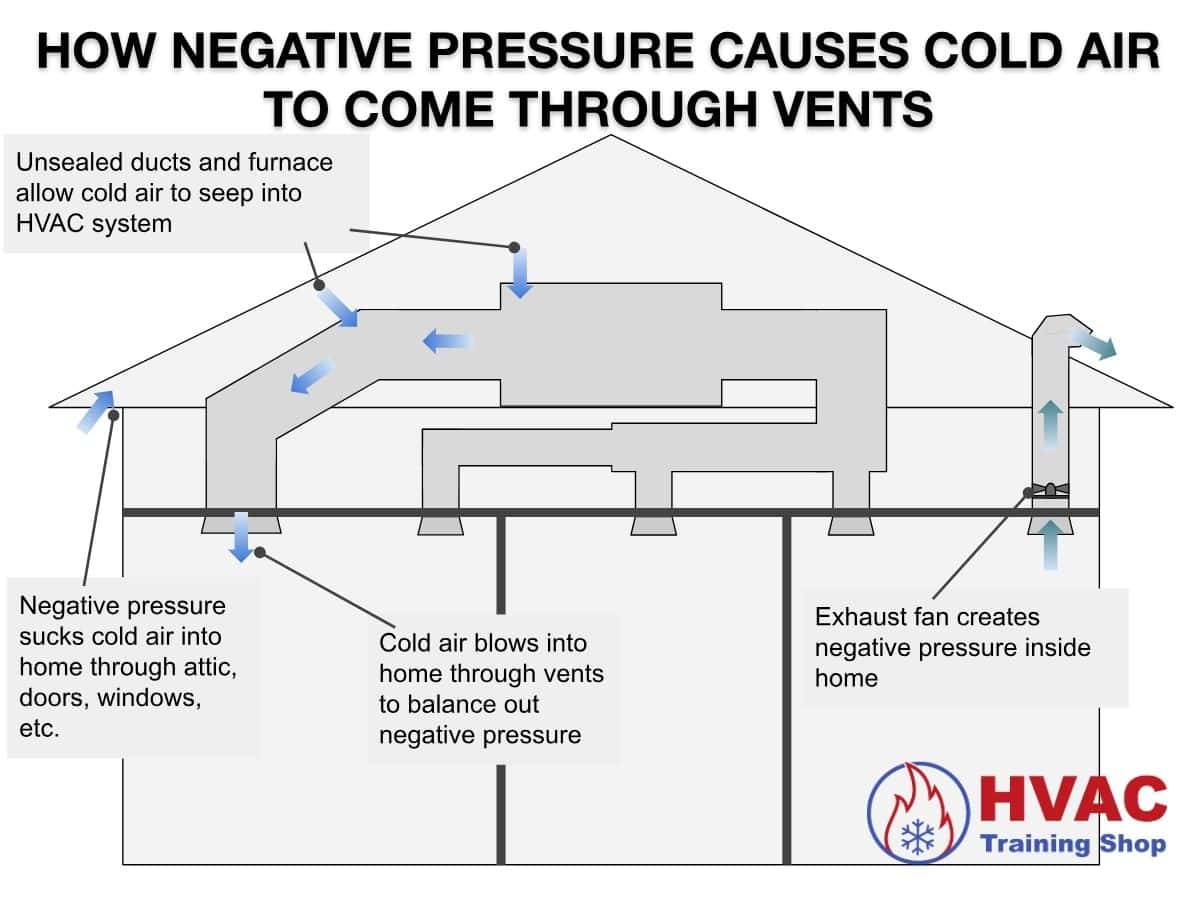
Even if the furnace is producing warm air, leaky or disconnected ductwork can cause significant heat loss, resulting in cold air blowing from some vents. Leaks can also cause your furnace to work harder and less efficiently.
- Inspect visible ductwork: Look for any gaps, holes, or disconnected sections. Pay particular attention to joints and seams.
- Feel for air leaks: Place your hand near ductwork joints to feel for any escaping air.
- Seal leaks: Use duct tape or mastic sealant to seal any visible leaks. For larger gaps, consider using fiberglass mesh tape before applying sealant.
- Attic and crawl space: Don't forget to check ductwork in attics and crawl spaces, as these areas are often more prone to leaks and damage.
When to Call a Professional
While many furnace problems can be resolved with basic troubleshooting, some issues require the expertise of a qualified HVAC technician. Never attempt repairs involving gas or complex electrical components if you are not comfortable and properly trained.
Here are some situations where you should call a professional:
- You smell gas. This is a serious safety hazard. Evacuate immediately and call your gas company.
- The circuit breaker repeatedly trips. This indicates a potential electrical problem.
- You suspect a gas leak. Even a small gas leak can be dangerous.
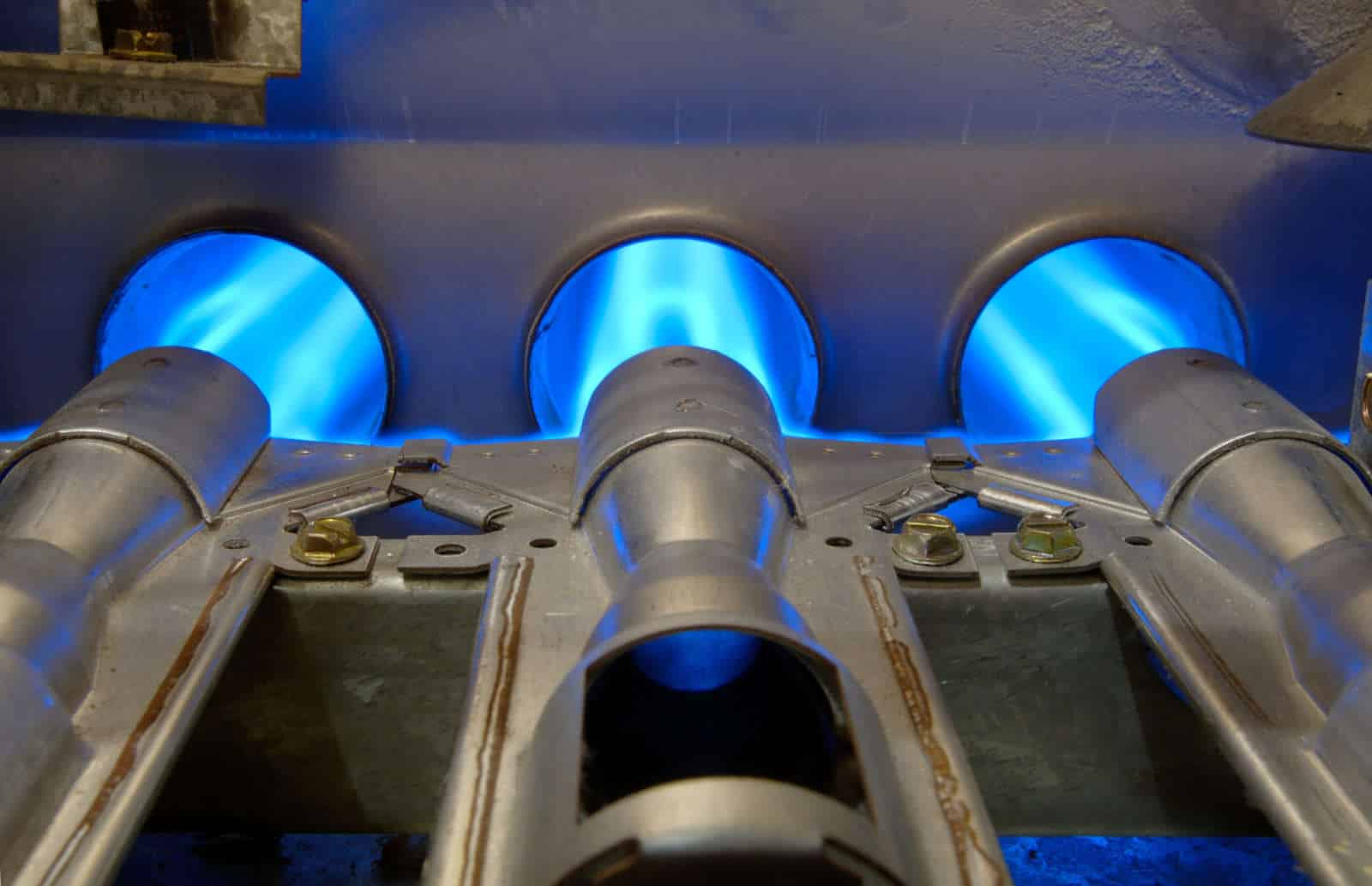
- You see signs of carbon monoxide. This includes a yellow or flickering burner flame, soot buildup, or symptoms of carbon monoxide poisoning (headache, dizziness, nausea).
- You hear unusual noises from the furnace. This could indicate a mechanical problem with the blower motor, burner, or other components.
- The furnace won't ignite. If you've checked the gas supply and pilot light (if applicable) and the furnace still won't ignite, it's likely a problem with the igniter, gas valve, or other internal components.
- The furnace is old or malfunctioning. If your furnace is more than 15-20 years old, it may be nearing the end of its lifespan. A professional can assess its condition and recommend whether to repair or replace it.
- You are uncomfortable or unsure about any aspect of the troubleshooting process. It's always better to err on the side of caution and call a professional rather than risk injury or further damage to your furnace.
Preventative Maintenance
Regular preventative maintenance can help keep your furnace running smoothly and prevent many of the problems that lead to cold air blowing from your vents. Consider the following:
- Schedule annual furnace maintenance: A qualified HVAC technician can inspect and clean your furnace, check for potential problems, and ensure that it's operating safely and efficiently.
- Change your air filter regularly: As mentioned earlier, a clean air filter is essential for proper airflow and furnace performance.
- Keep the area around the furnace clear: Remove any clutter or debris that could obstruct airflow or create a fire hazard.
- Inspect your ductwork regularly: Look for any signs of leaks or damage and seal them promptly.
By following these troubleshooting steps and preventative maintenance tips, you can help keep your furnace running efficiently and reliably, ensuring that your home stays warm and comfortable throughout the winter. Remember, safety is always the top priority. If you're unsure about any aspect of the process, don't hesitate to call a qualified HVAC technician.