Cold Air Goes Up Or Down
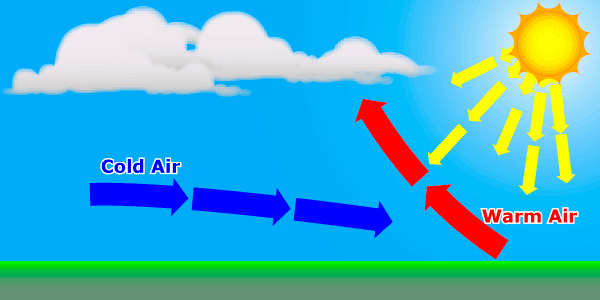
Frequently Asked Questions: Does Cold Air Go Up or Down?
Understanding how air moves is crucial for effective heating and cooling in your home or building. This FAQ addresses common questions about the behavior of cold air.
Q1: Does cold air rise or sink?
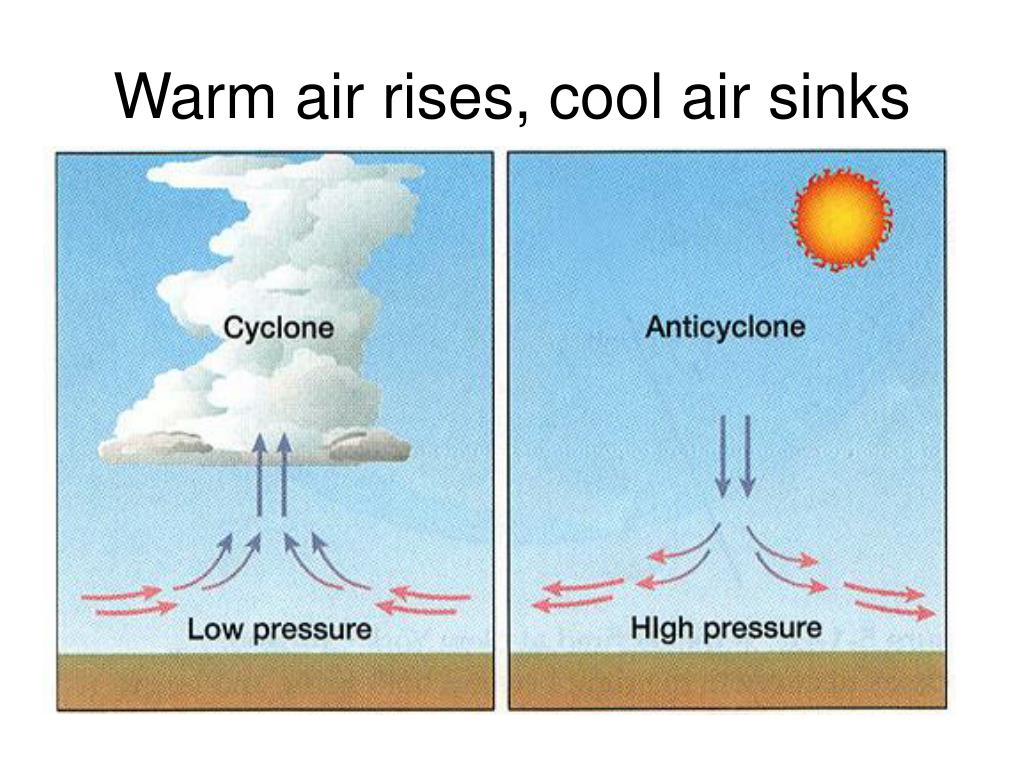
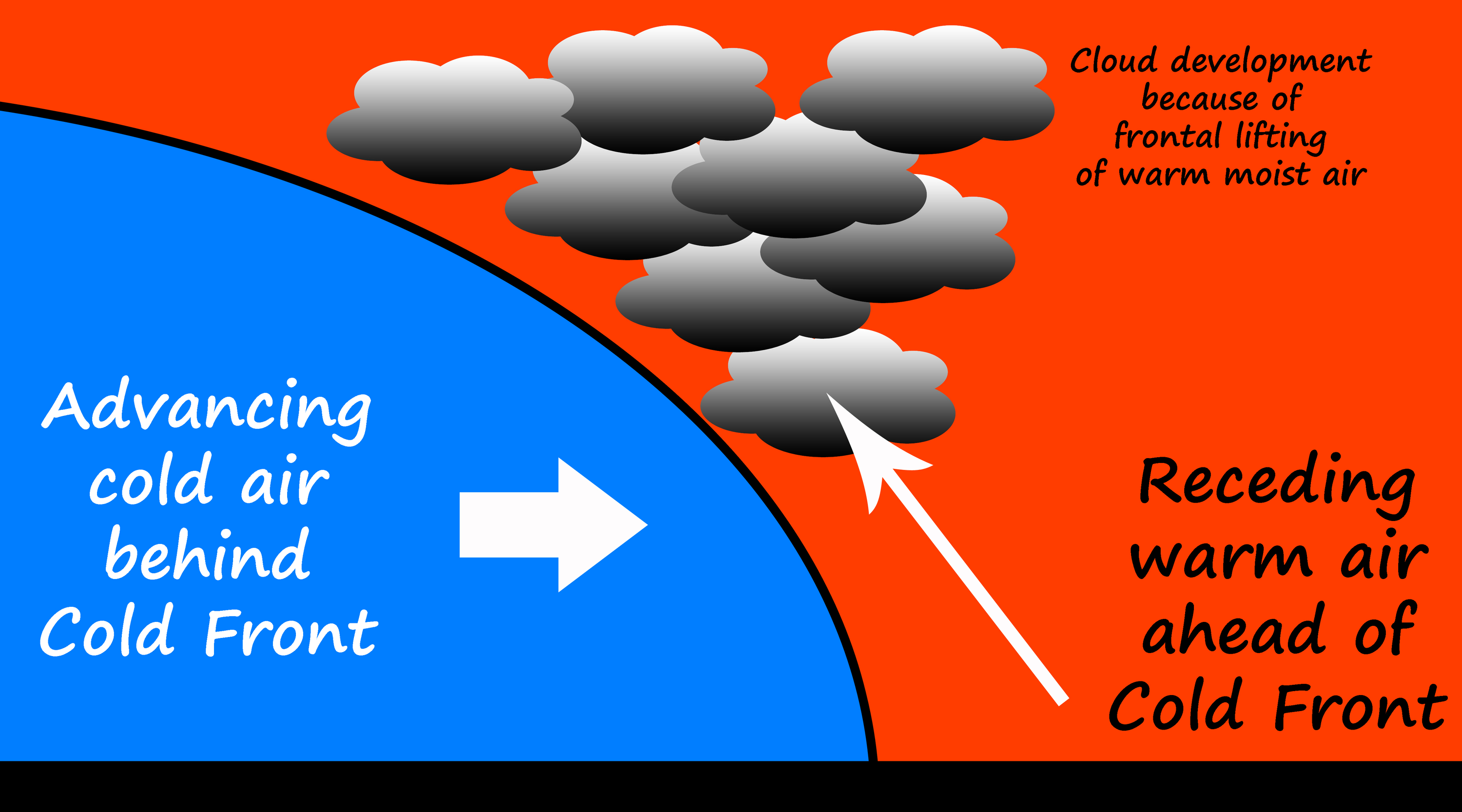
Cold air sinks. This is a fundamental principle of physics. Cold air is denser than warm air, and denser substances naturally settle below less dense ones due to gravity.
Q2: Why does cold air sink and warm air rise? What's the science behind it?
The phenomenon is driven by differences in density. Here's a simplified explanation:
- Molecular Activity: Warm air molecules have more energy and move faster, causing them to spread out.
- Density: When air molecules spread out, the air becomes less dense. Think of it like this: the same number of molecules are occupying a larger space.
- Buoyancy: Less dense (warm) air is more buoyant and therefore rises.
- Gravity: Denser (cold) air is pulled down by gravity, causing it to sink. Imagine the molecules tightly packed together.
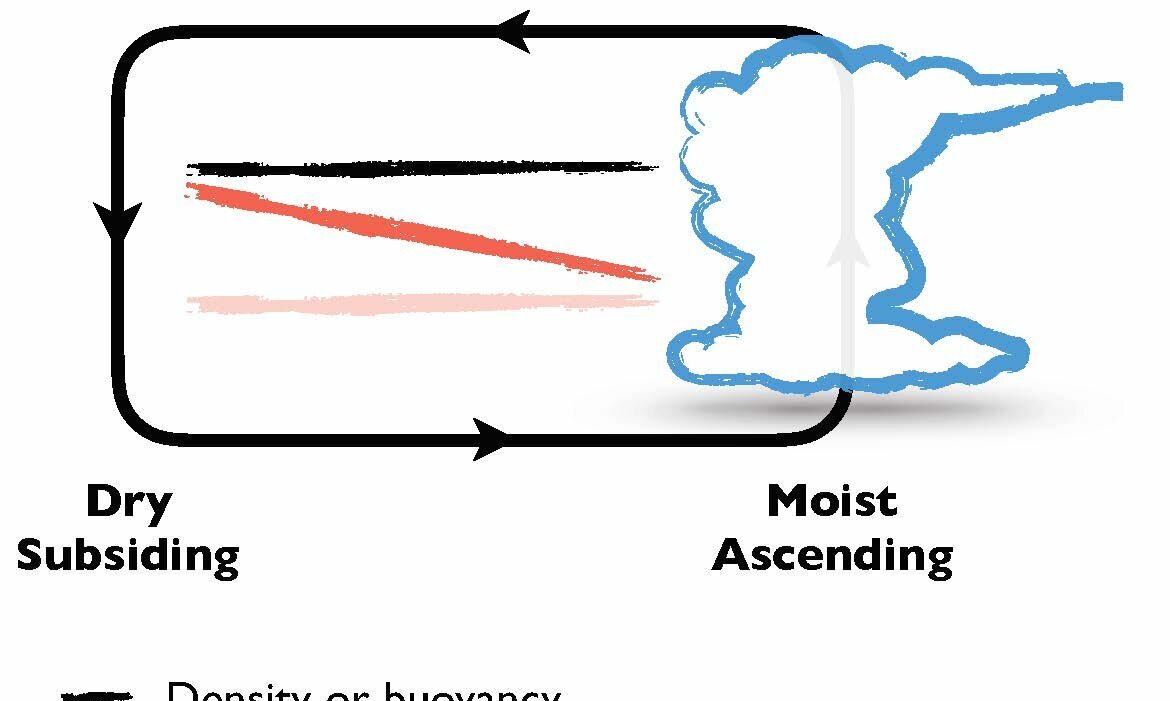
- Convection Currents: This constant rising of warm air and sinking of cold air creates what we call convection currents, which help circulate air and distribute temperature in a space.
In simpler terms, warm air is lighter than cold air, so it floats on top.
Q3: How does the fact that cold air sinks affect the way I heat my home?
Knowing that cold air settles at the bottom of a room or building is important for effective heating. Here's how it impacts your heating strategy:
- Heater Placement: If you're using space heaters, placing them lower to the ground can be more effective at warming the lower portion of the room, where you're likely to be sitting or standing. However, do not place heaters directly on the floor or near flammable materials.
- Forced-Air Systems: With forced-air heating systems (furnaces), the vents are typically placed higher up on walls or in the ceiling. This is designed to distribute warm air throughout the room. As the warm air cools, it will naturally sink.
- Ceiling Fans: During the winter, run your ceiling fan in a clockwise direction (as viewed from below). This will push the warmer air that has risen to the ceiling back down into the living space.
- Insulation: Proper insulation is crucial. It helps prevent heat from escaping through the ceiling and walls, keeping the warm air inside for longer. Poorly insulated floors can also lead to significant heat loss, as the warm air at floor level is cooled by the cold surface.
- Radiators/Baseboard Heaters: These are often placed along exterior walls near the floor. The warm air rises from these sources, creating a natural convection current as it displaces the cooler air near the floor.
In essence, think about where the cold air is accumulating and target those areas with your heating strategies to improve efficiency and comfort.
Q4: What about cooling? How does the fact that cold air sinks affect my air conditioning strategy?
Since cold air sinks, your air conditioning system should ideally distribute cool air from higher locations. Consider these points:
- AC Vent Placement: Air conditioning vents are usually positioned higher on walls or in the ceiling. This allows the cool air to naturally descend and displace the warmer air below.
- Window Units: When using window air conditioners, placing them higher in the window frame is generally more effective.
- Ceiling Fans: During the summer, run your ceiling fan in a counter-clockwise direction (as viewed from below). This creates a downdraft of air, which helps to circulate the cool air throughout the room and enhance the cooling effect.
- Minimize Heat Sources: Reduce sources of heat within your home (e.g., incandescent lighting, appliances generating heat) to lessen the load on your AC system.
- Air Sealing: Seal any drafts or air leaks around windows, doors, and other openings. This will prevent warm air from entering and cold air from escaping, maximizing the efficiency of your cooling system.
By strategically positioning your cooling sources and minimizing heat gain, you can optimize your air conditioning performance.
Q5: Does this principle apply everywhere, even in tall buildings or large warehouses?
Yes, the principle that cold air sinks applies universally, including in tall buildings and large warehouses. However, the complexity of air circulation increases in larger spaces. Here's what to consider:
- Stack Effect: In tall buildings, the "stack effect" can become significant. Warm air rises through the building, creating a pressure difference that can draw cold air in at lower levels. This can lead to noticeable temperature variations between the top and bottom floors.
- HVAC Design: Large buildings require carefully designed HVAC systems to address the specific challenges of their size and configuration. Zoning, which allows for different temperature settings in different areas, is often implemented.
- Air Curtains: In warehouses and buildings with large doorways, air curtains can be used to prevent the influx of cold air when doors are opened. These create a barrier of air that separates the indoor and outdoor environments.
- Destratification Fans: High ceilings often lead to significant temperature stratification, where the warmest air accumulates at the top and the coolest air settles at the bottom. Destratification fans are used to mix the air and reduce temperature differences.
- Multiple HVAC Units: Large spaces may be serviced by multiple HVAC units strategically positioned to ensure even temperature distribution and address local heating or cooling needs.
In these larger environments, understanding air movement is even more critical for designing efficient and comfortable climate control systems.
Q6: Are there any exceptions to the rule that cold air sinks?
While the general principle holds true, there can be some situations where it appears that cold air is rising or not behaving as expected. These are often due to other factors influencing air movement:
- Wind: Strong winds can override the natural tendency of cold air to sink, forcing it upwards or sideways. This is particularly noticeable outdoors.
- Obstructions: Obstacles in a room, such as furniture or walls, can disrupt air flow patterns and create pockets where cold air may be temporarily displaced.
- Radiant Heat: Radiant heat from a source like the sun can warm surfaces, which then warm the air around them. This localized heating can cause that air to rise, even if it's initially cooler than the surrounding air. Think about a black rock in the sun; it will heat up and warm the air around it, creating a small thermal updraft.
- Confined Spaces: In very small, confined spaces, the effects of convection may be less pronounced.
- Pressure Differences: Significant pressure differences can also affect air movement, potentially causing cold air to move in unexpected directions.
These are not true exceptions to the law of physics, but rather situations where other forces are influencing the air's behavior. Under controlled conditions, the principle that cold air sinks will always hold true.
Q7: How can I use this knowledge to improve my home's energy efficiency?
Understanding how cold air behaves can translate into significant energy savings. Here are some actionable steps:
- Seal Air Leaks: Caulk and weatherstrip around windows, doors, and any other openings where air can leak in or out. This prevents cold air from entering in the winter and warm air from entering in the summer, reducing the workload on your heating and cooling systems.
- Insulate Properly: Ensure your home is adequately insulated, especially in the attic, walls, and floors. Insulation acts as a barrier, slowing down the transfer of heat and keeping your home warmer in the winter and cooler in the summer. Pay close attention to floors above unheated spaces, like garages or crawlspaces.
- Utilize Ceiling Fans Strategically: As mentioned earlier, use ceiling fans in the winter to circulate warm air downwards and in the summer to create a cooling breeze.
- Control Window Coverings: During the winter, open curtains or blinds on south-facing windows during the day to let in solar heat. Close them at night to insulate against heat loss. In the summer, close curtains or blinds during the hottest part of the day to block out solar heat gain.
- Optimize Thermostat Settings: Set your thermostat at a comfortable but energy-efficient temperature. Consider lowering the thermostat when you're away from home or asleep. Programmable thermostats can automate this process.
- Inspect Ductwork: If you have a forced-air system, make sure your ductwork is properly sealed and insulated. Leaky ducts can waste a significant amount of energy by allowing heated or cooled air to escape before it reaches its intended destination.
- Consider a Home Energy Audit: A professional home energy audit can identify areas where your home is losing energy and recommend solutions to improve efficiency.
By implementing these strategies, you can create a more comfortable and energy-efficient home, reducing your utility bills and minimizing your environmental impact.