Cold Water In Hot Water Line

Experiencing cold water coming out of your hot water taps? It's a frustrating and common issue that can stem from a variety of causes. Before you call a plumber, there are several things you can check yourself. This guide will walk you through a systematic approach to diagnosing and potentially fixing the problem, empowering you to save time and money.
Step 1: Understanding the Problem
First, let's clarify what "cold water" means. Is it completely cold, or just lukewarm before eventually warming up? Is it affecting all your hot water taps, or just one? The answers to these questions will help narrow down the possible causes.
Consider the following questions:
- How long has this been happening?
- Did it start suddenly, or gradually?
- Does it happen at all times of the day, or just at specific times?
- Has any plumbing work been done recently?
Answering these questions accurately is crucial for effective troubleshooting.
Step 2: Checking the Obvious
Before diving into complex diagnoses, let's eliminate the simple explanations.
1. Hot Water Heater Setting
This may sound basic, but it's surprising how often this is the culprit! Check your hot water heater's thermostat. Ensure it's set to a reasonable temperature (typically around 120-140°F or 49-60°C). If it's set too low, the water might feel cold, especially during colder months.
To adjust the temperature:
- Locate the access panel on your water heater.
- Remove the panel (you might need a screwdriver).
- You'll see a thermostat dial. Adjust it to the desired temperature.
- Replace the panel.
Be careful when working around electrical components. If you're uncomfortable, skip this step and call a professional.
2. Pilot Light (Gas Water Heaters Only)
If you have a gas water heater, a blown-out pilot light will prevent the burner from igniting, resulting in cold water. Check if the pilot light is lit. Instructions for relighting the pilot are usually printed on the water heater itself.
To check and relight the pilot light:
- Locate the pilot light access point (usually near the bottom of the tank).
- Follow the manufacturer's instructions to relight the pilot light. This typically involves turning a control knob to the "Pilot" setting, pressing and holding a button to release gas, and using a long lighter or match to ignite the pilot flame.
- Once lit, continue holding the button for the specified time (usually 30-60 seconds) to allow the thermocouple to heat up.
- Release the button. If the pilot light stays lit, you're good to go. If it goes out, repeat the process. If it continues to go out, there may be a problem with the thermocouple or gas supply, requiring professional help.
If you smell gas, immediately evacuate the area and call your gas company.
3. Sharing a Water Source
If someone else in your house is using hot water (e.g., taking a shower, running the dishwasher) while you're trying to use it, the flow may be diverted or reduced, resulting in colder water reaching your tap. Wait until the other person is finished and try again.
This is a common occurrence in households with high water usage.
Step 3: Investigating Individual Fixtures
If the problem is only happening at one specific faucet or shower, the issue is likely localized to that fixture.
1. Mixer Valve Issues
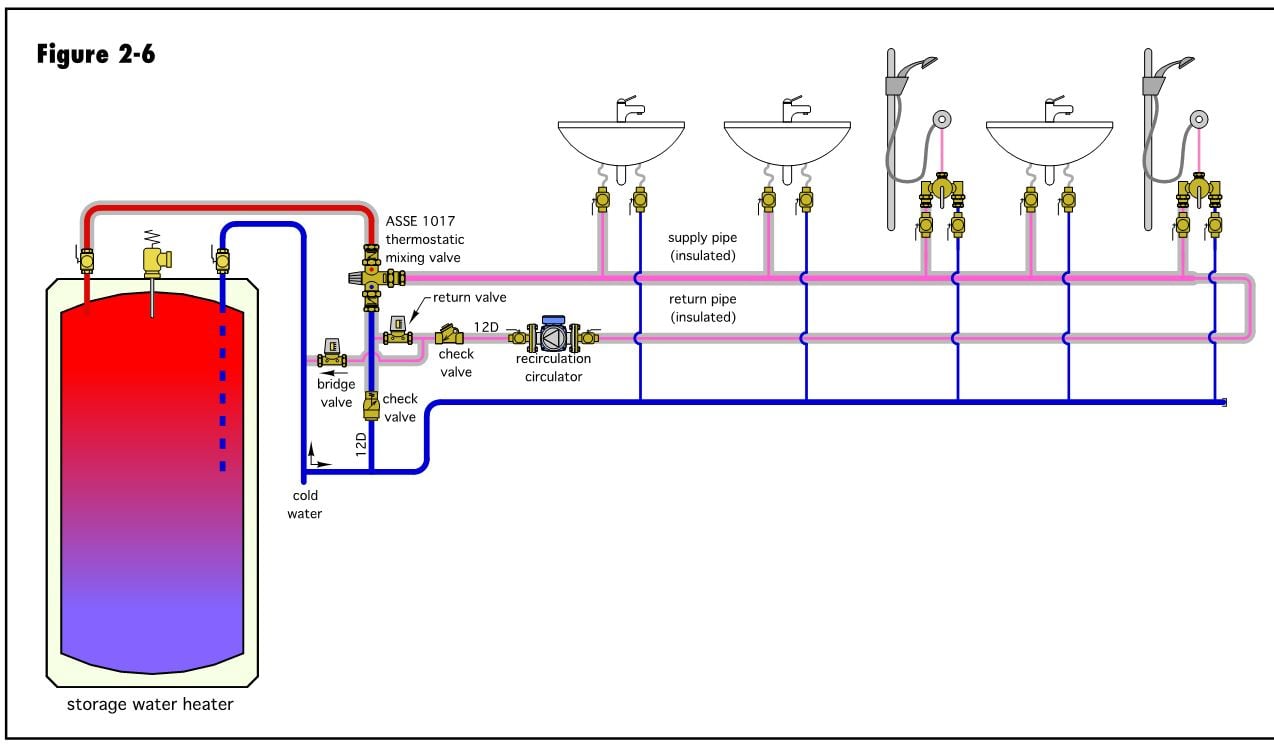
Many faucets and showers have mixer valves that blend hot and cold water. A malfunctioning mixer valve can allow cold water to bleed into the hot water line, even when you're only calling for hot water.
To test for a faulty mixer valve:
- Turn off the cold water supply to the fixture in question (usually located under the sink or behind the shower wall).
- Turn on the hot water tap. If you still get cold water, the mixer valve is likely the culprit.
Replacing a mixer valve can be a DIY project, but it requires some plumbing knowledge. If you're not comfortable, call a plumber.
2. Dip Tubes (Older Water Heaters)
In older water heaters (typically those over 10 years old), the dip tube can degrade or break. The dip tube is a pipe inside the water heater that directs incoming cold water to the bottom of the tank, preventing it from mixing with the heated water at the top. If the dip tube is damaged, cold water can mix with the hot water at the top of the tank, resulting in lukewarm or cold water coming out of your hot water taps.
Diagnosing a broken dip tube:
- This is more difficult to diagnose without physically inspecting the dip tube. If you've ruled out other causes and your water heater is old, a broken dip tube is a likely suspect.
- You might notice sediment in your hot water, or reduced hot water capacity.
Replacing a dip tube requires draining the water heater and removing the old dip tube. This is generally a job for a professional.
Step 4: Checking for Cross-Connections
A cross-connection is when cold water is inadvertently flowing into the hot water line, or vice versa. This can happen due to faulty plumbing fixtures or improper connections.
1. Toilets
A toilet fill valve that's constantly running can sometimes create a cross-connection, especially if the plumbing is old or improperly installed. Try shutting off the water supply to each toilet in your house, one at a time, and see if the hot water temperature improves.
2. Outdoor Faucets (Hose Bibs)
Hose bibs that are not properly insulated or have faulty backflow preventers can also cause cross-connections, particularly during freezing weather. Disconnect any hoses attached to outdoor faucets and ensure the faucets are properly insulated.
3. Shower Valves
As mentioned earlier, a faulty shower valve can allow cold water to seep into the hot water line. Try turning off the cold water supply to your shower and see if the hot water temperature improves at other fixtures.
Identifying and fixing cross-connections can be tricky. If you suspect a cross-connection and can't pinpoint the source, it's best to call a plumber.
Step 5: Flushing the Water Heater
Sediment buildup in your water heater can reduce its efficiency and hot water capacity, leading to cooler water. Flushing the water heater removes this sediment.
To flush your water heater:
- Turn off the power or gas supply to the water heater.
- Turn off the cold water supply to the water heater.
- Attach a garden hose to the drain valve at the bottom of the water heater.
- Run the hose to a safe outdoor location or drain.
- Open the drain valve and let the water drain out completely.
- Periodically open and close the cold water inlet valve to stir up sediment.
- Once the water runs clear, close the drain valve and remove the hose.
- Turn the cold water supply back on and let the tank fill completely.
- Turn the power or gas supply back on.
Be careful when working with hot water. Allow the water heater to cool down before flushing it.
Step 6: Checking for Leaks
A leak in your hot water line can cause a drop in water pressure and temperature. Check for any signs of leaks around your water heater, pipes, and fixtures.
Look for:
- Water stains on walls or ceilings.
- Dampness or puddles around pipes.
- The sound of running water when no fixtures are in use.
Even small leaks can waste a significant amount of water and energy. Repair any leaks promptly.
When to Call a Professional
While many of these troubleshooting steps can be performed by homeowners, some situations require the expertise of a licensed plumber.
Call a plumber if:
- You're not comfortable working with electricity or gas.
- You suspect a gas leak.
- You can't identify the source of the problem.
- You need to repair or replace complex plumbing components, such as mixer valves or dip tubes.
- You suspect a cross-connection that you can't resolve.
- You have an old or corroded water heater that needs to be replaced.
- The problem persists after trying all the DIY solutions.
Don't hesitate to call a professional if you're unsure about anything. It's better to be safe than sorry!
Preventative Measures
Taking preventative measures can help avoid future problems with your hot water system.
- Insulate hot water pipes: This will help prevent heat loss and keep your water warmer for longer.
- Flush your water heater annually: This will remove sediment buildup and improve its efficiency.
- Check your water heater's anode rod: The anode rod protects your water heater from corrosion. Replace it every few years.
- Install a water softener: If you have hard water, a water softener can help prevent sediment buildup in your water heater and pipes.
By following these steps, you can effectively troubleshoot and potentially fix cold water issues in your hot water line. Remember to prioritize safety and call a professional when necessary. Good luck!