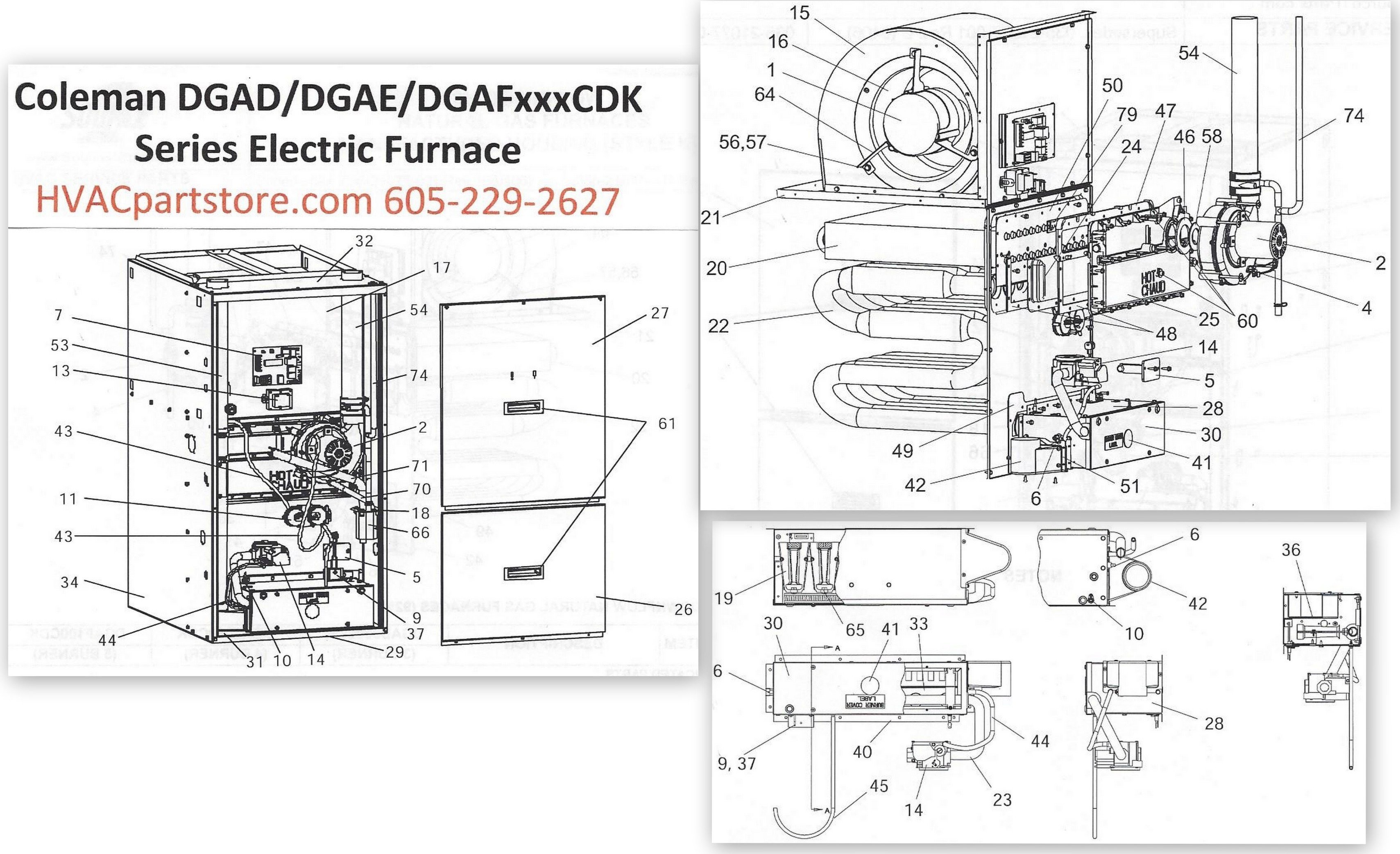
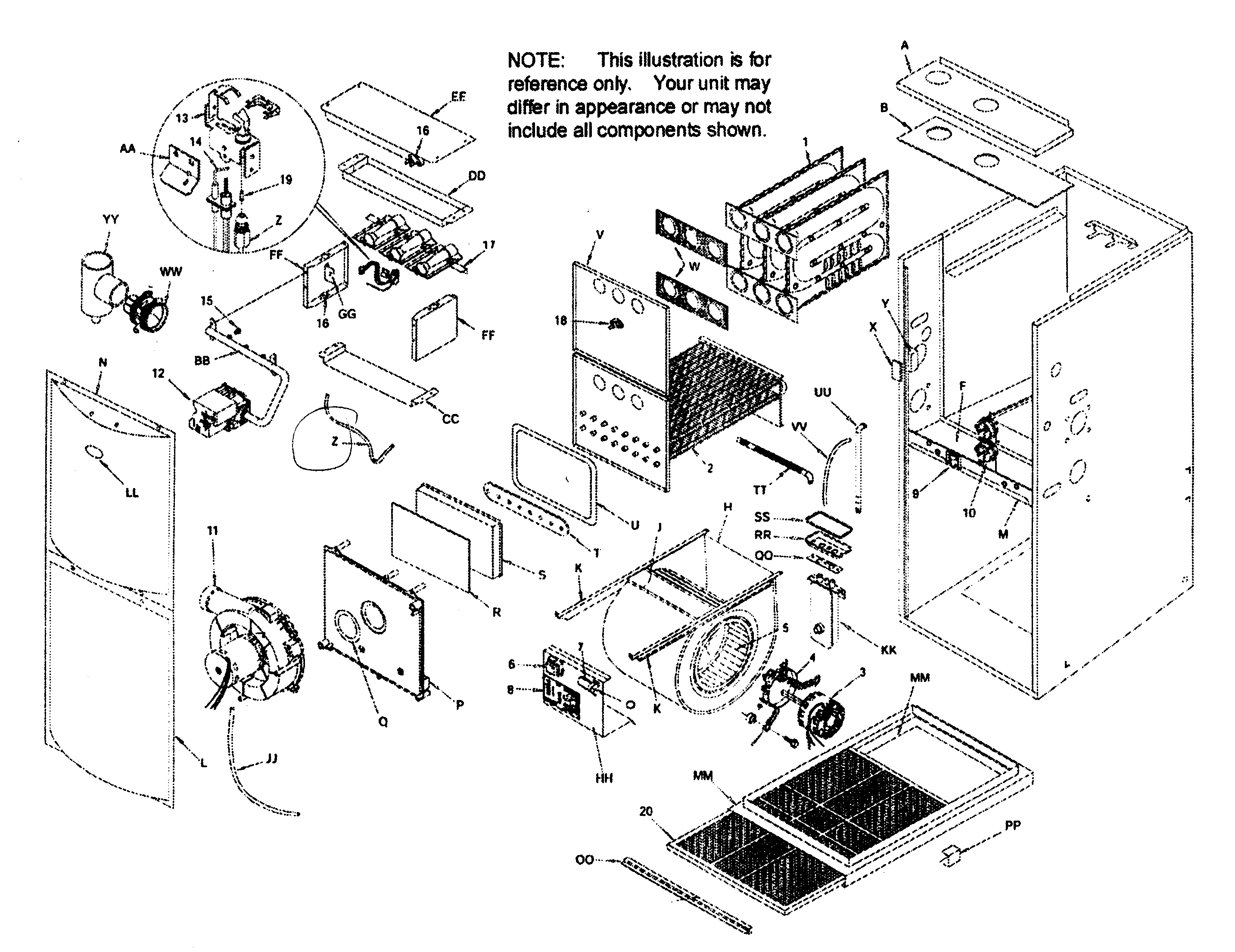
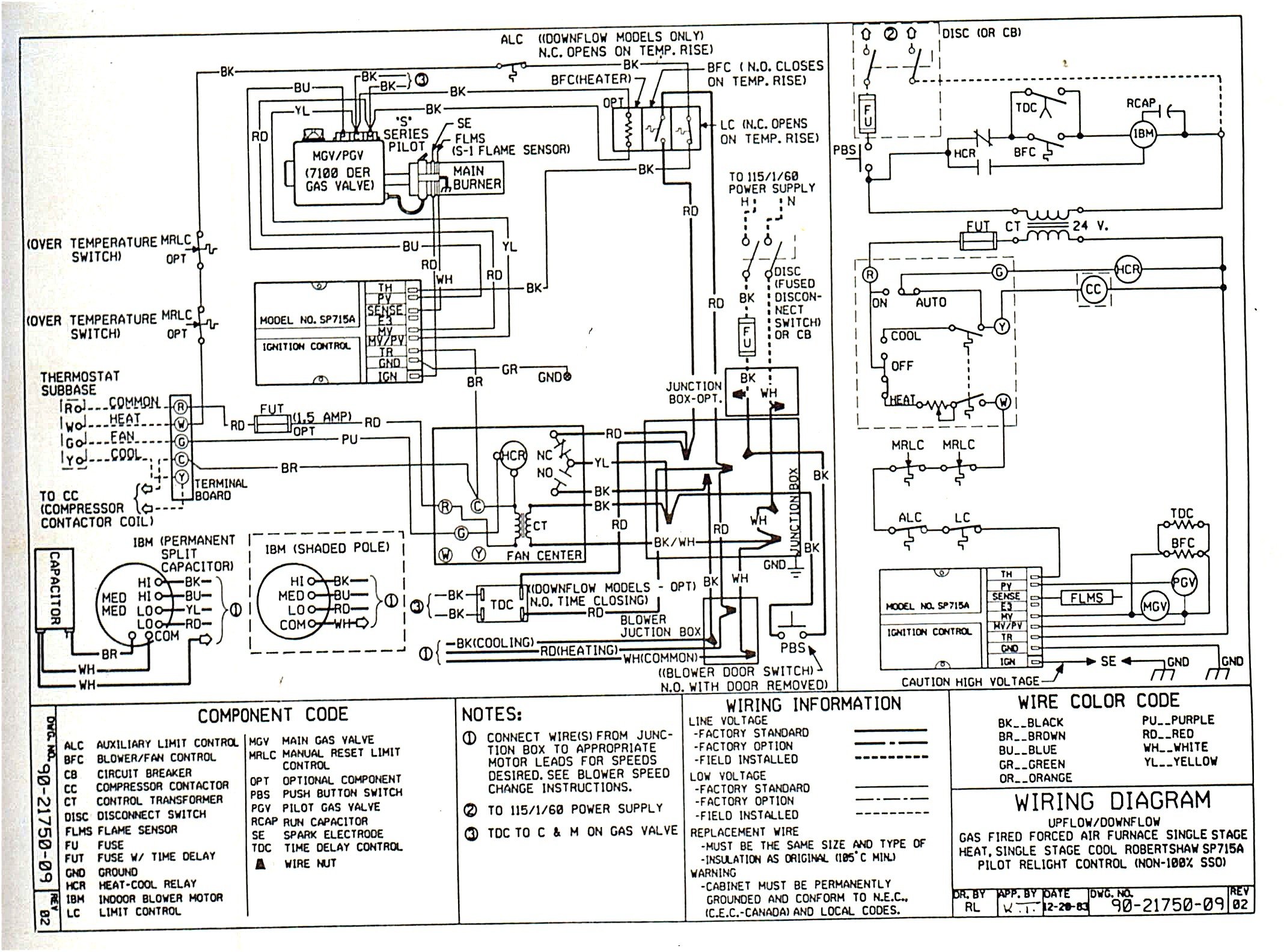
Coleman Evcon Furnace Parts Diagram
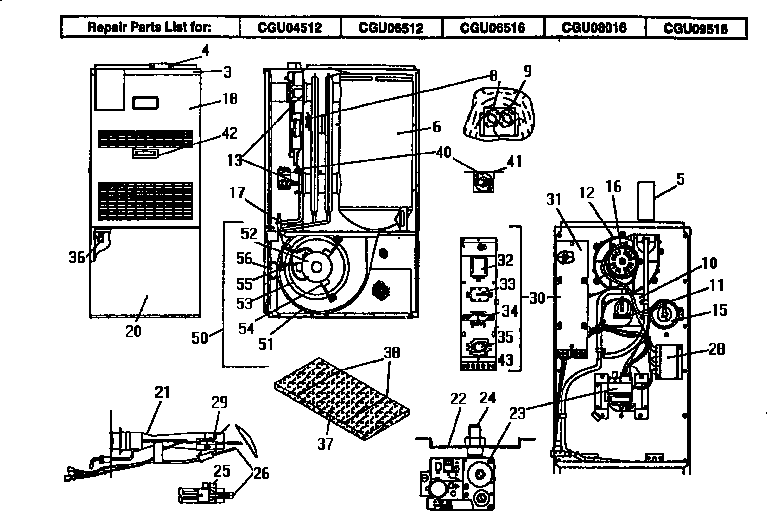
A Coleman Evcon furnace is a reliable heating system found in many homes, especially manufactured homes. Understanding its components and how they work is crucial for troubleshooting minor issues and ensuring its longevity. This guide provides a comprehensive overview of Coleman Evcon furnace parts, diagrams, common problems, and when it’s best to call a professional.
Understanding Your Coleman Evcon Furnace: The Importance of a Parts Diagram
Before diving into repairs, it's essential to have a clear picture of your furnace's anatomy. A Coleman Evcon furnace parts diagram is your roadmap. It identifies each component, its location, and its relationship to other parts. These diagrams can typically be found online (often as PDFs), in your furnace's manual, or sometimes even inside the furnace cabinet itself. Searching for "[Your Coleman Evcon Furnace Model Number] Parts Diagram" is a good starting point.
Having a diagram will allow you to:
- Accurately identify parts when ordering replacements.
- Understand the sequence of operations within the furnace.
- Locate specific components for testing and troubleshooting.
- Visualize how different parts interact, aiding in problem diagnosis.
Key Components: A Coleman Evcon Furnace Parts Breakdown
While specific parts may vary slightly depending on your model, most Coleman Evcon furnaces share common components:
Essential Parts
- Gas Valve: Controls the flow of gas to the burners.
- Burners: Where the gas mixes with air and combustion occurs.
- Flame Sensor: Detects the presence of a flame; shuts off the gas valve if no flame is detected (for safety).
- Igniter (Hot Surface Igniter or Spark Igniter): Provides the initial spark or heat to ignite the gas.
- Heat Exchanger: Heats the air that is circulated throughout your home. This is a critical component, and any cracks can be extremely dangerous.
- Blower Motor: Circulates heated air throughout the ductwork.
- Blower Wheel: Attached to the blower motor, this fan moves the air.
- Draft Inducer Motor: Helps to exhaust combustion gases safely out of the furnace.
- Pressure Switch: Monitors the draft and ensures the venting system is working correctly before allowing the furnace to operate.
- Control Board (Circuit Board): The "brain" of the furnace; controls all the components and monitors safety sensors.
- Transformer: Steps down the voltage from your home's electrical supply to the voltage required by the furnace's control circuits (typically 24V).
- Thermostat: Controls the furnace based on the desired temperature setting.
- Limit Switch: A safety device that shuts down the furnace if it overheats.
- Flame Roll-Out Switch: Another safety device that shuts down the furnace if flames roll out of the burner compartment.
Other Important Components
- Filter: Cleans the air entering the furnace, protecting the components and improving air quality.
- Gas Manifold: Distributes gas evenly to the burners.
- Vent Pipe (Flue Pipe): Carries combustion gases out of the home.
- Condensate Drain (for high-efficiency furnaces): Drains away water produced during the combustion process.
- Blower Housing: Encloses the blower motor and wheel.
Troubleshooting Common Coleman Evcon Furnace Problems
Here are some common issues you might encounter with your Coleman Evcon furnace, along with potential solutions and when to seek professional help:
Furnace Won't Turn On
- Possible Causes: No power, tripped breaker, faulty thermostat, malfunctioning control board, or safety switch tripped (limit switch, flame roll-out switch, pressure switch).
- DIY Checks: Check the breaker, thermostat settings, and replace the air filter. Ensure the furnace power switch is on.
- When to Call a Pro: If you've checked the basics and the furnace still won't start, the problem could be a faulty control board or a tripped safety switch that needs diagnosis.
Furnace Turns On But Doesn't Produce Heat
- Possible Causes: Faulty igniter, flame sensor, gas valve, or gas supply issue.
- DIY Checks: Ensure the gas supply is on to the house and the furnace. Try cleaning the flame sensor (carefully).
- When to Call a Pro: Dealing with gas is inherently dangerous. If you suspect a gas valve or igniter issue, contact a qualified HVAC technician immediately. Never attempt to repair gas lines yourself.
Furnace Cycles On and Off Rapidly (Short Cycling)
- Possible Causes: Dirty filter, blocked vents, oversized furnace, or a faulty limit switch.
- DIY Checks: Replace the air filter, ensure vents are open and unobstructed.
- When to Call a Pro: If the problem persists after cleaning and checking vents, the furnace might be oversized or have a more serious issue with its control system. A technician can diagnose and recommend appropriate solutions.
Furnace is Noisy
- Possible Causes: Loose blower wheel, worn blower motor bearings, ductwork issues, or gas valve problems.
- DIY Checks: Tighten any loose screws around the blower motor housing. Ensure nothing is obstructing the blower wheel.
- When to Call a Pro: Strange noises, especially grinding or squealing, often indicate a failing blower motor or other mechanical issue requiring professional attention.
Unusual Odors
- Possible Causes: Burning dust (common when first starting the furnace for the season), gas leak, or electrical burning smell.
- DIY Checks: None, except for changing the air filter.
- When to Call a Pro: Any suspicion of a gas leak is an emergency. Evacuate the premises and call your gas company immediately. Burning electrical smells are also a serious hazard and require immediate professional attention.
Essential Tools for DIY Furnace Maintenance
Having the right tools makes basic maintenance and troubleshooting much easier:
- Screwdrivers (Phillips and flathead): For removing and tightening screws.
- Nut drivers: For working with hex-head screws and bolts.
- Multimeter: For testing electrical components.
- Voltage Tester: To ensure circuits are de-energized before working on them.
- Wrench set: For tightening gas line fittings (only for qualified professionals!).
- Vacuum cleaner with brush attachment: For cleaning dust and debris.
- Wire brush: For cleaning the flame sensor.
- Flashlight or headlamp: For visibility in tight spaces.
- Safety glasses: To protect your eyes.
- Gloves: To protect your hands.
Ordering Replacement Parts for Your Coleman Evcon Furnace
When ordering replacement parts, always use your furnace's model number to ensure compatibility. Reliable sources for Coleman Evcon furnace parts include:
- Local HVAC supply stores: Offer expert advice and often carry common parts in stock.
- Online retailers: Provide a wider selection and competitive pricing (e.g., Amazon, eBay, specialist HVAC parts websites).
- Coleman HVAC distributors: Can be found through the Coleman website.
When ordering, be prepared to provide the following information:
- Furnace model number: Usually found on a data plate inside the furnace cabinet.
- Part number (if known): Found on the part itself or in the parts diagram.
- Description of the part: Be as specific as possible.
Safety First: Essential Precautions When Working on Your Furnace
Working on a furnace can be dangerous if you're not careful. Always follow these safety precautions:
- Turn off the power: Before working on any electrical components, turn off the power to the furnace at the breaker box. Verify that the power is off using a voltage tester.
- Turn off the gas: If you suspect a gas leak or are working on gas components, turn off the gas supply to the furnace at the shut-off valve.
- Wear safety glasses and gloves: Protect your eyes and hands from injury.
- Never bypass safety devices: Limit switches, flame roll-out switches, and pressure switches are there for a reason. Never disable or bypass them.
- Ventilate the area: Ensure adequate ventilation when working on the furnace.
- If in doubt, call a professional: If you're not comfortable performing a repair, or if you suspect a serious problem, it's always best to call a qualified HVAC technician.
Estimating Repair Costs for Your Coleman Evcon Furnace
Repair costs can vary depending on the part needed, the complexity of the repair, and your location. Here are some general estimates:
- Flame sensor replacement: $75 - $150
- Igniter replacement: $100 - $250
- Gas valve replacement: $250 - $500
- Blower motor replacement: $300 - $700
- Control board replacement: $400 - $800
- Heat exchanger replacement: $1000 - $2500 (Consider furnace replacement at this point)
These are just estimates. Always get a quote from a qualified HVAC technician before proceeding with any repairs.
When to Call a Professional HVAC Technician
While some basic maintenance and troubleshooting can be done yourself, there are situations where calling a professional is essential:
- Any gas-related issues: Gas leaks, faulty gas valves, or any suspicion of gas problems.
- Complex electrical problems: Faulty control boards, wiring issues, or any electrical repairs beyond basic troubleshooting.
- Heat exchanger problems: Cracks in the heat exchanger can release carbon monoxide, a deadly gas.
- Refrigerant leaks (for heat pumps): Refrigerant is harmful to the environment and requires specialized equipment to handle.
- If you're uncomfortable or unsure: If you're not confident in your ability to perform a repair safely and correctly, it's always best to call a professional.
By understanding the components of your Coleman Evcon furnace, using a Coleman Evcon furnace parts diagram, and following these guidelines, you can keep your furnace running smoothly and safely for years to come. Remember to prioritize safety and seek professional help when needed.