Coleman Furnace Limit Switch Keeps Tripping
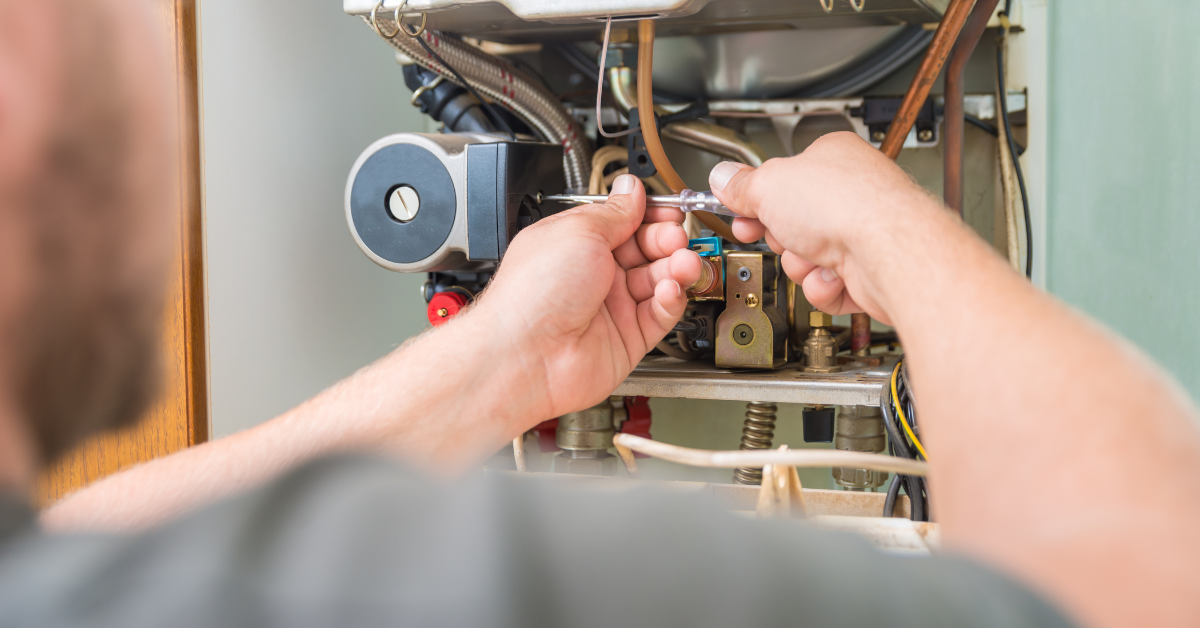
Imagine this: It's a chilly evening, and your Coleman furnace, usually a reliable source of warmth, suddenly shuts down. A common culprit behind this frustrating scenario is a repeatedly tripping limit switch. This safety device is designed to prevent your furnace from overheating, but when it malfunctions or trips frequently, it indicates an underlying problem. Don't panic! This guide will walk you through some basic troubleshooting steps you can take to diagnose and potentially resolve the issue. However, remember that working with gas appliances involves inherent risks. If you are at all uncomfortable with these steps, or if you detect a gas leak at any point, immediately contact a qualified HVAC technician.
Understanding the Limit Switch
Before diving into troubleshooting, let's understand what a limit switch is and why it's important.
- A limit switch is a safety device that monitors the temperature inside your furnace.
- It's designed to shut off the furnace if the temperature exceeds a safe level.
- This prevents overheating, which can damage components and even pose a fire hazard.
- A limit switch tripping repeatedly is a sign that something is causing your furnace to run too hot.
Safety First!
Safety is paramount when working with any appliance, especially one involving gas and electricity. Before you begin, take these precautions:
- Turn off the power to your furnace at the circuit breaker. This is crucial!
- Allow the furnace to cool down completely before touching any components.
- If you smell gas at any time, immediately evacuate the area and call your gas company or a qualified HVAC technician.
- Wear appropriate safety gear, such as gloves and eye protection.
Troubleshooting Steps
Now, let's proceed with the troubleshooting steps. Follow these in order, as they progress from simple checks to more involved procedures.
1. Check the Air Filter
A dirty air filter is the most common cause of a limit switch tripping. When the filter is clogged, it restricts airflow, causing the furnace to overheat.
- Locate the air filter compartment on your furnace. It's usually located on the side or bottom of the unit.
- Remove the filter and inspect it. If it's visibly dirty, replace it with a new one of the correct size.
- Use a high-quality filter that matches the manufacturer's specifications.
- After replacing the filter, turn the power back on to the furnace and see if the problem is resolved.
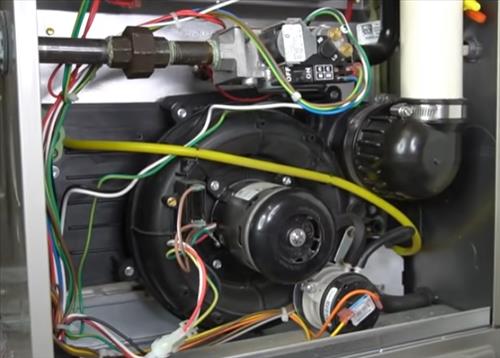
2. Inspect the Blower Motor and Fan
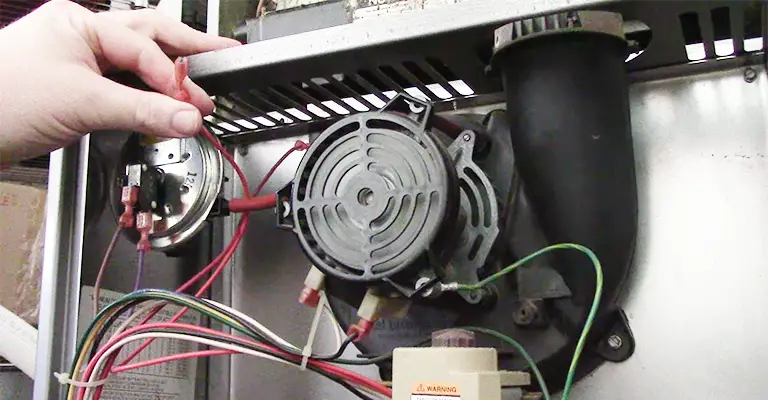
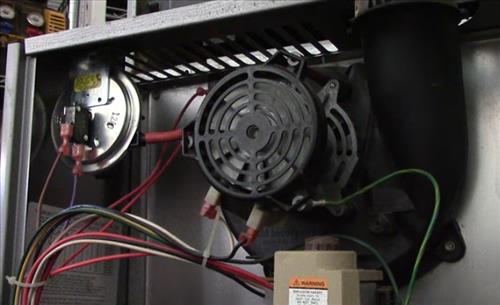
The blower motor circulates air through the furnace and into your home. If the motor is malfunctioning or the fan blades are obstructed, it can lead to overheating.
- Ensure the power is off!
- Locate the blower motor compartment. This is usually a larger compartment near the bottom of the furnace.
- Inspect the blower fan blades for any obstructions, such as debris or dust buildup. Clean the blades carefully with a brush or vacuum cleaner.
- Check the blower motor for signs of damage, such as burnt wires or a seized motor shaft. If you suspect motor damage, contact a professional for repair or replacement.
- Look for the blower motor capacitor (usually a cylindrical component attached to the motor). If it looks swollen or damaged, it likely needs replacement. Replacing a capacitor can be dangerous due to residual electrical charge, so it is best left to a professional. However, if you are comfortable and knowledgeable, ensure the power is off, discharge the capacitor (using a resistor), and replace it with an identical one.
3. Examine the Vents and Registers
Blocked or closed vents and registers can also restrict airflow and cause the furnace to overheat.
- Walk through your home and check all the vents and registers.
- Ensure that they are open and unobstructed by furniture, rugs, or other items.
- Make sure no vents are blocked by closed doors.
- If you find any blocked vents, clear the obstruction and test the furnace again.
4. Check for Blocked Flue
The flue is a pipe that vents combustion gases from the furnace to the outside. If the flue is blocked, it can cause the furnace to overheat and shut down.
- This step is best left to professionals as it involves working with combustion gases. However, a visual inspection from the outside is generally safe.
- Check the flue pipe for any visible obstructions, such as bird nests or debris.
- If you suspect a blockage, do not attempt to clear it yourself. Contact a qualified HVAC technician to inspect and clean the flue. Carbon monoxide poisoning is a serious risk.
5. Inspect the Flame Sensor
While not directly related to the limit switch tripping, a dirty flame sensor can cause the furnace to cycle on and off, potentially putting extra stress on the limit switch.
- Ensure the power is off!
- Locate the flame sensor. It's a small metal rod located near the burner.
- Carefully remove the flame sensor.
- Clean the sensor with fine steel wool or sandpaper to remove any buildup.
- Reinstall the flame sensor and test the furnace.
6. Check the Gas Valve
The gas valve controls the flow of gas to the burners. A malfunctioning gas valve can cause the furnace to overheat. This step is best left to a qualified HVAC technician.
- Do not attempt to repair or replace the gas valve yourself unless you are a qualified HVAC technician. Working with gas involves serious safety risks.
- If you suspect a problem with the gas valve, contact a professional for diagnosis and repair.
7. Locating and Identifying the Limit Switch
Now, let's focus on the limit switch itself. You'll need to locate it and identify its type.
- Ensure the power is off!
- The limit switch is typically located near the top of the furnace, often on the blower housing or the heat exchanger.
- It's usually a small, rectangular or circular device with wires connected to it.
- There are different types of limit switches, including:
- Manual Reset Limit Switch: This type has a small button that you need to press to reset it after it trips.
- Auto Reset Limit Switch: This type automatically resets itself after the temperature cools down.
- Rollout Switch: This is a specific type of limit switch that protects against flames rolling out of the combustion chamber.
- Take note of the type of limit switch you have. This will be important if you need to replace it.
8. Testing the Limit Switch (with caution)
You can test the limit switch with a multimeter to see if it's functioning correctly. This requires basic electrical knowledge and caution. If you are not comfortable with this, skip this step and consult a professional.
- Ensure the power is off!
- Set your multimeter to the continuity setting (usually indicated by a sound wave symbol).
- Disconnect the wires from the limit switch.
- Place one probe of the multimeter on each terminal of the limit switch.
- If the limit switch is closed (not tripped), the multimeter should show continuity (a beep or a reading close to zero ohms).
- If the limit switch is open (tripped), the multimeter will show no continuity (no beep or a very high resistance reading).
- If the limit switch is open when the furnace is cold, it may be faulty and need replacement.
9. Resetting the Limit Switch (Manual Reset Only)
If you have a manual reset limit switch, you can try resetting it.
- Ensure the power is off!
- Locate the reset button on the limit switch. It's usually a small red or black button.
- Press the reset button firmly. You should hear a click.
- Turn the power back on to the furnace and see if it starts up.
- If the limit switch trips again shortly after resetting it, there is still an underlying problem that needs to be addressed.
10. Replacing the Limit Switch (Advanced - Requires Disconnecting Electrical and Possibly Gas Components)
If the limit switch is faulty, you may need to replace it. This is an advanced repair that should only be attempted by someone with experience working with electrical and gas appliances. If you are unsure, consult a professional.
- Ensure the power is off!
- Take a picture of the wiring connections to the limit switch before disconnecting anything. This will help you reconnect the wires correctly.
- Disconnect the wires from the limit switch.
- Remove the old limit switch from its mounting bracket.
- Install the new limit switch in the mounting bracket.
- Reconnect the wires to the new limit switch, making sure to match the wiring connections to the picture you took earlier.
- Turn the power back on to the furnace and test it.
- After replacing the limit switch, carefully monitor the furnace for proper operation. If you notice any unusual behavior, immediately turn off the furnace and contact a qualified HVAC technician.
When to Call a Professional
While this guide provides some basic troubleshooting steps, there are times when it's best to call a qualified HVAC technician.
- If you are uncomfortable working with gas or electricity.
- If you suspect a gas leak.
- If you cannot identify the cause of the limit switch tripping.
- If you have tried all the troubleshooting steps and the problem persists.
- If you suspect a problem with the gas valve, heat exchanger, or other major components.
Prevention is Key
To prevent limit switch problems in the future, follow these tips:
- Change your air filter regularly (every 1-3 months).
- Schedule regular furnace maintenance with a qualified HVAC technician.
- Keep vents and registers clear of obstructions.
- Ensure proper airflow throughout your home.
By following these troubleshooting steps and preventive measures, you can help keep your Coleman furnace running smoothly and efficiently, and hopefully avoid those chilly evenings with a suddenly silent furnace.