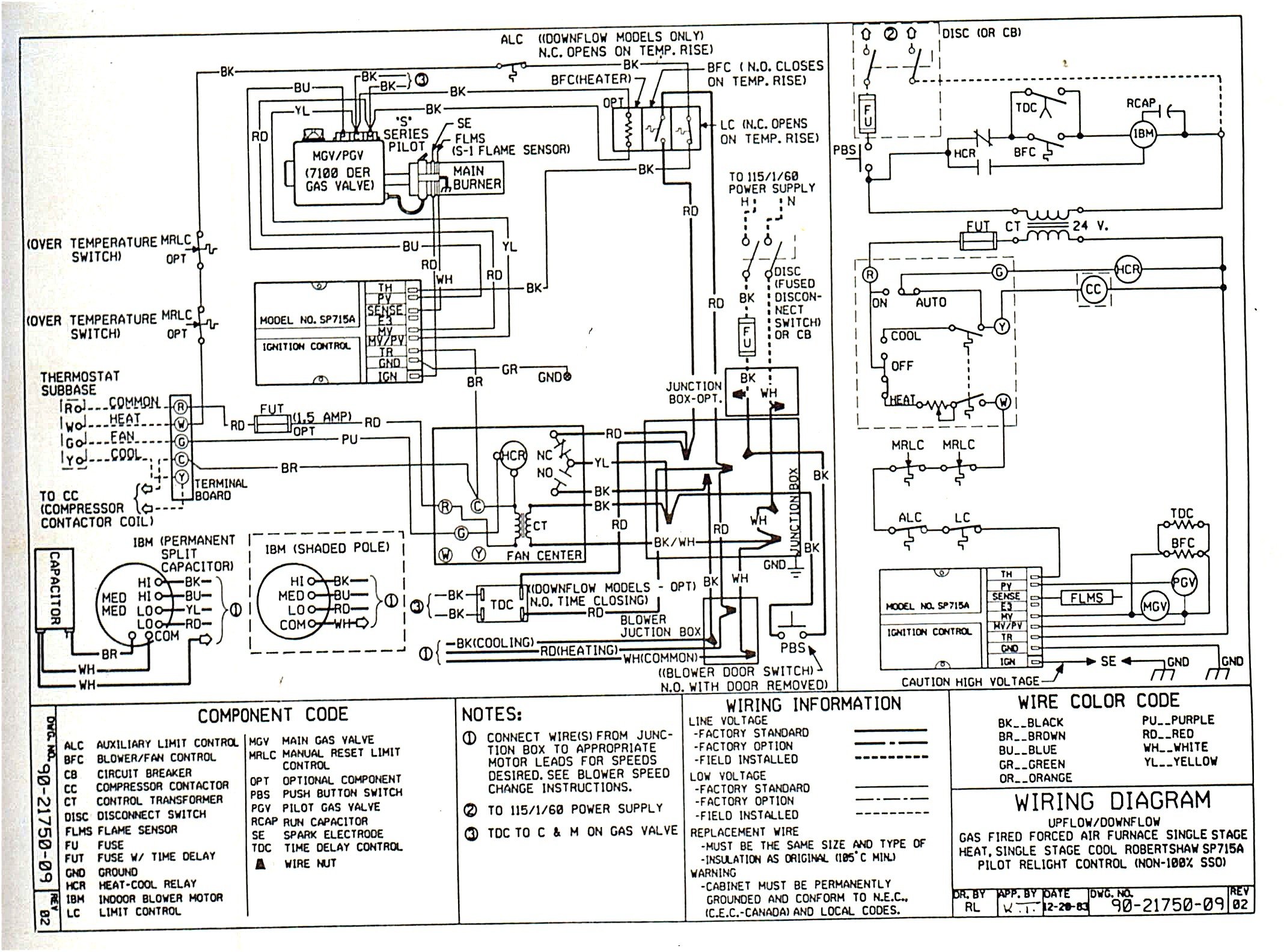
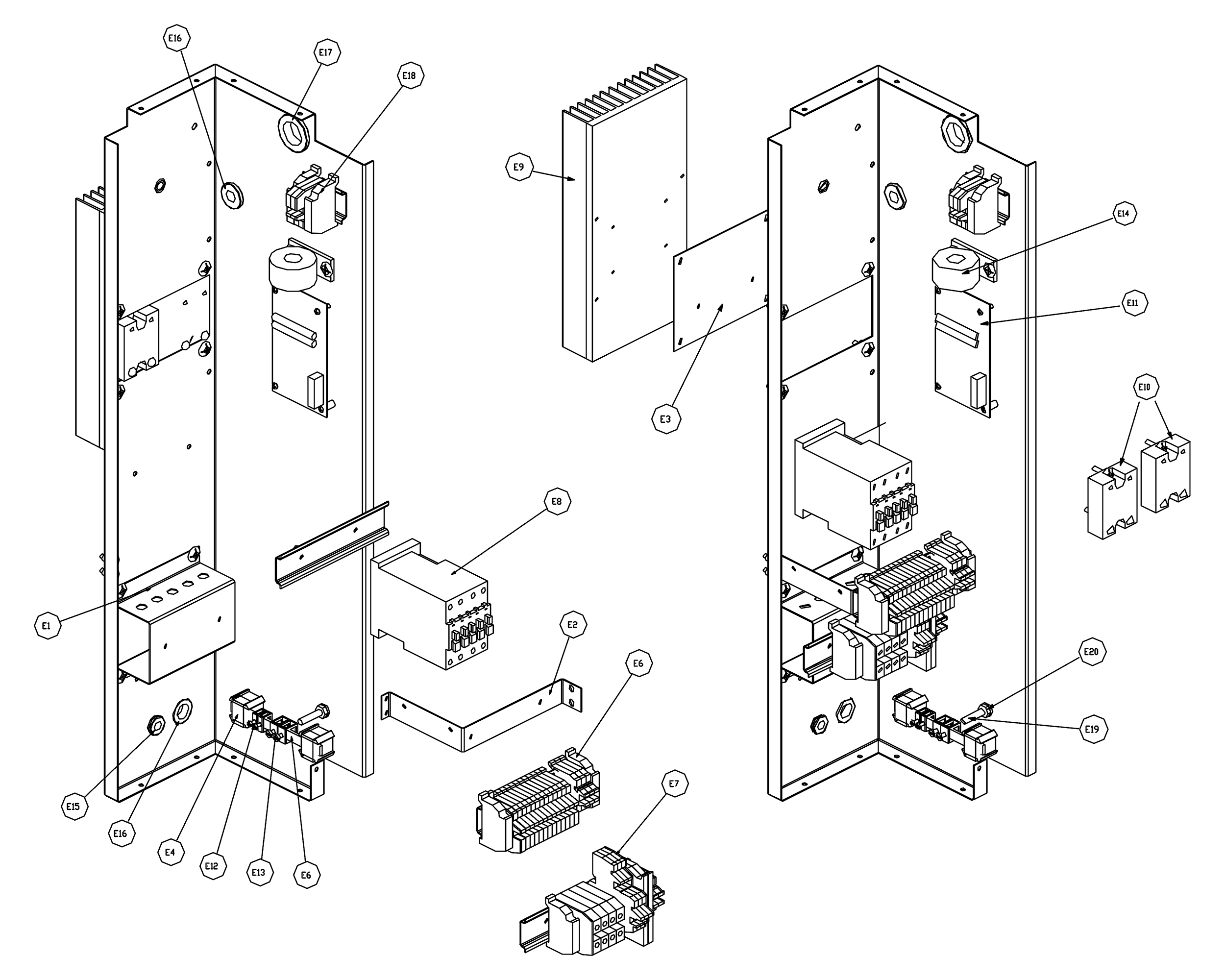
Coleman Furnace Parts Diagram
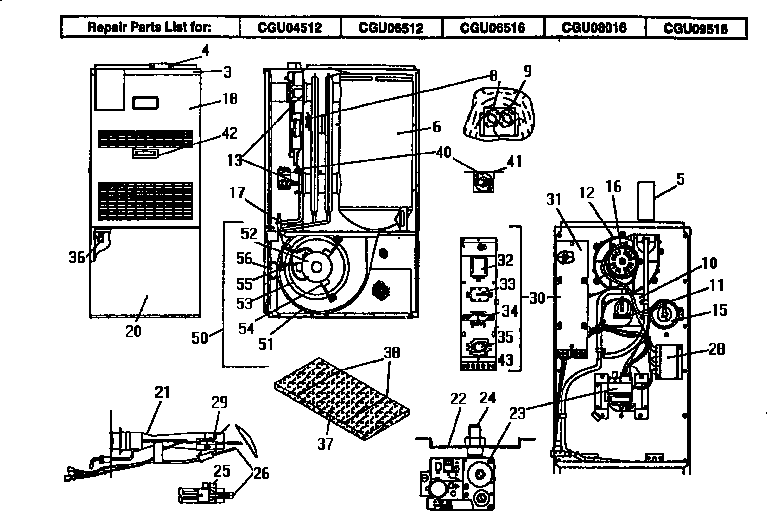
Understanding your Coleman furnace is crucial for both homeowners and HVAC professionals. A Coleman furnace parts diagram is an invaluable tool for diagnosing problems, performing maintenance, and ensuring efficient operation. This article provides a detailed overview of common Coleman furnace parts, their functions, and how to use a parts diagram to troubleshoot issues.
Coleman Furnace Components: A Detailed Overview
While specific models may vary, most Coleman furnaces share a core set of components. Here's a breakdown of the key parts:
1. Burners
The burners are where the natural gas or propane is ignited to create heat. Coleman furnaces typically use inshot burners, which are known for their efficiency and reliability. A clean, properly adjusted burner ensures complete combustion, maximizing heat output and minimizing carbon monoxide production. A common issue is a dirty burner which prevents proper ignition.
2. Heat Exchanger
The heat exchanger is a critical component responsible for transferring the heat from the burning gas to the air that circulates through your home. It's a series of metal chambers that are heated by the burners. Air from the blower passes over the exterior of the heat exchanger, absorbing the heat and distributing it through your ductwork. Cracks in the heat exchanger are a serious safety hazard, as they can allow carbon monoxide to leak into your home. Regular inspection is essential.
3. Blower Motor and Fan
The blower motor drives the fan, which circulates air through the furnace and your ductwork. There are typically two types of blower motors used in Coleman furnaces: constant speed and variable speed. Variable speed motors are more energy-efficient, as they can adjust the airflow based on heating demand. The blower motor is connected to a fan, which is a squirrel cage type fan. If a fan is improperly balanced it will cause vibration which will reduce the lifespan of the blower motor.
4. Gas Valve
The gas valve controls the flow of gas to the burners. It's an electronically controlled valve that opens and closes based on signals from the furnace's control board. A faulty gas valve can prevent the furnace from igniting or cause it to shut down prematurely. These often require a trained technician to diagnose and replace to ensure safe operation.
5. Igniter
The igniter is responsible for initiating the combustion process. Coleman furnaces commonly use hot surface igniters (HSI), which are ceramic elements that heat up to a very high temperature to ignite the gas. These are more efficient than older spark igniters. They are also quite brittle and prone to damage from impacts or excessive vibration. A visual inspection can often detect if they are damaged.
6. Flame Sensor
The flame sensor is a safety device that detects the presence of a flame. If the flame sensor doesn't detect a flame after the igniter has fired, it will shut off the gas valve to prevent a dangerous buildup of unburned gas. A common problem is a dirty flame sensor which can be cleaned with fine steel wool to improve its performance.
7. Control Board
The control board is the "brain" of the furnace. It monitors various sensors and controls the operation of all the other components. It receives signals from the thermostat, monitors safety switches, and controls the gas valve, igniter, and blower motor. A faulty control board can cause a wide range of problems, and it often requires a professional to diagnose and replace. Many common failure codes are displayed on the control board to aid in diagnostics.
8. Transformer
The transformer steps down the voltage from your home's electrical supply (typically 120V) to the lower voltage (typically 24V) required by the control board and other components. A faulty transformer can prevent the furnace from starting. Usually the transformer is equipped with a fuse which may need to be replaced. Use the correct type of fuse when replacing.
9. Thermostat
While not technically part of the furnace itself, the thermostat is essential for controlling the heating system. It senses the temperature in your home and signals the furnace to turn on or off. Thermostats come in a variety of styles, from simple mechanical models to sophisticated programmable and smart thermostats. Newer smart thermostats can be connected to your home network and controlled remotely, allowing you to adjust the temperature from your smartphone. Make sure the thermostat is compatible with your furnace. Also ensure that the batteries are functional.
10. Safety Switches
Coleman furnaces are equipped with several safety switches to prevent overheating and other hazards. These include limit switches, which shut off the furnace if it gets too hot, and rollout switches, which shut off the furnace if the flames roll out of the burner compartment. These switches are usually manual reset types, requiring a technician to manually reset them after the fault has been corrected.
11. Filter
The air filter removes dust, pollen, and other particles from the air before it enters the furnace. A clogged air filter can restrict airflow, reducing the furnace's efficiency and potentially causing it to overheat. Regularly replacing the air filter is one of the simplest and most important maintenance tasks you can perform. There are different types of filters with varying MERV ratings. Higher MERV ratings filter smaller particles but also restrict airflow more. Choose a filter appropriate for your system and your needs.
Using a Coleman Furnace Parts Diagram for Troubleshooting
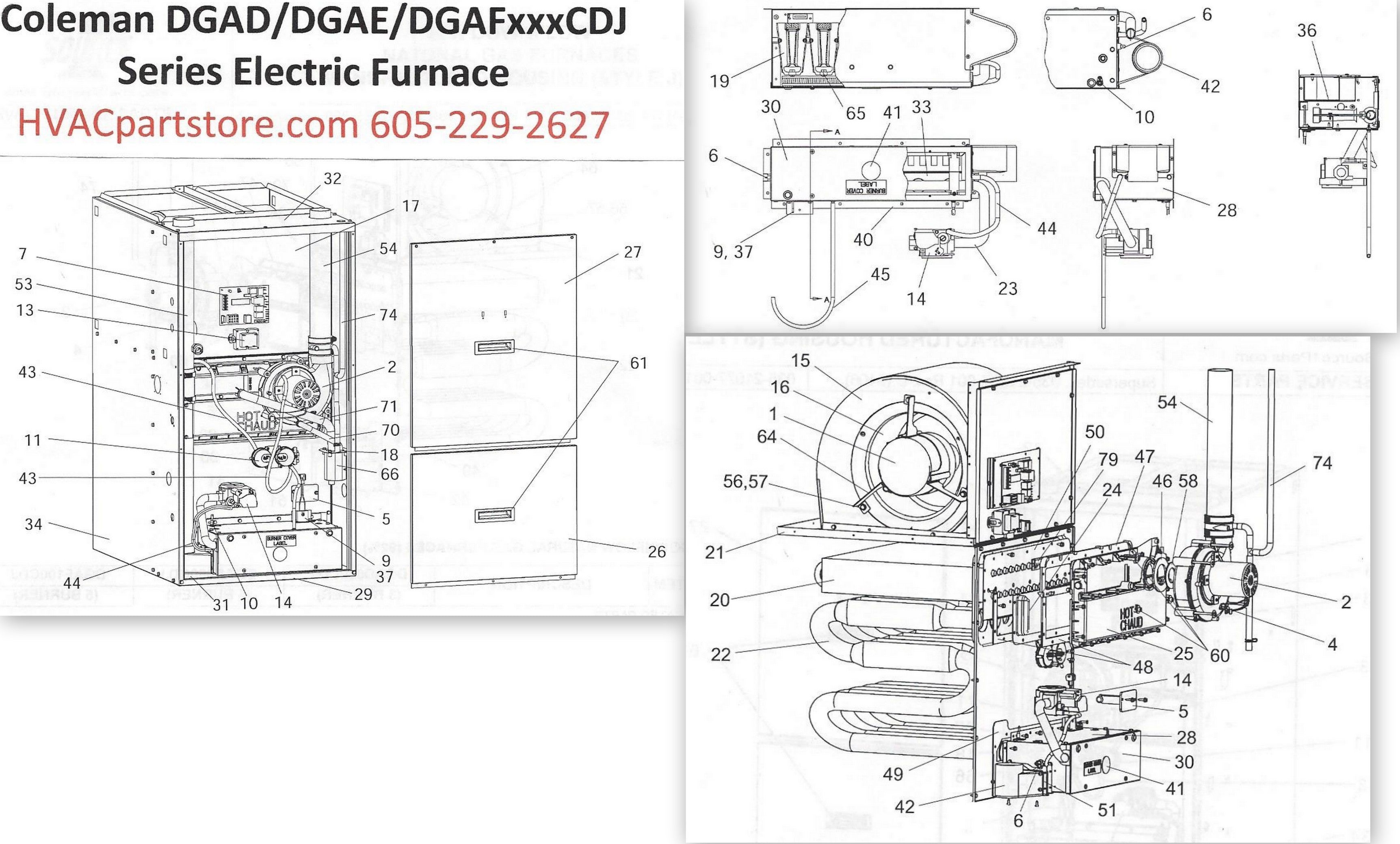
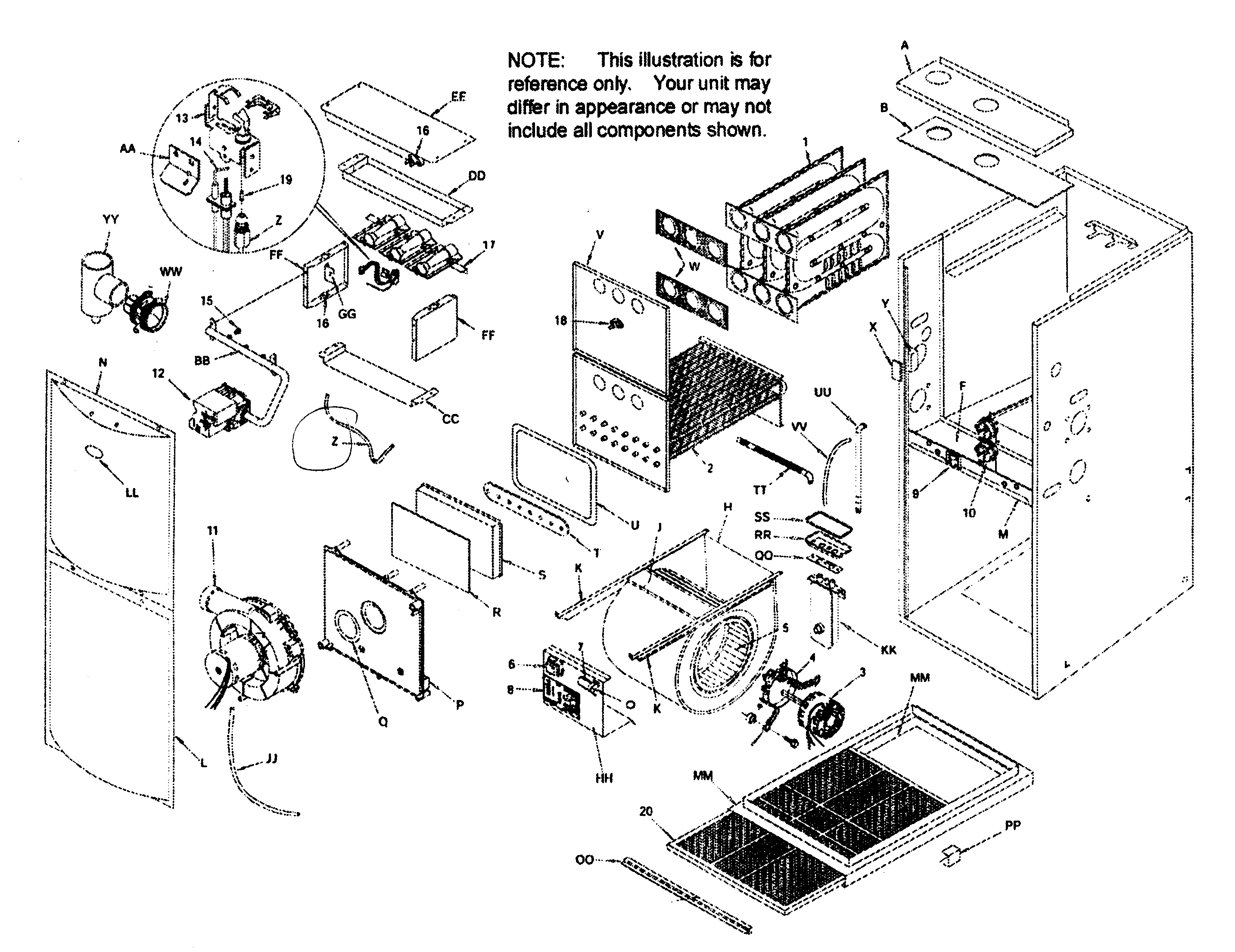
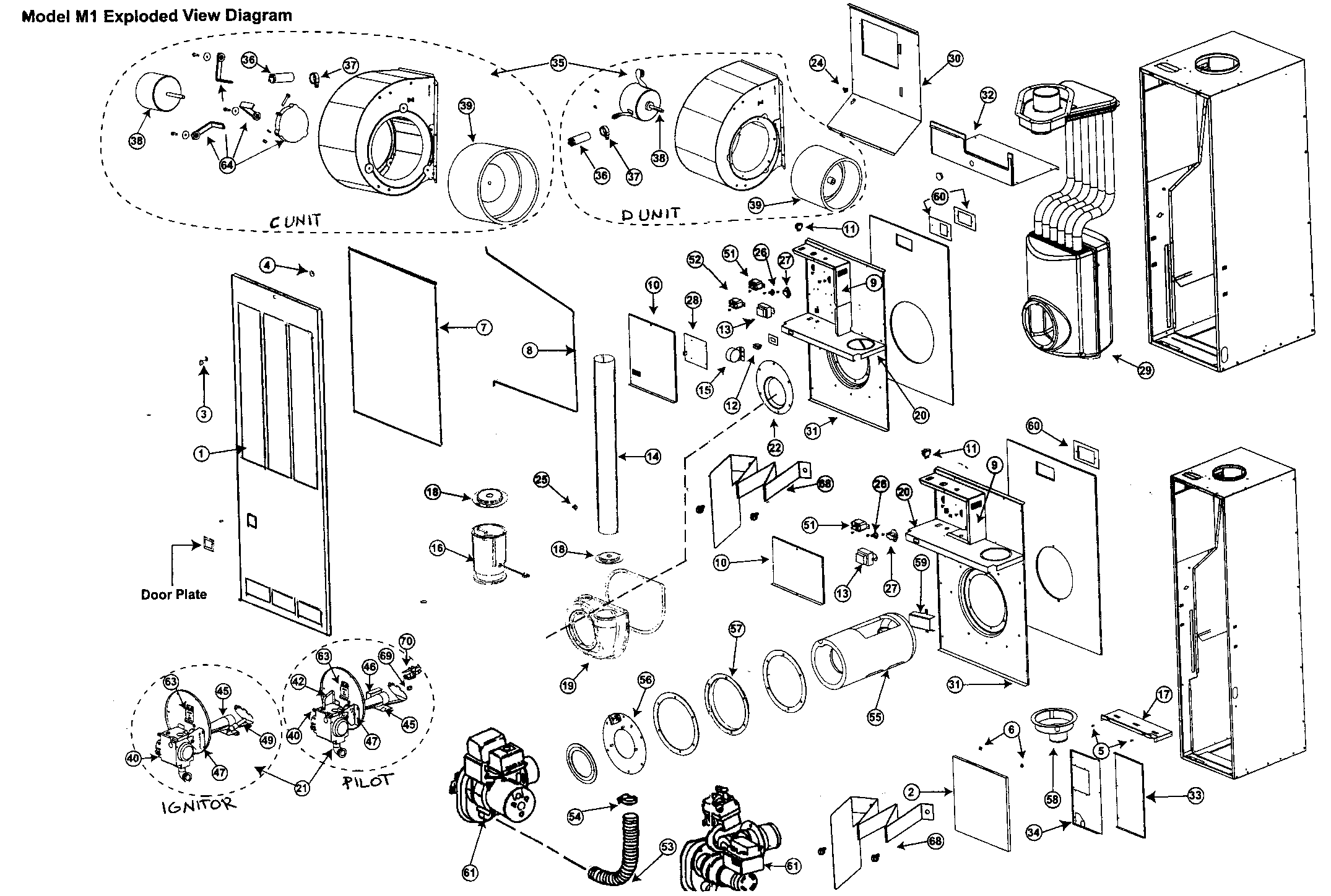
A Coleman furnace parts diagram is an exploded view of the furnace, showing all the individual components and how they fit together. It's typically included in the furnace's installation and service manual. Here's how to use it for troubleshooting:
- Identify the Problem: Start by observing the symptoms. Is the furnace not turning on? Is it making unusual noises? Is it cycling on and off frequently?
- Consult the Diagram: Locate the parts diagram for your specific Coleman furnace model. This can often be found online through the manufacturer's website or HVAC parts suppliers.
- Locate the Suspect Component: Based on the symptoms, identify the components that are most likely to be the cause of the problem. For example, if the furnace is not igniting, the igniter, gas valve, or flame sensor could be the culprit.
- Inspect the Component: Use the parts diagram to locate the component in the furnace. Visually inspect it for any signs of damage, such as cracks, burns, or loose connections.
- Test the Component (if applicable): Some components, such as the igniter and flame sensor, can be tested with a multimeter to determine if they are functioning properly. Always follow proper safety precautions when working with electrical components.
- Replace the Component (if necessary): If the component is damaged or not functioning properly, replace it with a new one. Be sure to use the correct replacement part for your specific Coleman furnace model.
Maintenance and Longevity
Regular maintenance is key to extending the lifespan of your Coleman furnace. Here are some tips:
- Change the Air Filter Regularly: Replace the air filter every 1-3 months, depending on the type of filter and the amount of dust and debris in your home.
- Schedule Annual Inspections: Have a qualified HVAC technician inspect your furnace annually to clean the burners, check the heat exchanger, and ensure that all components are functioning properly.
- Keep the Area Around the Furnace Clear: Ensure that there is plenty of space around the furnace for proper airflow. Do not store flammable materials near the furnace.
- Monitor for Unusual Noises or Smells: Pay attention to any unusual noises or smells coming from the furnace. These could be signs of a problem that needs to be addressed.
Cost, Efficiency, and Lifespan
The cost of a Coleman furnace can vary depending on the model, size, and features. Generally, expect to pay between $2,000 and $6,000 for a new furnace, including installation. The efficiency of a furnace is measured by its Annual Fuel Utilization Efficiency (AFUE) rating. Higher AFUE ratings indicate greater efficiency. Coleman furnaces typically have AFUE ratings ranging from 80% to 98%. A furnace with an AFUE of 98% will waste only 2% of the fuel it consumes. The lifespan of a well-maintained Coleman furnace is typically 15-20 years. Investing in regular maintenance can help extend the lifespan of your furnace and save you money on energy bills.
For homeowners, understanding the basics of your Coleman furnace and how to use a parts diagram can empower you to perform basic maintenance and identify potential problems early on. For HVAC technicians and facility managers, a thorough understanding of Coleman furnace components and troubleshooting techniques is essential for providing efficient and effective service.
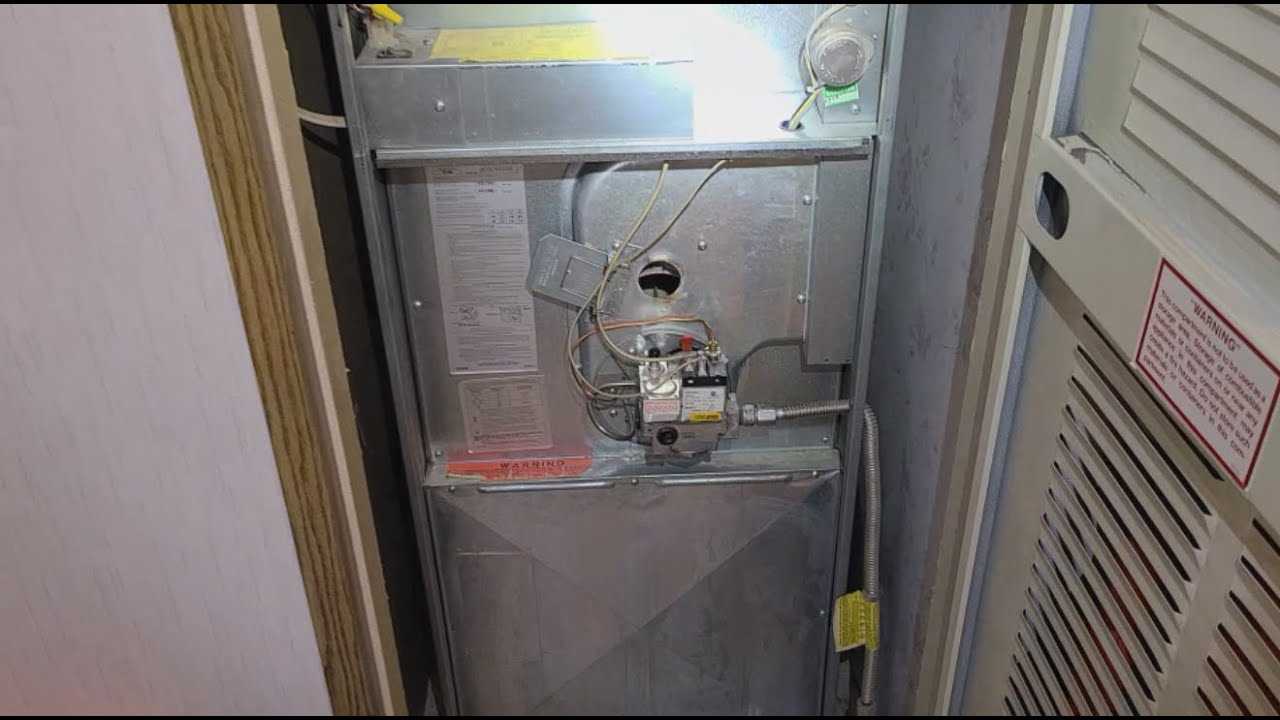
Understanding the layout of your Coleman Furnace will help assist in proper maintenance and repairs.