Coleman Heat Pump Model Numbers

Understanding the model number on your Coleman heat pump is crucial for everything from ordering replacement parts to accurately assessing its performance and efficiency. This guide will break down the anatomy of a Coleman heat pump model number, helping homeowners, HVAC technicians, and facility managers alike decipher this vital piece of information.
Decoding the Coleman Heat Pump Model Number: A Comprehensive Guide
Coleman, a brand under the Johnson Controls umbrella, produces a wide range of heat pumps designed for residential and commercial applications. Their model numbers contain a wealth of information, including the unit's series, efficiency rating, refrigerant type, and size. While the exact format may vary slightly depending on the specific series and year of manufacture, the fundamental principles remain consistent. Here’s a breakdown of the key components:
Typical Coleman Heat Pump Model Number Structure
Let's use a hypothetical model number as an example: CHX1636A4. We’ll dissect this segment by segment.
- First Two or Three Letters: Unit Type and Series
The initial letters generally indicate the type of unit and the series it belongs to. Common prefixes include:
- CH: Often signifies a standard residential heat pump.
- CP: Could indicate a packaged heat pump system.
- CX: Might represent a higher-efficiency or premium model.
- TH: Could refer to a thermostat model, not a heat pump itself. (Important to verify!)
In our example, "CHX" likely represents a residential heat pump, potentially from a specific "X" series known for enhanced features or performance.
- Next Two Digits: Efficiency Rating (SEER) Approximation
These digits often provide an approximation of the unit's Seasonal Energy Efficiency Ratio (SEER) rating. SEER measures cooling efficiency. A higher SEER rating means greater energy savings during cooling operation.
In our example, "16" suggests a SEER rating around 16. However, this is often *nominal* SEER. Always consult the unit's official AHRI (Air Conditioning, Heating, and Refrigeration Institute) certificate for the precise, certified SEER rating. AHRI ratings provide standardized performance data and allow for accurate comparisons between different models and brands.
Note: Minimum SEER requirements vary by region in the United States. It’s important to know your local regulations.
- Following Two Digits: Cooling Capacity (BTUs/hour)
These digits, often divisible by 12, are related to the unit's cooling capacity in British Thermal Units per hour (BTUs/hr). This indicates how much heat the unit can remove from a space in one hour.
In our example, "36" corresponds to a 36,000 BTU/hr (3-ton) unit. To calculate the tonnage, divide the BTU/hr by 12,000. Therefore, 36,000 / 12,000 = 3 tons.
Sizing Considerations: Properly sizing a heat pump is vital. An undersized unit won't adequately heat or cool the space, while an oversized unit can lead to short cycling (frequent on/off cycles), which reduces efficiency, increases wear and tear, and can create humidity problems. Consult with a qualified HVAC technician to determine the appropriate size for your needs based on factors such as square footage, insulation levels, climate, and window efficiency.
- Letter(s) at the End: Series Variation/Features
The final letter or letters typically denote specific variations within the series, such as:
- Engineering revisions
- Voltage options
- Specific feature packages (e.g., improved sound dampening, enhanced diagnostics)
In our example, "A4" could represent the fourth revision or iteration within the "CHX1636" series, or denote a specific voltage configuration. You'll need to consult the manufacturer's product specifications or a Coleman parts catalog to determine the exact meaning of these suffix codes.
Practical Applications of Understanding Model Numbers
Knowing how to read a Coleman heat pump model number offers several benefits:
- Ordering Replacement Parts: Identifying the correct model number is essential when ordering replacement parts, ensuring compatibility and proper fit.
- Troubleshooting: Technicians can use the model number to access specific service manuals, wiring diagrams, and troubleshooting guides.
- Performance Evaluation: Comparing the model number with the unit's AHRI certificate allows you to verify its efficiency rating and heating/cooling capacity.
- Warranty Claims: The model number is required when filing warranty claims.
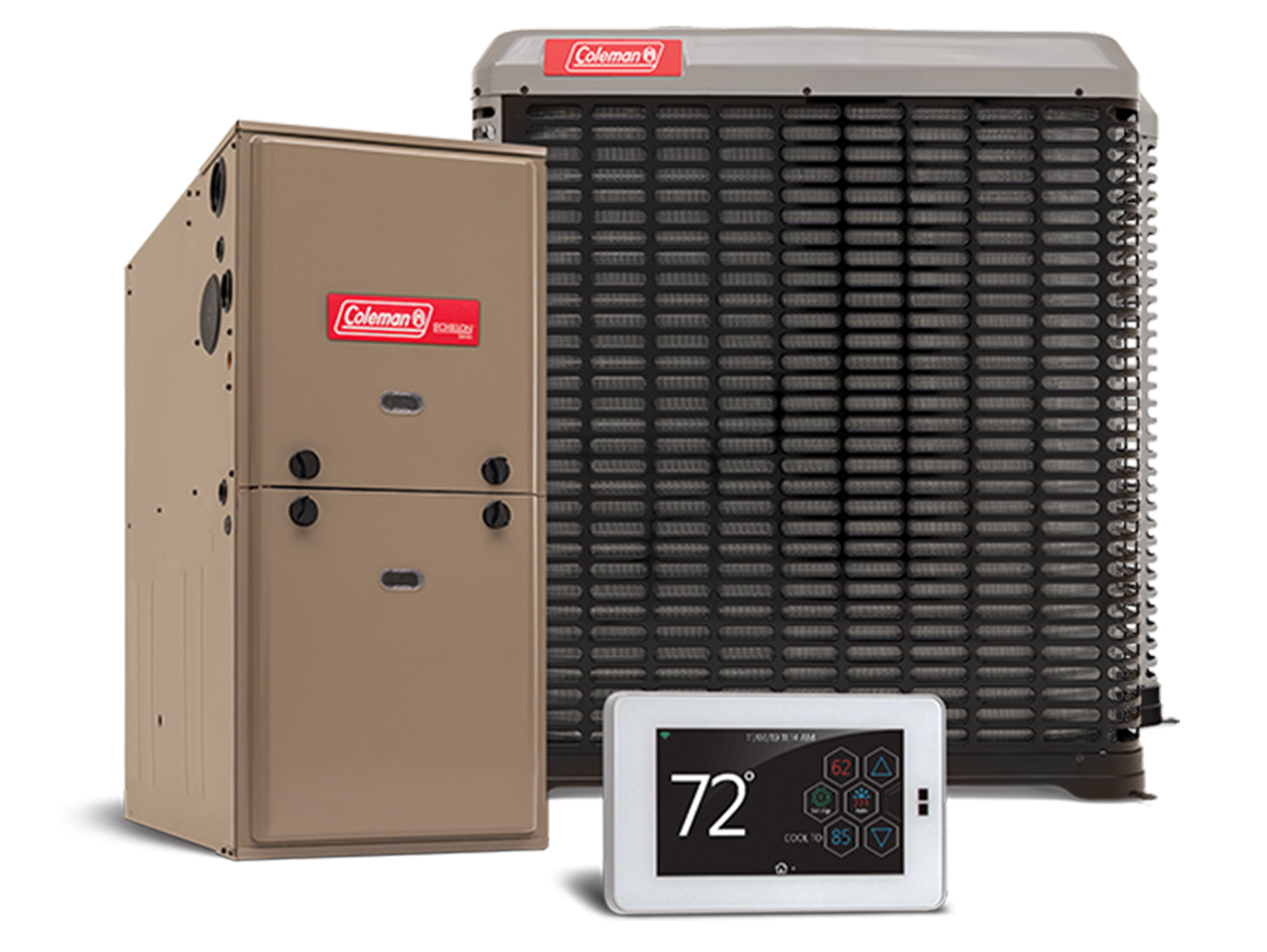
- System Upgrades: Understanding the model number of your existing unit helps determine compatibility with potential upgrades, such as smart thermostats or zoning systems.
Where to Find the Model Number
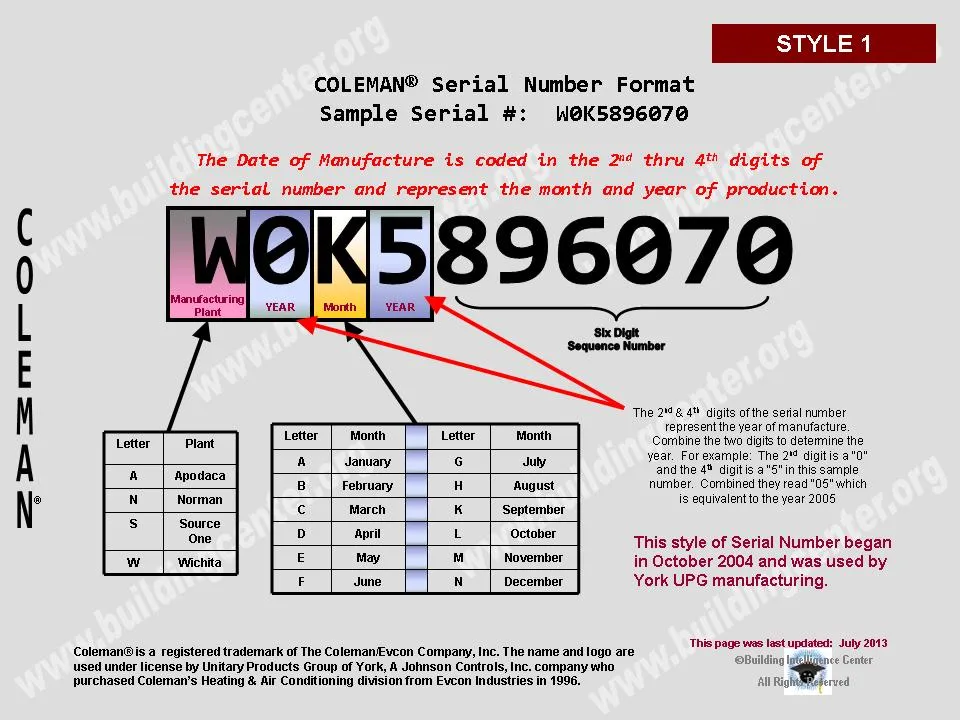
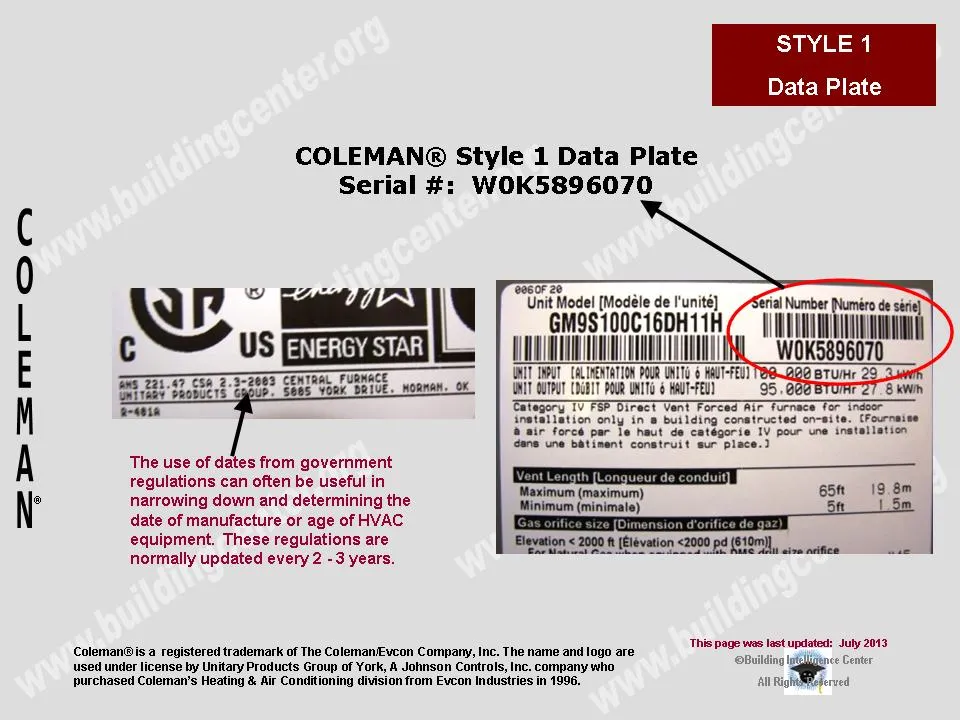
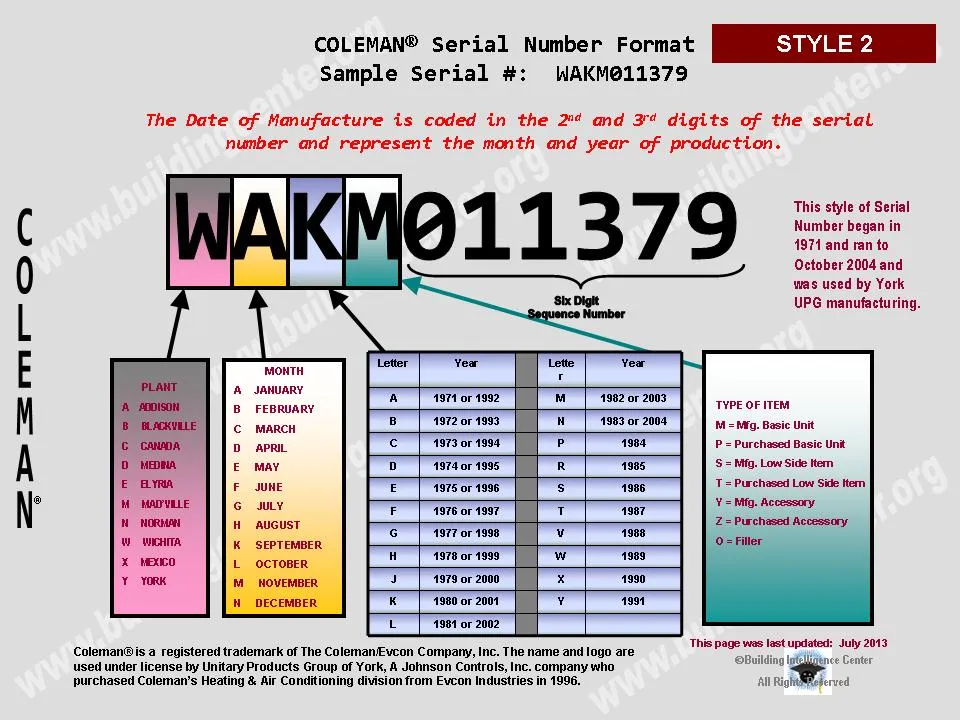
The model number is typically located on the unit's nameplate, which is usually affixed to the exterior of the condensing unit (outdoor unit). It may also be found inside the access panel of the indoor unit (air handler or furnace). Look for a sticker or metal plate with the Coleman logo and other identifying information. You may also find the serial number near the model number. The serial number is important for warranty purposes and tracking the unit's manufacturing date.
Beyond the Model Number: Key Considerations for Heat Pump Selection
While the model number provides valuable information, it's crucial to consider other factors when selecting a heat pump:
- HSPF (Heating Seasonal Performance Factor): This rating measures heating efficiency. A higher HSPF indicates greater energy savings during heating operation.
- Refrigerant Type: Newer heat pumps use more environmentally friendly refrigerants like R-410A or R-32. Older units may use R-22, which is being phased out.
- Sound Level: Heat pumps generate noise during operation. Check the unit's sound rating (measured in decibels) to minimize noise pollution.
- Installation Quality: Proper installation is critical for optimal performance and longevity. Choose a qualified and experienced HVAC contractor.
- Climate: Heat pumps perform most efficiently in moderate climates. In colder climates, consider a cold-climate heat pump or a dual-fuel system that combines a heat pump with a gas furnace.
- Cost: Heat pump costs vary depending on the efficiency rating, features, and size. Consider the upfront cost, as well as the long-term energy savings.
Lifespan: A well-maintained heat pump can last 15-20 years. Regular maintenance, including filter changes and coil cleaning, can extend its lifespan and maintain its efficiency. Budget for replacement costs when considering a new system. Consider purchasing an extended warranty to protect your investment.
Cost Considerations
The price of a Coleman heat pump varies widely based on its efficiency (SEER and HSPF ratings), capacity (BTU/hr), and features. Lower-end models might start around $3,000-$4,000 for the unit alone, while high-efficiency models can easily exceed $8,000-$10,000. Installation costs typically add another $2,000-$5,000, depending on the complexity of the installation and your location. It's crucial to get multiple quotes from reputable HVAC contractors before making a decision.
Consider potential rebates and tax credits when purchasing a new heat pump. Many utility companies and government agencies offer incentives for energy-efficient HVAC systems. These incentives can significantly reduce the overall cost of the system.
Conclusion
Understanding the intricacies of a Coleman heat pump model number empowers you to make informed decisions about your HVAC system. Whether you're a homeowner, technician, or facility manager, this knowledge is invaluable for selecting the right equipment, maintaining its performance, and ensuring long-term energy savings. Always consult with qualified HVAC professionals for personalized advice and expert installation.