Coleman Heat Pump Review

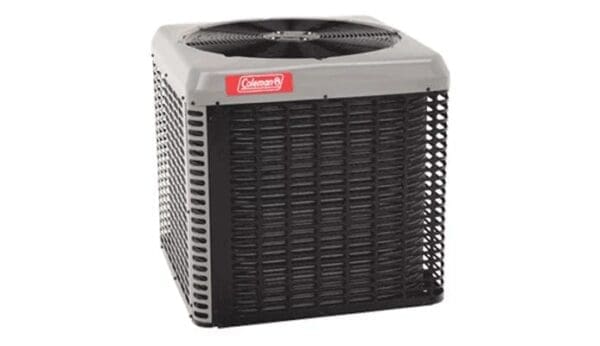
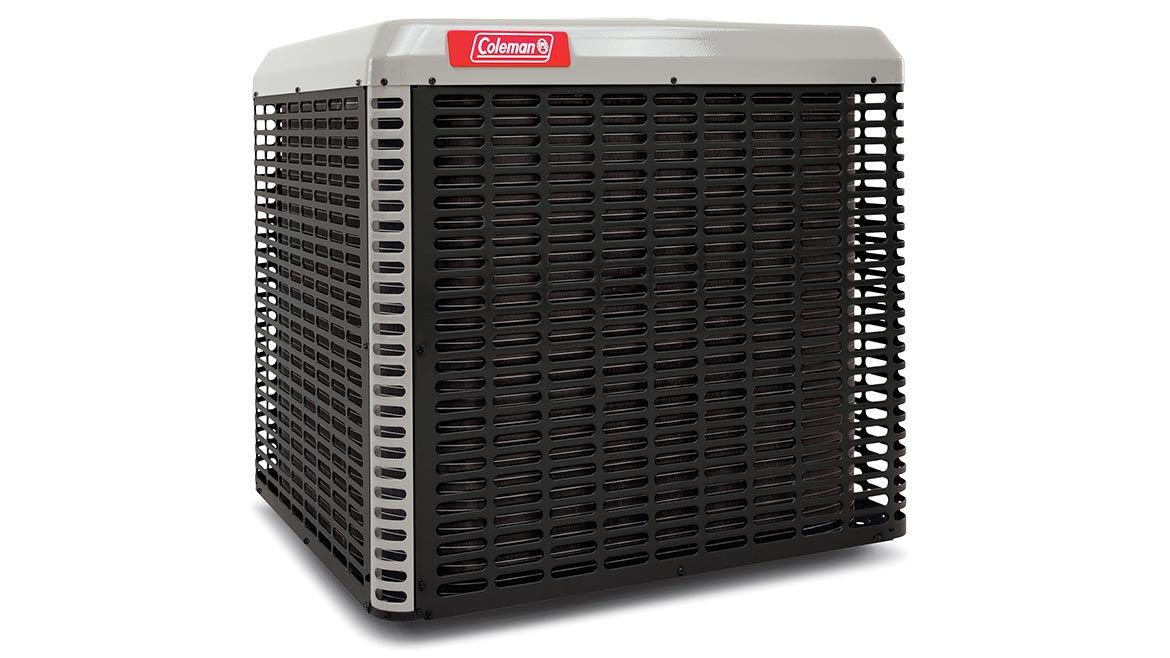
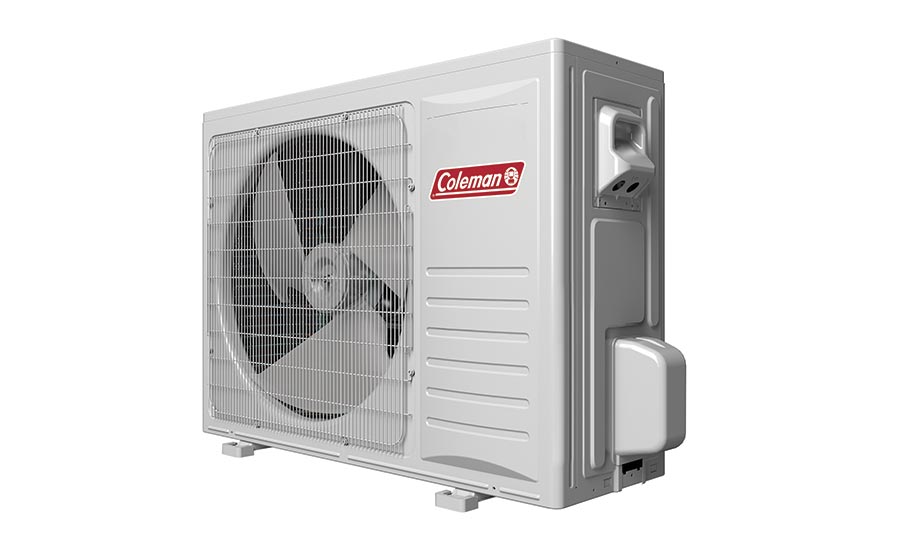
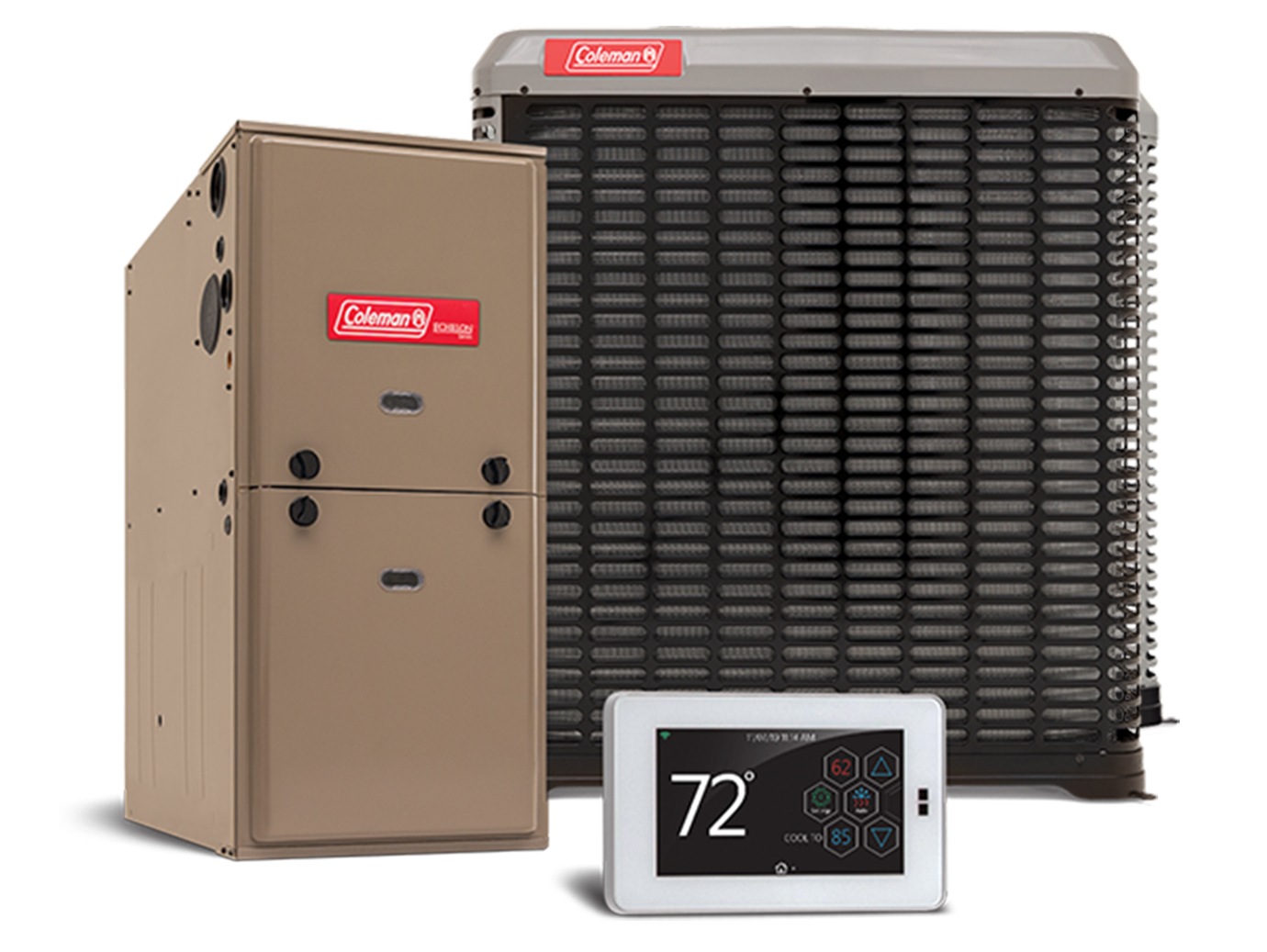
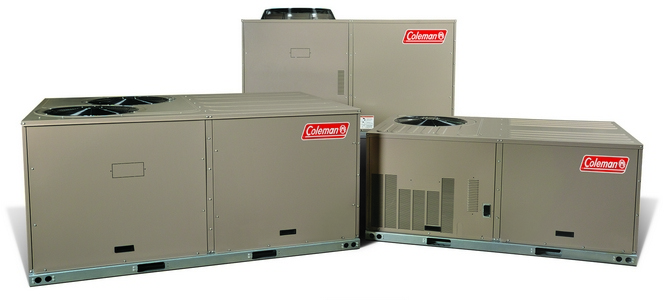
Coleman, a brand under the York International umbrella (now Johnson Controls), has been a player in the HVAC industry for decades. Offering a range of heat pumps for residential and commercial applications, Coleman aims to provide reliable and cost-effective heating and cooling solutions. This review delves into the details of Coleman heat pumps, examining their performance, efficiency, features, and overall value proposition for homeowners, HVAC technicians, and facility managers.
Coleman Heat Pump Models and Features
Coleman offers a variety of heat pump models, categorized primarily by efficiency and features. Understanding these distinctions is crucial for selecting the right unit for a specific application. Key factors include SEER (Seasonal Energy Efficiency Ratio) for cooling efficiency, HSPF (Heating Seasonal Performance Factor) for heating efficiency, and the presence of advanced features like variable-speed compressors and communicating controls.
Entry-Level Models
These models typically feature single-stage compressors and standard efficiency ratings. They are designed for budget-conscious consumers who need a reliable and basic heating and cooling solution. SEER ratings generally range from 13 to 14, and HSPF ratings from 7.7 to 8.0. While these units offer lower upfront costs, their operational costs may be higher over the lifespan of the unit due to lower efficiency.
Example: A Coleman entry-level model might be suitable for a small apartment or a rental property where upfront cost is a primary concern. However, for homeowners planning to stay in their residence for a long time, investing in a higher-efficiency model is often more cost-effective in the long run.
Mid-Range Models
Mid-range models offer a balance of efficiency and features. They often incorporate two-stage compressors, which allow for more precise temperature control and improved energy efficiency. SEER ratings generally fall between 15 and 17, and HSPF ratings between 8.5 and 9.0. These models often include enhanced features such as improved sound dampening and better filtration systems.
Example: A homeowner in a moderate climate with relatively mild winters and warm summers might find a mid-range Coleman heat pump to be an ideal choice. The two-stage compressor can handle varying heating and cooling demands efficiently, resulting in lower energy bills compared to an entry-level model.
High-Efficiency Models
Coleman's high-efficiency models are designed for maximum energy savings and comfort. These units typically feature variable-speed compressors, which allow for precise temperature control and extremely quiet operation. They boast SEER ratings of 18 or higher and HSPF ratings of 9.0 or higher. Some models also incorporate communicating controls, allowing for advanced diagnostics and remote control capabilities.
Example: A facility manager responsible for a large office building or a homeowner in a region with extreme temperatures would benefit from a high-efficiency Coleman heat pump. The variable-speed compressor can maintain consistent temperatures throughout the building or home while minimizing energy consumption. Communicating controls allow for remote monitoring and adjustments, ensuring optimal performance and energy savings.
Efficiency and Performance
The efficiency of a heat pump is measured by its SEER and HSPF ratings. A higher SEER rating indicates better cooling efficiency, while a higher HSPF rating indicates better heating efficiency. Coleman heat pumps offer a range of efficiency ratings, allowing consumers to choose a model that best suits their needs and budget.
Beyond SEER and HSPF, other factors can impact performance, including proper sizing and installation. An undersized heat pump will struggle to maintain comfortable temperatures, while an oversized unit will cycle on and off frequently, leading to wasted energy and reduced lifespan. Proper installation is crucial for ensuring optimal performance and longevity.
Real-world example: A poorly insulated home will require a larger heat pump to maintain comfortable temperatures, regardless of the unit's efficiency rating. Addressing insulation issues can significantly reduce the heating and cooling load, allowing for a smaller and more efficient heat pump to be installed.
Cost Considerations
The cost of a Coleman heat pump varies depending on the model, efficiency rating, and installation requirements. Entry-level models are generally the most affordable, while high-efficiency models command a higher price. Installation costs can also vary depending on the complexity of the job and the local labor rates.
When evaluating the cost of a heat pump, it's important to consider both the upfront cost and the long-term operating costs. While a higher-efficiency model may have a higher initial cost, it can save significant money on energy bills over its lifespan. Government rebates and tax credits may also be available to offset the cost of high-efficiency heat pumps.
Example: A homeowner considering replacing an old, inefficient air conditioner with a new Coleman heat pump should factor in the potential energy savings over the unit's lifespan when making their decision. A higher-efficiency heat pump may pay for itself in energy savings within a few years, especially in regions with high energy costs.
Reliability and Maintenance
Coleman heat pumps are generally considered to be reliable, but like all mechanical equipment, they require regular maintenance to ensure optimal performance and longevity. Recommended maintenance tasks include regular filter changes, coil cleaning, and inspections by a qualified HVAC technician.
Proper maintenance can help prevent costly repairs and extend the lifespan of the heat pump. Neglecting maintenance can lead to reduced efficiency, increased energy consumption, and premature failure.
Example: Dirty air filters can restrict airflow, causing the heat pump to work harder and consume more energy. Regularly changing the air filter can improve efficiency and prevent damage to the unit.
Common issues with heat pumps can include refrigerant leaks, compressor failures, and issues with the reversing valve. Regular maintenance checks by a certified technician can catch these problems early before they escalate into major repairs.
Installation Considerations
Proper installation is crucial for ensuring optimal performance and longevity of a Coleman heat pump. Installation should be performed by a qualified HVAC technician who is familiar with the specific model being installed. Key installation considerations include proper sizing, ductwork inspection and sealing, refrigerant charging, and system testing.
Improper installation can lead to reduced efficiency, increased energy consumption, and premature failure. It can also void the manufacturer's warranty.
Example: If the ductwork is not properly sealed, air can leak out, reducing the efficiency of the heat pump. Sealing the ductwork can significantly improve performance and reduce energy consumption.
Coleman Heat Pumps: Pros and Cons
Pros:
- Wide range of models to choose from, catering to different budgets and needs.
- Competitive pricing compared to other major HVAC brands.
- Availability of high-efficiency models with variable-speed compressors and communicating controls.
- Established brand with a long history in the HVAC industry.
Cons:
- Entry-level models may lack advanced features and offer lower efficiency.
- Warranty coverage may vary depending on the model and region.
- Some users have reported issues with parts availability.
Warranty Information
Coleman heat pumps typically come with a standard warranty that covers parts for a specified period, usually 5 to 10 years. Some models may also offer extended warranties on the compressor. It's important to carefully review the warranty terms and conditions to understand the coverage and any limitations. Proper registration of the heat pump is often required to activate the full warranty benefits.
Final Verdict
Coleman heat pumps offer a range of options for homeowners, HVAC technicians, and facility managers seeking reliable and cost-effective heating and cooling solutions. Their wide selection of models, competitive pricing, and availability of high-efficiency options make them a viable choice for many applications. However, it's important to carefully consider the specific needs and budget of the user when selecting a Coleman heat pump. Consulting with a qualified HVAC technician can help ensure that the right model is chosen and properly installed for optimal performance and longevity. Choosing the correct BTU (British Thermal Unit) output is crucial for energy efficiency and proper climate control.