Coleman Warranty Lookup By Serial Number

Understanding your Coleman HVAC system's warranty is crucial for managing potential repair costs. This guide provides a comprehensive overview of how to locate your warranty information and what it typically covers. We'll explore the process of using your serial number for a Coleman warranty lookup, common warranty terms, and when it's best to consult a professional.
Why Check Your Coleman HVAC Warranty?
Before scheduling any repairs or considering DIY fixes on your Coleman furnace, air conditioner, or heat pump, checking the warranty is a must. A valid warranty can significantly reduce out-of-pocket expenses, potentially covering parts, labor, or even a complete unit replacement in some cases.
Benefits of Knowing Your Warranty Status:
- Cost Savings: Avoid unexpected repair bills for covered components.
- Peace of Mind: Knowing your system is protected against certain failures.
- Informed Decisions: Helps you decide whether to repair or replace based on warranty coverage and repair costs.
Finding Your Coleman HVAC Serial Number and Model Number
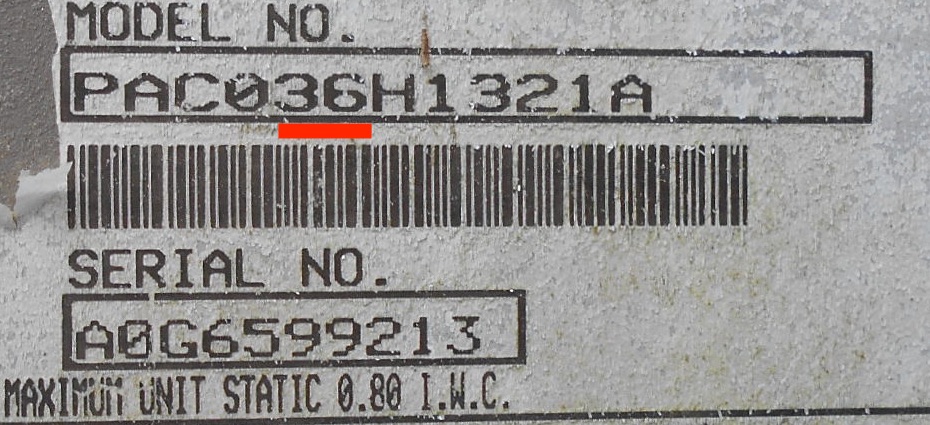
The first step in performing a Coleman warranty lookup by serial number is locating the necessary information. Both the model number and serial number are required to determine your warranty coverage.
Where to Look:
- Outdoor Units (Air Conditioners, Heat Pumps): Check the side or back of the unit. Look for a metallic rating plate or sticker.
- Indoor Units (Furnaces, Air Handlers): Typically located inside the unit cabinet (access may require removing a panel – always disconnect power before removing any panels!) or on the exterior casing.
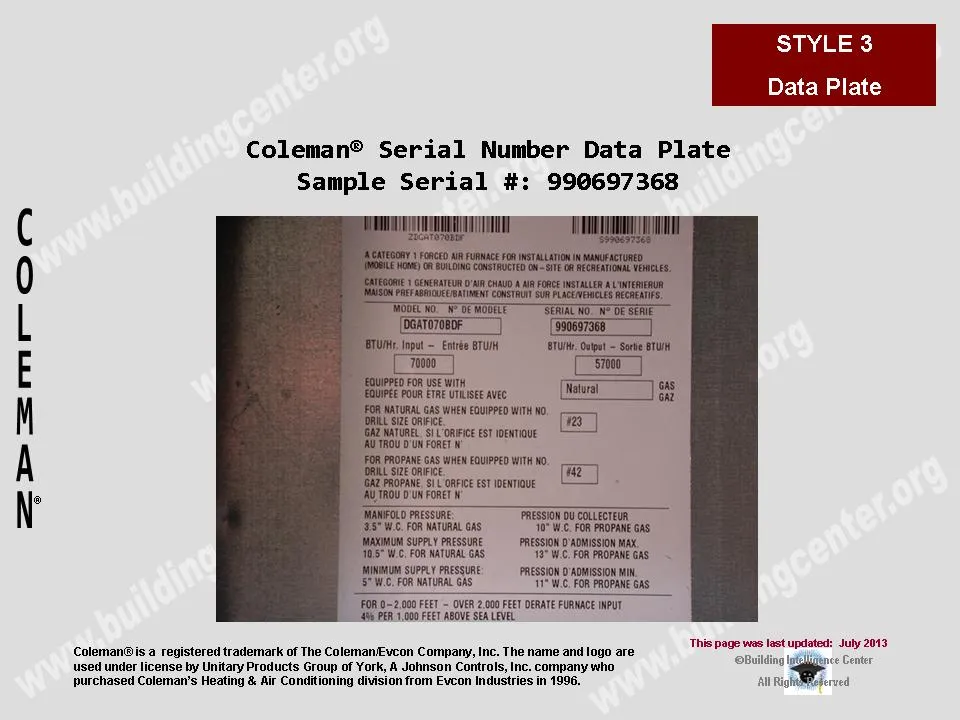
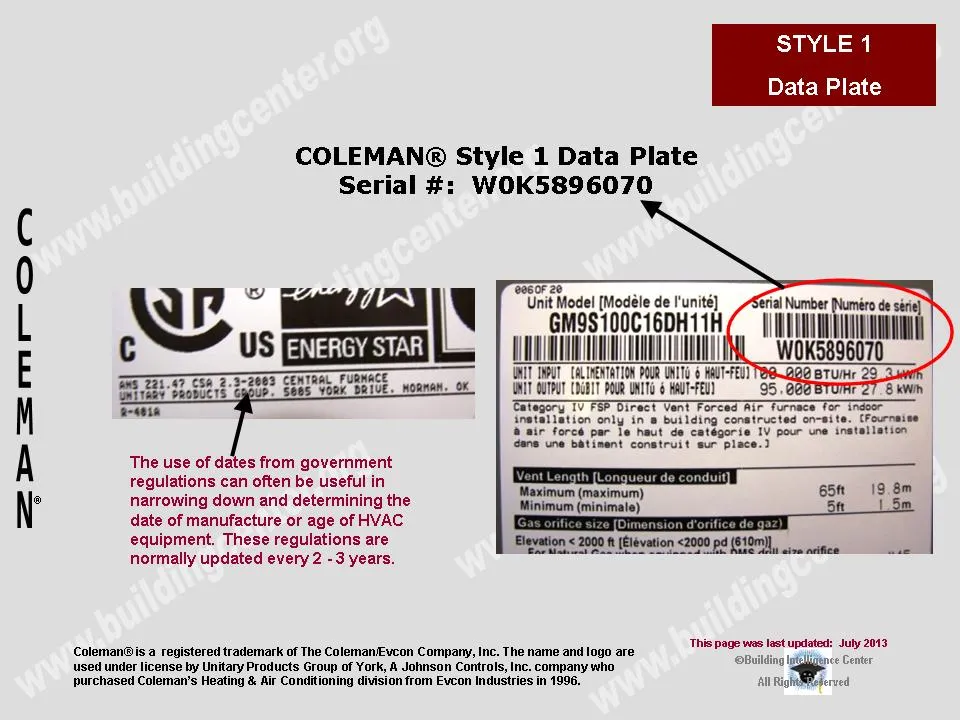
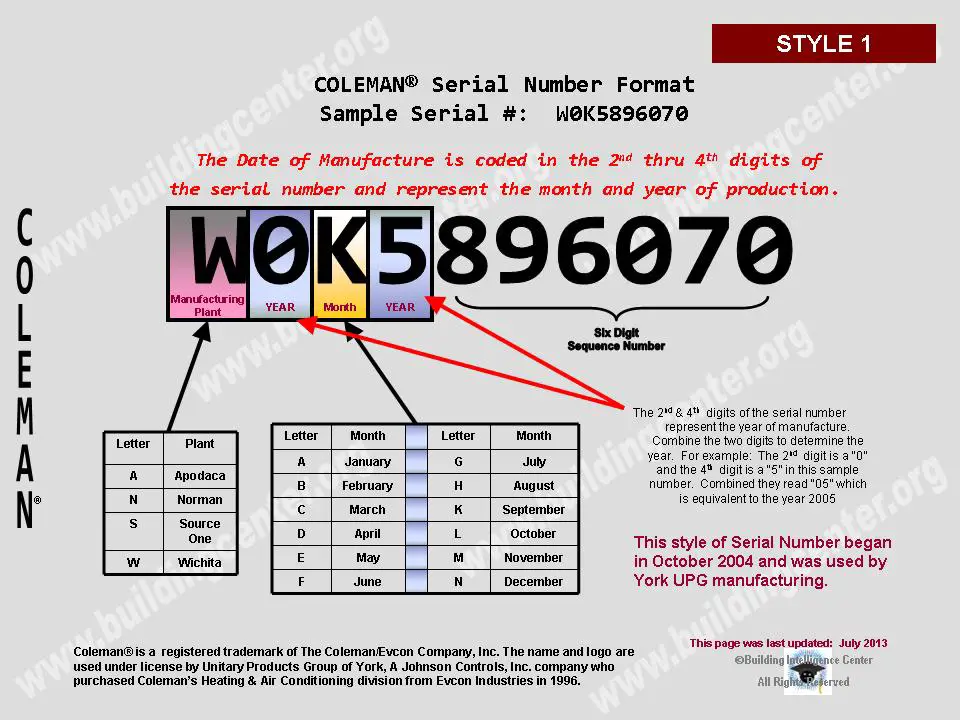
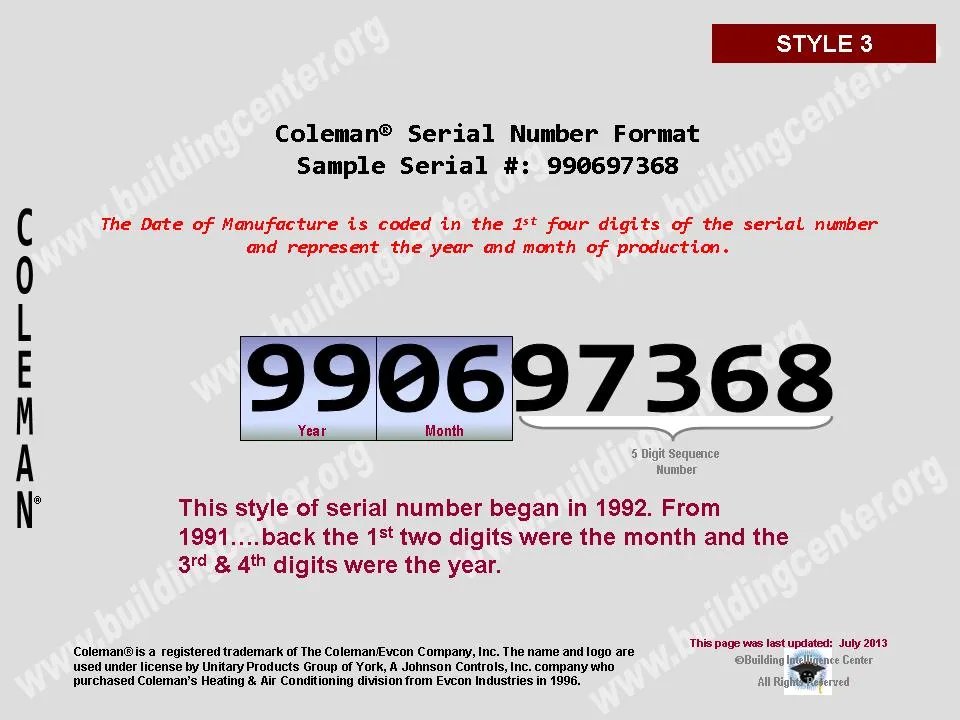
The label usually contains information such as the model number, serial number, manufacturing date, and electrical specifications. Take a photo of the label or carefully write down both the model and serial numbers for easy reference.
Performing a Coleman Warranty Lookup
Unfortunately, Coleman (York) does not offer a direct, publicly accessible online warranty lookup tool based solely on the serial number. However, there are several ways to determine your warranty coverage.
Methods for Checking Your Coleman Warranty:
- Contacting Your Installing Dealer: Your original installer is usually the best resource. They should have a record of your system's installation date and warranty information. They can contact Coleman (York) directly on your behalf.
- Contacting Coleman (York) Directly: You can contact Coleman (York) customer service. Be prepared to provide the model number, serial number, installation date (if known), and your contact information. They may require proof of purchase.
- Checking Your Paperwork: Dig through your home's files for the original sales receipt, installation documentation, or warranty card. These documents often contain detailed warranty information.
Information You'll Need:
- Model Number
- Serial Number
- Installation Date (if known)
- Proof of Purchase (if available)
- Your Contact Information
Understanding Coleman HVAC Warranty Terms
Coleman HVAC warranties typically consist of two main parts: a parts warranty and, in some cases, a labor warranty. The duration of these warranties can vary depending on the specific model and installation date.
Common Warranty Coverage:
- Parts Warranty: This covers the cost of replacement parts that fail due to manufacturing defects. Common parts covered include compressors, heat exchangers, and circuit boards. The standard parts warranty is typically 5-10 years.
- Labor Warranty: This covers the cost of labor for replacing defective parts. Labor warranties are less common and usually shorter in duration than parts warranties (e.g., 1-2 years). Some extended warranties may include labor coverage for a longer period.
- Compressor Warranty: Compressors, being a critical component, often have extended warranties, sometimes up to 10 years.
- Heat Exchanger Warranty: Heat exchangers in furnaces may have extended warranties, often ranging from 10 years to lifetime, depending on the model.
Important Warranty Considerations:
- Registration: Many warranties require registration within a specific timeframe (e.g., 60-90 days) after installation. Failure to register your system can significantly reduce the warranty period.
- Proper Installation: Warranties are generally void if the system was not installed by a licensed and qualified HVAC professional.
- Maintenance: Regular maintenance, such as filter changes and annual tune-ups, is often required to keep the warranty valid. Keep records of all maintenance performed.
- Transferability: Check if the warranty is transferable to a new homeowner if you sell your property.
- Limitations: Warranties typically exclude damage caused by acts of God, improper use, or neglect.
Common Coleman HVAC Issues and Potential Warranty Coverage
Here are some common issues that may be covered under your Coleman HVAC warranty, depending on the specific terms and conditions.
Potential Warranty Issues:
- Compressor Failure: A malfunctioning compressor is a common and expensive repair that is usually covered under warranty.
- Heat Exchanger Cracks: Cracks in the heat exchanger can lead to carbon monoxide leaks and are often covered under an extended warranty.
- Blower Motor Failure: A faulty blower motor can prevent your system from heating or cooling properly.
- Control Board Malfunctions: A defective control board can disrupt the entire system's operation.
- Refrigerant Leaks: While refrigerant itself is not usually covered, leaks caused by a faulty coil or component may be covered under the parts warranty.
DIY Troubleshooting vs. Calling a Professional
While some basic HVAC troubleshooting can be safely performed by homeowners, it's crucial to know your limits. Working with electrical components and refrigerant can be dangerous and should be left to qualified professionals. Improper repairs can also void your warranty.
DIY Tasks You Can Consider:
- Changing Air Filters: Regularly changing air filters is essential for maintaining system efficiency and preventing airflow problems.
- Checking Circuit Breakers: Ensure the circuit breaker for your HVAC system hasn't tripped.
- Cleaning Outdoor Unit Fins: Gently clean the outdoor unit's fins to improve airflow (disconnect power first!).
- Checking Thermostat Settings: Verify that your thermostat is set correctly and that the batteries are fresh.
When to Call a Professional:
- Refrigerant Leaks: Handling refrigerant requires specialized equipment and training.
- Electrical Issues: Any electrical work beyond checking a circuit breaker should be done by a qualified electrician or HVAC technician.
- Compressor Problems: Diagnosing and repairing compressor issues requires specialized knowledge and tools.
- Gas Leaks: If you suspect a gas leak, evacuate the premises immediately and call your gas company and a qualified HVAC technician.
- Any Repair That Requires Opening the Sealed Refrigerant System: This must be done by a certified technician.
Safety First!
- Always disconnect power to the HVAC unit before attempting any repairs or maintenance.
- Never work on electrical components if you are not comfortable and knowledgeable about electrical safety.
- Wear appropriate safety gear, such as gloves and eye protection.
- Consult the manufacturer's instructions before attempting any repairs.
Estimating Coleman HVAC Repair Costs
Repair costs for Coleman HVAC systems can vary widely depending on the nature of the problem, the parts required, and the labor rates in your area. Checking your warranty status is the first step to understanding your financial responsibility.
Factors Affecting Repair Costs:
- Part Costs: The cost of replacement parts can vary significantly depending on the component and its availability.
- Labor Rates: HVAC technician labor rates vary by location and experience.
- Diagnostic Fees: Many HVAC companies charge a diagnostic fee to assess the problem.
- Warranty Coverage: If the repair is covered under warranty, you may only be responsible for the deductible or labor costs (if applicable).
General Cost Estimates (Without Warranty):
Note: These are just estimates, and actual costs may vary. Always get a written quote from a qualified HVAC technician.
- Compressor Replacement: $1,500 - $3,500+
- Heat Exchanger Replacement: $1,000 - $2,500+
- Blower Motor Replacement: $300 - $800
- Control Board Replacement: $200 - $600
- Refrigerant Leak Repair: $200 - $1,000+ (depending on the location and severity of the leak)
Remember, always get multiple quotes from reputable HVAC contractors before committing to any repairs. A qualified technician can properly diagnose the problem and provide an accurate estimate.
Extending Your Coleman HVAC Warranty
If your original warranty is about to expire, consider purchasing an extended warranty to protect your investment. Extended warranties can provide coverage for parts and labor for several years beyond the original warranty period.
Where to Purchase Extended Warranties:
- Your Installing Dealer: Often, your original dealer offers extended warranty options.
- Coleman (York): Contact Coleman (York) directly to inquire about extended warranty programs.
- Third-Party Warranty Providers: Several third-party companies specialize in HVAC extended warranties. Research these providers carefully and read reviews before purchasing.
Before purchasing an extended warranty, carefully review the terms and conditions to understand what is covered and what is excluded. Also, consider the cost of the extended warranty relative to the potential repair costs of your system.
Conclusion
Performing a Coleman warranty lookup by serial number, understanding your warranty terms, and knowing when to call a professional are essential for responsible HVAC system ownership. By following the steps outlined in this guide, you can make informed decisions about repairs, maintenance, and potential warranty coverage, saving you time and money. Remember, when in doubt, consult a qualified HVAC technician to ensure your system is properly maintained and repaired.