Comfortmaker Furnace Model Numbers

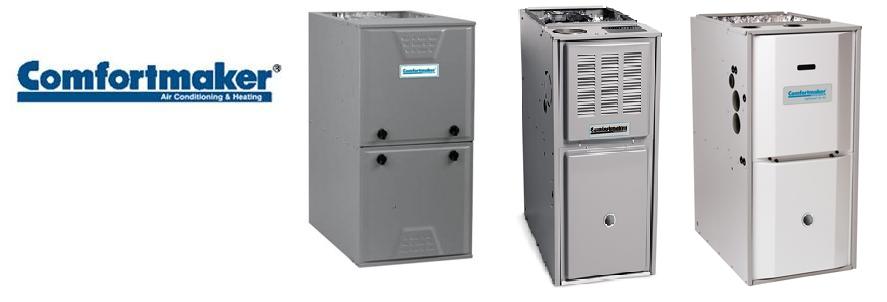
Understanding your Comfortmaker furnace model number is the first step towards effective troubleshooting, finding the right replacement parts, and even getting accurate repair cost estimates. This guide will help you decipher your furnace's model number, locate it on your unit, and use that information to diagnose common issues. Whether you're a homeowner tackling basic maintenance or a DIY enthusiast, knowing your model number is crucial.
Locating Your Comfortmaker Furnace Model Number
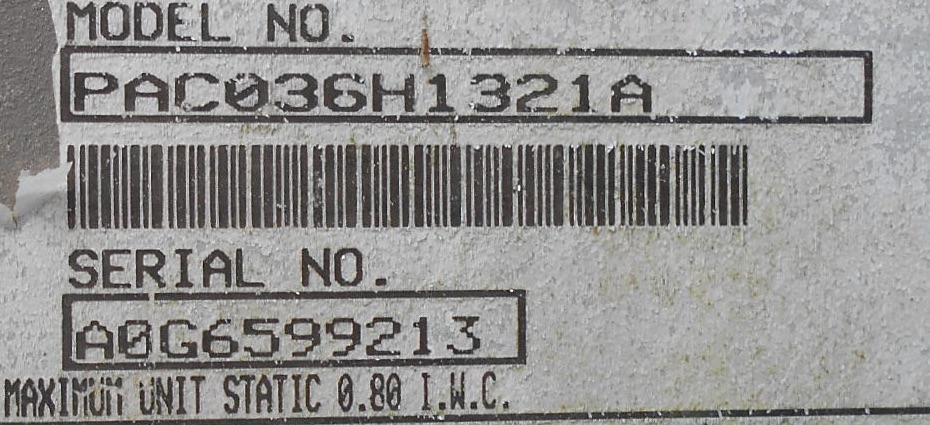
The model number is usually found on a nameplate or rating sticker attached to the furnace. Here's where to look:
- Inside the access panel: This is the most common location. You'll likely need a screwdriver to remove the panel. Always turn off the power to the furnace at the breaker box before removing any panels.
- On the exterior cabinet: Some older models may have the sticker on the outside.
- On the side of the furnace: Check both sides of the unit.
The nameplate will contain several pieces of information, including the model number, serial number, manufacturing date, and electrical specifications. The model number is usually a combination of letters and numbers, such as "G9MXT0601712ASA" or "N9MSE0801716A." The serial number is used to identify specific units within a model line and can be crucial for warranty claims.
Decoding Comfortmaker Furnace Model Numbers: A Practical Guide
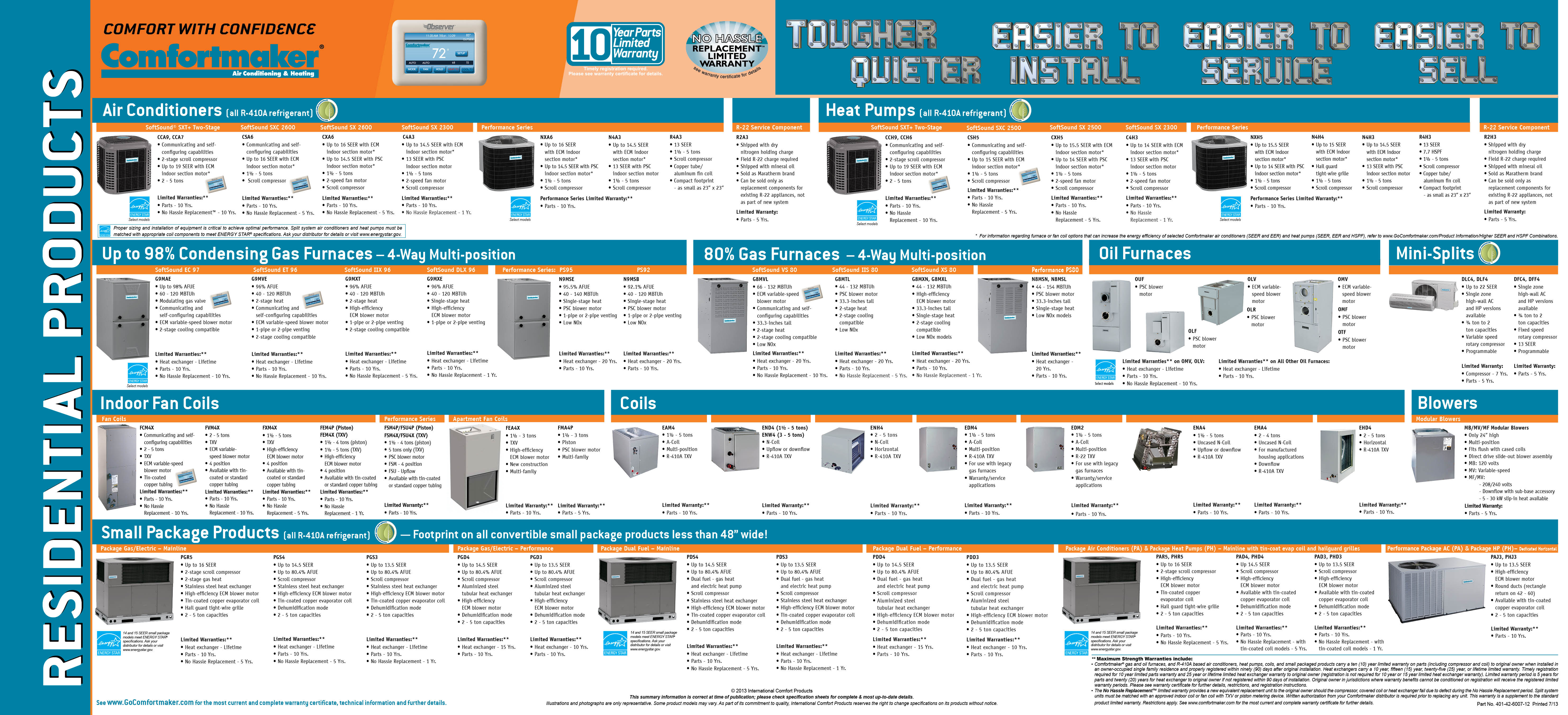
Comfortmaker model numbers contain a wealth of information about your furnace's features and specifications. While the exact decoding can vary slightly between series, here's a general breakdown:
Example Model Number: G9MXT0601712ASA
- First Letter (Fuel Type):
- G: Indicates a gas furnace.
- O: Indicates an oil furnace (less common).
- Second Digit (Efficiency and Series):
- 9: Typically represents a high-efficiency furnace (90% AFUE or higher).
- 8: Generally indicates an 80% AFUE furnace (mid-efficiency).
- Two Letters (Specific Series/Features):
- MXT: This combination, or similar ones like "MSE", "MVT", represent a specific series within the Comfortmaker lineup. This can indicate variable speed blowers, modulating gas valves, or other advanced features. Refer to the Comfortmaker documentation for your specific series to fully understand these letters.
- Three Digits (BTU Input):
- 060: This signifies 60,000 BTU/h input. This is the amount of gas the furnace consumes per hour. Common sizes are 40,000, 60,000, 80,000, 100,000, and 120,000 BTU/h. Selecting the correct BTU size is critical for optimal performance and efficiency. An oversized furnace can lead to short cycling and discomfort, while an undersized furnace may struggle to heat your home adequately.
- Three Digits (Airflow – CFM):
- 171: This represents the nominal CFM (cubic feet per minute) airflow, often related to the blower motor size and capacity. This value is essential for proper system sizing and balancing.
- One or Two Digits (Design Series):
- 2: This indicates the design series of the furnace. A higher number usually signifies a newer design or revision.
- Two Letters (Cabinet Configuration):
- AS: Represents a specific cabinet configuration (e.g., upflow, downflow, horizontal).
- AU: Another common configuration.
- SA: Other common configuration.
- Last Letter (Location of Manufacturing):
- A: This might indicate the location of manufacture.
Example Model Number: N9MSE0801716A
- First Letter (Fuel Type):
- N: Indicates a natural gas furnace.
- Second Digit (Efficiency and Series):
- 9: Typically represents a high-efficiency furnace (90% AFUE or higher).
- Two Letters (Specific Series/Features):
- MS: This combination represents a specific series within the Comfortmaker lineup. This can indicate variable speed blowers, modulating gas valves, or other advanced features.
- One Letter (Specific Series/Features):
- E: This combination represents a specific series within the Comfortmaker lineup. This can indicate variable speed blowers, modulating gas valves, or other advanced features.
- Two Digits (BTU Input):
- 08: This signifies 80,000 BTU/h input. This is the amount of gas the furnace consumes per hour. Common sizes are 40,000, 60,000, 80,000, 100,000, and 120,000 BTU/h. Selecting the correct BTU size is critical for optimal performance and efficiency. An oversized furnace can lead to short cycling and discomfort, while an undersized furnace may struggle to heat your home adequately.
- Three Digits (Airflow – CFM):
- 171: This represents the nominal CFM (cubic feet per minute) airflow, often related to the blower motor size and capacity. This value is essential for proper system sizing and balancing.
- One Digit (Design Series):
- 6: This indicates the design series of the furnace. A higher number usually signifies a newer design or revision.
- Last Letter (Location of Manufacturing):
- A: This might indicate the location of manufacture.
Note: Always consult the specific product literature for your Comfortmaker model series for the most accurate interpretation of the model number. Comfortmaker's website or your local HVAC supplier can be helpful resources.
Using Your Model Number for Troubleshooting
Once you have your model number, you can use it to:
- Find the correct replacement parts: Websites and HVAC suppliers use model numbers to ensure you get the right part.
- Access technical documentation: Download manuals, wiring diagrams, and parts lists specific to your model.
- Research common problems: Search online forums and HVAC communities for issues specific to your model.
- Get accurate repair estimates: HVAC technicians need the model number to provide accurate quotes.
Common Comfortmaker Furnace Problems and DIY Fixes (with Caution)
Here are some common issues you might encounter, along with potential DIY solutions. Remember, gas and electrical repairs can be dangerous. If you're uncomfortable or unsure, call a qualified HVAC technician.
- Furnace won't turn on:
- Possible cause: Power switch off, tripped breaker, thermostat issues.
- DIY: Check the power switch, reset the breaker, ensure the thermostat is set correctly and has fresh batteries.
- When to call a pro: If the breaker trips repeatedly, or if you suspect a wiring problem.
- Furnace cycles on and off frequently (short cycling):
- Possible cause: Dirty air filter, blocked vents, oversized furnace.
- DIY: Replace the air filter, ensure vents are open and not obstructed.
- When to call a pro: If short cycling persists after these steps, or if you suspect a problem with the gas valve or flame sensor.
- Blower fan runs constantly:
- Possible cause: Thermostat setting, faulty limit switch, control board issue.
- DIY: Check the thermostat setting (fan should be set to "auto" unless you want continuous fan operation).
- When to call a pro: If the fan continues to run in "auto" mode, or if you suspect a problem with the limit switch or control board.
- No heat:
- Possible cause: Pilot light outage (older models), flame sensor issue, gas valve problem.
- DIY: Check for a pilot light outage (if applicable) and relight it according to the manufacturer's instructions.
- When to call a pro: If the pilot light won't stay lit, or if you suspect a problem with the flame sensor or gas valve. Do not attempt to repair gas valves yourself.
Safety First! Before attempting any DIY repairs:
- Turn off the power to the furnace at the breaker box.
- Turn off the gas supply to the furnace.
- Wear safety glasses and gloves.
- Have a fire extinguisher nearby.
- If you smell gas, evacuate the area immediately and call your gas company.
Essential Tools and Parts for Basic Furnace Maintenance
Having these tools on hand can make basic maintenance easier:
- Screwdrivers (Phillips and flathead)
- Nut drivers
- Wrench set
- Multimeter
- Vacuum cleaner
- Air filter
- Flame sensor (replacement, if needed)
Estimating Repair Costs
Repair costs vary widely depending on the problem, the complexity of the repair, and your location. However, knowing your model number will help you get more accurate estimates. Here are some general cost ranges:
- Air filter replacement: $10 - $30 (DIY)
- Flame sensor replacement: $50 - $150 (DIY or professional)
- Blower motor replacement: $300 - $800 (professional)
- Gas valve replacement: $400 - $900 (professional – do not DIY)
- Control board replacement: $400 - $1000 (professional)
Note: These are just estimates. Always get multiple quotes from qualified HVAC technicians before committing to any repairs.
When to Call a Professional HVAC Technician
While some furnace issues can be addressed with DIY solutions, it's crucial to know when to call a professional. Here are some situations where professional help is essential:
- Any gas-related problems: Gas leaks, faulty gas valves, or issues with the burner assembly.
- Electrical problems: Repeatedly tripping breakers, wiring issues, or problems with the control board.
- Complex repairs: Replacing the blower motor, heat exchanger, or other major components.
- If you're uncomfortable or unsure: Your safety is paramount. Don't hesitate to call a professional if you're not confident in your ability to perform the repair safely and effectively.
- For annual maintenance: Professional tune-ups can improve efficiency, extend the life of your furnace, and prevent costly breakdowns.
Conclusion
Understanding your Comfortmaker furnace model number empowers you to take control of your home heating system. By using this guide, you can confidently identify your furnace, find the right parts, and troubleshoot common issues. Remember to prioritize safety and call a qualified professional when needed. With a little knowledge and care, you can keep your furnace running efficiently and safely for years to come.