Comfortmaker Furnace Serial Number Age

Is your Comfortmaker furnace acting up, leaving you shivering in the winter or struggling with inadequate cooling in the summer? A common issue homeowners face is inconsistent heating or cooling – some rooms feel too hot or cold while others are just right. Before you call a technician, it's worth investigating a few simple things yourself. Understanding your furnace's age, determined by its serial number, can also provide valuable clues about potential issues.
Diagnosing Inconsistent Heating or Cooling
Let's break down a systematic approach to diagnosing this common problem.
Step 1: Initial Assessment (No Tools Required)
First, let's rule out the obvious.
- Check the Thermostat: Is it set to the correct mode (heat or cool) and temperature? Ensure it's not in "fan only" mode. Are the batteries fresh? A low battery can cause erratic behavior.
- Air Vents: Are all the air vents open and unobstructed? Make sure furniture, rugs, or curtains aren't blocking airflow. Close vents in rooms you don't frequently use to direct airflow to the areas that need it most.
- Air Filter: This is crucial. A dirty air filter restricts airflow, forcing your furnace to work harder and less efficiently. Check your air filter – if it's visibly dirty (gray or black with dust and debris), replace it. This is the most common cause of inconsistent heating/cooling.
- Visual Inspection: Look around the furnace for any obvious signs of damage, such as loose wires, rust, or water leaks. Note any unusual noises coming from the unit.
Step 2: Determining Your Furnace's Age Using the Serial Number (No Tools Required)
Knowing your Comfortmaker furnace's age can help narrow down potential problems. Here's how to find and interpret the serial number:
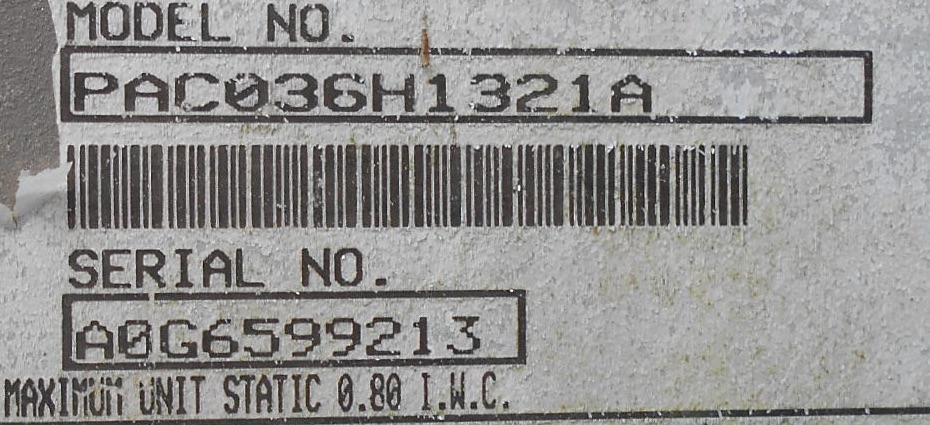
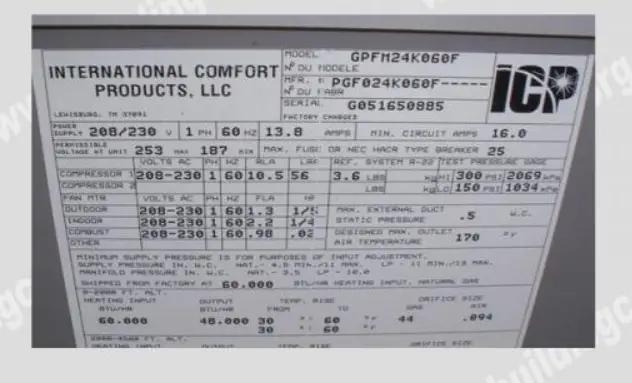
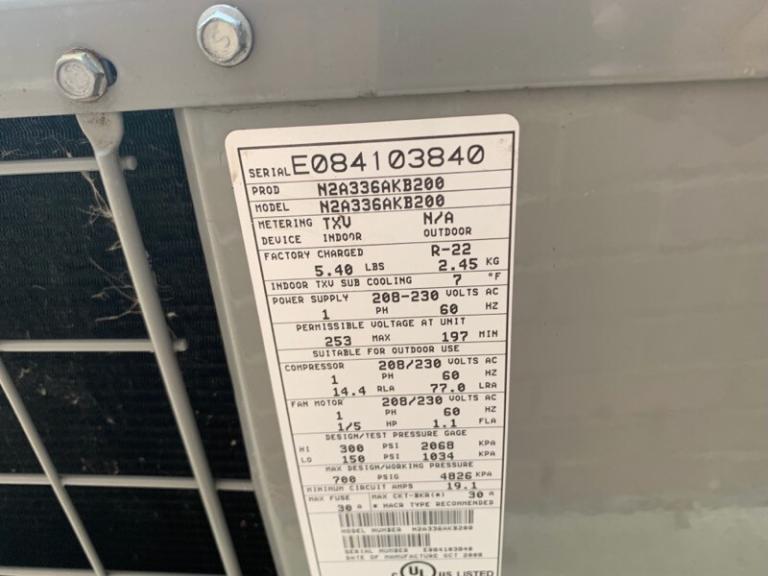
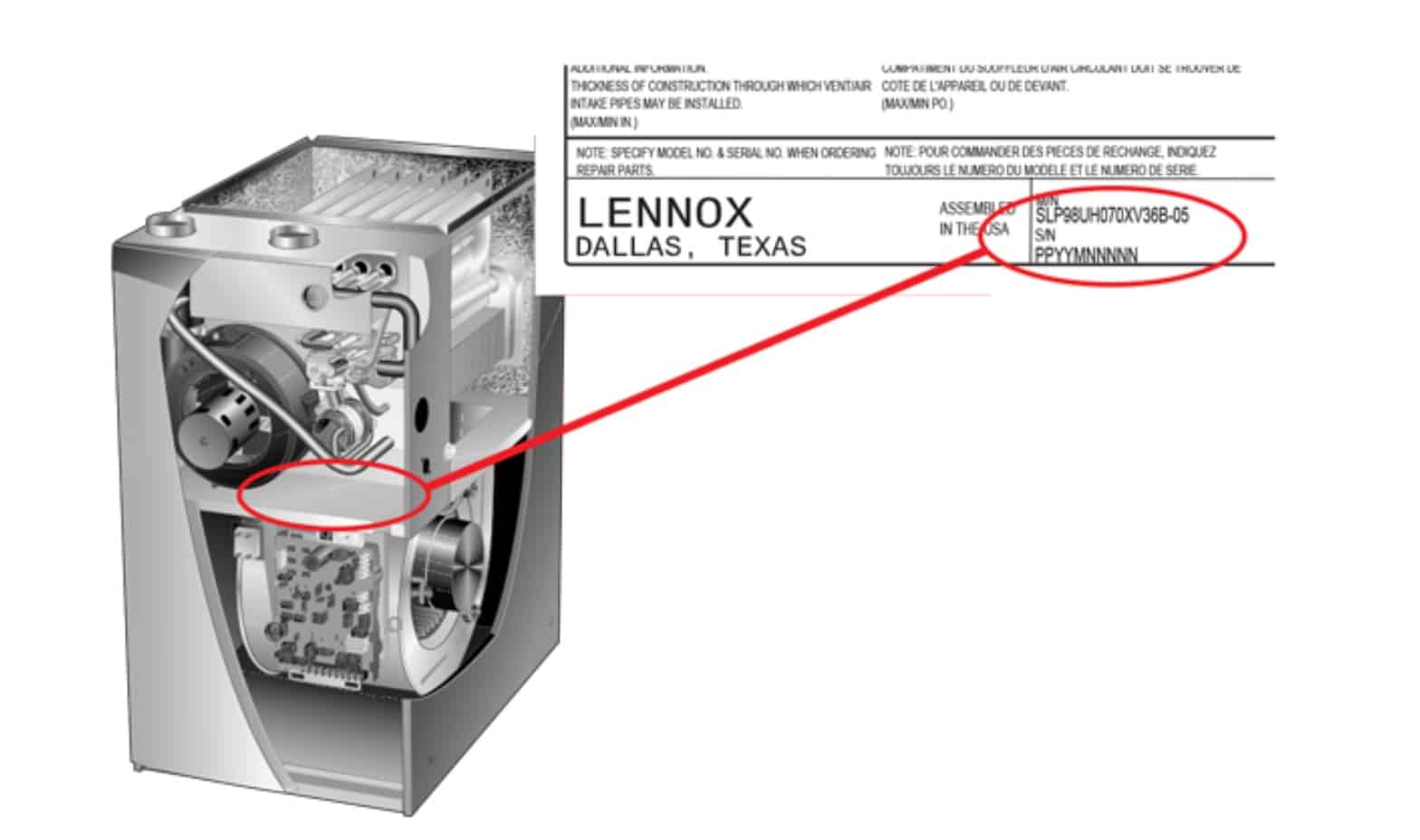
- Locate the Data Plate: This is usually a metal plate attached to the furnace cabinet, often inside the access panel or on the side.
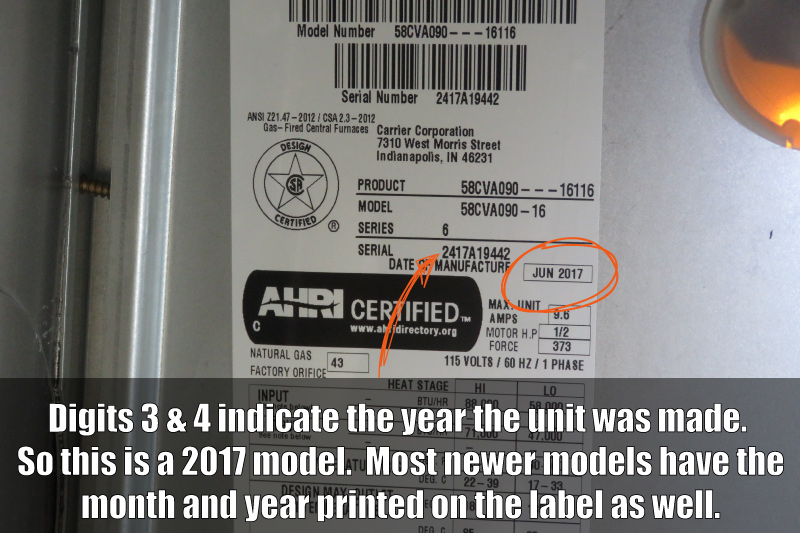
- Find the Serial Number: It's typically a series of letters and numbers.
- Decoding the Serial Number: Comfortmaker uses various serial number formats over the years. Here are a few common scenarios:
- Letter-Number Combination: Many Comfortmaker furnaces use a format where the first two digits of the serial number represent the year of manufacture. For example, a serial number starting with "08" indicates the furnace was manufactured in 2008.
- Letter Followed by Numbers: Some serial numbers have a letter followed by a series of numbers. In some of these cases, the letter might correspond to the manufacturing plant, and the first two numbers after the letter indicate the year. Consult online resources specific to Comfortmaker furnace serial number decoding or contact Comfortmaker directly if you're unsure.
- Online Lookup: Many websites offer furnace age lookup tools. You can input the brand and serial number to get the manufacture date. However, always verify the information from multiple sources.
Why is age important?
- Efficiency Decline: Older furnaces (15+ years) often lose efficiency, requiring more energy to heat or cool your home. This can contribute to inconsistent temperatures.
- Parts Availability: Parts for very old furnaces can be difficult or impossible to find, making repairs challenging and expensive.
- Wear and Tear: Older furnaces are simply more prone to breakdowns due to accumulated wear and tear.
Step 3: More Detailed Checks (Basic Equipment Required - Caution Advised)
Before proceeding with these steps, always turn off the power to the furnace at the breaker box for safety.
- Check the Blower Motor:
- Visual Inspection: Remove the blower compartment access panel (after turning off the power!). Look for signs of damage, such as burnt wires or a broken fan blade.
- Spin the Fan: Try manually spinning the blower fan. It should spin freely. If it's stiff or makes a grinding noise, the bearings might be failing, indicating the blower motor needs replacement.
- Testing with a Multimeter (Advanced): *This requires experience with electrical testing and a multimeter.* You can test the voltage going to the blower motor to ensure it's receiving power. If power is present but the motor isn't running, the motor is likely faulty.
- Inspect the Flame Sensor:
- Location: The flame sensor is a small metal rod located near the burners.
- Cleaning (Caution: Use Appropriate Materials): Over time, the flame sensor can become coated with carbon, preventing it from detecting the flame and causing the furnace to shut down. Gently clean the flame sensor with fine steel wool or emery cloth. Be careful not to damage the rod.
- Check the Burners:
- Visual Inspection: Observe the burners when the furnace is running (after carefully reassembling the panels and turning the power back on). The flames should be blue and consistent. Yellow or flickering flames indicate a problem with the gas supply or burner cleanliness.
Equipment Needed for Step 3:
- Screwdrivers (various sizes)
- Flashlight
- Fine steel wool or emery cloth
- Multimeter (for advanced testing – requires experience)
Step 4: Simple DIY Actions
Based on your findings, here are some actions you can take yourself:
- Replace the Air Filter: As mentioned earlier, this is the most common fix.
- Clean the Flame Sensor: If the flame sensor is dirty, cleaning it might resolve the issue.
- Clear Obstructions from Vents: Ensure all vents are open and unobstructed.
- Adjust Vent Dampers: Balance the airflow by adjusting the dampers on the vents in each room. This can help direct more heat or cool air to the rooms that need it most.
When to Call a Professional HVAC Technician
While some issues can be resolved with simple DIY fixes, many problems require the expertise of a qualified HVAC technician. It's crucial to know when to call for help to avoid potential safety hazards or further damage to your furnace.
Call a professional if:
- You smell gas: This is a serious safety hazard. Evacuate your home immediately and call your gas company or the fire department.
- You see flames outside the burner area: This indicates a dangerous malfunction.
- You hear loud or unusual noises from the furnace: This could indicate a serious mechanical problem.
- You suspect a problem with the gas valve or gas pressure: Do not attempt to repair gas-related issues yourself.
- You are uncomfortable working with electricity or gas: HVAC systems involve potentially dangerous components.
- You have tried the DIY steps and the problem persists: A professional has specialized tools and knowledge to diagnose and repair complex issues.
- Your furnace is very old (20+ years): It might be more cost-effective to replace the furnace than to repair it. A technician can assess the furnace's condition and provide a recommendation.
- You find evidence of carbon monoxide: If you have a carbon monoxide detector that is alarming, evacuate the home and call the fire department and your HVAC technician immediately.
The Importance of Regular Maintenance
The best way to prevent heating and cooling problems is to schedule regular maintenance for your furnace. An HVAC technician can inspect the system, clean components, and identify potential problems before they become major issues. Regular maintenance can also improve the efficiency of your furnace and extend its lifespan.
Summary
Inconsistent heating and cooling can be frustrating, but by following these steps, you can diagnose the problem and potentially resolve it yourself. Remember to prioritize safety and call a professional when necessary. Understanding your Comfortmaker furnace's age, determined by the serial number, provides context for potential issues related to wear and tear and efficiency. Regular maintenance is key to keeping your furnace running smoothly and efficiently for years to come.