Comfortmaker Serial Number Meaning

Understanding your Comfortmaker HVAC system is crucial for proper maintenance and troubleshooting. One of the most important pieces of information you'll need is the serial number. This unique identifier unlocks a wealth of knowledge about your unit, including its manufacturing date, model type, and compatible replacement parts. This article will guide you through deciphering your Comfortmaker serial number, helping you diagnose issues, estimate repair costs, and determine when it's time to call a professional.
Locating the Comfortmaker Serial Number
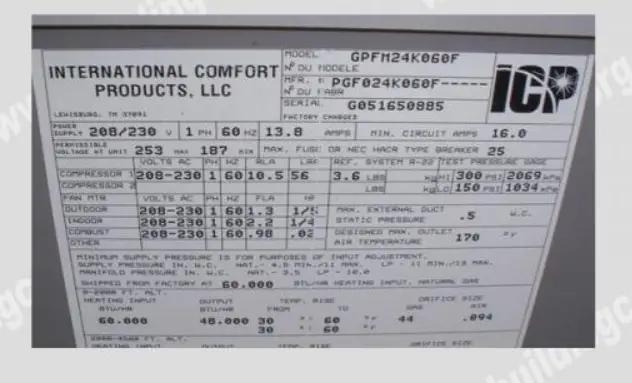
Finding the serial number is the first step. It's usually printed on a nameplate or sticker attached to the unit. Here's where to look, depending on the type of equipment you have:
- Furnaces: Check inside the front panel, often on the side wall or near the burner assembly. Always turn off the power to the furnace at the breaker box before removing any panels. Safety first!
- Air Conditioners (Outdoor Unit): Look on the side or back of the unit. It's typically on a metallic plate.
- Heat Pumps (Outdoor Unit): Similar to air conditioners, the nameplate is usually on the side or back of the unit.
- Air Handlers (Indoor Unit): Check inside the access panel, often near the blower motor. Again, ensure the power is off before removing any panels.
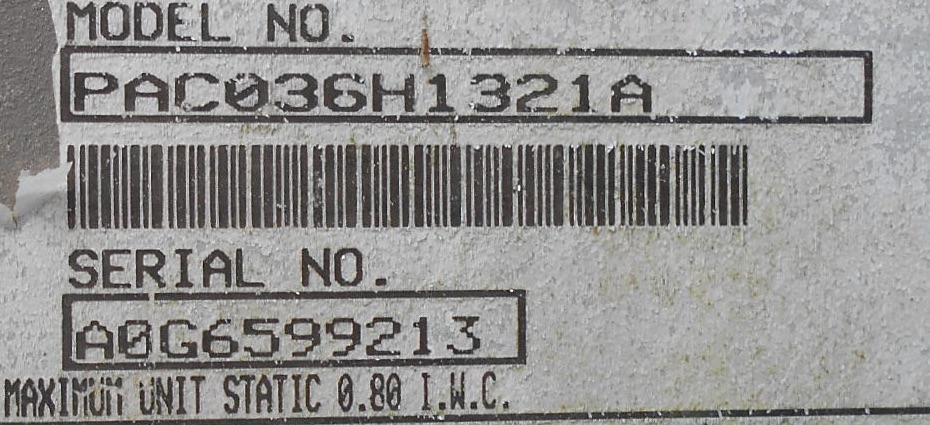
The nameplate usually contains both the model number and the serial number. They are distinct pieces of information, so make sure you copy down the correct one. Take a picture with your phone for easy reference!
Deciphering the Comfortmaker Serial Number
Comfortmaker serial numbers typically follow a specific format. While there might be slight variations depending on the age of your unit, here's the most common structure:
LLYYWWXXXXX
Where:
- LL: Represents the manufacturing location code. This code isn't always readily decipherable by homeowners, but it can be useful for HVAC professionals.
- YY: Indicates the year of manufacture. For example, "18" would mean the unit was manufactured in 2018.
- WW: Specifies the week of manufacture within that year. "05" would mean the unit was manufactured in the fifth week of the year (around late January/early February).
- XXXXX: This is the sequential production number. It's unique to your specific unit.
Example: A serial number of CB192212345 would indicate a unit manufactured in 2019, during the 22nd week of the year (late May/early June).
Some older Comfortmaker units might have a slightly different format, such as including a letter or two before the year. If you're unsure, contact a local HVAC professional or Comfortmaker directly with your full serial number for clarification.
Using the Serial Number for Troubleshooting and Repairs
Your Comfortmaker serial number is invaluable for several reasons:
- Determining the Age of Your Unit: Knowing the age helps you estimate its remaining lifespan and plan for potential replacements. HVAC systems typically last 15-20 years, depending on usage and maintenance.
- Finding Compatible Replacement Parts: When ordering parts, the serial number ensures you get the correct components that fit your specific unit. This is critical for things like blower motors, capacitors, and control boards.
- Accessing Technical Documentation: Manufacturers often provide specific service manuals and technical bulletins based on the model and serial number. This documentation can be a goldmine of information for troubleshooting.
- Checking Warranty Status: The serial number is required to verify if your unit is still under warranty. Keep your original purchase receipt for additional verification.
DIY vs. Professional Repairs: Knowing Your Limits
While some HVAC troubleshooting and maintenance tasks are suitable for DIYers, others require the expertise of a qualified professional. Here's a breakdown:
DIY-Friendly Tasks:
- Replacing Air Filters: Regularly replacing air filters is crucial for system efficiency and air quality.
- Cleaning Outdoor Unit Fins: Use a garden hose (with low pressure) to gently clean debris from the outdoor unit's fins. Always disconnect the power to the unit before cleaning!
- Checking and Resetting the Thermostat: Ensure the thermostat is properly configured and the batteries are fresh.
- Clearing Condensate Drain Lines: A clogged drain line can cause water leaks. Use a wet/dry vacuum or a stiff wire to clear any blockages.
Tasks Requiring a Professional:
- Refrigerant Leaks and Recharging: Handling refrigerant requires specialized equipment and certifications. Improper handling can be dangerous and illegal.
- Electrical Repairs: Working with high-voltage electricity is extremely dangerous. Never attempt electrical repairs unless you are a qualified electrician.
- Compressor Repairs: The compressor is the heart of the AC system. Repairs are complex and often require specialized tools and knowledge.
- Gas Furnace Repairs: Working with natural gas or propane can be hazardous. Always call a qualified HVAC technician for gas furnace repairs.
Safety Tip: When in doubt, always err on the side of caution and call a professional. Improper repairs can damage your system, void your warranty, and pose a safety risk.
Estimating Repair Costs
The cost of HVAC repairs can vary widely depending on the issue, the parts required, and the labor rates in your area. Here's a general idea of common repair costs:
- Air Conditioner Repairs:
- Refrigerant Recharge: $200 - $800 (depending on the amount of refrigerant needed and leak repair).
- Capacitor Replacement: $100 - $300.
- Fan Motor Replacement: $200 - $600.
- Compressor Replacement: $1,500 - $4,000 (this is a major repair).
- Furnace Repairs:
- Igniter Replacement: $100 - $300.
- Flame Sensor Replacement: $80 - $200.
- Gas Valve Replacement: $200 - $500.
- Heat Exchanger Replacement: $1,000 - $3,000 (often better to replace the entire furnace).
Note: These are just estimates. Always get multiple quotes from qualified HVAC contractors before proceeding with any repairs. Provide them with your Comfortmaker model and serial number for accurate pricing.
Common Comfortmaker HVAC Issues
Here are some common problems homeowners experience with Comfortmaker HVAC systems:
- AC Not Cooling: Potential causes include low refrigerant, a dirty air filter, a frozen evaporator coil, or a faulty compressor.
- Furnace Not Heating: Possible causes include a faulty igniter, a clogged burner, a malfunctioning gas valve, or a tripped high-limit switch.
- Uneven Heating or Cooling: This could be due to ductwork leaks, improperly sized equipment, or blocked vents.
- Strange Noises: Unusual noises like banging, hissing, or squealing can indicate mechanical problems with the blower motor, compressor, or other components.
- Frequent Cycling: The system turns on and off too frequently, which can indicate a problem with the thermostat, refrigerant levels, or airflow.
Troubleshooting Tip: Before calling a professional, check the simple things first. Make sure the thermostat is set correctly, the air filter is clean, and the breaker is not tripped.
When to Consider a Replacement
Even with regular maintenance, HVAC systems eventually wear out. Here are some signs that it might be time to consider replacing your Comfortmaker unit:
- Age: If your unit is 15-20 years old or older, it's nearing the end of its lifespan.
- Frequent Repairs: If you're constantly calling for repairs, the cost of repairs may outweigh the cost of a new, more efficient system.
- Decreased Efficiency: Older units become less efficient over time, resulting in higher energy bills.
- R-22 Refrigerant: If your AC unit uses R-22 refrigerant, which is being phased out, repairs can be very expensive.
Investing in a new, energy-efficient HVAC system can save you money in the long run through lower energy bills and reduced repair costs. Be sure to get several quotes and consider factors like SEER rating (for AC) and AFUE rating (for furnaces) to choose the right system for your needs.
Finding a Qualified HVAC Technician
When you need professional help, it's essential to find a qualified and reputable HVAC technician. Here are some tips:
- Check for Licensing and Insurance: Ensure the technician is licensed and insured in your state or local area.
- Read Online Reviews: Look for reviews on sites like Google, Yelp, and Angie's List to get an idea of the technician's reputation.
- Ask for References: Ask the technician for references from previous customers.
- Get Multiple Quotes: Compare quotes from several technicians before making a decision.
- Verify Certifications: Look for certifications like NATE (North American Technician Excellence), which indicates that the technician has passed industry-recognized exams.
By understanding your Comfortmaker serial number and knowing when to seek professional help, you can keep your HVAC system running smoothly and efficiently for years to come.
Remember, proper maintenance and timely repairs are key to extending the life of your HVAC system and saving money on energy bills.