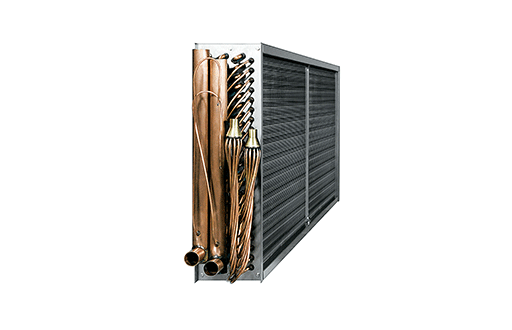
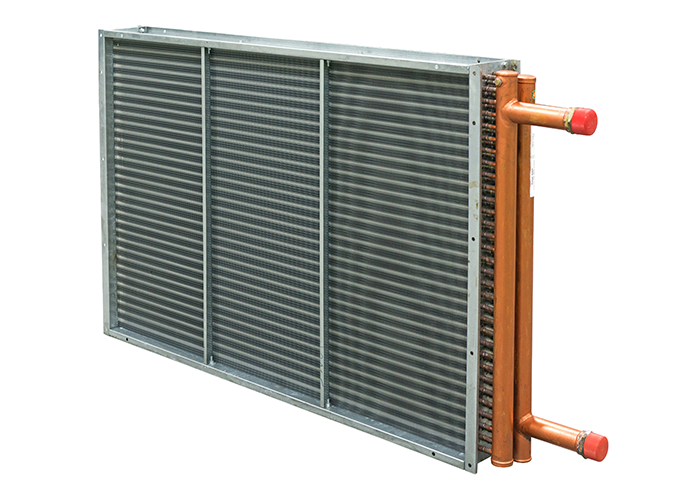
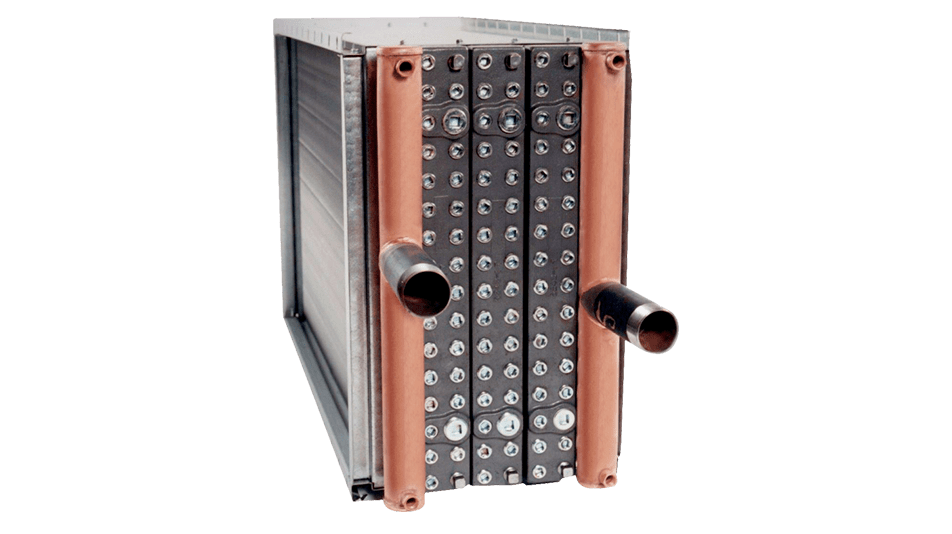
Commercial Air Handler Dx Evaporator Coil
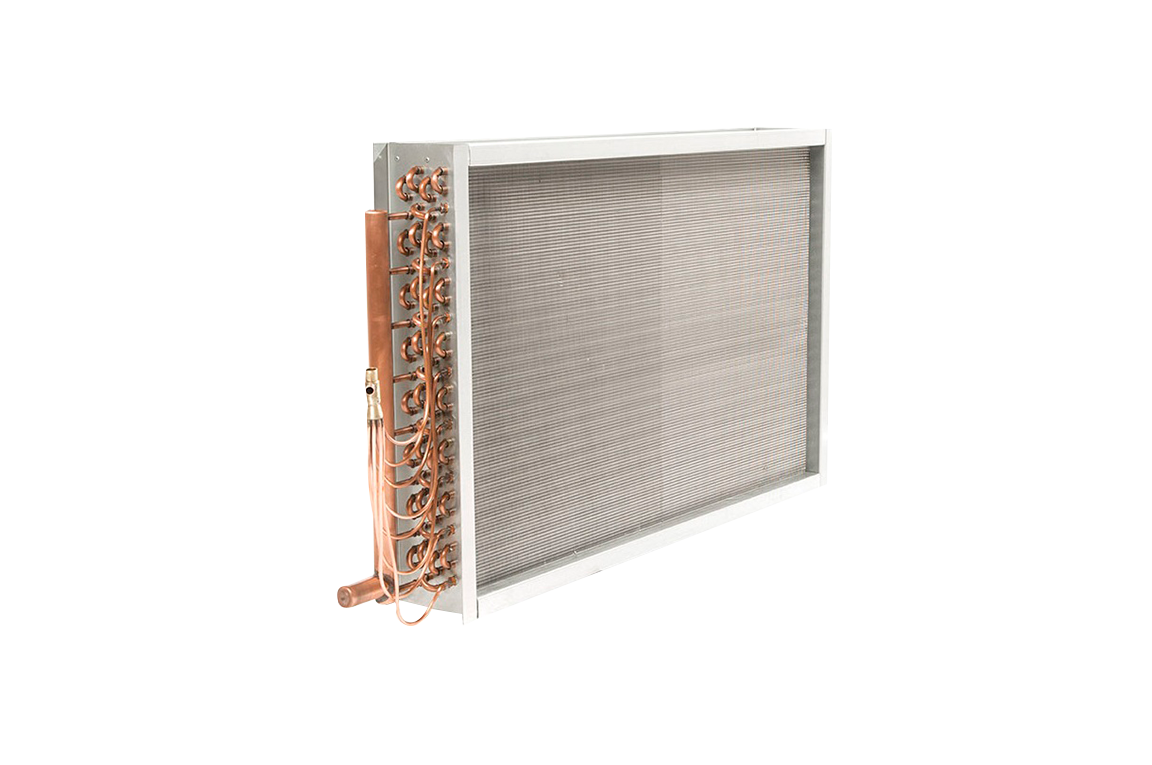
Let's face it: few things are more frustrating than a malfunctioning air conditioner, especially during the sweltering heat of summer. Imagine coming home to find your house is warmer than it should be, and you realize the air conditioning just isn't cooling. Before calling a professional, there are a few simple checks you can perform to diagnose the problem. We will focus on troubleshooting issues related to the evaporator coil located inside your air handler, specifically in a DX (Direct Expansion) system, commonly found in residential and small commercial settings.
Understanding the DX Evaporator Coil
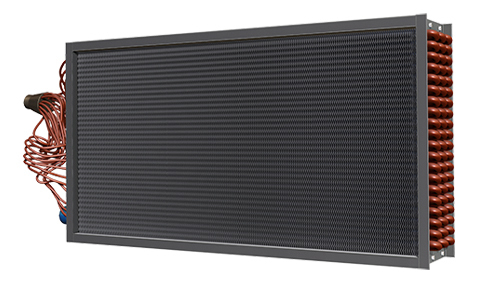
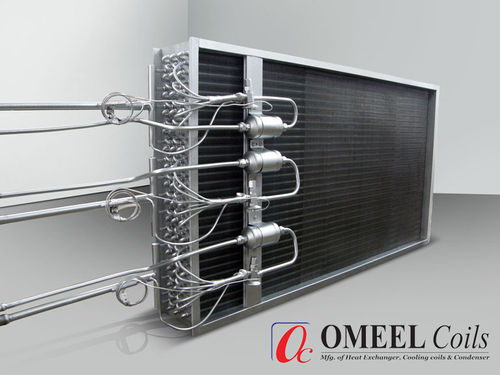
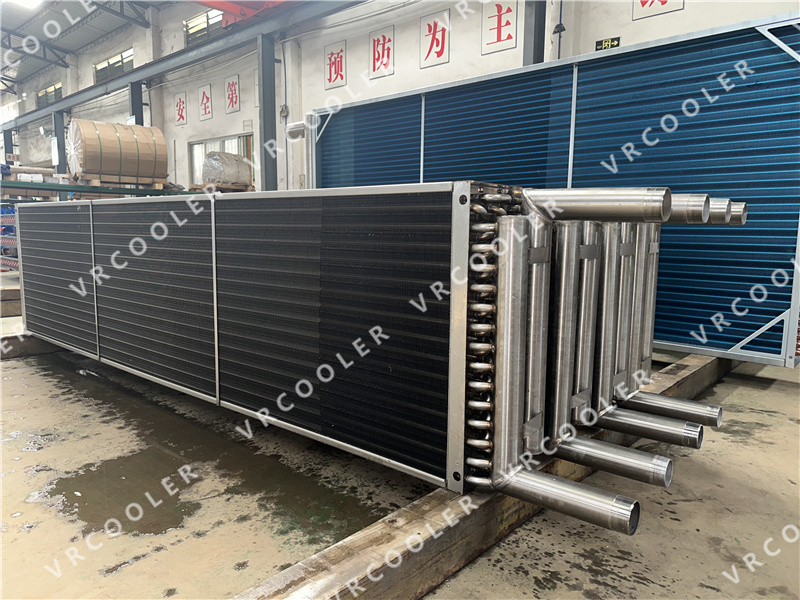
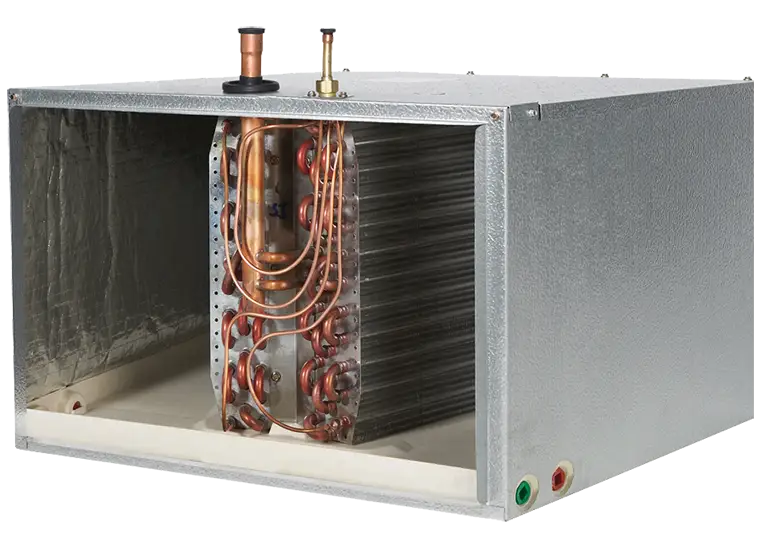
The evaporator coil is a critical component of your air conditioning system. It's responsible for absorbing heat from the air inside your building. Refrigerant flowing through the coil evaporates, absorbing heat and cooling the air that is then circulated through your ductwork. When the evaporator coil isn't working correctly, your AC won't cool effectively.
Safety First!
Before you begin any troubleshooting, it's essential to prioritize safety:
- Turn off the power: Locate the breaker that controls your air handler and turn it off. This is a crucial step to prevent electrical shock.
- Wear appropriate safety gear: Wear gloves and eye protection, especially if you suspect mold or other contaminants.
- Never work alone: Have someone nearby in case of an emergency.
Step-by-Step Troubleshooting Guide
1. Basic Checks: Power and Thermostat
Start with the obvious. Sometimes the simplest solutions are the correct ones.
- Verify Power Supply:
- Ensure the breaker for the air handler hasn't tripped. If it has, reset it. If it trips again immediately, do not keep resetting it. This indicates a more serious electrical issue requiring professional attention.
- Check the disconnect switch near the air handler. It should be in the "on" position.
- Thermostat Settings:
- Make sure the thermostat is set to "Cool" mode and the temperature is set lower than the current room temperature.
- Check the thermostat's batteries. A dead battery can prevent the thermostat from signaling the air handler to turn on.
- Ensure the fan setting is on "Auto" or "On." If it's on "Fan Only," the compressor won't engage, and you won't get cooled air.
- Air Filter: A dirty air filter is the most common cause of evaporator coil problems.
- A clogged filter restricts airflow, causing the evaporator coil to freeze up.
- Inspect the air filter and replace it if it's dirty. Use the recommended filter type and size for your unit.
DIY Fix: Replacing a dirty air filter is a simple and inexpensive task that can significantly improve your AC's performance.
2. Accessing the Evaporator Coil
This step requires some caution. The evaporator coil is typically located inside the air handler unit, which is often in an attic, basement, or closet. You'll need to remove an access panel to view the coil.
- Turn off the power to the air handler before removing any panels.
- Identify the access panel. It's usually held in place by screws or clips.
- Carefully remove the panel. Be mindful of any wires or components that might be attached to it.
3. Inspecting the Evaporator Coil
Once you have access to the evaporator coil, carefully inspect it for the following:
- Ice Buildup: This is a common problem. If the coil is covered in ice, it indicates a problem with airflow, refrigerant levels, or a malfunctioning expansion valve.
- Dirt and Debris: A dirty coil reduces its ability to absorb heat effectively.
- Leaks: Look for signs of refrigerant leaks, such as oily residue or a strong, sweet smell. (Refrigerant leaks require professional attention).
4. Addressing Ice Buildup
If you find ice buildup on the evaporator coil:
- Turn off the AC: Turn off the air conditioner at the thermostat and leave the fan running. This will help to thaw the ice.
- Check Airflow: As mentioned, a dirty air filter is a primary cause of ice buildup. Ensure the filter is clean. Also, check that supply and return vents are not blocked by furniture or other obstructions.
- Wait for Thawing: Allow several hours for the ice to melt completely. You can use a hair dryer (on a low setting and keeping a safe distance) to gently speed up the process, but be extremely careful not to damage the coil fins.
- Restart the AC: Once the ice is melted, turn the AC back on and monitor its performance. If the ice returns quickly, there's likely an underlying issue that needs professional attention.
Important Note: If the ice keeps forming after you've cleaned the filter and ensured adequate airflow, the problem is likely related to low refrigerant levels or a malfunctioning component, and you'll need to call a qualified HVAC technician.
5. Cleaning the Evaporator Coil (Surface Cleaning ONLY)
If the coil is dirty but not frozen, you can attempt to clean it gently.
- Use a Vacuum Cleaner: Use a vacuum cleaner with a brush attachment to remove loose dirt and debris from the coil fins. Be very gentle to avoid bending the fins.
- Fin Comb: If the fins are bent, use a fin comb to straighten them. This will improve airflow.
- No Chemicals: Do not use harsh chemicals or cleaning solutions, as they can damage the coil. If the coil is extremely dirty, it's best to have it professionally cleaned. Avoid high pressure washing the coil, you can damage the coil.
DIY Fix: Gently vacuuming the evaporator coil and straightening the fins can improve airflow and cooling efficiency. However, avoid deep cleaning without professional guidance, as you could damage the coil.
6. Checking the Condensate Drain Line
A clogged condensate drain line can also cause problems with the evaporator coil and lead to water leaks.
- Locate the Drain Line: The condensate drain line is a PVC pipe that runs from the air handler to a drain.
- Check for Clogs: Look for standing water or algae growth in the drain pan.
- Clear the Drain Line: You can use a wet/dry vacuum or a stiff wire to clear any clogs in the drain line. Some people also use a diluted bleach solution (1 part bleach to 10 parts water) to flush the line, but exercise caution and avoid getting bleach on other components.
DIY Fix: Clearing a clogged condensate drain line is a relatively simple task that can prevent water damage and improve AC performance.
7. When to Call a Professional
While some problems are simple to fix yourself, others require the expertise of a qualified HVAC technician. Call a professional if you encounter any of the following:
- Refrigerant Leaks: If you suspect a refrigerant leak (oily residue, sweet smell), do not attempt to fix it yourself. Refrigerant handling requires specialized equipment and training.
- Electrical Issues: If you suspect an electrical problem (e.g., a constantly tripping breaker), do not attempt to fix it yourself. Electrical work can be dangerous and should only be performed by a qualified electrician.
- Compressor Problems: The compressor is the heart of your AC system. If it's not working correctly, you'll need a professional to diagnose and repair it.
- Expansion Valve Issues: The expansion valve regulates the flow of refrigerant into the evaporator coil. If it's malfunctioning, it can cause ice buildup or other problems.
- Persistent Ice Buildup: If you've cleaned the filter, ensured adequate airflow, and the ice keeps returning, there's likely an underlying issue that needs professional attention.
- You are Unsure: If you're uncomfortable working on your AC system or you're unsure about what's causing the problem, it's always best to call a professional.
Preventive Maintenance
The best way to avoid evaporator coil problems is to perform regular preventive maintenance.
- Change Air Filters Regularly: Replace your air filter every 1-3 months, depending on the filter type and usage.
- Schedule Professional Maintenance: Have your AC system professionally inspected and maintained at least once a year. This will help to identify and address potential problems before they become major issues.
- Keep the Outdoor Unit Clean: Remove any debris, such as leaves and branches, from around the outdoor unit. This will ensure proper airflow.
Conclusion
Troubleshooting a malfunctioning DX evaporator coil can seem daunting, but by following these steps, you can often identify and resolve simple issues yourself. Remember to prioritize safety and never hesitate to call a professional when necessary. Regular maintenance is key to keeping your AC system running efficiently and preventing costly repairs. Good luck, and stay cool!