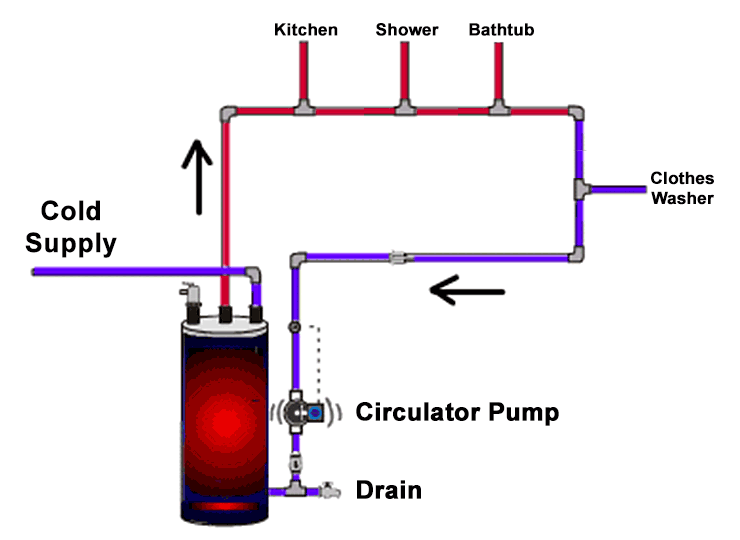
Commercial Hot Water Recirculation System Design

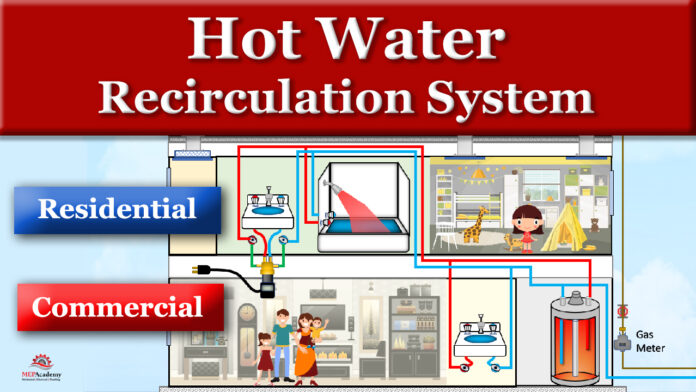
Commercial hot water recirculation systems are essential for providing instant hot water to various fixtures in large buildings, such as hotels, hospitals, and apartment complexes. A properly designed system not only enhances user comfort but also conserves water and energy. This article delves into the intricacies of commercial hot water recirculation system design, offering insights for HVAC students, experienced technicians, and employers seeking skilled professionals.
Understanding the Need for Recirculation
In large buildings, the distance between the water heater and the furthest fixture can be significant. Without a recirculation system, users often waste a considerable amount of water waiting for hot water to arrive. This wasted water also translates to wasted energy used to heat it. Recirculation systems address this issue by continuously circulating hot water through a loop, ensuring hot water is readily available at all points of use.
Benefits of Hot Water Recirculation Systems
- Water Conservation: Reduces the amount of water wasted while waiting for hot water.
- Energy Efficiency: Minimizes heat loss in pipes, reducing the energy needed to maintain water temperature.
- Improved User Comfort: Provides instant hot water, enhancing user satisfaction.
- Reduced Risk of Legionella: Keeps water moving, mitigating the risk of Legionella bacteria growth in stagnant water.
Design Considerations
Designing an effective commercial hot water recirculation system requires careful consideration of several factors, including building size, occupancy, fixture types, and local codes.
Sizing the System
Proper sizing is crucial for optimal performance. An undersized system will not deliver hot water quickly enough, while an oversized system will consume unnecessary energy. Key factors to consider include:
- Peak Demand: Estimating the maximum hot water demand during peak usage times. This can be determined using plumbing fixture unit (PFU) calculations and demand curves.
- Pipe Size: Selecting appropriate pipe sizes to maintain adequate flow rates and minimize pressure drop. Industry standard is to maintain a flow rate that prevents stratification in the pipes.
- Pump Selection: Choosing a recirculation pump that can deliver the required flow rate and head pressure. Variable speed pumps are often used to optimize energy efficiency.
- Water Heater Capacity: Ensuring the water heater has sufficient capacity to meet peak demand.
Piping Layout
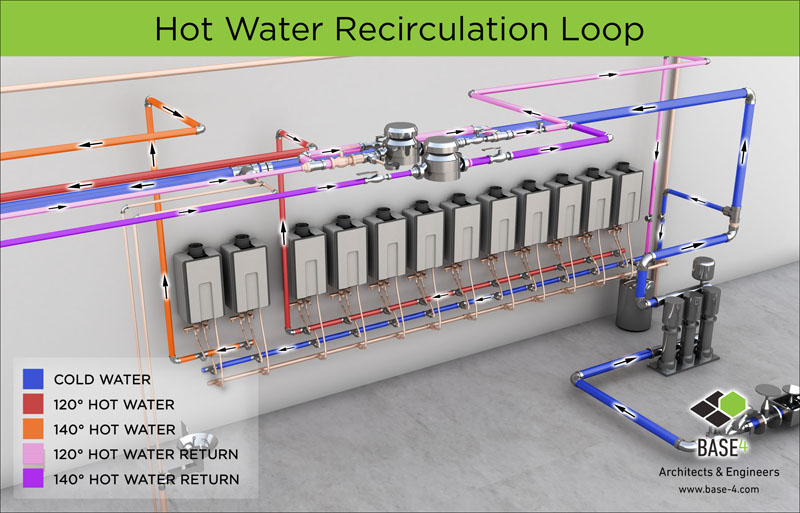
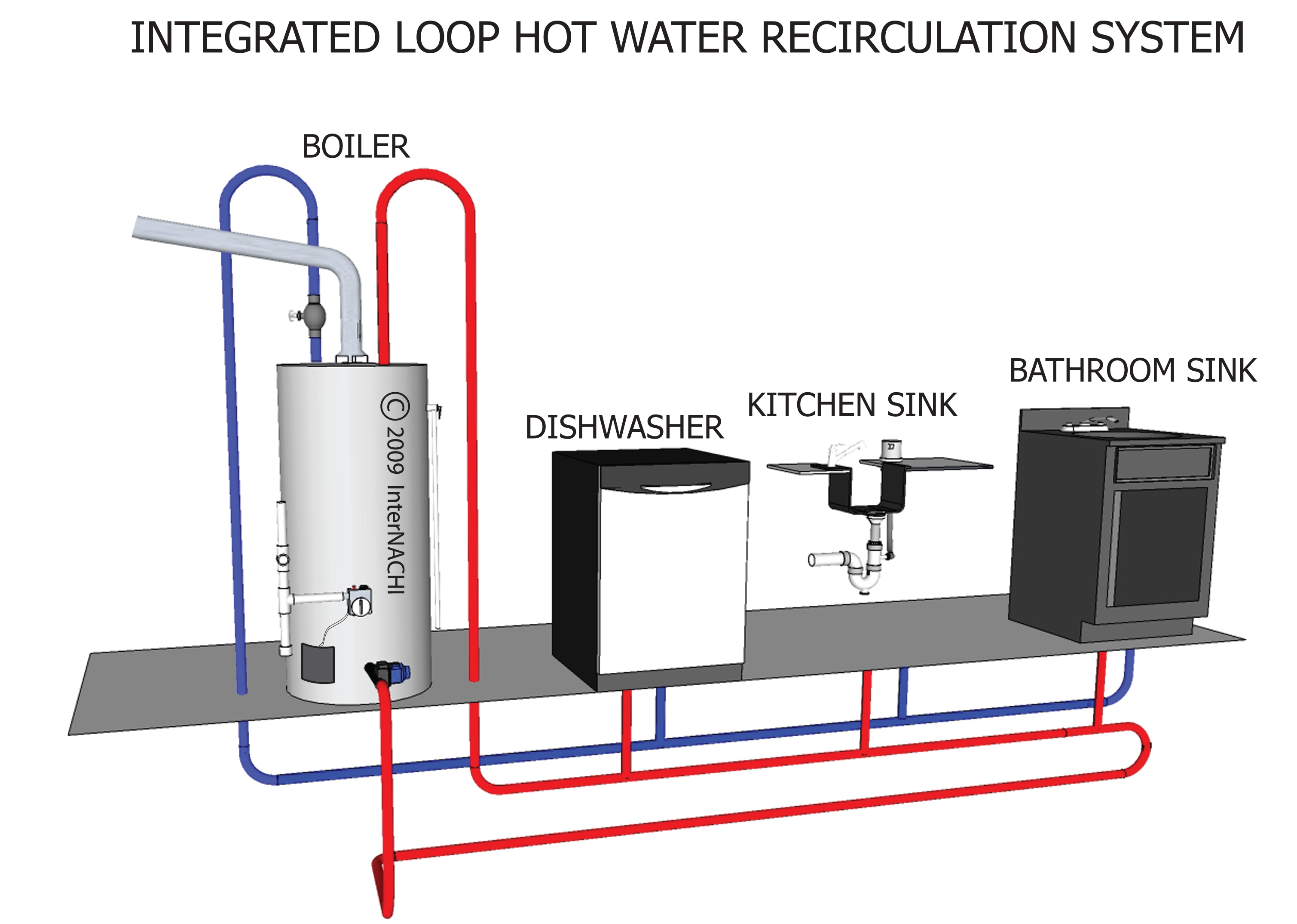
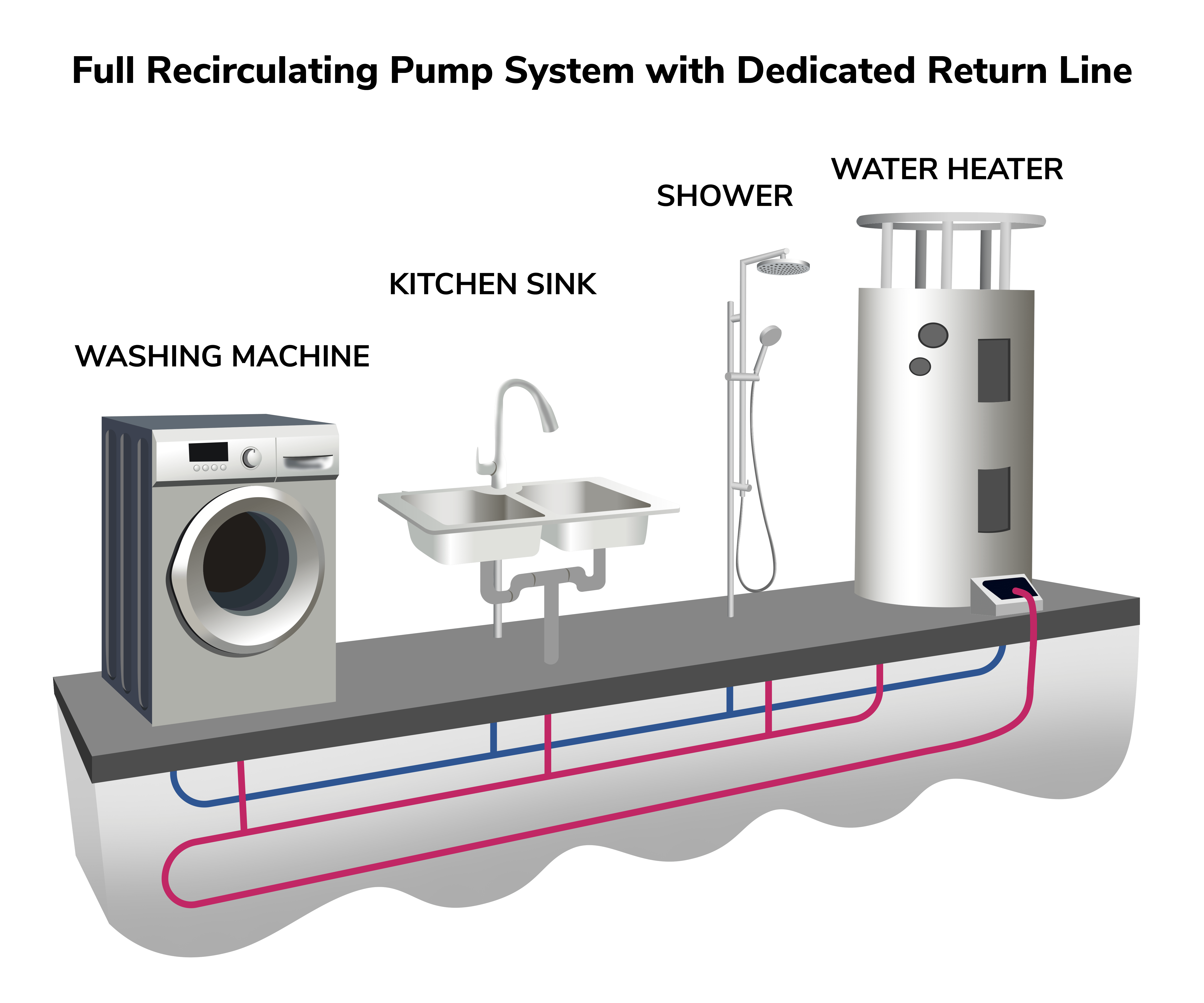
The piping layout should be designed to minimize heat loss and ensure even water distribution. Common configurations include:
- Direct Return: The return line connects directly to the water heater. This is the simplest configuration but can lead to uneven water distribution.
- Reverse Return: The return line connects to the farthest fixture, ensuring that all fixtures receive hot water at approximately the same temperature. This is the preferred configuration for larger systems.
- Zoned Recirculation: Dividing the building into zones and using separate recirculation pumps for each zone. This is useful for buildings with varying usage patterns.
Temperature Control
Maintaining the correct water temperature is essential for both user comfort and safety. Thermostatic mixing valves (TMVs) are used to blend hot and cold water to a safe and comfortable temperature at the point of use, preventing scalding. The American Society of Sanitary Engineering (ASSE) offers standards for these valves.
Insulation
Proper insulation of all hot water pipes is critical to minimize heat loss and improve energy efficiency. Insulation materials should be selected based on their thermal resistance (R-value) and ability to withstand high temperatures.
Control Systems
Advanced control systems can further optimize the performance of recirculation systems. These systems can monitor water temperature, flow rate, and pressure, and adjust the pump speed accordingly. Smart controls offer features like occupancy-based scheduling.
Maintenance and Troubleshooting
Regular maintenance is essential to ensure the long-term performance of a commercial hot water recirculation system. Common maintenance tasks include:
- Inspecting Pumps: Checking for leaks, noise, and vibration.
- Flushing Pipes: Removing sediment and scale buildup.
- Testing TMVs: Ensuring they are functioning properly.
- Monitoring Water Temperature: Verifying that the water temperature is within the desired range.
Common troubleshooting issues include:
- Insufficient Hot Water: Caused by undersized equipment, pump failure, or clogged pipes.
- Excessive Heat Loss: Caused by inadequate insulation or leaks.
- Pump Noise: Caused by cavitation, air in the system, or pump failure.
Career Opportunities in HVAC
The demand for skilled HVAC technicians is projected to grow in the coming years. According to the U.S. Bureau of Labor Statistics, the median annual wage for HVACR mechanics and installers was $51,390 in May 2021. The job outlook is projected to grow 5 percent from 2021 to 2031. This growth is driven by increased construction activity, stricter energy efficiency standards, and the need to replace aging HVAC systems.
Entry-Level Positions
Entry-level positions in HVAC often involve assisting experienced technicians with installation, maintenance, and repair tasks. These positions provide valuable on-the-job training and can lead to more advanced roles.
Experienced Technician Roles
Experienced HVAC technicians can specialize in various areas, such as commercial refrigeration, building automation, or energy management. These roles require advanced knowledge and skills and often command higher salaries. The average salary for experienced HVAC technicians can range from $60,000 to $80,000 per year, depending on experience, location, and specialization.
Certifications and Training
Certifications can significantly enhance career prospects and earning potential in the HVAC industry. Some of the most recognized certifications include:
- NATE (North American Technician Excellence): NATE certification is a widely recognized credential that demonstrates competency in HVAC installation, service, and maintenance.
- EPA Section 608 Certification: Required for technicians who handle refrigerants.
- HVAC Excellence: Offers various certifications in specific areas, such as air conditioning, heating, and refrigeration.
- RSES (Refrigeration Service Engineers Society): Provides training and certification programs for HVAC professionals.
In addition to certifications, ongoing training is essential to stay up-to-date with the latest technologies and industry best practices. Many vocational schools, community colleges, and manufacturers offer training programs for HVAC professionals.
Career Paths
An HVAC career can lead to various paths. A technician might start as an installer, progress to a service technician, and eventually become a lead technician or supervisor. Some technicians pursue further education to become HVAC engineers or project managers. Others start their own HVAC businesses.
Real-World Example: From Apprentice to Business Owner
Consider the story of John, who started as an HVAC apprentice at a local company. He diligently learned the trade, obtained his NATE certification, and gained experience in commercial HVAC systems. After several years, John decided to start his own HVAC business, specializing in commercial hot water recirculation system design and installation. Today, John's business is thriving, and he employs several other HVAC technicians.
Employer Considerations
Employers in the HVAC industry need to attract and retain skilled workers to meet the growing demand for HVAC services. Key strategies include:
- Offering Competitive Salaries and Benefits: Attract top talent by offering competitive compensation packages.
- Providing Training and Development Opportunities: Invest in employee training to enhance their skills and knowledge.
- Creating a Positive Work Environment: Foster a supportive and inclusive work environment.
- Recognizing and Rewarding Performance: Acknowledge and reward employees for their contributions.
- Investing in Technology: Provide employees with the tools and technology they need to succeed.
Employers should also prioritize safety and provide employees with the necessary safety equipment and training. Creating a culture of safety can help prevent accidents and injuries.
Staying Ahead of Industry Trends
The HVAC industry is constantly evolving, with new technologies and regulations emerging regularly. To stay ahead of the curve, HVAC professionals should:
- Attend Industry Conferences and Trade Shows: Learn about the latest products and technologies.
- Read Trade Publications and Online Forums: Stay informed about industry news and trends.
- Network with Other Professionals: Share knowledge and experiences with colleagues.
- Pursue Continuing Education: Keep skills and knowledge up-to-date.
Emerging trends in the HVAC industry include the increasing use of smart technologies, energy-efficient equipment, and sustainable practices. HVAC professionals who embrace these trends will be well-positioned for success in the future.
Conclusion
Commercial hot water recirculation system design is a complex but rewarding field within the HVAC industry. By understanding the principles of system design, maintenance, and troubleshooting, HVAC professionals can provide valuable services to building owners and occupants. With a strong demand for skilled HVAC technicians, there are numerous career opportunities available for those who are willing to invest in their education and training. Whether you're a student, experienced technician, or employer, staying informed about industry trends and best practices is essential for success in the dynamic world of HVAC.