Como Cambiar El Filtro De Aire Acondicionado

Maintaining a well-functioning air conditioning system is crucial for comfort, air quality, and energy efficiency. A key aspect of this maintenance is regularly replacing your air conditioner's air filter. This article provides a comprehensive guide on how to change your AC filter, catering to homeowners, HVAC technicians, and facility managers.
Understanding Air Conditioner Filters
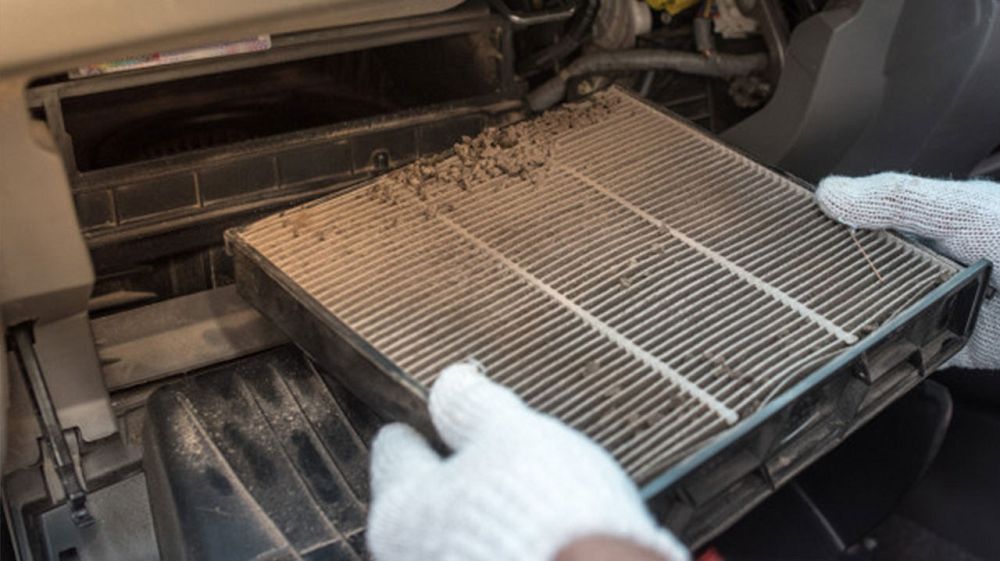
The air filter in your AC unit isn't just about clean air for breathing; it's a vital component for the system's overall health. It primarily captures dust, pollen, pet dander, and other airborne particles, preventing them from circulating throughout your home or building. More importantly, it protects the delicate components of your AC unit, particularly the evaporator coil. A dirty filter restricts airflow, causing the system to work harder, leading to:
- Reduced cooling efficiency
- Increased energy consumption and higher utility bills
- Overheating and potential damage to the compressor
- Frozen evaporator coils
- Poor indoor air quality
Understanding the MERV (Minimum Efficiency Reporting Value) rating of your filter is important. MERV ratings range from 1 to 20. Higher MERV ratings indicate greater filtration efficiency, capturing smaller particles. While a higher MERV rating might seem ideal, it's crucial to consider your system's capabilities. A filter with a very high MERV rating can overly restrict airflow in systems not designed for it. For most residential applications, a MERV rating between 8 and 13 is recommended. HVAC technicians often recommend starting with a lower MERV and observing the system's performance, especially for older units.
Locating Your Air Conditioner Filter
Finding your AC filter is the first step in replacing it. The location varies depending on the type of system you have:
- Forced-Air Furnaces/Central AC: The filter is typically located in the return air duct, where air is drawn into the furnace or air handler. Look for a slot or access panel on the side or bottom of the unit. Common locations include the furnace itself or a wall-mounted return air grille.
- Heat Pumps: Similar to forced-air systems, the filter is usually located in the return air duct of the indoor unit.
- Window Units: The filter is usually behind the front grille. You'll likely need to remove the grille to access the filter.
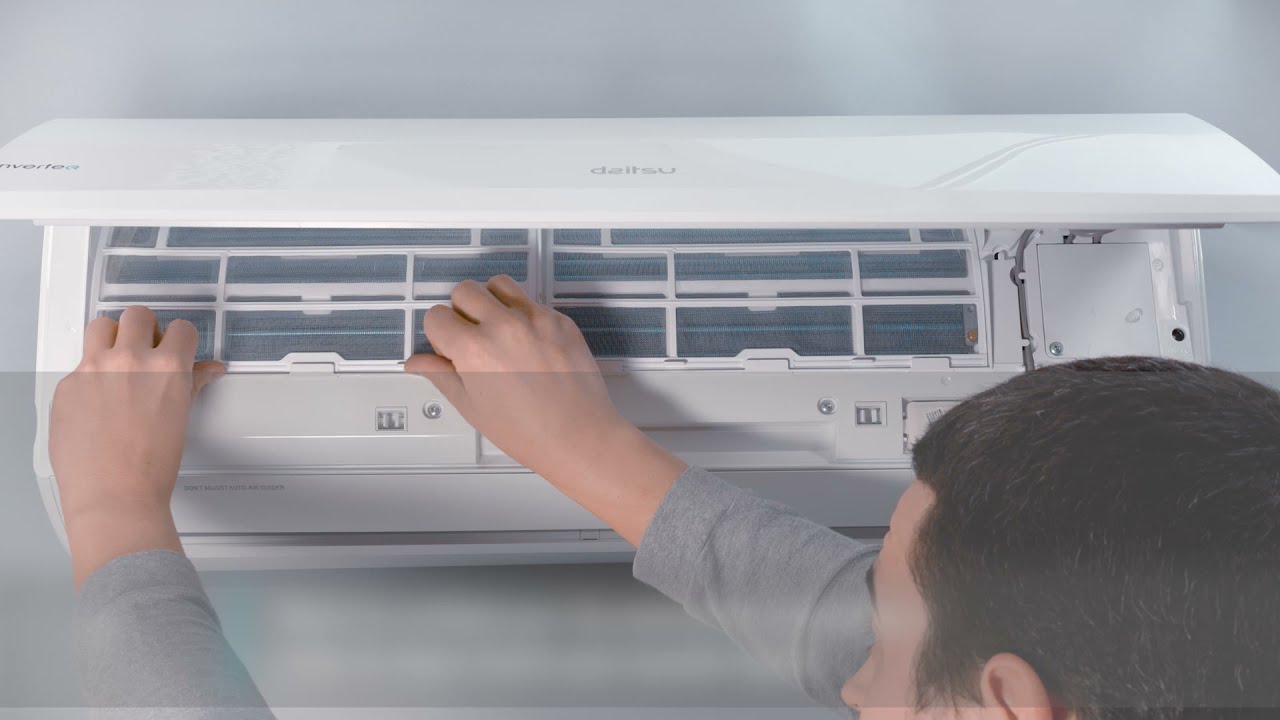
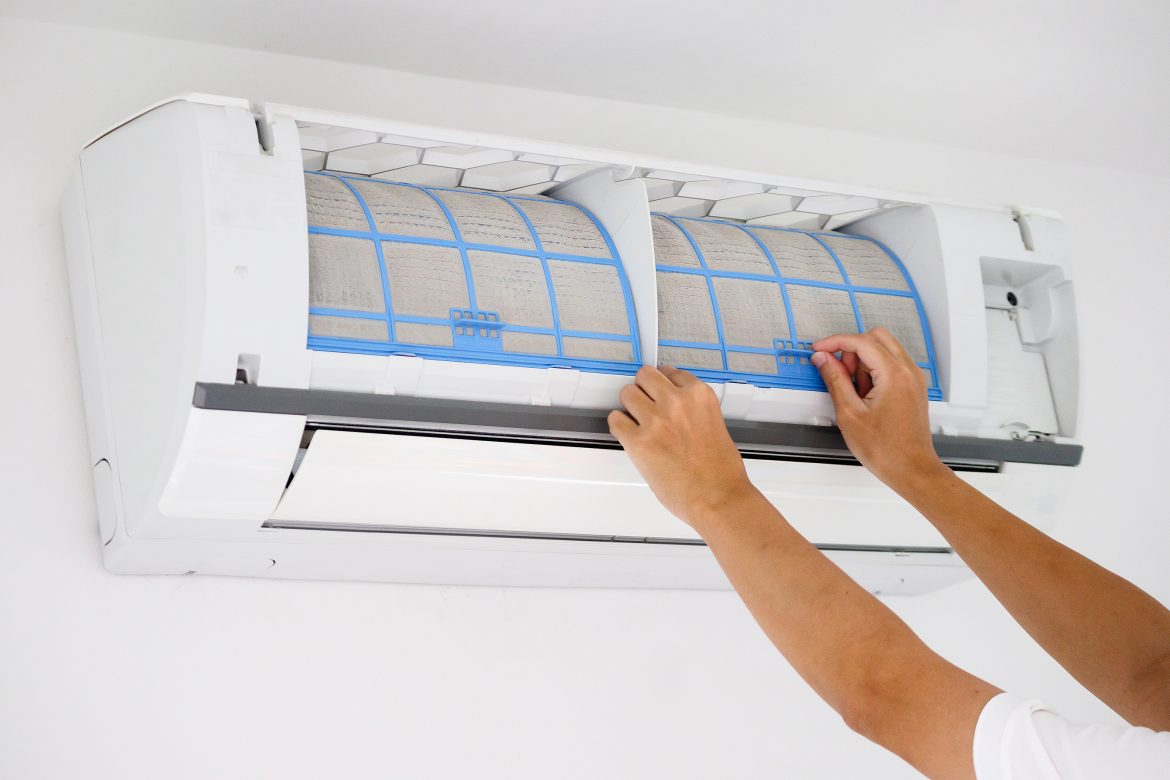
- Ductless Mini-Splits: These systems typically have washable filters located behind the indoor unit's front panel.
- Package Units (Rooftop or Ground-Level): The filter access panel is usually located on the unit itself. Refer to the unit's manual for the exact location.
If you're unsure, consult your system's owner's manual or contact an HVAC professional. Property managers should keep a record of filter locations for all units under their care.
Step-by-Step Guide to Changing Your AC Filter
Before you begin, gather the necessary tools and materials:
- New air filter (ensure it's the correct size and MERV rating)
- Screwdriver (if needed to open the access panel)
- Vacuum cleaner (optional, for cleaning the filter housing)
- Gloves (optional, for added hygiene)
Here's the process:
- Turn Off the System: Before starting any maintenance, turn off your AC unit at the thermostat and, ideally, at the circuit breaker. This prevents any accidental operation while you're working on it.
- Locate and Open the Filter Access Panel: Use a screwdriver if necessary to remove any screws securing the access panel.
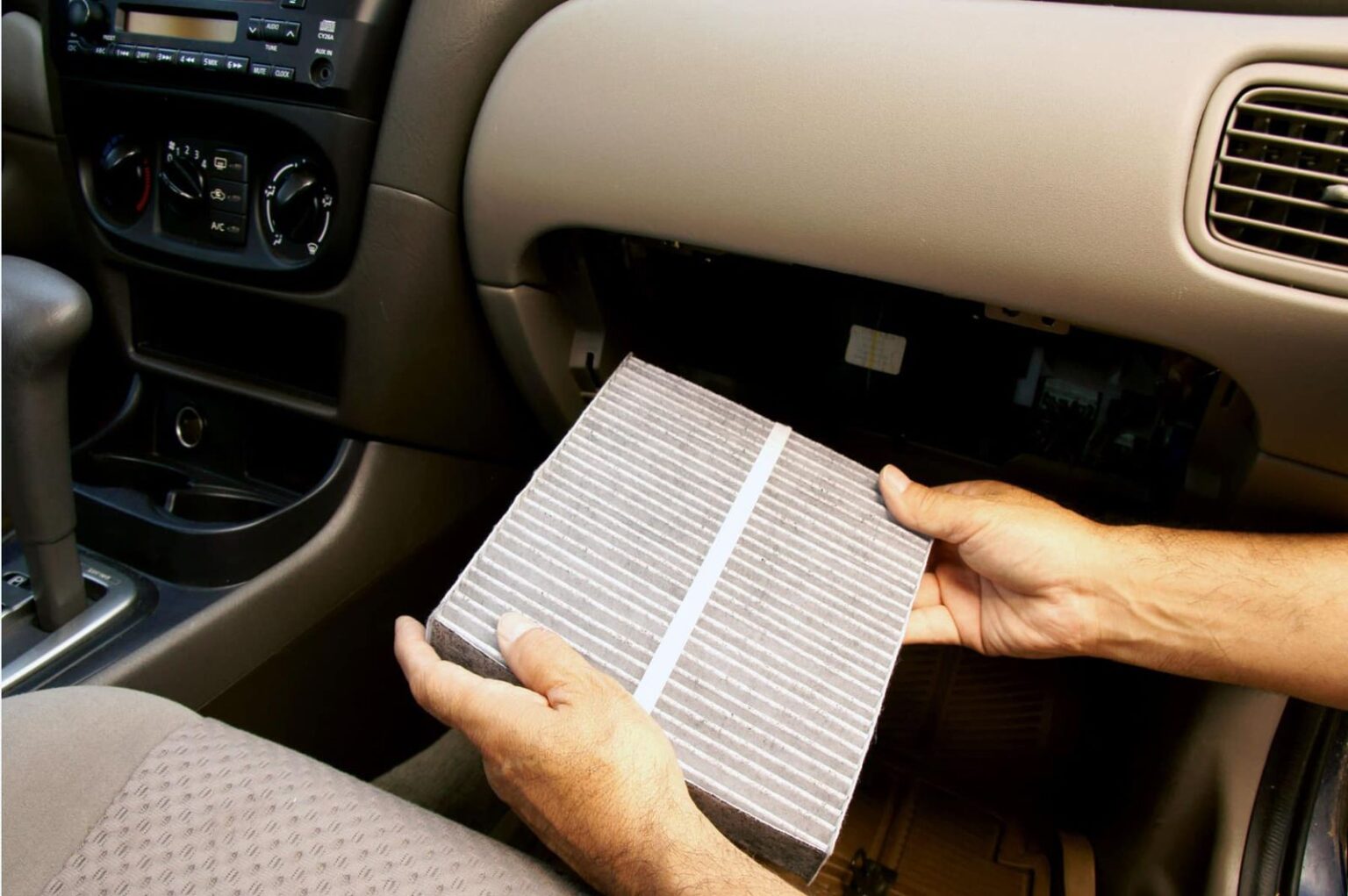
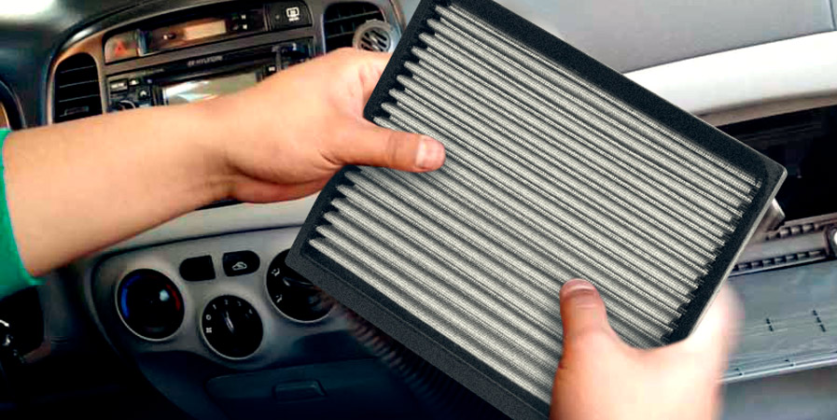
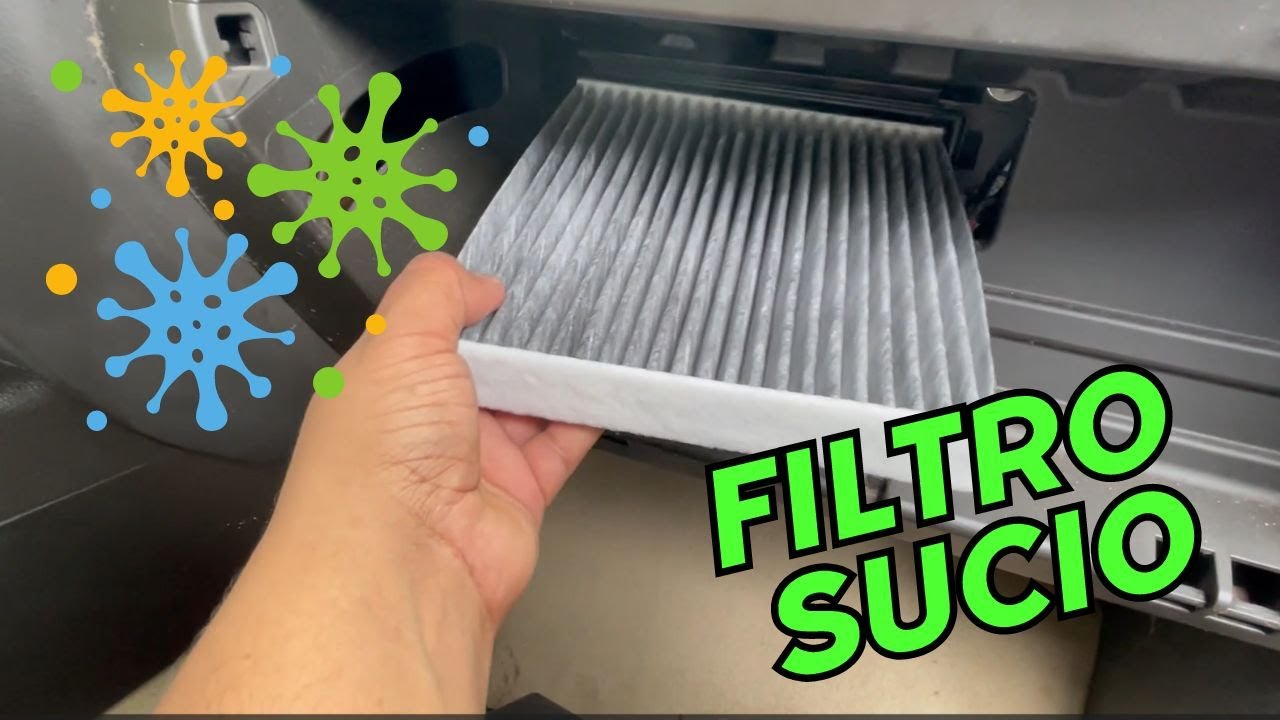
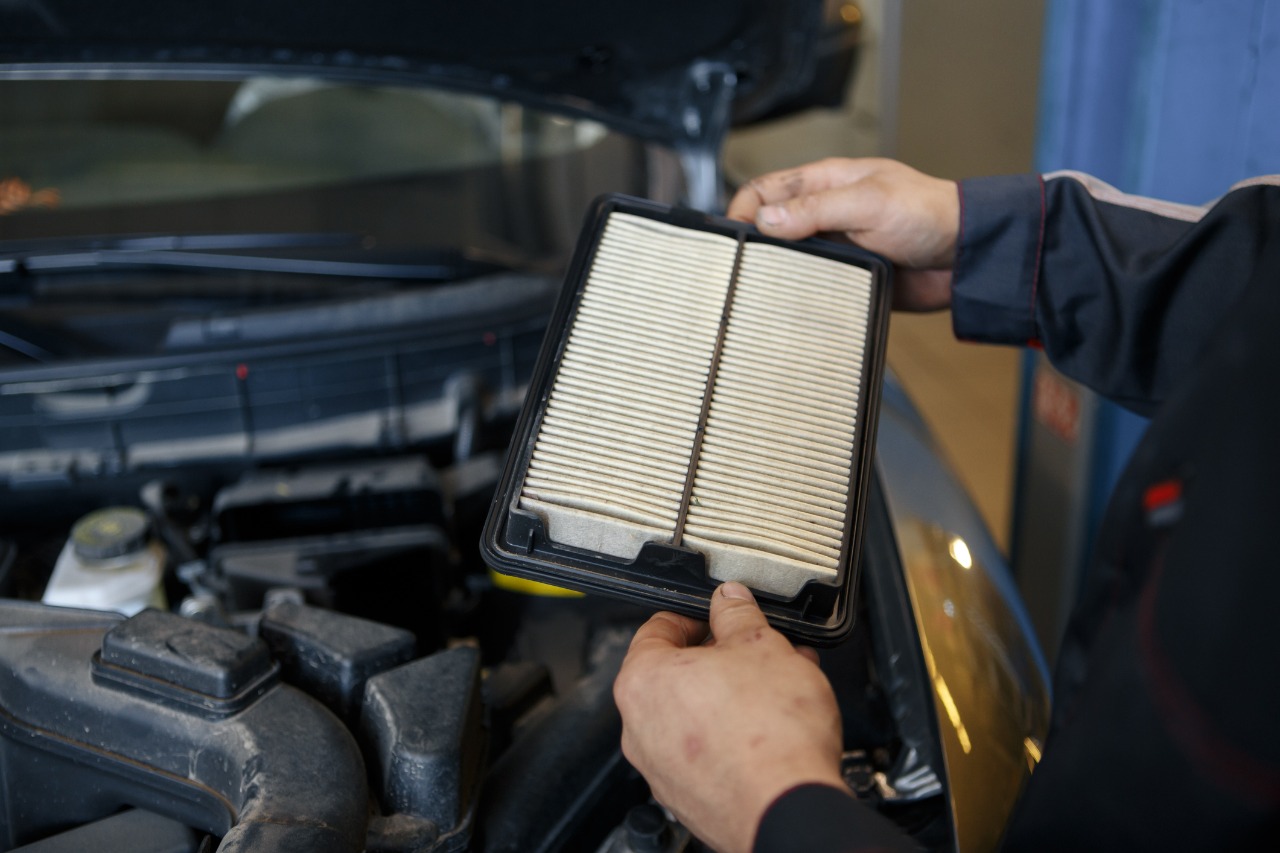
- Remove the Old Filter: Carefully slide out the old filter. Note the direction of airflow – there's usually an arrow printed on the filter indicating which way it should be installed. This is crucial for proper filtration. If the old filter is excessively dirty, consider wearing a mask to avoid inhaling dust and allergens.
- Clean the Filter Housing (Optional): Use a vacuum cleaner to remove any dust or debris that has accumulated inside the filter housing.
- Insert the New Filter: Align the arrow on the new filter with the direction of airflow, matching the orientation of the old filter. Gently slide the new filter into place. Ensure it fits snugly without being forced.
- Close the Access Panel: Replace the access panel and secure it with screws if necessary.
- Turn the System Back On: Turn the AC unit back on at the circuit breaker and the thermostat.
- Monitor Performance: After replacing the filter, monitor your system's performance. Listen for any unusual noises and check the airflow from the vents.
Filter Types and Costs
Air filters come in various types, each with its own pros and cons:
- Fiberglass Filters: These are the least expensive option, typically costing between $1 and $5 each. They offer minimal filtration and are primarily designed to protect the HVAC equipment, not improve air quality. They are commonly used in older systems or rental properties where cost is a primary concern.
- Pleated Filters: These filters offer better filtration than fiberglass filters and are more effective at capturing smaller particles. They typically cost between $5 and $20 each. They are a good balance of cost and performance for most residential applications.
- Electrostatic Filters: These filters use an electrostatic charge to attract and trap particles. They offer excellent filtration and are often washable, making them a reusable option. They can cost between $20 and $50 each.
- HEPA Filters: HEPA (High-Efficiency Particulate Air) filters are the most effective at capturing very small particles, including bacteria and viruses. They are often used in hospitals and other environments where air quality is critical. However, they can significantly restrict airflow and are not suitable for all HVAC systems. They typically cost between $30 and $100 each. Consult with an HVAC professional before using a HEPA filter in your system.
The lifespan of an air filter depends on several factors, including the type of filter, the amount of dust and debris in the air, and the frequency of AC usage. As a general guideline:
- Fiberglass filters: Replace every 30 days.
- Pleated filters: Replace every 30-90 days.
- Electrostatic filters: Clean or replace every 30-90 days (depending on the manufacturer's instructions).
- HEPA filters: Replace every 6-12 months (or as recommended by the manufacturer).
Regularly checking your filter and replacing it as needed is essential for maintaining optimal AC performance and air quality. Facilities managers should implement a schedule for filter replacement based on the specific needs of their buildings.
Troubleshooting Common Issues
Here are some common issues you might encounter when changing your AC filter:
- Difficulty Removing the Old Filter: If the old filter is stuck, gently wiggle it back and forth to loosen it. Avoid forcing it, as this could damage the filter housing.
- Incorrect Filter Size: Make sure you purchase the correct size filter for your system. Check the dimensions of the old filter before buying a new one.
- Access Panel Won't Close Properly: Ensure the filter is fully seated in the housing and that the access panel is aligned correctly.
- System Not Working After Filter Change: Double-check that you turned the system back on at the thermostat and the circuit breaker. Also, ensure the filter is installed in the correct direction.
If you're unable to resolve these issues yourself, contact a qualified HVAC technician.
The Importance of Professional Maintenance
While changing your AC filter is a simple task, it's essential to have your entire HVAC system professionally inspected and maintained regularly. A qualified HVAC technician can:
- Clean the evaporator and condenser coils
- Check refrigerant levels
- Inspect electrical connections
- Lubricate moving parts
- Identify and address any potential problems before they become major issues
Regular professional maintenance can extend the lifespan of your AC system, improve its efficiency, and prevent costly repairs. Consider scheduling a tune-up at least once a year, preferably in the spring before the cooling season begins.
Conclusion
Changing your AC filter is a simple yet crucial task that can significantly impact your system's performance, energy efficiency, and indoor air quality. By following the steps outlined in this article, you can easily maintain your AC system and ensure a comfortable and healthy living or working environment. Remember to choose the right type of filter for your system, replace it regularly, and schedule professional maintenance to keep your AC running smoothly for years to come. Understanding the role of components like the compressor and the importance of refrigerant levels are also key to overall system health, though these are best left to trained professionals to manage. This proactive approach saves money on energy bills and avoids unexpected breakdowns.