Components Of A Heat Pump System
Are you experiencing inconsistent heating or cooling from your heat pump? Maybe it's blowing lukewarm air when it should be hot, or not cooling as effectively as it used to. Don't panic! Many heat pump issues can be diagnosed and even resolved with a bit of troubleshooting. This guide will walk you through the most common heat pump problems and provide a step-by-step process for diagnosing the issue and, in some cases, performing basic repairs.
Understanding Your Heat Pump System
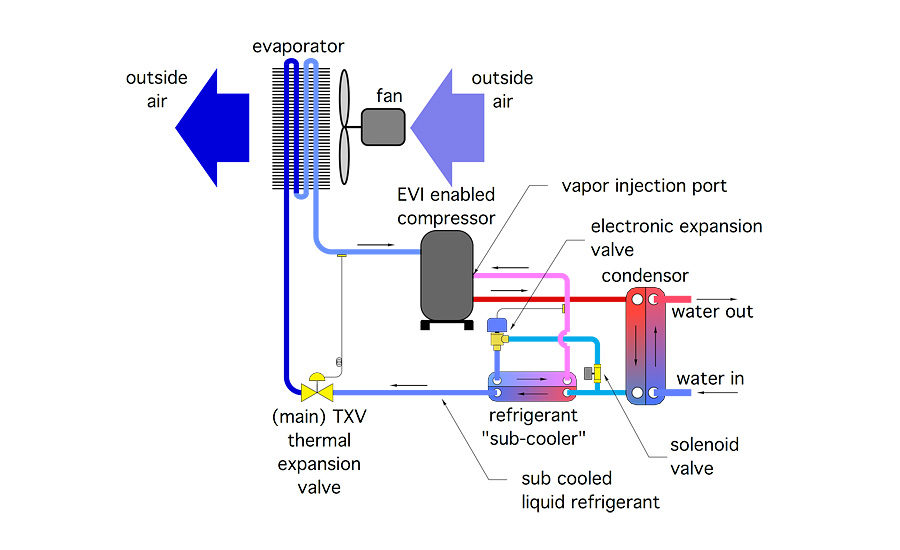
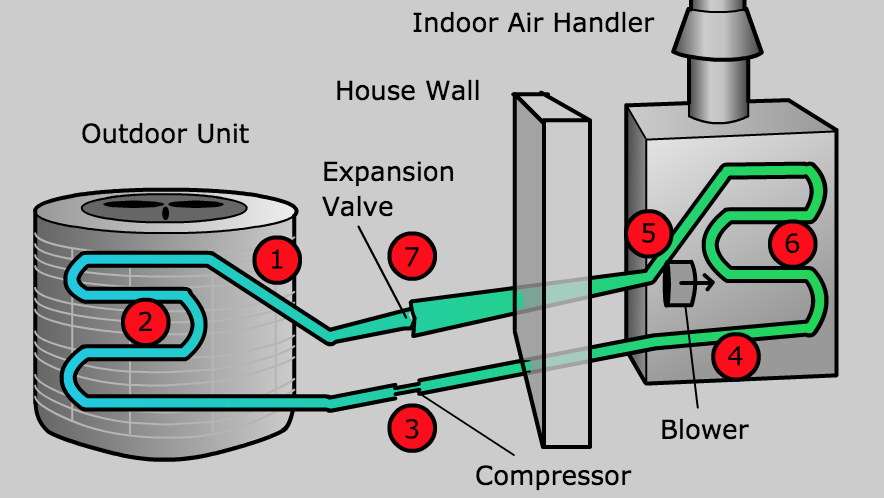
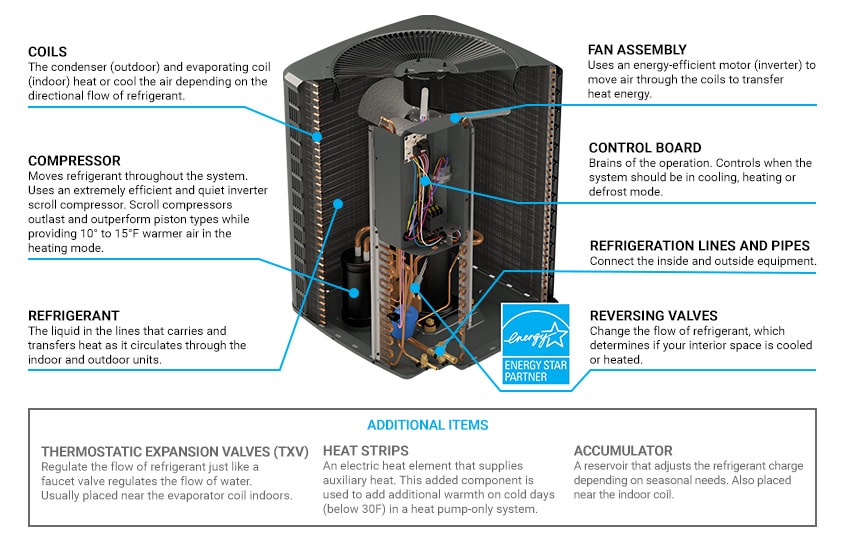
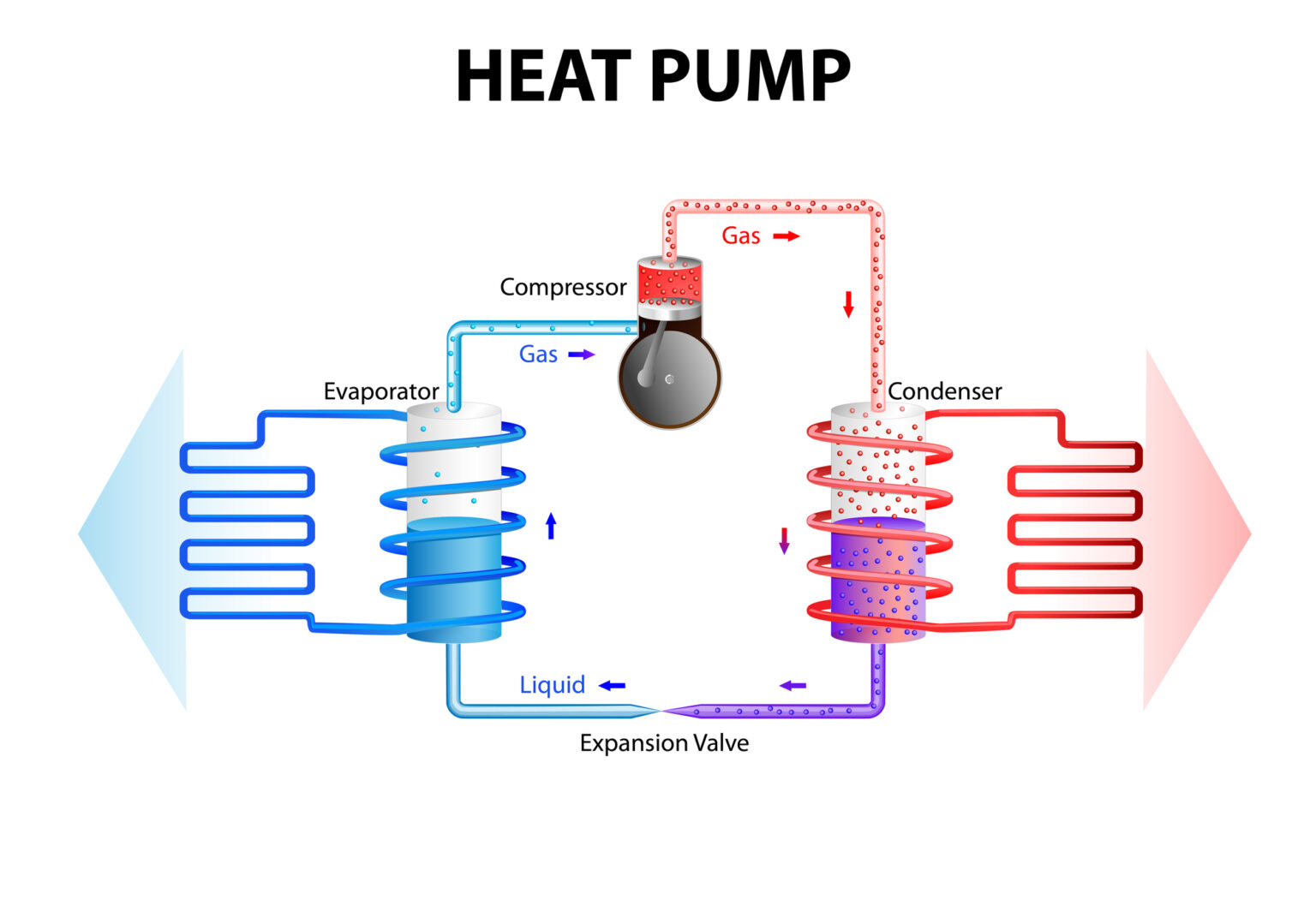
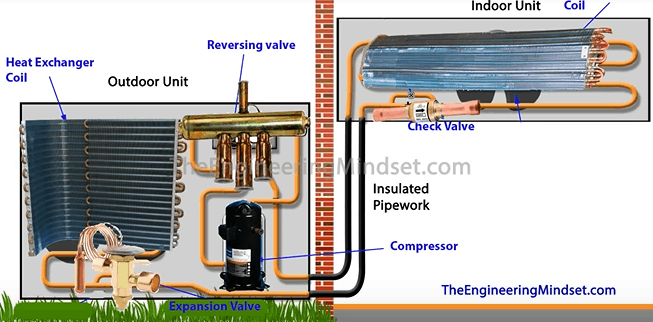
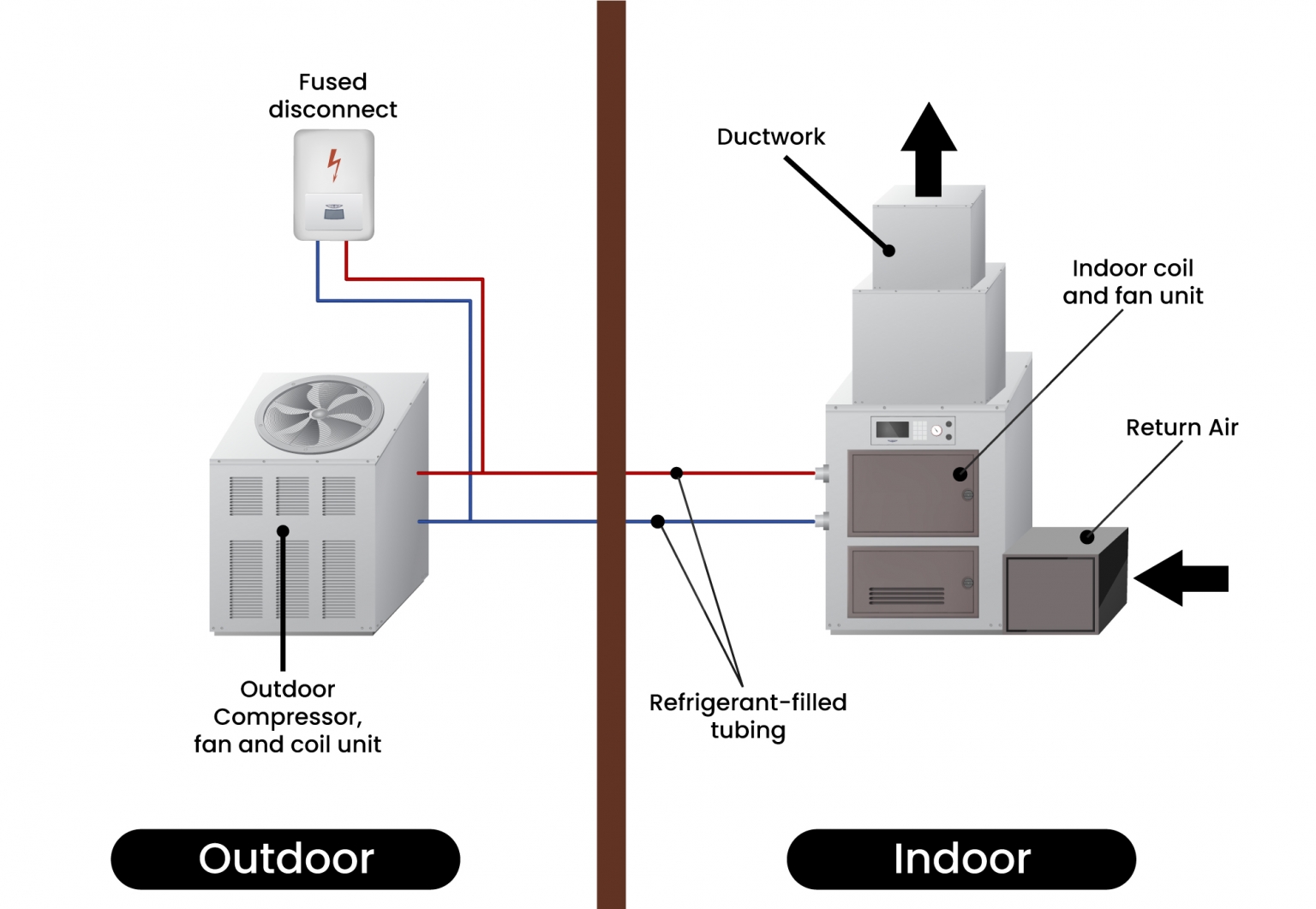
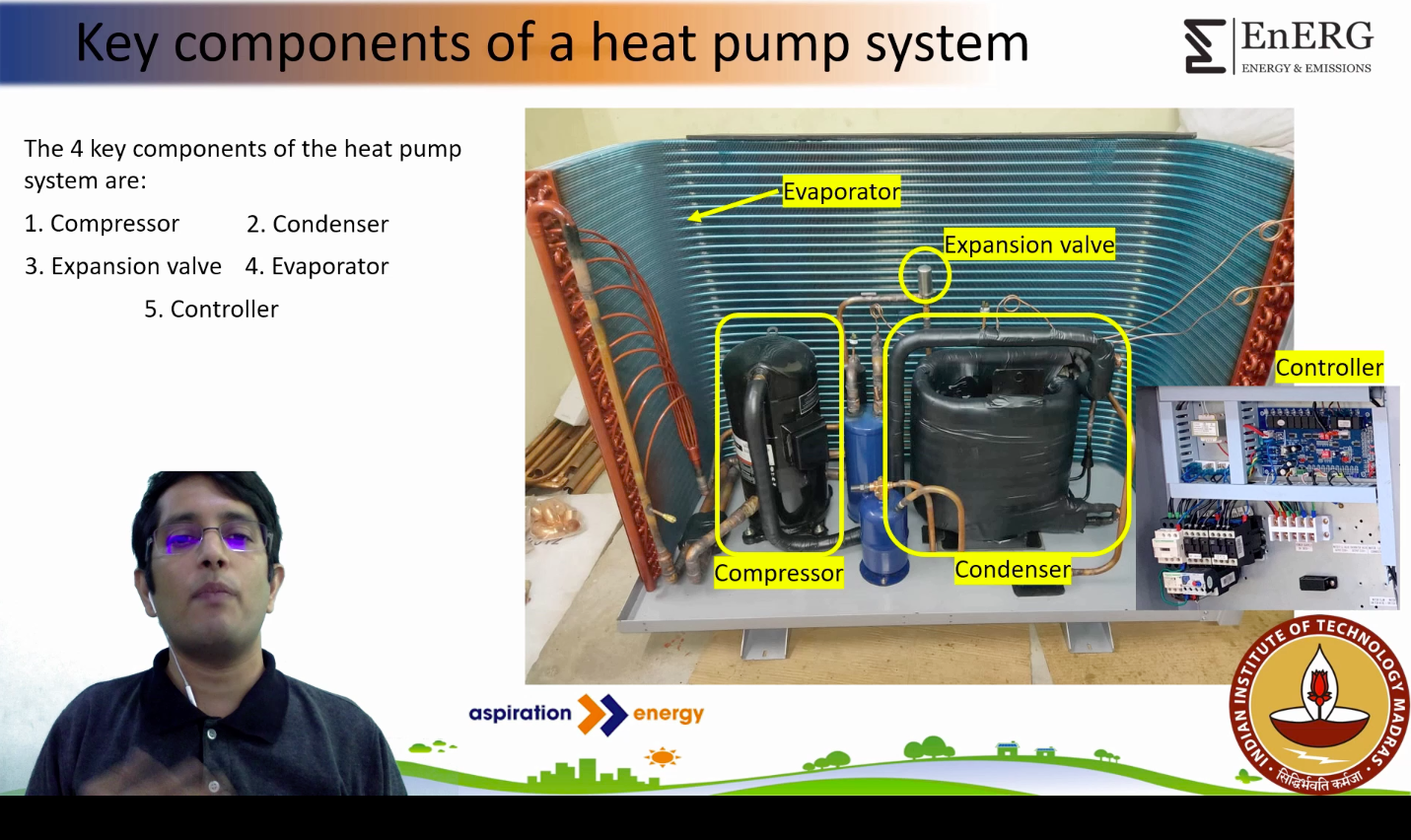
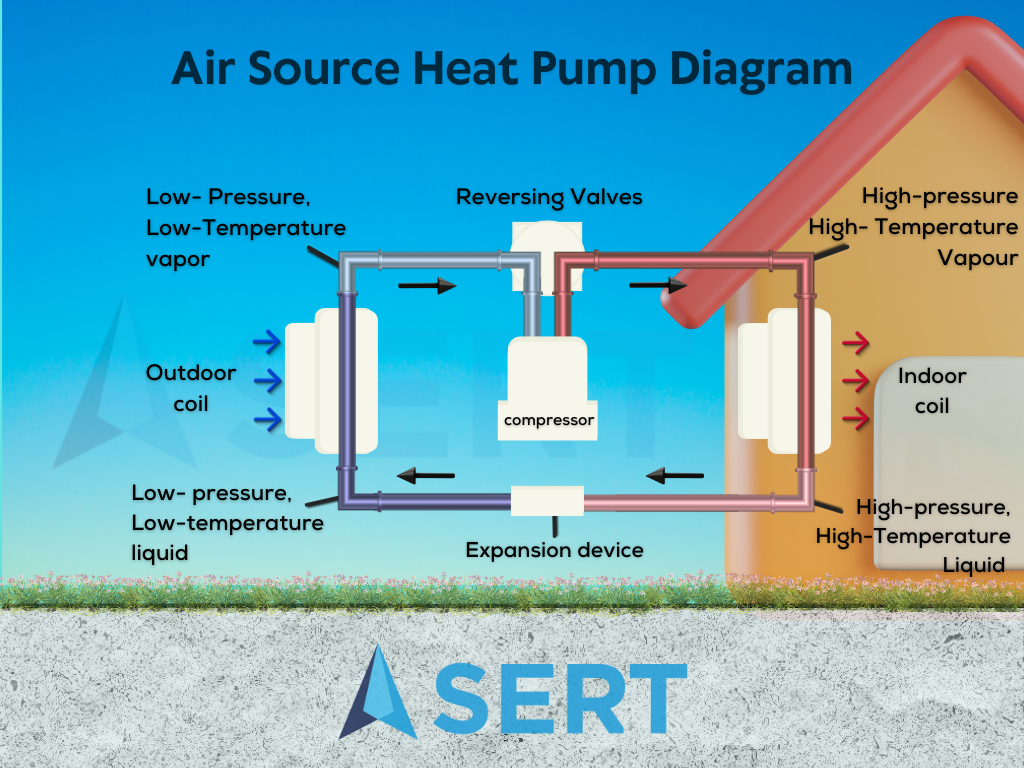
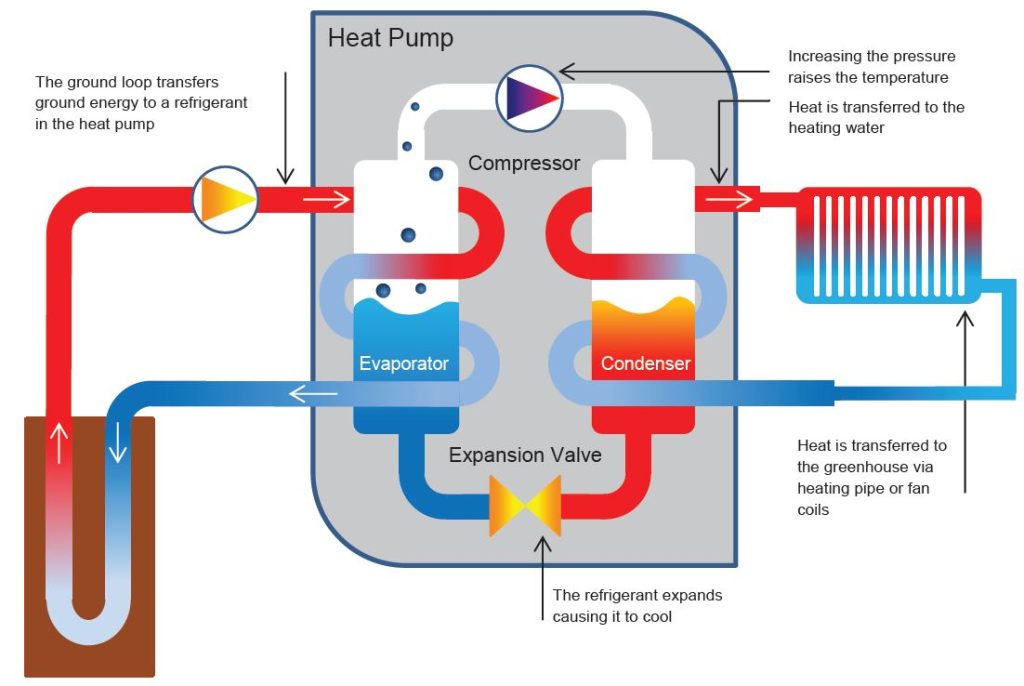
Before diving into troubleshooting, it's crucial to understand the basic components of a heat pump system. Knowing what each part does will help you pinpoint potential problems:
- Outdoor Unit (Condenser): This is the unit located outside your home. It contains the compressor, the condenser coil, and a fan. It's responsible for releasing or absorbing heat from the outside air.
- Indoor Unit (Air Handler): Located inside your home, this unit contains the evaporator coil, a blower fan, and sometimes auxiliary electric heat strips. It circulates air throughout your home, either heating or cooling it.
- Refrigerant Lines: These copper pipes connect the outdoor and indoor units, carrying the refrigerant that absorbs and releases heat.
- Reversing Valve: This valve switches the direction of refrigerant flow, allowing the heat pump to switch between heating and cooling modes.
- Thermostat: The thermostat controls the entire system, allowing you to set the desired temperature and switch between heating and cooling.
Troubleshooting: The System Blows Warm Air in Heating Mode
Let's tackle one of the most frustrating issues: your heat pump is blowing warm air, not hot, when you're trying to heat your home. Here’s a methodical approach to diagnose and address the problem:
Step 1: Check the Thermostat
This is the simplest and often overlooked step. It seems obvious, but ensuring the basics are correct can save you a lot of time.
- Action: Verify that your thermostat is set to "Heat" mode and that the setpoint temperature is higher than the current room temperature.
- Tool Required: None.
- DIY Possibility: 100%.
Step 2: Check the Air Filter
A clogged air filter is a very common cause of reduced heating performance in heat pumps. It restricts airflow, making the system work harder and less efficiently.
- Action: Locate your air filter (usually in the indoor unit or a return air vent) and inspect it. If it's dirty or dusty, replace it immediately. Use the correct size filter for your unit.
- Tool Required: None.
- DIY Possibility: 100%.
- Note: Change your air filter every 1-3 months, depending on usage and air quality.
Step 3: Check the Outdoor Unit for Ice
During the heating season, it's normal for frost to accumulate on the outdoor unit's coil. However, excessive ice buildup can hinder performance. Heat pumps have a defrost cycle to melt this ice, but sometimes it malfunctions.
- Action: Visually inspect the outdoor unit for excessive ice buildup. If you see a thick layer of ice, it could indicate a problem.
- Tool Required: None.
- DIY Possibility: Limited.
- DIY Action: If you notice ice, try the following carefully:
- Check for Obstructions: Ensure no snow, leaves, or debris are blocking the airflow around the unit. Gently clear away any obstructions.
- Force a Defrost Cycle: Some thermostats have a "Emergency Heat" mode. Switching to this mode turns off the heat pump and solely utilizes electric resistance heating. The outdoor unit will stop running and should defrost naturally. If this helps and the heat pump restarts, observe it for a full cycle to see if it works. Return it to heat pump mode after a few hours. This is not meant as a long-term solution.
- Warning: Never use sharp objects or boiling water to remove ice, as this can damage the coils.
- When to Call a Professional: If the ice buildup is excessive and doesn't clear with the above steps, or if the defrost cycle doesn't seem to be working, it's time to call a professional. The defrost cycle involves complex controls, and a malfunctioning reversing valve or defrost timer could be the culprit.
Step 4: Check the Outdoor Unit Fan
The outdoor fan helps to transfer heat. If it's not running properly, the system won't heat efficiently.
- Action: Observe the outdoor unit while the system is running. The fan should be spinning.
- Tool Required: None.
- DIY Possibility: Limited.
- DIY Action:
- Check for Obstructions: Ensure that nothing is blocking the fan blades (e.g., sticks, leaves). Carefully remove any obstructions.
- Listen for Unusual Noises: If the fan is making loud or grinding noises, it may indicate a failing motor.
- Warning: Never attempt to repair the fan motor yourself. This involves working with electrical components and should be left to a qualified technician.
- When to Call a Professional: If the fan is not running, running erratically, or making strange noises, call a professional.
Step 5: Check the Indoor Air Vents
Make sure the warm air can circulate freely throughout your home.
- Action: Ensure that all air vents are open and unobstructed by furniture, rugs, or other items.
- Tool Required: None.
- DIY Possibility: 100%.
Step 6: Listen for Unusual Noises
Pay attention to any unusual sounds coming from either the indoor or outdoor unit.
- Action: Listen carefully for buzzing, hissing, rattling, or banging noises. These sounds can indicate a variety of problems.
- Tool Required: None.
- DIY Possibility: Limited.
- When to Call a Professional: Most unusual noises from the units require a professional to diagnose.
Step 7: Check the Breaker
A tripped breaker can cut power to the heat pump system.
- Action: Locate your electrical panel and check the breaker for the heat pump. If it's tripped (in the "off" or middle position), reset it by switching it all the way to "off" and then back to "on."
- Tool Required: None.
- DIY Possibility: 100%.
- Warning: If the breaker trips repeatedly, it indicates a more serious electrical problem. Stop resetting it and call an electrician.
Troubleshooting: The System Blows Warm Air in Cooling Mode (Similar Steps Apply)
If your heat pump is blowing warm air when it should be cooling, the troubleshooting steps are similar, but with a slightly different focus:
- Check the Thermostat: Ensure it's set to "Cool" and the temperature is lower than the room temperature.
- Check the Air Filter: A dirty filter restricts airflow and reduces cooling efficiency.
- Check the Outdoor Unit: Ensure it's free of debris and that the fan is running. Overgrown vegetation can cause your unit to malfunction.
- Check the Indoor Air Vents: Make sure they are open and unobstructed.
- Listen for Unusual Noises: Buzzing, hissing, or rattling sounds can indicate a problem.
- Check the Breaker: A tripped breaker can cut power to the system.
When to Call a Professional
While some heat pump problems can be addressed with DIY troubleshooting, others require the expertise of a qualified HVAC technician. Do not attempt repairs involving refrigerant handling, electrical work beyond resetting a breaker, or internal component replacement without proper training and tools.
Here are some situations where you should always call a professional:
- Refrigerant Leaks: If you suspect a refrigerant leak (e.g., hissing sound, oily residue on the coils), do not attempt to repair it yourself. Refrigerant is a hazardous substance, and handling it requires specialized equipment and certification.
- Electrical Problems: Working with electrical components can be dangerous. If you suspect an electrical problem beyond a tripped breaker, call a qualified electrician or HVAC technician.
- Compressor Issues: The compressor is the heart of the heat pump system. If you suspect a compressor problem (e.g., loud noises, failure to start), it's best to call a professional. Replacing a compressor is a complex and expensive repair.
- Reversing Valve Problems: A malfunctioning reversing valve can prevent the heat pump from switching between heating and cooling modes. Diagnosing and repairing this issue requires specialized knowledge.
- Complex Defrost Cycle Issues: If the defrost cycle is not working correctly and you've already tried basic troubleshooting steps, it's time to call a professional.
- If the DIY steps don’t yield results.
Regular Maintenance
The best way to prevent heat pump problems is to perform regular maintenance. Here are some tips:
- Change your air filter regularly (every 1-3 months).
- Keep the outdoor unit clean and free of debris.
- Trim vegetation around the outdoor unit.
- Schedule annual professional maintenance with a qualified HVAC technician.
By following these troubleshooting steps and performing regular maintenance, you can keep your heat pump system running efficiently and avoid costly repairs. Remember, when in doubt, it's always best to call a professional.
Disclaimer: This article provides general troubleshooting information. Always consult with a qualified HVAC technician for specific advice regarding your heat pump system. Improper repairs can be dangerous and may void your warranty.