
Components Of A Home Ac System
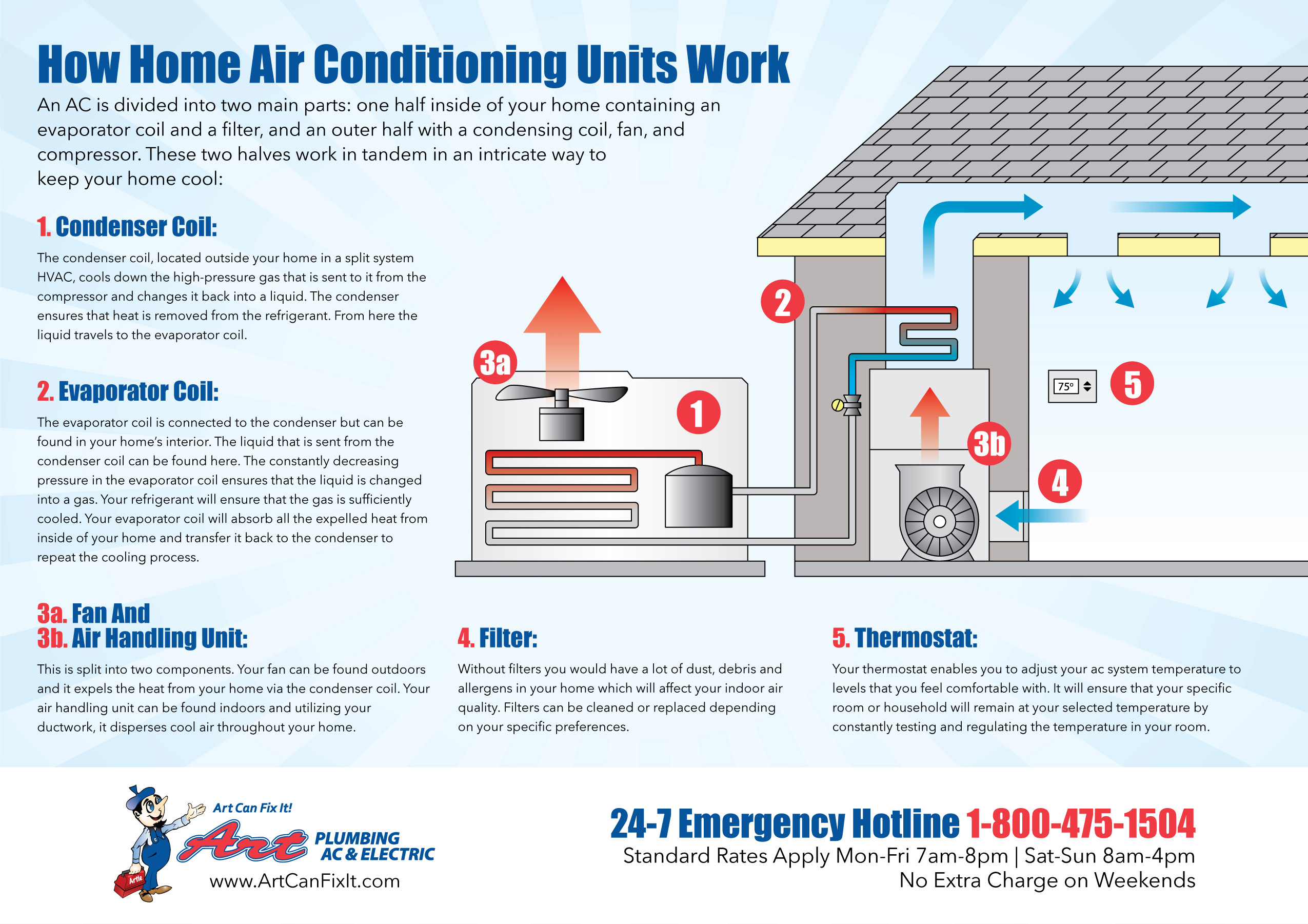
Understanding the intricate components of a home AC system is crucial for anyone involved in the HVAC industry, from aspiring technicians to seasoned professionals and employers seeking skilled talent. This comprehensive guide breaks down the essential parts of a residential AC system, exploring their functions, maintenance needs, and relevance to career advancement within the HVAC sector.
The Core Components of a Home AC System
A typical home AC system comprises several key components working in concert to deliver cool, comfortable air. These include:
1. Compressor
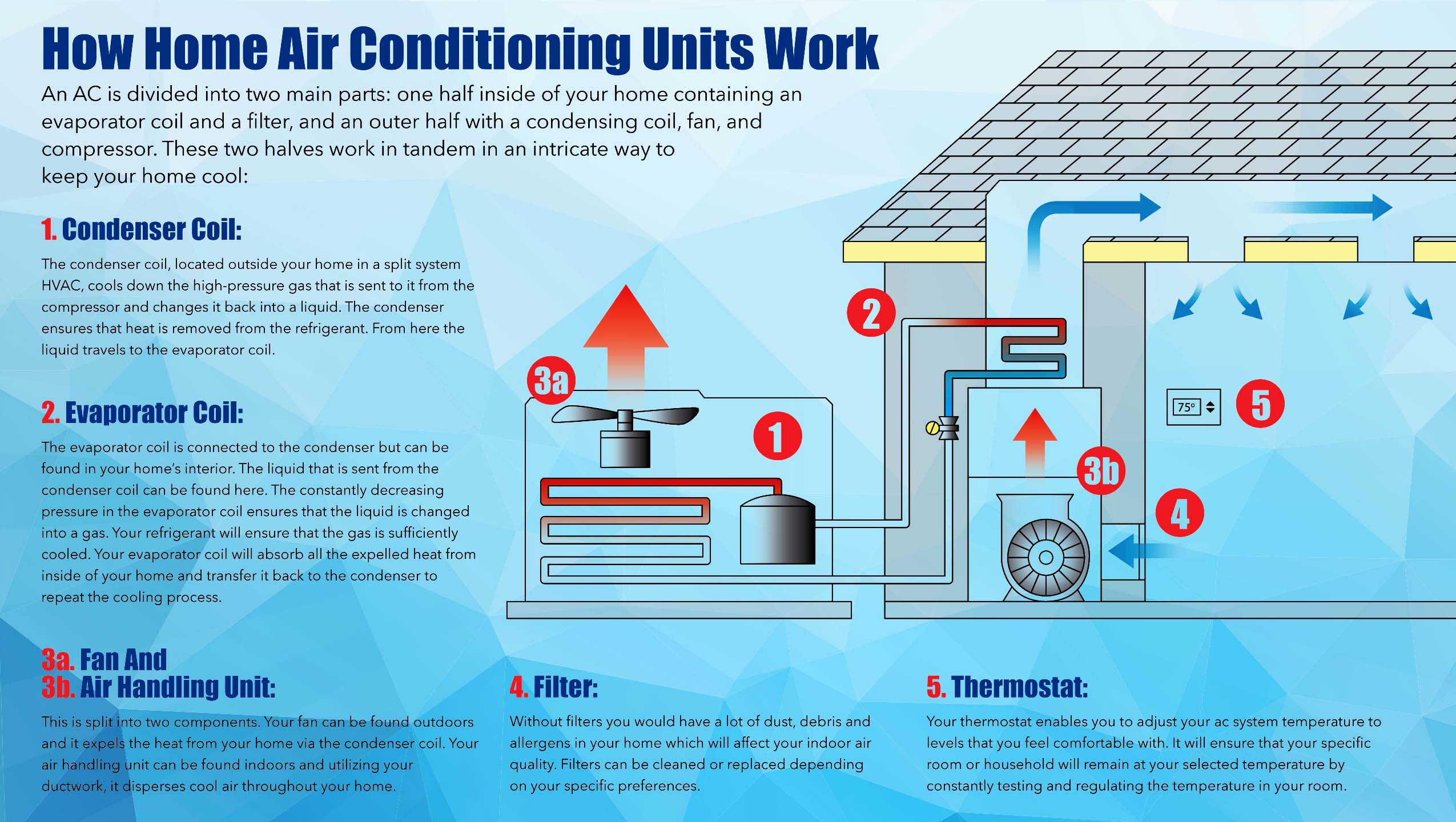
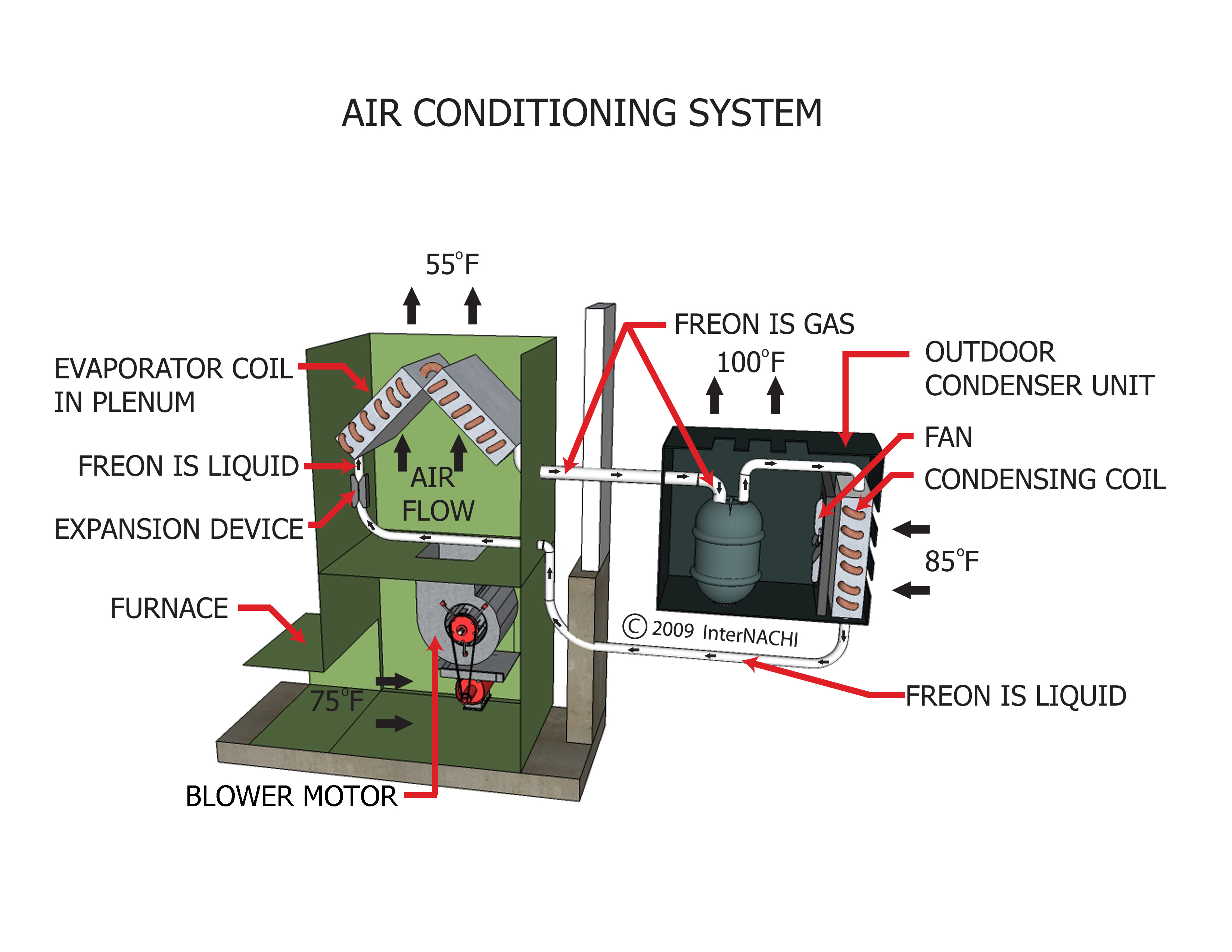
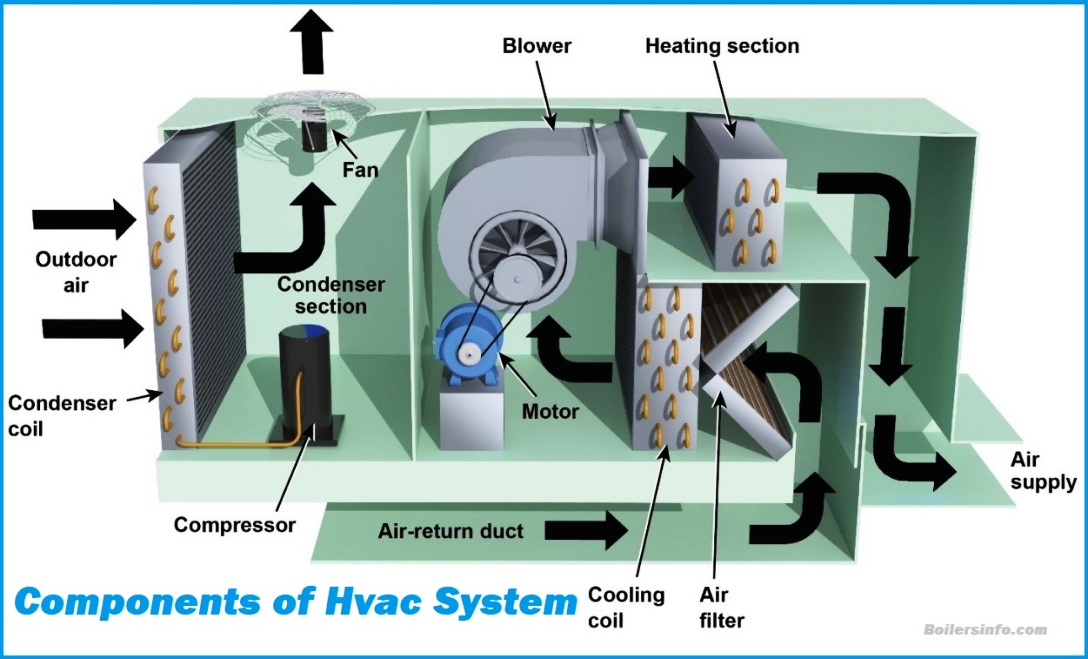
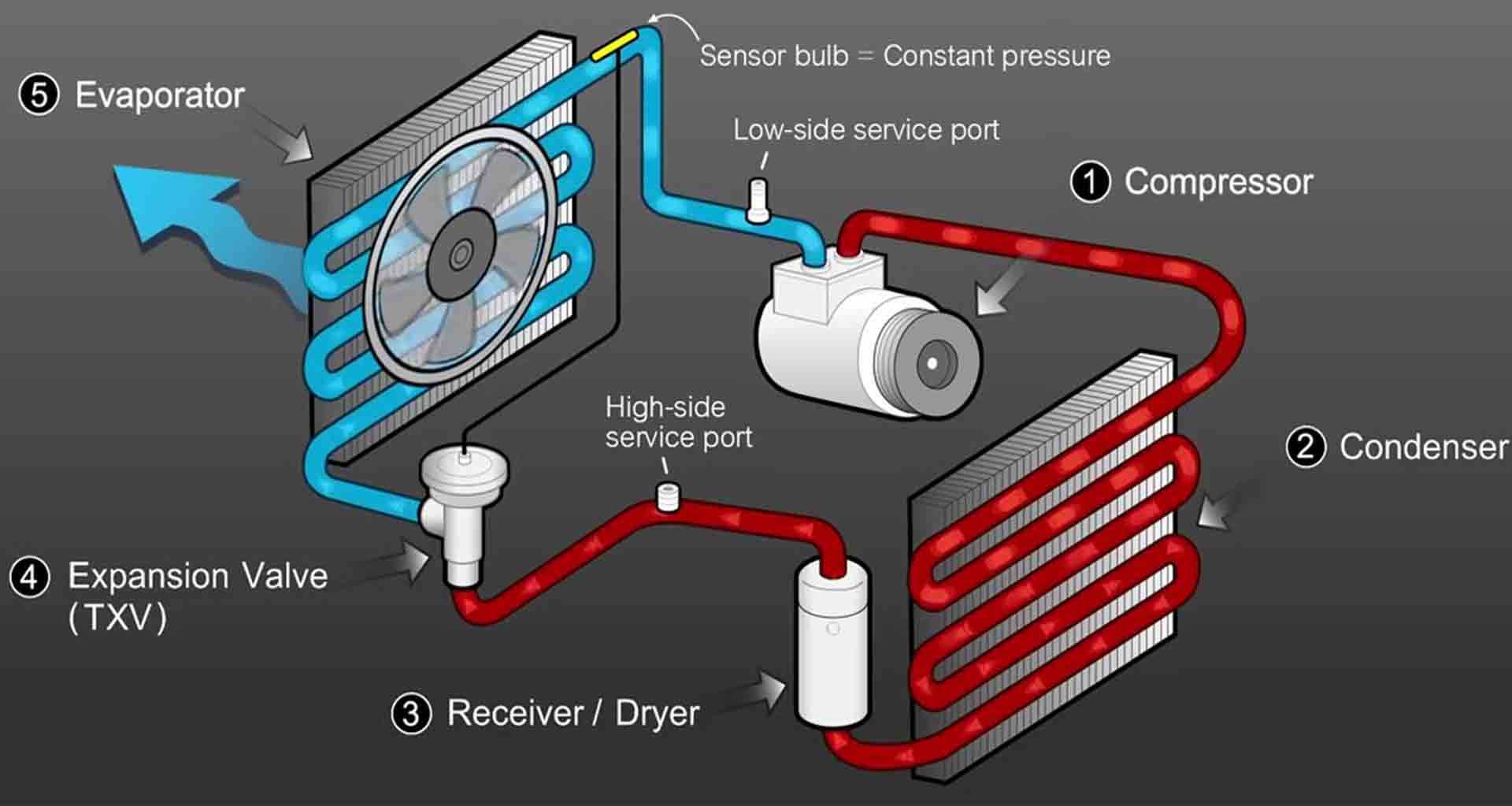
The compressor is the heart of the AC system. Its primary function is to compress refrigerant gas, increasing its pressure and temperature. This high-pressure, high-temperature refrigerant is then sent to the condenser. A failing compressor is a common and costly repair, highlighting the importance of preventative maintenance. According to the Bureau of Labor Statistics (BLS), diagnosing and repairing compressors are among the most frequent tasks for HVAC technicians.
2. Condenser
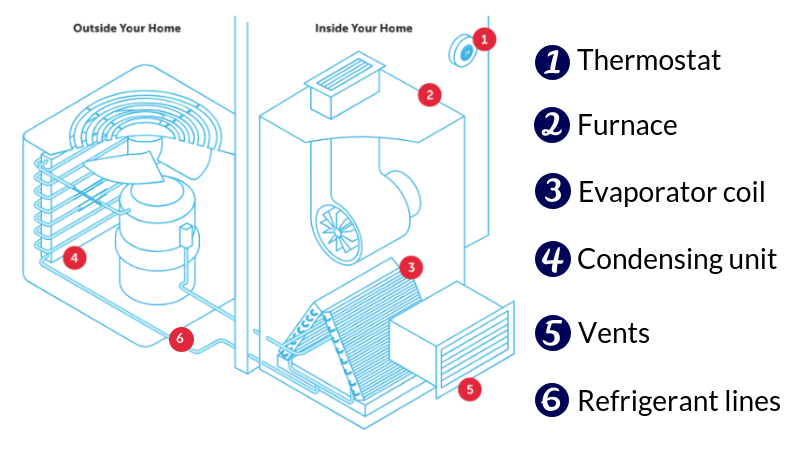
Located outside the home, the condenser is responsible for releasing heat from the refrigerant. As hot, high-pressure refrigerant passes through the condenser coils, air is blown across the coils by a fan, causing the refrigerant to cool and condense into a high-pressure liquid. The condenser requires adequate airflow to function efficiently; obstructed condensers are a common cause of AC malfunctions. Regular cleaning of the condenser coils is a crucial maintenance task.
3. Evaporator
The evaporator is situated inside the air handler or furnace. Here, the high-pressure liquid refrigerant expands and evaporates, absorbing heat from the indoor air. As warm air passes over the cold evaporator coils, it cools down and is circulated back into the home. The evaporator coils can become dirty or frozen, hindering their ability to absorb heat. Proper airflow and regular filter changes are essential for maintaining evaporator efficiency.
4. Expansion Valve or Metering Device
The expansion valve (also known as a metering device) controls the flow of refrigerant into the evaporator. It reduces the pressure of the liquid refrigerant, allowing it to expand and evaporate in the evaporator coils. Accurate refrigerant charge is crucial for optimal performance, and the expansion valve plays a vital role in maintaining this charge. Improperly functioning expansion valves can lead to inefficient cooling and potential system damage. Thermostatic Expansion Valves (TXVs) are becoming increasingly common, offering more precise control and improved efficiency compared to older capillary tubes.
5. Refrigerant
Refrigerant is the lifeblood of the AC system. It's the substance that absorbs and releases heat as it cycles through the system. Older systems often used R-22 refrigerant, which is being phased out due to its ozone-depleting properties. Modern systems typically use R-410A, a more environmentally friendly alternative. However, R-410A is also being phased down, with newer refrigerants like R-32 and A2L refrigerants emerging as future replacements. Handling refrigerant requires EPA 608 certification, emphasizing the importance of professional training and compliance with environmental regulations.
6. Air Handler
The air handler is responsible for circulating air throughout the home. It typically houses the evaporator coil, blower fan, and air filters. The blower fan draws air from the return vents, passes it over the evaporator coil for cooling, and then distributes it through the supply vents. A properly functioning air handler is essential for even cooling and efficient air circulation. Regular maintenance includes cleaning the blower fan and replacing air filters.
7. Ductwork
Ductwork is the network of channels that distributes conditioned air throughout the home. Leaky or poorly insulated ductwork can lead to significant energy losses, reducing the efficiency of the AC system. Duct sealing and insulation are important measures to improve energy efficiency and reduce cooling costs. According to the U.S. Department of Energy, duct leakage can account for up to 30% of energy losses in some homes.
8. Thermostat
The thermostat is the control center of the AC system. It senses the indoor temperature and signals the system to turn on or off to maintain the desired temperature. Modern thermostats are often programmable, allowing homeowners to set different temperatures for different times of the day, further optimizing energy efficiency. Smart thermostats offer even more advanced features, such as remote control via smartphone and learning capabilities that adapt to homeowners' preferences.
Career Paths and Certifications
A solid understanding of these AC system components opens doors to various career paths within the HVAC industry. Here are a few examples:
- HVAC Technician: Diagnoses, repairs, and maintains AC systems. The median annual wage for HVAC technicians was $51,390 in May 2022, according to the BLS. Job outlook is projected to grow 6 percent from 2022 to 2032.
- HVAC Installer: Installs new AC systems, including ductwork, refrigerant lines, and electrical connections.
- HVAC Service Manager: Oversees a team of HVAC technicians, ensuring efficient and high-quality service.
- HVAC Sales Engineer: Designs and sells HVAC systems to residential and commercial clients.
Earning industry-recognized certifications can significantly enhance career prospects and earning potential. Some key certifications include:
- NATE (North American Technician Excellence) Certification: Demonstrates competency in specific HVAC areas, such as installation, service, and repair. NATE certification is highly valued by employers and can lead to higher pay.
- EPA 608 Certification: Required for technicians who handle refrigerants. This certification ensures compliance with environmental regulations and proper refrigerant handling practices.
- HVAC Excellence Certifications: Offers a range of certifications covering various aspects of HVAC technology.
Real-world example: Sarah started as an HVAC apprentice after completing a vocational program. She earned her EPA 608 and NATE certifications while working full-time. Within five years, she progressed to a senior technician role, specializing in diagnosing and repairing complex AC systems. Her certifications and experience allowed her to command a higher salary and earn the trust of her clients.
Emerging Trends and Future Technologies
The HVAC industry is constantly evolving, with new technologies and trends shaping the future of AC systems. Some key trends include:
- Smart Home Integration: AC systems are increasingly being integrated with smart home platforms, allowing for remote control, energy monitoring, and automated adjustments.
- Variable Speed Technology: Variable speed compressors and fans offer improved energy efficiency and quieter operation compared to traditional single-speed systems.
- Zoning Systems: Zoning systems allow for independent temperature control in different areas of the home, optimizing comfort and energy savings.
- Heat Pumps: Heat pumps are becoming increasingly popular as a versatile heating and cooling solution, offering energy-efficient performance in moderate climates.
- Alternative Refrigerants: As environmental regulations become stricter, the HVAC industry is actively developing and adopting alternative refrigerants with lower global warming potential (GWP). A2L refrigerants are one example, but require specific training and handling procedures.
Staying up-to-date with these emerging trends is crucial for HVAC professionals to remain competitive and provide cutting-edge solutions to their clients. Employers should invest in training programs to ensure their workforce is equipped with the knowledge and skills to handle new technologies.
Conclusion
Mastering the components of a home AC system is foundational for a successful career in the HVAC industry. Whether you're a student, experienced technician, or employer, understanding these components, pursuing relevant certifications, and staying abreast of industry trends are essential for continued growth and success. The HVAC field offers a rewarding career path with strong job security and opportunities for advancement, provided you are committed to continuous learning and professional development.


:max_bytes(150000):strip_icc()/what-are-central-air-conditioners-1152645_V2-390c6f1f6ca14b4ebc59426f226a78a8.png)