Compresor De Aire Acondicionado 20 Toneladas

Understanding 20-Ton Air Conditioning Compressors: A Comprehensive Guide
When dealing with substantial cooling needs, a 20-ton air conditioning compressor represents a powerful solution. This buying guide delves into the specifics of these units, exploring their applications, benefits, limitations, and the key factors to consider when making a purchase. We'll cover essential ratings like SEER, EER, and discuss prominent brands in the market.
Who Needs a 20-Ton Air Conditioning Compressor?
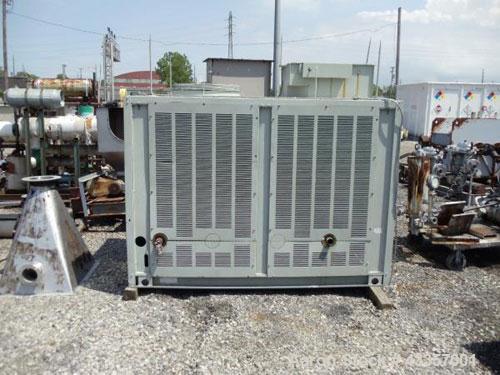
A 20-ton unit is typically suited for large commercial spaces, industrial facilities, or exceptionally large residences. To put it into perspective, one ton of cooling capacity is generally considered adequate for approximately 400-600 square feet of living space. Therefore, a 20-ton system can potentially cool between 8,000 and 12,000 square feet. Common applications include:
- Large Retail Stores: Maintaining a comfortable environment for shoppers.
- Warehouses: Regulating temperature for product storage and employee comfort.
- Manufacturing Plants: Cooling equipment and providing a safe working environment.
- Large Office Buildings: Ensuring consistent climate control throughout the facility.
- Very Large Residences: Although rare, some sprawling estates require this level of cooling power.
Key Considerations Before Buying
Before investing in a 20-ton air conditioning compressor, several factors need careful evaluation. Ignoring these aspects can lead to inefficiencies, higher operating costs, and potential system failures.
1. Load Calculation: The Foundation of Proper Sizing
Accurate load calculation is paramount. Oversizing a compressor leads to short cycling, reduced efficiency, and increased wear and tear. Undersizing results in inadequate cooling and continuous operation, driving up energy bills. A professional HVAC technician should perform a comprehensive load calculation considering factors like:
- Building size and layout
- Insulation levels
- Window types and orientation
- Occupancy levels
- Heat-generating equipment
- Local climate conditions
2. Energy Efficiency Ratings: SEER, EER, and IEER
Understanding energy efficiency ratings is crucial for minimizing operating costs. Key metrics include:
- SEER (Seasonal Energy Efficiency Ratio): Measures the cooling efficiency over an entire cooling season. Higher SEER ratings indicate better efficiency. Look for SEER ratings of 14 or higher.
- EER (Energy Efficiency Ratio): Measures the cooling efficiency at a specific operating point (e.g., 95°F outdoor temperature).
- IEER (Integrated Energy Efficiency Ratio): A more comprehensive metric that considers part-load performance, which is common in commercial applications.
Choose a compressor with a high SEER, EER, or IEER rating to maximize energy savings. While higher efficiency units often have a higher upfront cost, the long-term savings can be significant.
3. Compressor Type: Scroll vs. Screw
20-ton compressors typically employ either scroll or screw compressor technology. Each type has its own advantages and disadvantages:
- Scroll Compressors: Generally quieter and more reliable for smaller capacities within the 20-ton range. They are known for their smooth operation and fewer moving parts.
- Screw Compressors: Better suited for the higher end of the 20-ton range and larger systems. They are more efficient at handling variable loads and offer longer lifespan.
The choice between scroll and screw depends on the specific application and budget. Consult with an HVAC professional to determine the most suitable option.
4. Refrigerant Type: The Environmental Impact
The refrigerant used in the compressor impacts its environmental footprint. Older refrigerants like R-22 are being phased out due to their ozone depletion potential. Modern refrigerants like R-410A are more environmentally friendly, but even these are being replaced by lower GWP (Global Warming Potential) alternatives like R-32 and R-454B. Ensure the chosen compressor uses a refrigerant that complies with current and future environmental regulations.
5. Installation and Maintenance: Ensuring Longevity
Proper installation is critical for optimal performance and longevity. Engage a qualified HVAC contractor with experience installing and servicing 20-ton systems. Regular maintenance is equally important. This includes:
- Regular filter changes
- Coil cleaning
- Refrigerant level checks
- Inspection of electrical connections
- Lubrication of moving parts
A well-maintained compressor will operate more efficiently, last longer, and experience fewer breakdowns.
Popular Brands and Models (Examples)
Several reputable manufacturers offer 20-ton air conditioning compressors. Here are a few examples, keeping in mind that specific models and availability may vary:
- Carrier: Known for their reliable and energy-efficient commercial HVAC systems. Carrier offers a range of 20-ton compressors with various SEER and EER ratings. Specific models to research are those within their rooftop packaged units series.
- Trane: A well-established brand with a wide selection of commercial HVAC solutions. Trane's 20-ton compressors are often found in large office buildings and industrial facilities. Check models in their Precedent series.
- York: Offers a comprehensive portfolio of HVAC equipment, including 20-ton compressors designed for demanding applications. Look at their Millennium series.
- Daikin: A global leader in HVAC technology, Daikin provides energy-efficient and innovative solutions.
Note: It's crucial to compare specific models from these brands based on their SEER/EER/IEER ratings, compressor type, refrigerant type, warranty, and overall cost.
Pricing and ROI
The cost of a 20-ton air conditioning compressor can vary significantly depending on the brand, model, features, and installation costs. Expect to pay anywhere from $15,000 to $40,000 or more, including installation. Consider the following factors when evaluating the return on investment (ROI):
- Energy Savings: A high-efficiency compressor will significantly reduce energy consumption, leading to lower utility bills.
- Maintenance Costs: Factor in the cost of regular maintenance and potential repairs.
- Lifespan: A well-maintained compressor can last for 15-20 years or more.
- Tax Incentives and Rebates: Explore available tax incentives and rebates for energy-efficient HVAC systems.
Conduct a thorough cost-benefit analysis to determine the overall ROI of the investment. While a higher upfront cost may seem daunting, the long-term savings can often outweigh the initial expense.
Warranty Considerations
A solid warranty provides peace of mind and protects against unexpected repair costs. Pay close attention to the warranty terms and conditions, including:
- Compressor Warranty: The duration and coverage of the compressor warranty are crucial.
- Parts Warranty: Check the warranty coverage for other components of the system.
- Labor Warranty: Some warranties may cover labor costs for repairs, while others do not.
- Warranty Exclusions: Understand the circumstances that could void the warranty.
Choose a compressor with a comprehensive warranty to minimize your financial risk.
Conclusion
Selecting a 20-ton air conditioning compressor is a significant investment that requires careful consideration. By understanding the key factors discussed in this guide, you can make an informed decision that meets your specific cooling needs, minimizes operating costs, and ensures long-term reliability. Remember to consult with a qualified HVAC professional to perform a proper load calculation and recommend the most suitable compressor for your application. Paying close attention to SEER ratings, compressor types, refrigerant choices, and warranty terms will ultimately lead to a successful and cost-effective cooling solution. Always prioritize professional installation and regular maintenance to maximize the lifespan and performance of your new system.