Concentric Furnace Vent

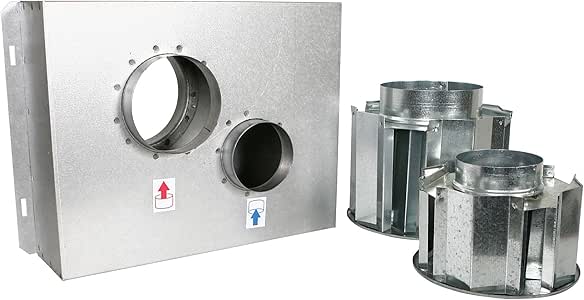
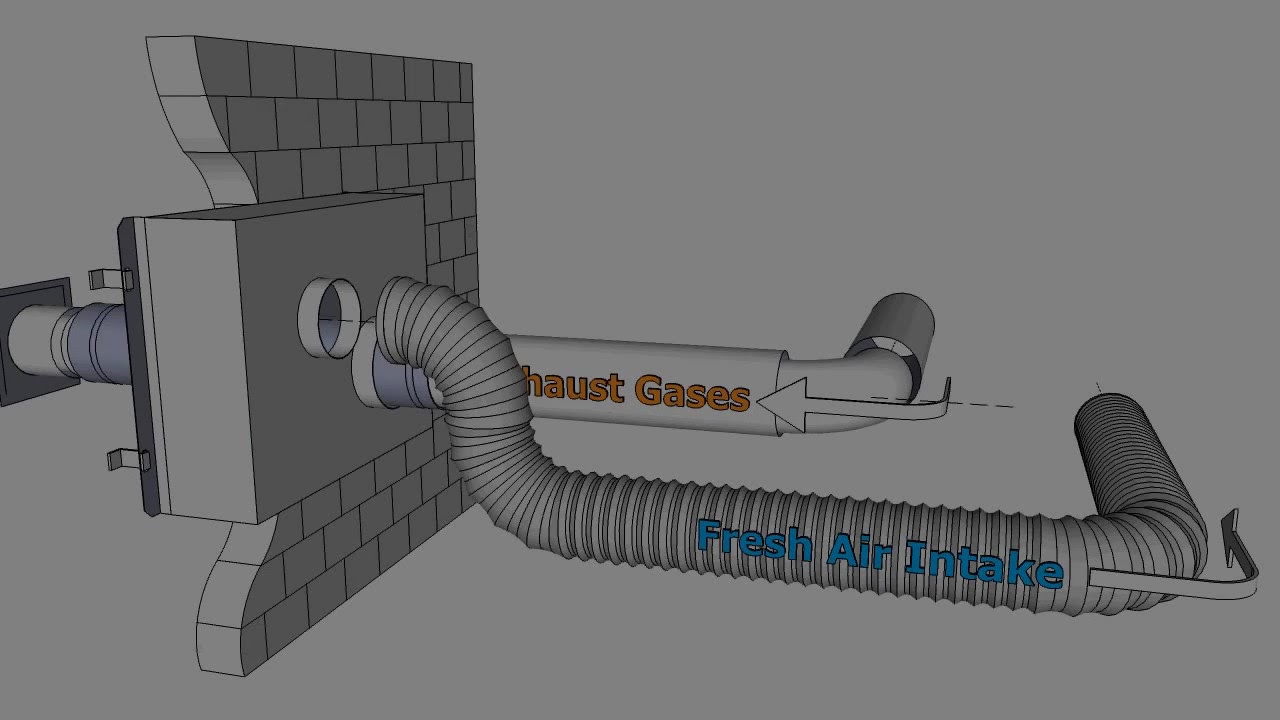
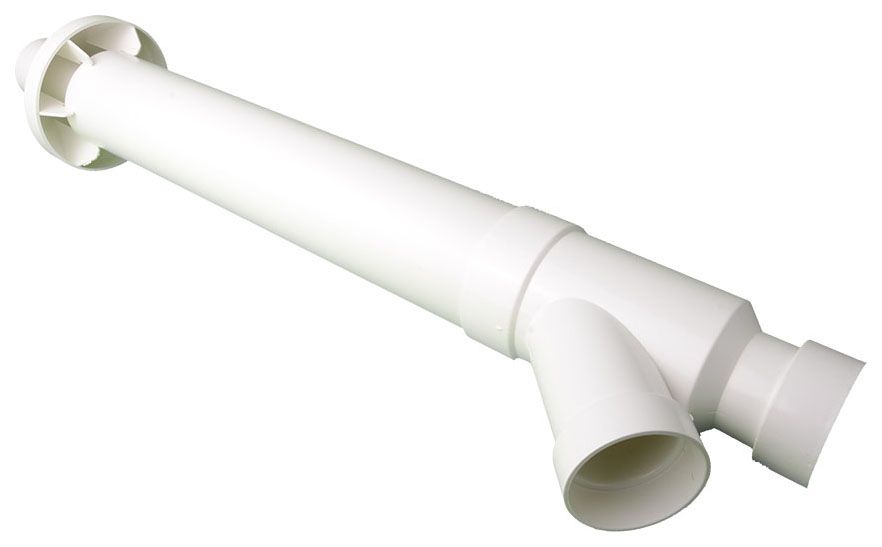
A concentric furnace vent, also known as a coaxial vent, is a venting system designed for high-efficiency furnaces. It’s a two-pipe system that both draws in fresh air for combustion and exhausts the resulting combustion gases through a single opening in the building's exterior. This design offers several advantages over traditional venting methods, primarily improved efficiency and safety.
Understanding how a concentric furnace vent works, its benefits, and potential drawbacks is crucial for homeowners considering a new furnace or upgrading their existing venting system. This guide will walk you through everything you need to know.
How a Concentric Furnace Vent Works
The key to a concentric vent lies in its "pipe-within-a-pipe" construction. Imagine a drinking straw inside a larger pipe. The inner pipe, typically made of PVC or CPVC (for higher temperature resistance), exhausts the combustion gases. The outer pipe draws in fresh air from the outside. This ingenious design allows the furnace to operate more efficiently because it:
- Pre-heats combustion air: The incoming cold air flows around the hot exhaust gases in the inner pipe, absorbing some of the heat. This pre-heated air reduces the amount of energy the furnace needs to expend to heat the air for combustion, improving efficiency. Think of it like preheating your oven; it takes less energy to reach the desired temperature.
- Sealed Combustion: High-efficiency furnaces using concentric vents are often sealed combustion units. This means they don't rely on air from inside your home for combustion. Instead, they pull in air directly from the outside. This prevents indoor air from being used and potentially polluted, contributing to better indoor air quality.
In essence, the concentric vent system creates a closed loop, optimizing the combustion process and maximizing energy efficiency. This is a significant departure from older, traditional venting systems that relied on chimney draft and drew combustion air from inside the house.
The Role of High-Efficiency Furnaces
Concentric vents are almost exclusively used with high-efficiency furnaces, typically those with an Annual Fuel Utilization Efficiency (AFUE) rating of 90% or higher. These furnaces extract more heat from the combustion process than older, less efficient models. As a result, the exhaust gases are much cooler. This lower exhaust temperature presents a challenge for traditional chimney venting, as the cooler gases are less buoyant and can condense inside the chimney, leading to corrosion and potential backdrafting of dangerous carbon monoxide.
Concentric vents, constructed from PVC or CPVC, are designed to handle these cooler, potentially corrosive exhaust gases without these problems. They also maintain a positive pressure within the vent, ensuring that the exhaust gases are safely expelled outside.
Benefits of a Concentric Furnace Vent
Choosing a concentric furnace vent offers numerous advantages:
- Improved Energy Efficiency: As mentioned earlier, the pre-heating of combustion air significantly improves the furnace's overall efficiency, leading to lower energy bills. The furnace doesn't have to work as hard to heat the incoming air.
- Enhanced Safety: Sealed combustion reduces the risk of carbon monoxide backdrafting into your home. Since the furnace draws air from outside, it doesn't deplete the oxygen inside or pull in potentially harmful gases.
- Space Saving: A concentric vent requires only one penetration through the exterior wall, compared to the two separate pipes required by some other high-efficiency venting systems. This simplifies installation and reduces the visual impact on your home's exterior.
- Reduced Drafts: Since the furnace doesn't draw air from inside your home, it minimizes drafts and helps maintain a more consistent temperature throughout your living space.
- Protection from the Elements: The design shields the vent from rain, snow, and debris, ensuring consistent airflow and preventing potential blockages.
Potential Drawbacks of Concentric Furnace Vents
While concentric vents offer significant benefits, there are also some potential drawbacks to consider:
- Higher Initial Cost: High-efficiency furnaces and concentric venting systems typically have a higher upfront cost compared to older, less efficient models. However, the long-term energy savings can often offset this initial investment.
- Professional Installation Required: Installing a concentric vent requires specialized knowledge and tools. It's crucial to hire a qualified HVAC technician to ensure proper installation and adherence to local building codes. Improper installation can compromise safety and efficiency.
- Potential for Condensation: In extremely cold climates, condensation can form within the vent pipe. While the system is designed to handle this, excessive condensation can potentially lead to issues. Proper insulation of the vent pipe can help mitigate this problem.
- Limited Installation Options: Depending on your home's layout and local building codes, there may be limitations on where you can install a concentric vent. Your HVAC technician can assess your specific situation and determine the best placement.
Concentric Vent Installation and Maintenance
Proper installation is paramount for the safe and efficient operation of a concentric furnace vent. Here's a breakdown of key considerations:
- Professional Expertise: Always hire a licensed and experienced HVAC technician to install your concentric vent. They have the knowledge and tools to ensure the system is installed correctly and meets all applicable codes.
- Proper Sizing: The vent must be properly sized to match the furnace's BTU output. An undersized vent can restrict airflow and reduce efficiency, while an oversized vent can lead to condensation problems.
- Correct Materials: Use only approved PVC or CPVC piping and fittings specifically designed for venting high-efficiency furnaces. Using incorrect materials can be dangerous and violate building codes.
- Sealing and Connections: All joints and connections must be properly sealed to prevent leaks. Leaks can compromise efficiency and potentially allow dangerous exhaust gases to escape into your home.
- Clearances: Ensure the vent termination point meets the required clearances from windows, doors, and other openings. This prevents exhaust gases from re-entering the building. Consult local codes for specific requirements.
- Slope: The vent pipe should be installed with a slight slope back towards the furnace to allow condensation to drain properly.
Maintenance for concentric vents is relatively simple, but important:
- Regular Inspection: Visually inspect the vent termination point periodically for any signs of damage, blockage, or excessive condensation.
- Debris Removal: Clear any debris, such as leaves, snow, or ice, that may be blocking the vent opening.
- Professional Inspection: Schedule a professional furnace tune-up annually. Your HVAC technician will inspect the entire venting system for any potential problems.
Cost Considerations
The cost of a concentric furnace vent system includes the cost of the high-efficiency furnace itself and the installation of the venting. The total cost can vary depending on several factors:
- Furnace Size and AFUE Rating: Larger furnaces and those with higher AFUE ratings generally cost more.
- Complexity of Installation: More complex installations, such as those requiring longer vent runs or modifications to existing ductwork, will increase the cost.
- Local Labor Rates: Labor costs vary depending on your location.
- Permitting Fees: Local building permits may be required for furnace and venting system installations.
While the initial cost may be higher than traditional venting systems, remember to factor in the long-term energy savings. A high-efficiency furnace with a concentric vent can significantly reduce your monthly energy bills, potentially offsetting the initial investment over time. Obtain quotes from multiple HVAC contractors to compare prices and services.
Making an Informed Decision
Choosing the right furnace and venting system is a significant decision that can impact your comfort, safety, and energy bills for years to come. Here are some key questions to ask yourself and your HVAC contractor:
- Is a high-efficiency furnace the right choice for my home? Consider your climate, energy costs, and budget.
- Is a concentric vent suitable for my home's layout and local building codes? Your HVAC technician can assess your specific situation.
- What is the AFUE rating of the furnace I'm considering? Aim for a rating of 90% or higher for optimal efficiency.
- What are the estimated energy savings with a high-efficiency furnace and concentric vent? Ask your contractor to provide an estimate based on your energy usage.
- What is the total cost of the installation, including the furnace, venting system, and labor? Obtain multiple quotes to compare prices.
- What is the warranty on the furnace and venting system?
By carefully considering these factors and consulting with a qualified HVAC professional, you can make an informed decision and choose the furnace and venting system that best meets your needs and budget. Remember, investing in a high-efficiency furnace with a concentric vent is an investment in your home's comfort, safety, and energy efficiency.
Conclusion
A concentric furnace vent is a vital component of a modern, high-efficiency heating system. Its design maximizes energy efficiency, enhances safety, and offers a clean, streamlined appearance. While it requires professional installation and may have a higher upfront cost, the long-term benefits, including reduced energy bills and improved indoor air quality, make it a worthwhile investment for many homeowners. Understanding the principles of its operation, its advantages and disadvantages, and the importance of proper installation and maintenance will empower you to make informed decisions about your home's heating system and ensure a comfortable and safe living environment.