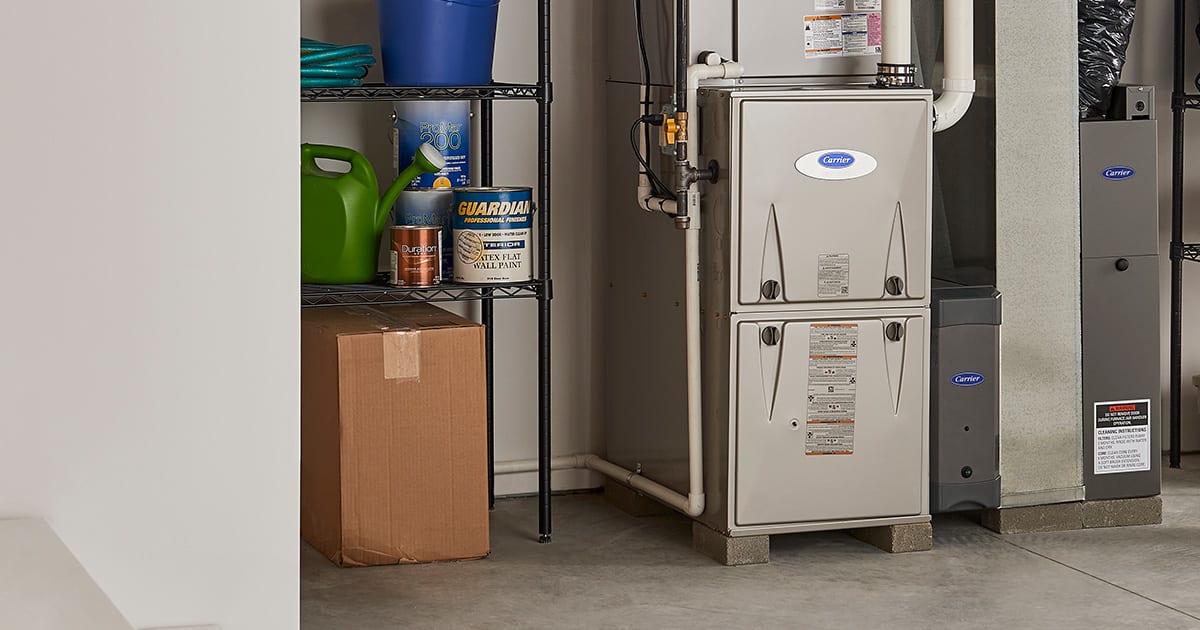
Concord 90 Plus High Efficiency Furnace
Concord 90 Plus High Efficiency Furnace: A Homeowner's Guide to Troubleshooting and Maintenance
The Concord 90 Plus high efficiency furnace is a popular choice for homeowners seeking energy savings and reliable heating. But like any complex piece of machinery, it can occasionally experience issues. This guide provides a comprehensive overview of common problems, DIY troubleshooting tips, and when it's crucial to call a qualified HVAC technician.
Understanding Your Concord 90 Plus Furnace
Before diving into troubleshooting, it's helpful to understand the basic components of your furnace:
- Gas Valve: Controls the flow of gas to the burners.
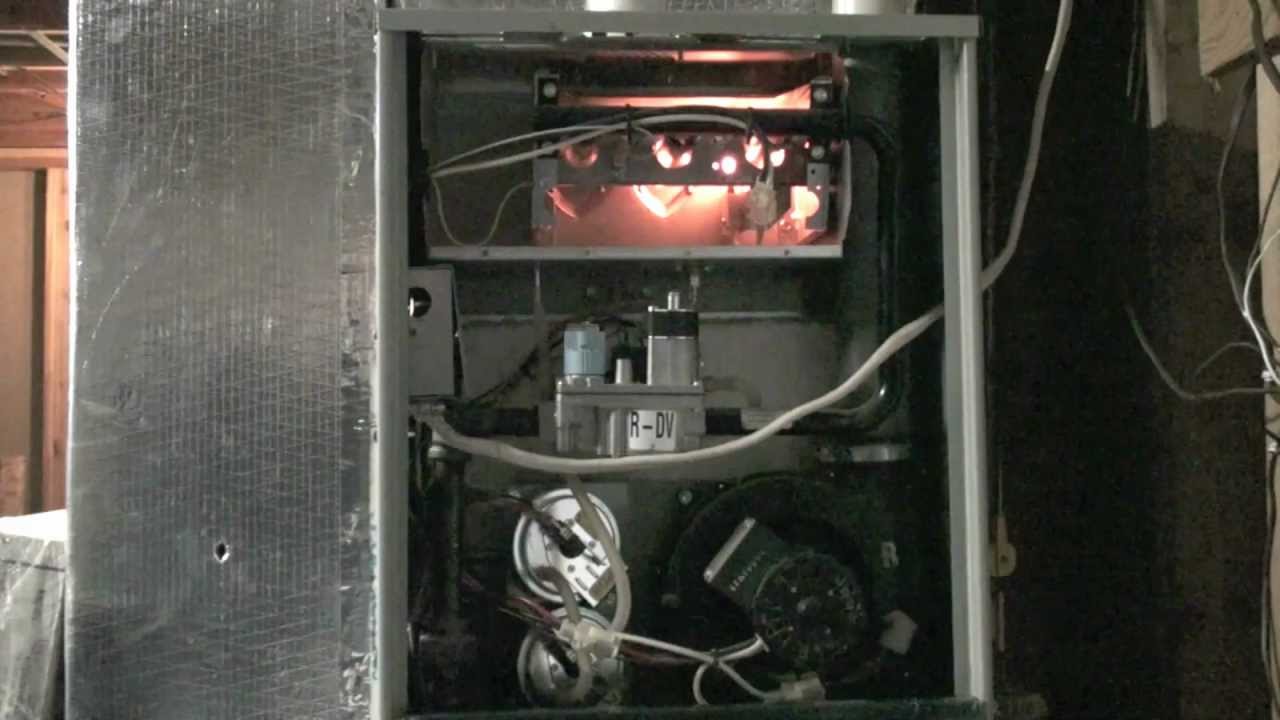
- Burners: Where the gas is ignited to produce heat.
- Heat Exchanger: Transfers heat from the combustion gases to the air circulating through your home.
- Blower Motor: Circulates air through the heat exchanger and into your ductwork.
- Ignition System: Lights the burners (typically a hot surface igniter or spark igniter).
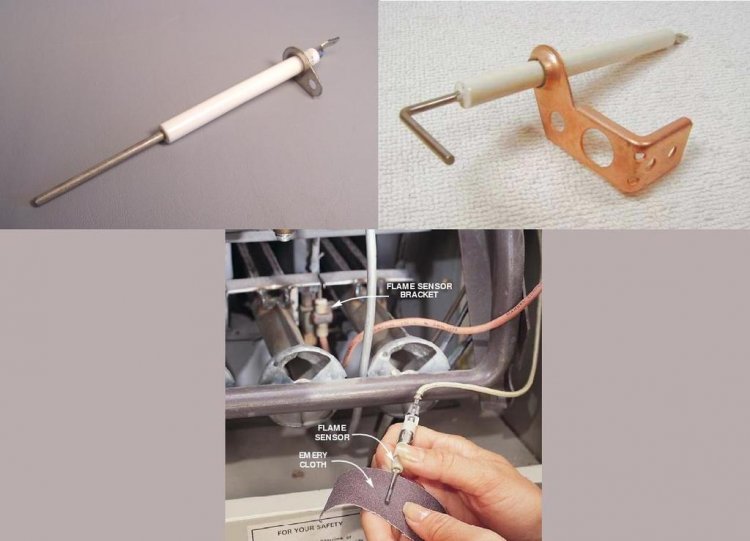
- Flame Sensor: Detects the presence of a flame and ensures the gas valve remains open.
- Control Board: The "brain" of the furnace, controlling all operations.
- Pressure Switch: Verifies proper venting before allowing the furnace to ignite.
- Draft Inducer Motor: Helps exhaust combustion gases safely.
- Condensate Drain: Removes water produced during the combustion process in high-efficiency furnaces.
Essential Tools for DIY Troubleshooting
Having the right tools on hand can make troubleshooting easier. Here's a basic list:
- Screwdrivers (Phillips and flathead)
- Wrench set
- Multimeter
- Voltage tester
- Vacuum cleaner with hose attachment
- Flashlight
- Safety glasses
- Work gloves
Safety First!
Always turn off the power to the furnace at the breaker box before attempting any repairs. Work in a well-ventilated area. If you smell gas, immediately leave the area and call your gas company or fire department.
Common Concord 90 Plus Furnace Problems and Troubleshooting
1. Furnace Won't Turn On
This is perhaps the most common issue. Here's a systematic approach to diagnosing the problem:
- Check the Thermostat: Ensure the thermostat is set to "heat" and the temperature is set higher than the current room temperature. Replace the batteries if needed.
- Inspect the Breaker: Check the circuit breaker for the furnace and reset it if tripped.
- Verify the Power Switch: Make sure the power switch on the furnace itself is turned on. It's usually located on the side of the unit.
- Check the Gas Valve: Confirm the gas valve is open. The handle should be parallel to the gas pipe.
- Inspect the Flame Sensor: A dirty flame sensor is a common culprit. Locate the flame sensor (a small metal rod near the burners) and carefully clean it with fine steel wool or emery cloth.
- Check the Condensate Drain: A clogged condensate drain can trigger a safety switch that prevents the furnace from starting. Check the drain line and condensate pump for clogs. Use a wet/dry vacuum to clear any obstructions.
- Inspect the Air Filter: A severely clogged air filter restricts airflow, which can cause the furnace to overheat and shut down. Replace the air filter regularly.
2. Furnace Cycles On and Off Frequently (Short Cycling)
Short cycling indicates a problem that's causing the furnace to overheat or shut down prematurely.
- Check the Air Filter: As mentioned above, a clogged air filter is a prime suspect.
- Inspect the Flame Sensor: A faulty flame sensor can cause the furnace to shut down shortly after ignition.
- Check for Blocked Vents: Ensure all supply and return vents are open and not blocked by furniture or rugs.
- Overheating: If the furnace is overheating, it could be due to a faulty blower motor or restricted airflow. Do not attempt to repair a blower motor yourself. This requires specialized knowledge and tools.
3. Furnace is Making Strange Noises
Unusual noises can provide clues about potential problems:
- Banging or Popping: This can be caused by expanding and contracting ductwork, but it could also indicate a problem with the heat exchanger. A cracked heat exchanger is a serious safety hazard and requires immediate professional attention.
- Squealing: Often indicates a worn blower motor bearing or belt (if your furnace has one).
- Rattling: Could be loose screws, debris in the blower fan, or a damaged inducer motor.
- Humming: May indicate a problem with the blower motor capacitor or transformer.
4. No Heat or Insufficient Heat
If your furnace is running but not producing enough heat, consider these factors:
- Check the Thermostat Settings: Double-check that the thermostat is set correctly and that the batteries are good.
- Inspect the Air Filter: Again, a clogged air filter can severely restrict airflow.
- Check for Leaky Ductwork: Leaky ducts can waste a significant amount of heat. Seal any visible leaks with duct tape (not regular tape).
- Pilot Light Issues (if applicable): Older furnaces may have a pilot light. If the pilot light is out, relight it according to the manufacturer's instructions. If it won't stay lit, the thermocouple may need to be replaced.
5. Condensate Drain Problems
High-efficiency furnaces produce condensate (water) that needs to be drained. Problems with the condensate drain can lead to water leaks and furnace shutdowns.
- Clogged Drain Line: Use a wet/dry vacuum to clear any clogs in the drain line.
- Frozen Drain Line: If the drain line is located in an unheated area, it can freeze in cold weather. Thaw the line with warm water or a heat gun (use caution!).
- Faulty Condensate Pump: If your furnace uses a condensate pump to remove the water, the pump may be malfunctioning. Check the pump for proper operation and clean it if necessary.
When to Call a Professional HVAC Technician
While some furnace problems can be addressed with DIY troubleshooting, certain issues require the expertise of a qualified HVAC technician. Call a professional if you encounter any of the following:
- Gas Leaks: If you smell gas, evacuate the area immediately and call your gas company or fire department.
- Cracked Heat Exchanger: This is a serious safety hazard that can release carbon monoxide into your home.
- Electrical Problems: If you're not comfortable working with electricity, leave electrical repairs to a professional.
- Refrigerant Leaks: Furnaces with air conditioning capabilities may have refrigerant lines. Refrigerant leaks require specialized equipment and training to repair.
- Complex Control Board Issues: Diagnosing and repairing control board problems often requires specialized knowledge and diagnostic tools.
- You've Tried Troubleshooting and the Furnace Still Isn't Working: Sometimes, it's best to admit defeat and call in a professional.
Estimated Repair Costs
It's difficult to provide exact repair costs without knowing the specific problem and your location. However, here are some general estimates:
- Flame Sensor Replacement: $75 - $150
- Igniter Replacement: $100 - $250
- Blower Motor Replacement: $300 - $800
- Gas Valve Replacement: $200 - $500
- Control Board Replacement: $300 - $700
- Heat Exchanger Replacement: $1000 - $2500 (or more) - In many cases, replacing the entire furnace is more cost-effective.
- Service Call Fee: $75 - $150 (This is the fee just for the technician to come to your home and diagnose the problem.)
These are just estimates. Always get a written estimate from a qualified HVAC technician before authorizing any repairs.
Preventative Maintenance Tips
Regular maintenance can help prevent furnace problems and extend the life of your Concord 90 Plus furnace:
- Change the Air Filter Regularly: At least every 1-3 months, or more often if you have pets or allergies.
- Inspect the Furnace Annually: Schedule an annual inspection with a qualified HVAC technician to check for potential problems and ensure proper operation.
- Clean the Burners: Periodically clean the burners to remove dust and debris.
- Check the Flue Pipe: Inspect the flue pipe for any signs of damage or corrosion.
- Keep the Area Around the Furnace Clear: Don't store flammable materials near the furnace.
By following these troubleshooting tips and preventative maintenance guidelines, you can keep your Concord 90 Plus high efficiency furnace running smoothly and efficiently for years to come. Remember to prioritize safety and call a professional when necessary.