Concrete Footing For Cinder Block Wall
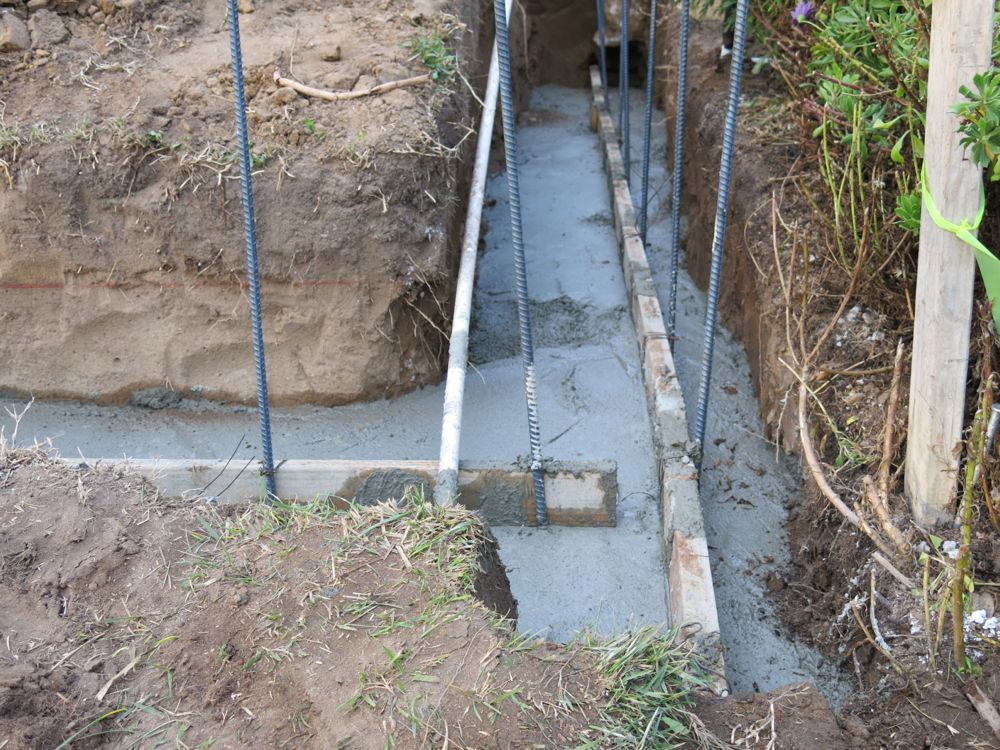
One of the most common issues homeowners face is persistent dampness or water damage at the base of cinder block walls, often manifesting as efflorescence (that white, powdery substance), mold growth, or even structural cracking. This is frequently tied to problems with the concrete footing that supports the wall. Understanding how to diagnose and address these issues can save you significant money and prevent further, more costly damage.
Diagnosing Dampness and Water Damage
Before calling a professional, let's go through a methodical process to identify the root cause. Remember, safety is paramount. Never attempt repairs beyond your skill level, and always wear appropriate safety gear like gloves and eye protection.
Step 1: Visual Inspection (No Tools Required)
Start with a thorough visual inspection of the cinder block wall and the surrounding area:
- Check for Cracks: Look closely for cracks in the cinder block wall, especially near the base and along mortar joints. Are they hairline cracks, or are they wider than a credit card? Note the location and direction of any cracks. Vertical cracks are often more serious than horizontal ones.
- Inspect the Footing: Examine the exposed portion of the concrete footing (if visible). Look for cracks, crumbling, or spalling (where the concrete surface is flaking off). Pay close attention to where the wall meets the footing.
- Look for Efflorescence: Efflorescence is a white, powdery deposit on the surface of the cinder blocks or footing. It's a sign that water is seeping through the concrete and dissolving mineral salts, which then deposit on the surface as the water evaporates. The presence of efflorescence always indicates a moisture problem.
- Check for Mold or Mildew: Look for dark stains, fuzzy growth, or a musty odor, especially in shaded areas or areas that are consistently damp.
- Observe Landscaping: Is the ground sloping towards the foundation? Are there gutters and downspouts directing water away from the wall? Overgrown landscaping can trap moisture against the foundation.
- Inspect Gutters and Downspouts: Make sure your gutters are clean and free of debris, and that downspouts are properly directing water away from the foundation. Clogged gutters can lead to water overflowing and pooling around the base of the wall.
Step 2: Assess Drainage (Simple Tools May Be Needed)
Proper drainage is crucial for preventing water from accumulating around the foundation. Here's how to assess it:
- Check the Slope: The ground should slope away from the foundation for at least 6 feet. Use a level and a long straight edge (like a 2x4) to check the slope. If the ground slopes towards the foundation, you may need to re-grade the soil.
- Downspout Extension: Ensure downspouts extend far enough away from the foundation (at least 4-6 feet). If not, install extensions. You can purchase these at any home improvement store.
- French Drain Inspection (If Applicable): If you have a French drain (a perforated pipe buried in gravel to collect and divert water), inspect the outlet to ensure it's functioning properly. Is water flowing freely during and after rain? If not, the drain may be clogged.
Step 3: Moisture Meter Test (Requires a Moisture Meter)
A moisture meter can help you quantify the moisture content of the cinder blocks and footing. This is a useful tool for confirming your suspicions and tracking the effectiveness of any repairs.
- Purchase a Moisture Meter: You can find moisture meters at most home improvement stores or online. Choose a model that's suitable for concrete and masonry.
- Take Readings: Take moisture readings at various points along the wall, especially in areas where you suspect moisture intrusion. Compare the readings to dry areas of the wall. Significant differences in moisture levels indicate a problem.
- Document Readings: Keep a record of your moisture readings, including the date, time, and location. This will help you track changes over time.
DIY Actions to Address the Problem
Based on your diagnosis, you may be able to take some simple DIY actions to address the problem:
- Improve Drainage: Re-grade the soil around the foundation to create a positive slope away from the house. Extend downspouts to direct water further away.
- Clean Gutters: Regularly clean your gutters and downspouts to prevent clogs and ensure proper water flow.
- Address Landscaping: Trim back any vegetation that's growing too close to the foundation. Consider removing plants that require frequent watering near the wall.
- Apply Waterproofing Sealant (For Minor Cracks): For hairline cracks in the cinder blocks or footing, you can apply a concrete crack sealant or waterproofing paint. Clean the surface thoroughly before applying the sealant according to the manufacturer's instructions. This is a temporary fix and may not address the underlying cause of the crack.
- Efflorescence Removal: Brush off efflorescence with a stiff brush. You can also use a diluted muriatic acid solution (always wear gloves and eye protection and follow the manufacturer's instructions carefully). Rinse the area thoroughly with water after cleaning. Remember, removing the efflorescence doesn't solve the moisture problem.
When to Call a Professional
Some problems are beyond the scope of DIY repair and require the expertise of a professional. It's time to call in the experts if you encounter any of the following:
- Significant Cracking: Wide cracks (wider than a credit card), especially vertical cracks, can indicate structural problems that require professional attention.
- Foundation Settlement: If you notice that the wall is leaning or that doors and windows are sticking, it could be a sign of foundation settlement. This is a serious issue that requires immediate attention.
- Extensive Water Damage: If you have significant water damage, mold growth, or rot, it's best to call a professional to assess the situation and develop a plan for remediation.
- French Drain Issues: If your French drain is clogged or not functioning properly, it may require professional cleaning or repair. This can involve excavating the drain and cleaning or replacing the pipe.
- Uncertainty About the Cause: If you're unsure about the cause of the dampness or water damage, it's always best to consult with a professional. They can perform a thorough inspection and provide you with a diagnosis and recommendations for repair.
- Concrete Footing Damage: Extensive crumbling or spalling of the concrete footing requires professional evaluation. Repairing or replacing a damaged footing is a complex and potentially dangerous task.
Finding the Right Professional
When hiring a professional, be sure to get multiple quotes and check their references. Look for contractors who are licensed, insured, and experienced in foundation repair and waterproofing. Ask about their approach to diagnosing and repairing the problem, and make sure you understand the scope of work and the cost involved.
Preventative Measures
Once you've addressed the immediate problem, it's important to take steps to prevent future issues:
- Maintain Gutters and Downspouts: Regularly clean your gutters and downspouts to ensure proper drainage.
- Maintain Landscaping: Trim back vegetation and ensure that the ground slopes away from the foundation.
- Monitor for Leaks: Keep an eye out for any signs of leaks or water damage, and address them promptly.
- Consider a Waterproofing System: If you live in an area with high rainfall or a high water table, you may want to consider installing a professional waterproofing system. This can include a French drain, a sump pump, and a waterproof membrane applied to the foundation walls.
- Regular Inspections: Have your foundation inspected periodically by a qualified professional to catch any potential problems early on.
By following these steps, you can effectively troubleshoot and address common problems related to concrete footings and cinder block walls, protecting your home from water damage and ensuring its structural integrity. Remember to prioritize safety and don't hesitate to call a professional when needed.