Condensate Line Blowing Cold Air
A common question that arises when dealing with air conditioning systems is why the condensate line, which is meant to drain water, might be blowing cold air. It seems counterintuitive, but there are several reasons why this can happen. This guide will explain the causes, potential problems, and what steps you can take to address the issue. Understanding this phenomenon can help you maintain a more efficient and comfortable home.
Understanding the Condensate Line
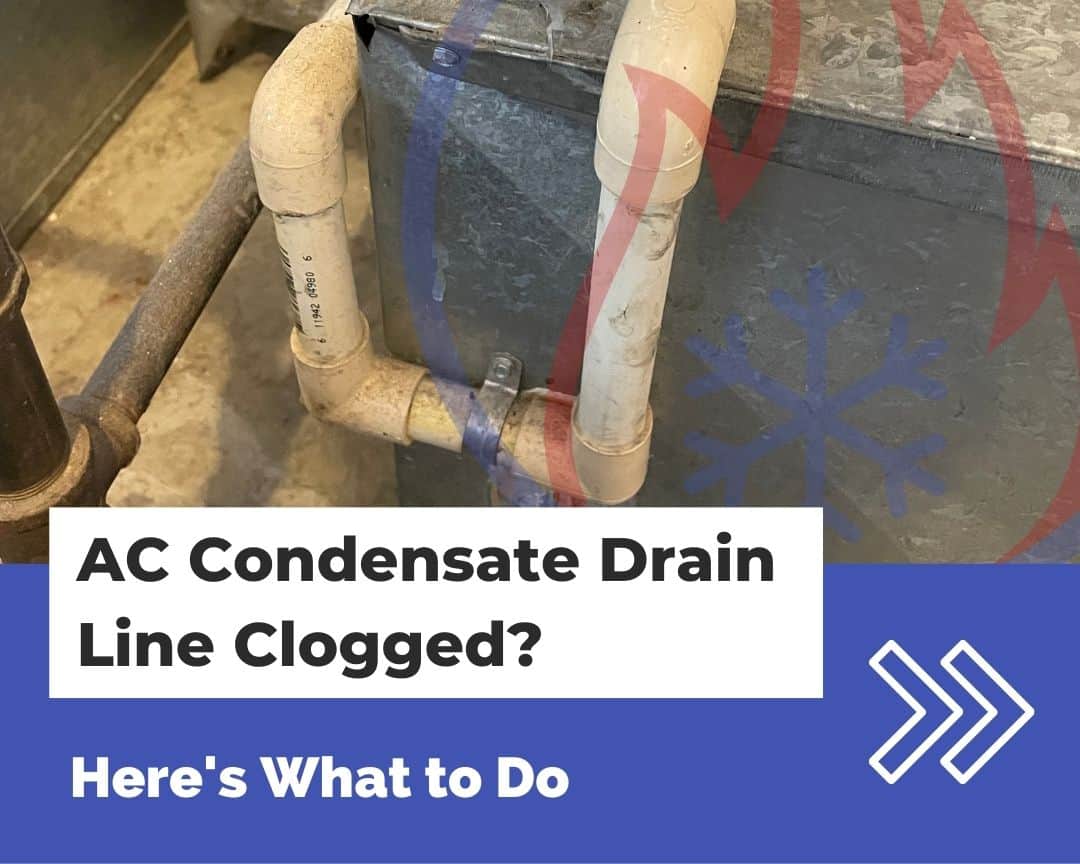
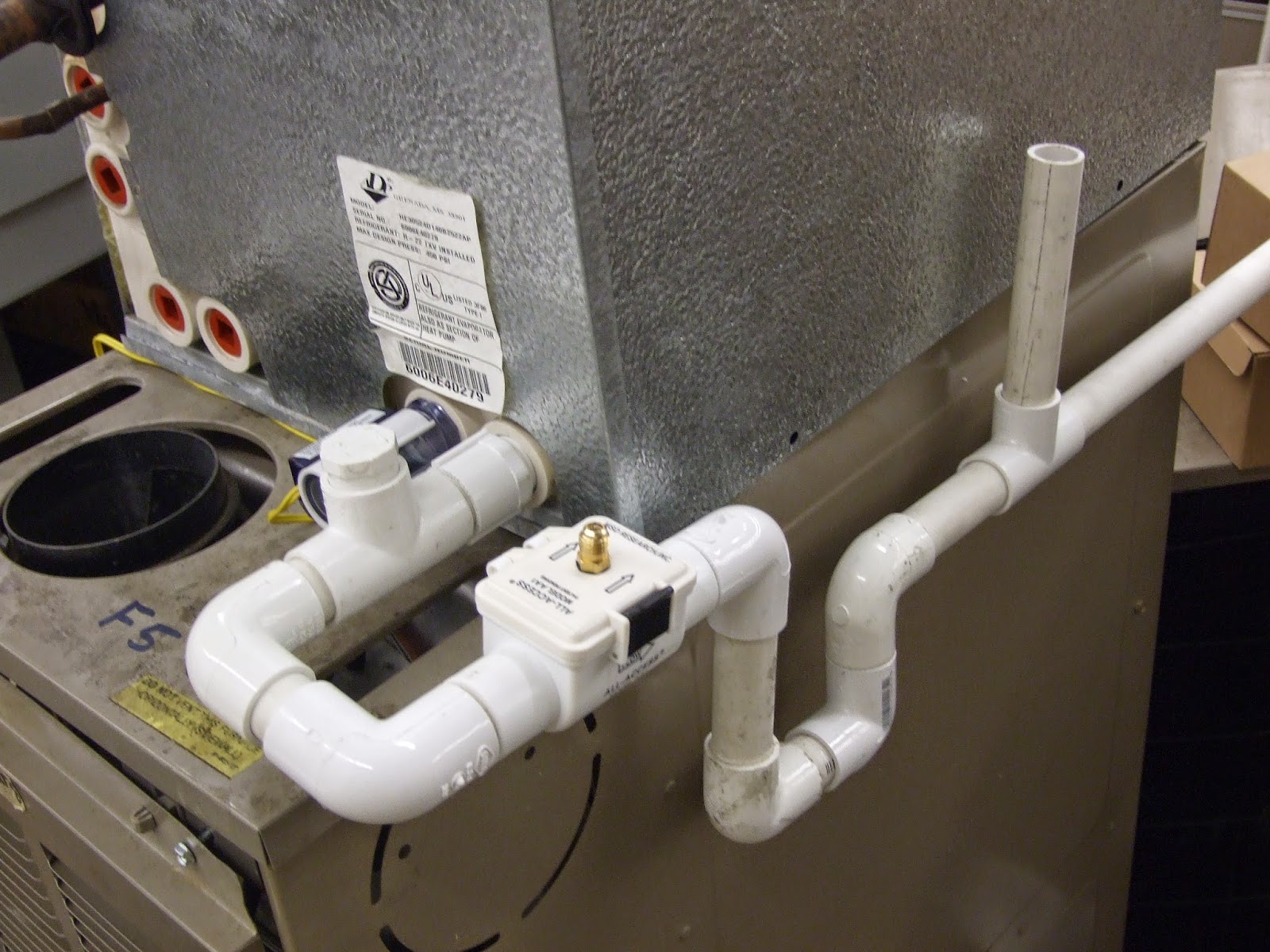
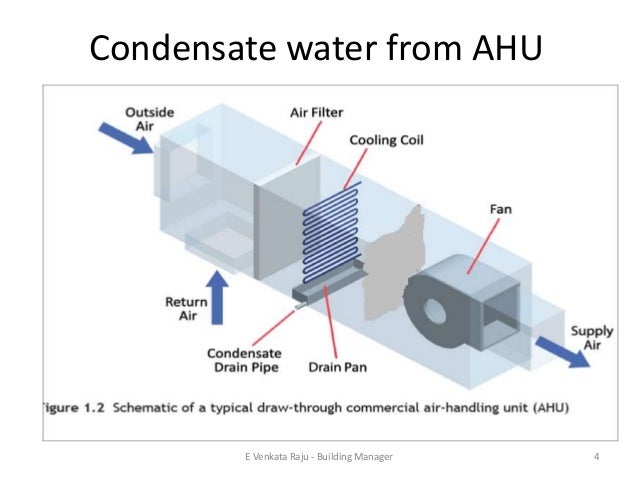
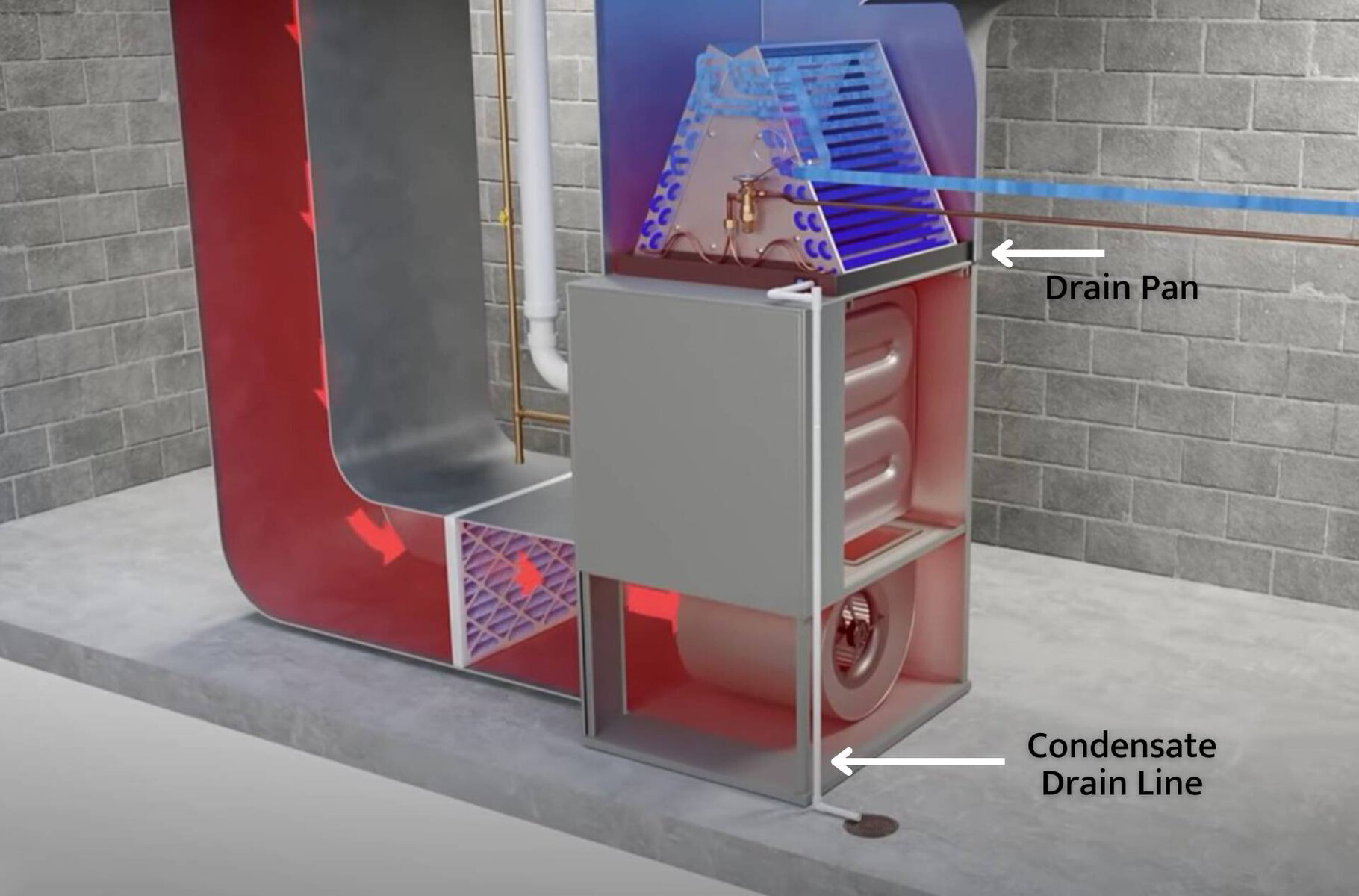
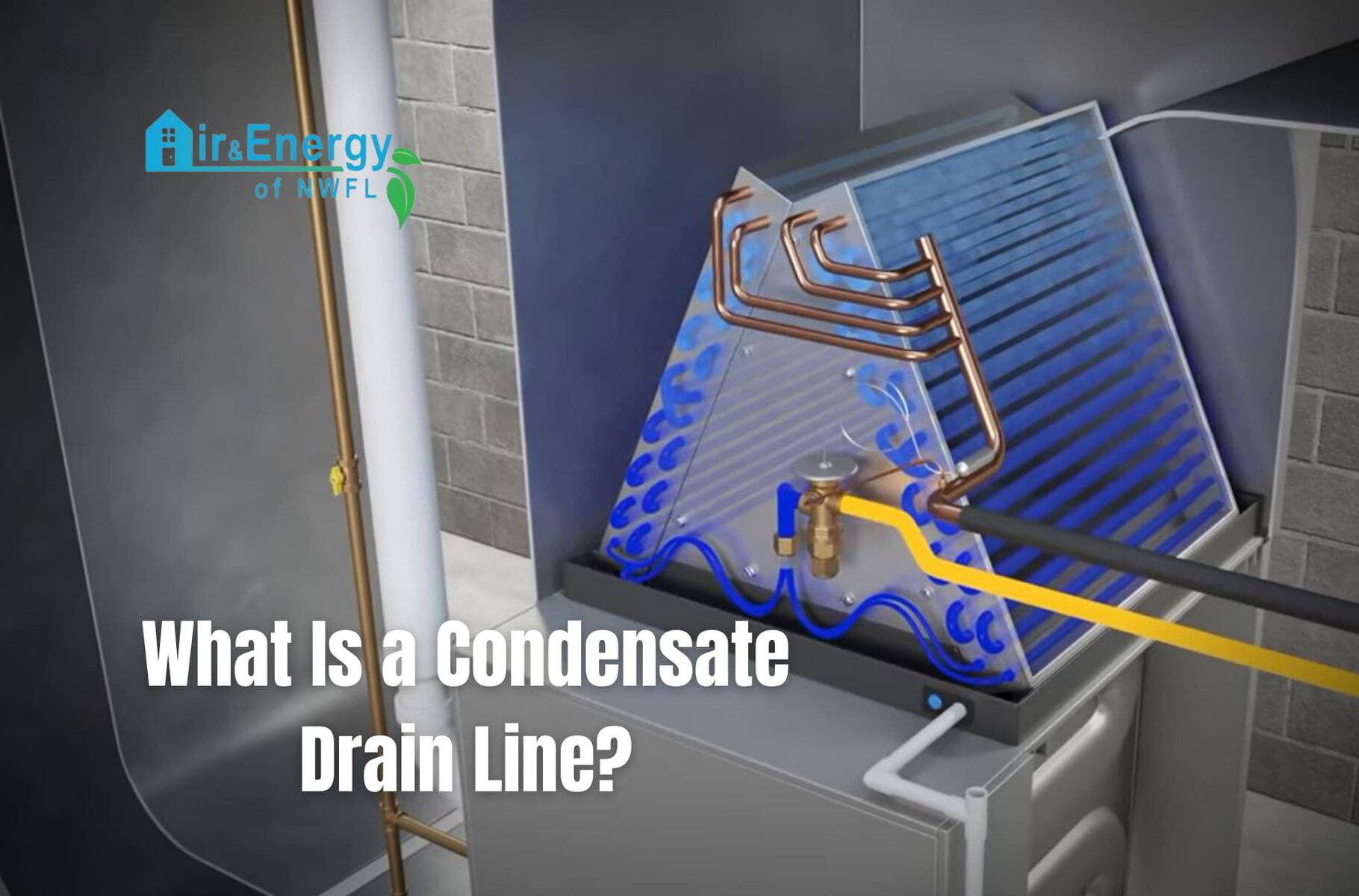
Before we dive into the causes, let's clarify what a condensate line is and its function in your air conditioning system. In simple terms, the condensate line is a pipe that drains the water produced by your air conditioner. Think of it like this: when your AC cools the warm, humid air inside your home, the moisture in that air condenses on the cold evaporator coils. This condensation forms water droplets that collect in a drain pan and are then channeled out of your house through the condensate line.
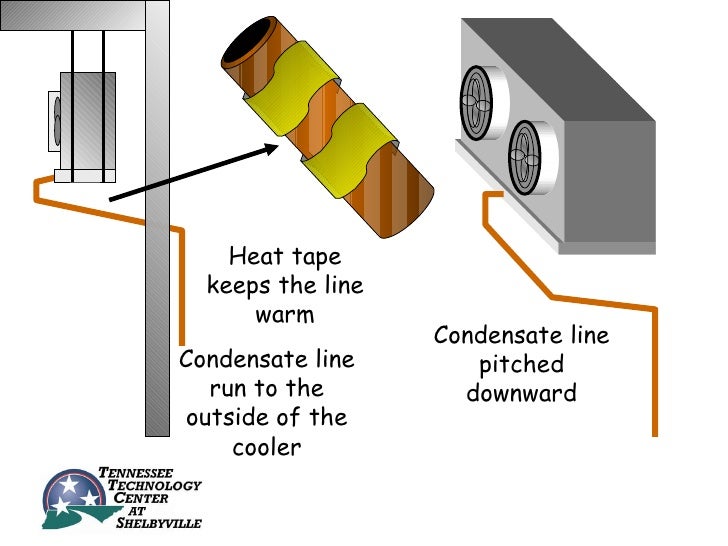
The location of the condensate line varies depending on your AC system, but it usually exits on an exterior wall or drains into a floor drain. Typically, you should only see water dripping from the end of the line when your AC is running. No air should be coming out of it.
Why is Cold Air Blowing from the Condensate Line?
If you notice cold air blowing from your condensate line, it indicates an issue with the air pressure in your system, usually related to leaks or imbalances. Here's a breakdown of the common culprits:
1. Negative Pressure in the Home
What it is: When your home is under negative pressure, it means that more air is being exhausted from the house than is being supplied. In other words, more air is being sucked out than is coming in.
How it happens: This can occur due to several factors, including:
- Exhaust fans: Running multiple exhaust fans (kitchen, bathroom) simultaneously can create a significant negative pressure.
- Range hoods: Powerful range hoods designed to vent cooking odors and fumes outside can pull a lot of air out of the house.
- Clothes dryers: These appliances vent hot, moist air to the outside, contributing to negative pressure.
- Tightly sealed homes: Modern, energy-efficient homes are often very well-sealed, limiting natural air infiltration. While this is good for energy efficiency, it can exacerbate negative pressure issues if not properly balanced with adequate fresh air intake.
- Fireplaces: A fireplace, especially if the damper isn't fully closed or if it's not designed for efficient combustion, can draw a large amount of air from the house.
How it affects the condensate line: When the house is under negative pressure, air will be drawn in through any available opening. Because the condensate line is a relatively small opening connected directly to the drain pan inside your air handler, it can become a pathway for outside air to enter the system. The negative pressure essentially sucks air in through the line.
The result: You'll feel a draft of cold air coming from the end of the condensate line.
2. Air Leaks in the Ductwork
What it is: Your AC system's ductwork is responsible for distributing cooled air throughout your home. If there are leaks in the ductwork, especially in unconditioned spaces like attics or crawl spaces, air can be drawn in or pushed out, depending on the pressure dynamics.
How it happens: Ductwork can develop leaks over time due to:
- Poor installation: Improperly sealed connections during installation are a common cause.
- Aging: Duct tape and other sealing materials can dry out and crack over time, creating openings.
- Damage: Rodents, insects, or physical impact can damage ductwork, leading to leaks.
- Flex duct issues: Flexible ductwork is more prone to leaks, especially if it's not properly supported or is kinked.
How it affects the condensate line: When ductwork leaks occur, especially on the return side (the part of the system that pulls air back to the air handler), it can affect the air pressure around the air handler itself. If the area around the air handler experiences negative pressure due to duct leaks, it can draw air in through the condensate line.
The result: Cold air being drawn in from the outside, through the condensate line, and into the system.
3. Improperly Sealed Air Handler
What it is: The air handler is the indoor unit of your AC system that houses the blower fan and evaporator coil. If the air handler itself is not properly sealed, it can contribute to air leaks and pressure imbalances.
How it happens: Air handler leaks can occur due to:
- Poor installation: Gaps or cracks around access panels or where ductwork connects to the air handler.
- Aging: Seals and gaskets can deteriorate over time.
- Maintenance neglect: Failing to properly close access panels after maintenance or repairs.
How it affects the condensate line: If the air handler is leaky, it can create a pathway for air to be drawn in from surrounding areas. If the surrounding area is under negative pressure or has a source of outside air, that air can be pulled in through the air handler and find its way out the condensate line.
The result: Again, cold air exiting through the condensate line.
Problems Caused by Air Blowing from the Condensate Line
Having air blowing from your condensate line is not just a minor inconvenience; it can lead to several problems with your AC system:
- Reduced Efficiency: Air leaks force your AC to work harder to maintain the desired temperature, leading to higher energy bills.
- Uneven Cooling: Air leaks can cause some rooms to be cooler than others, creating uncomfortable temperature variations throughout your home.
- Strain on the System: The added workload can shorten the lifespan of your AC system and lead to premature failures.
- Mold and Mildew Growth: If warm, humid air is being drawn into the system through the condensate line, it can create a breeding ground for mold and mildew, potentially causing health problems.
- Water Damage: Under certain circumstances, the influx of air can disrupt the normal draining process and potentially lead to water damage around the air handler or condensate drain.
Troubleshooting and Solutions
Here's a step-by-step guide to help you troubleshoot and address the issue of cold air blowing from your condensate line:
- Check for Obvious Air Leaks: Start by visually inspecting your ductwork, air handler, and around windows and doors for any obvious gaps or cracks. Seal any leaks you find with duct tape or caulk. While duct tape is a temporary fix, a proper sealing of the duct requires mastic sealant or metal tape.
- Balance Air Pressure: If you suspect negative pressure is the issue, try running your AC with fewer exhaust fans operating. Open a window slightly to allow more air to enter the house. Consider installing a fresh air intake system to provide a constant supply of outside air.
- Inspect the Air Handler: Make sure the access panels on your air handler are properly sealed and that there are no visible gaps around the ductwork connections.
- Check the Condensate Drain: Ensure that the condensate drain is clear and free of obstructions. A clogged drain can cause water to back up into the drain pan, exacerbating the air leak issue. You can try using a wet/dry vacuum to suck out any debris.
- Consider a Professional Duct Sealing: If you suspect significant duct leakage, consider hiring a professional HVAC technician to perform a duct leakage test and seal the ductwork properly. They have specialized equipment to locate and seal leaks effectively.
- Professional AC Inspection: If you've tried these steps and are still experiencing the problem, it's best to call a qualified HVAC technician. They can diagnose the underlying cause and recommend the appropriate solutions. They can also check for other potential issues with your AC system, such as low refrigerant levels, which can also affect air pressure. Remember, refrigerant is the "blood" of the system, and the pressure affects the system's performance.
Prevention and Maintenance
Regular maintenance is key to preventing air leaks and ensuring the efficient operation of your AC system:
- Schedule Regular AC Tune-Ups: Have your AC system professionally inspected and tuned up at least once a year. This will help identify and address potential problems before they become major issues.
- Clean or Replace Air Filters Regularly: Clogged air filters restrict airflow, putting strain on your AC system and potentially contributing to air leaks. Change your air filters every 1-3 months, depending on the type of filter and the air quality in your home.
- Maintain Ductwork: Inspect your ductwork periodically for signs of damage or leaks. Seal any leaks promptly to prevent air loss and maintain efficient operation.
- Address Negative Pressure: Be mindful of using multiple exhaust fans simultaneously. Consider installing a fresh air intake system to balance air pressure in your home.
In conclusion, cold air blowing from your condensate line is a sign of an underlying issue that needs to be addressed. By understanding the causes and taking proactive steps to troubleshoot and prevent air leaks, you can maintain a more efficient and comfortable home, and extend the life of your AC system. When in doubt, always consult with a qualified HVAC technician for professional diagnosis and repair.