Condensate Pump Full Of Water

A condensate pump that's full of water might seem like its doing its job, but if it's always full and not emptying, it's a sign of a problem. This article will guide you through understanding condensate pumps, identifying issues related to them being constantly full of water, and troubleshooting common problems.
What is a Condensate Pump?
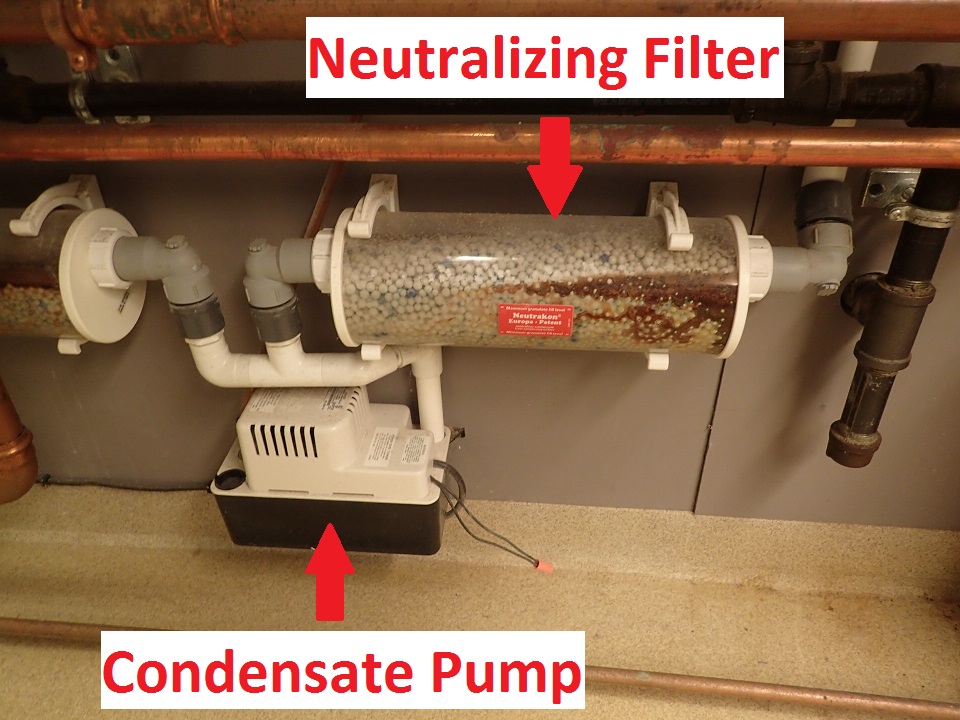
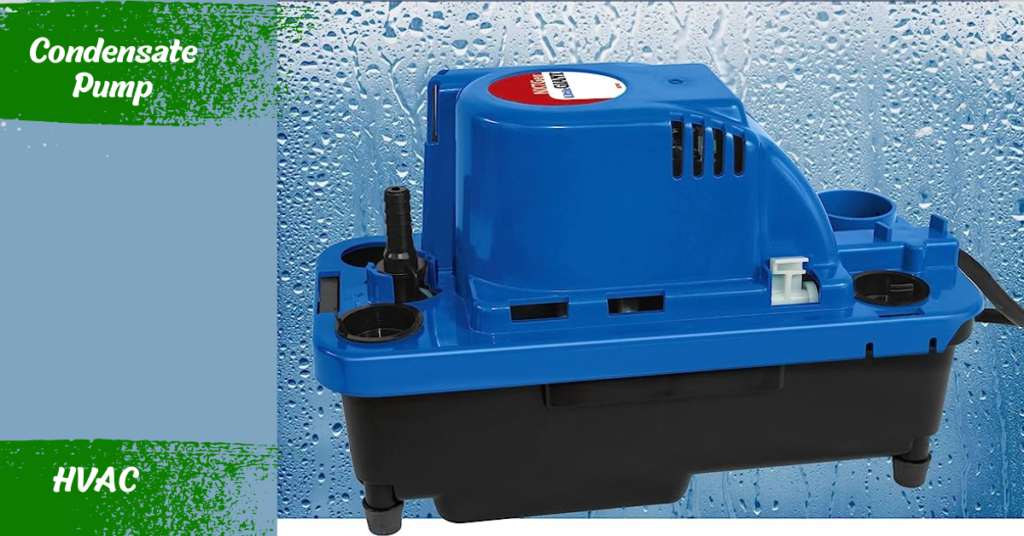
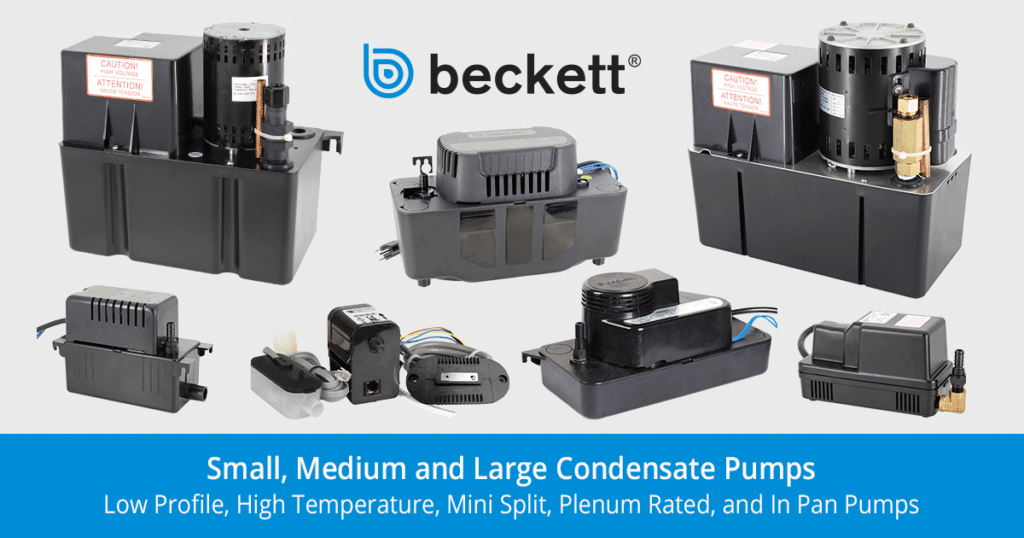
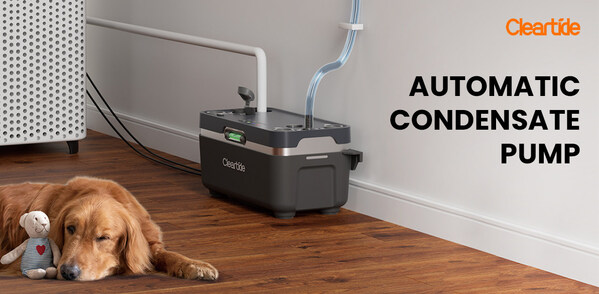
A condensate pump is a small, but important, device that removes water that collects from your air conditioning system, furnace (in some high-efficiency models), or dehumidifier. Think of it as the unsung hero preventing water damage in your home.
How it Works
Imagine your air conditioner is like a cold glass of lemonade on a hot day. Just like condensation forms on the glass, your AC unit creates condensation as it cools warm, humid air. This condensation collects in a drain pan. If gravity can't carry this water away to a drain, that's where the condensate pump steps in.
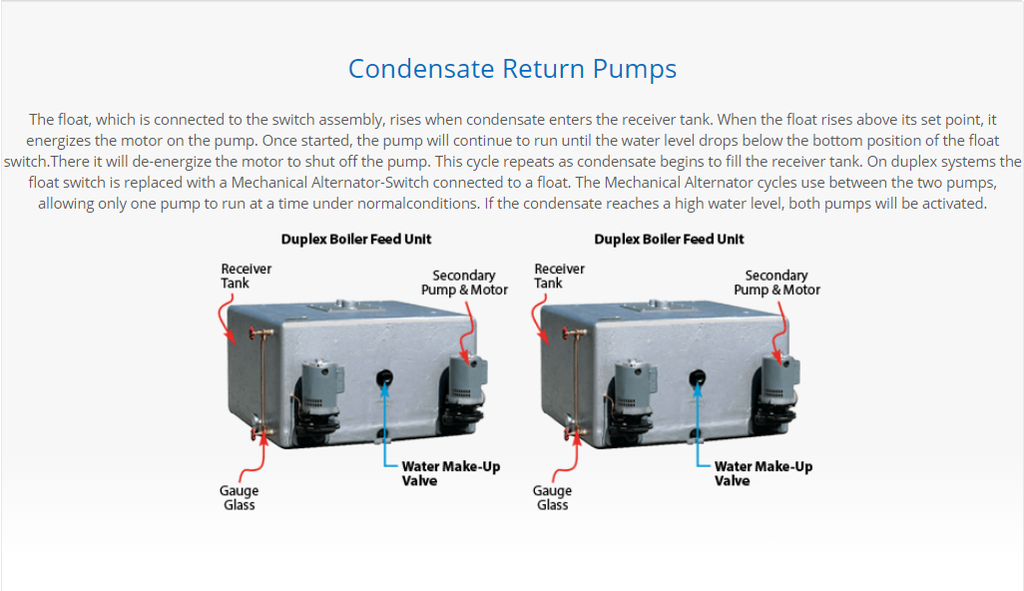
The pump has a reservoir or tank that fills with water. When the water level reaches a certain point, a float switch is activated. This switch turns on a small pump, which then pushes the water through a tube to a designated drain, typically a plumbing drain or even outside in some cases. Once the water level drops, the float switch deactivates, and the pump turns off. This cycle repeats as needed.
Why is a Condensate Pump Full of Water a Problem?
While the pump's job is to hold water temporarily, a persistently full pump indicates that something is preventing it from emptying correctly. This can lead to a variety of issues:
- Water Damage: The most obvious concern is overflowing. If the pump can't discharge the water, it will eventually overflow the tank, potentially damaging ceilings, walls, and floors.
- Mold and Mildew Growth: Stagnant water is a breeding ground for mold and mildew. This can cause unpleasant odors and pose health risks, especially for people with allergies or respiratory problems.
- Pump Failure: A pump constantly running or struggling to pump water will wear out faster. This shortens its lifespan and leads to costly repairs or replacements.
- AC System Issues: A clogged or malfunctioning condensate pump can sometimes trigger safety mechanisms in your AC system, causing it to shut down. This leaves you without cooling and potentially facing more significant problems.
Troubleshooting a Condensate Pump Full of Water
Before calling a professional, try these troubleshooting steps. Always disconnect the power to the pump before inspecting or working on it to prevent electrical shock.
1. Check the Power Supply
It sounds simple, but make sure the pump is plugged in and the outlet is working. Try plugging another device into the outlet to confirm it's providing power. Also, check the pump's power cord for any damage.
2. Inspect the Float Switch
The float switch is the key component that tells the pump when to turn on. Open the pump housing (if possible) and gently lift the float. You should hear a click, and ideally, the pump should activate (if plugged in – do this with caution!). If the float is stuck or doesn't move freely, it could be the problem.
Sometimes, debris or mineral buildup can impede the float's movement. Try gently cleaning the float and the area around it. If the float is visibly damaged, it will need to be replaced.
3. Examine the Drain Line for Clogs
A clogged drain line is the most common reason for a condensate pump to be full. Disconnect the drain line from the pump and inspect it for blockages. You can use a wet/dry vacuum to try and suck out any debris. A stiff wire or pipe cleaner can also be helpful for dislodging clogs.
Think of the drain line like a straw. If the straw is blocked, you can't drink. Similarly, if the drain line is blocked, the pump can't empty the water.
Common culprits for clogs include:
- Algae Growth: Algae thrives in damp, dark environments.
- Dirt and Dust: Airborne particles can accumulate in the drain pan and eventually clog the line.
- Mineral Deposits: Hard water can leave mineral deposits that narrow the drain line.
After clearing the drain line, flush it with a mixture of water and a small amount of bleach or white vinegar to kill any remaining algae or bacteria. Be sure to rinse thoroughly afterward.
4. Check the Pump Impeller
The impeller is the rotating part of the pump that moves the water. If accessible, inspect the impeller for any obstructions or damage. Small debris can sometimes get lodged in the impeller, preventing it from spinning freely.
5. Listen to the Pump Motor
When the pump is activated (either manually by lifting the float or when the water level rises), listen carefully to the motor. Does it sound weak, strained, or unusually loud? A failing motor might be struggling to pump water even when the drain line is clear.
6. Inspect the Drain Pan
While the issue might be with the pump itself, it's also worth checking the drain pan in your AC unit or furnace. Make sure the drain pan is clean and free of debris. A clogged drain pan can cause water to overflow and overwhelm the condensate pump.
7. Consider the Pump's Age
Condensate pumps have a limited lifespan, typically around 5-10 years. If your pump is older than that, it might simply be nearing the end of its life. Even if you can fix the immediate problem, it might be wise to consider replacing it prevent future issues.
When to Call a Professional
If you've tried these troubleshooting steps and your condensate pump is still full of water, it's time to call a qualified HVAC technician. Here are some situations where professional help is essential:
- Electrical Issues: If you suspect an electrical problem with the pump or wiring, don't attempt to fix it yourself. Electrical work can be dangerous and should only be performed by a trained professional.
- Refrigerant Leaks: If you suspect a refrigerant leak (you might notice a sweet, oily smell), call a professional immediately. Refrigerant leaks can be harmful to your health and the environment. Think of refrigerant as the 'blood' of your AC system, carrying heat from inside to outside.
- Complex Plumbing Problems: If the drain line is connected to complex plumbing, or you suspect a problem with the plumbing drain itself, a plumber might be needed.
- Uncertainty: If you're uncomfortable working with electrical or mechanical components, or you're simply unsure what's causing the problem, it's always best to err on the side of caution and call a professional.
Preventative Maintenance
Regular maintenance can help prevent condensate pump problems and extend its lifespan. Here are some tips:
- Clean the Drain Line Regularly: Flush the drain line with a mixture of water and bleach or white vinegar every few months to prevent algae and mineral buildup.
- Clean the Drain Pan: Regularly clean the drain pan in your AC unit or furnace to remove any debris.
- Inspect the Pump Periodically: Check the pump for any signs of leaks, corrosion, or damage.
- Consider a Pan Treatment: Use a pan treatment product designed to prevent algae growth and mineral buildup in the drain pan.
Choosing a Replacement Condensate Pump
If your condensate pump needs to be replaced, consider these factors when choosing a new one:
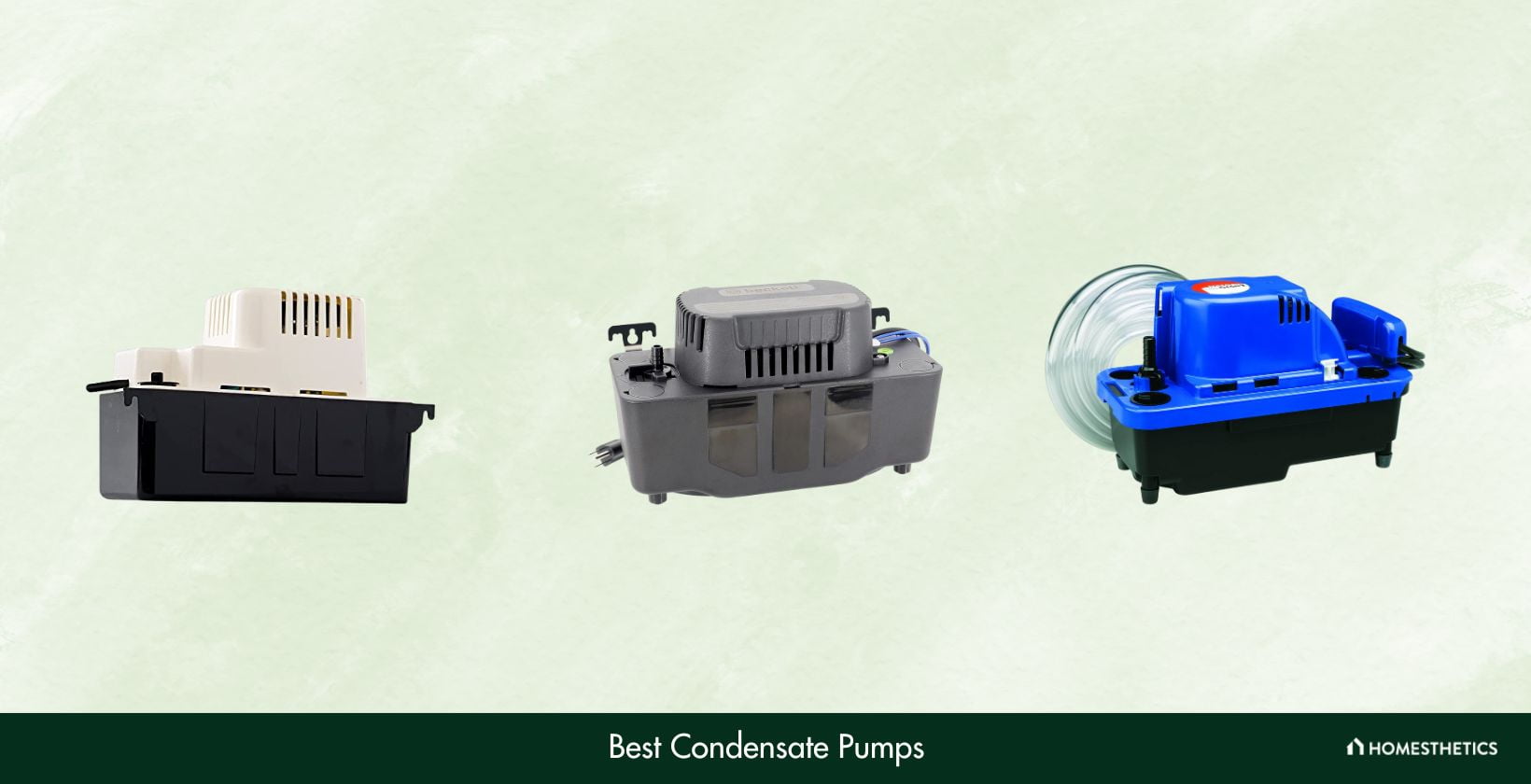
- Capacity: Choose a pump with the appropriate capacity for your AC system or furnace. The capacity is measured in gallons per hour (GPH). Consult your HVAC technician for recommendations.
- Head Height: The head height is the maximum vertical distance the pump can lift water. Make sure the pump has a sufficient head height for your application.
- Features: Some pumps come with additional features, such as safety switches that shut off the AC system if the pump fails.
- Reliability: Choose a pump from a reputable brand known for its reliability and durability.
By understanding how a condensate pump works, recognizing the signs of a problem, and following these troubleshooting steps, you can often resolve issues yourself and prevent costly repairs. However, don't hesitate to call a professional when needed to ensure the safe and efficient operation of your HVAC system.