Condensate Pump Into Sewer Line

Frequently Asked Questions: Condensate Pumps and Sewer Line Connections
Condensate pumps are essential for removing water produced by air conditioners, furnaces, and dehumidifiers. Understanding how they connect to your drainage system, particularly sewer lines, is crucial for proper operation and preventing problems. This FAQ addresses common questions about connecting condensate pumps to sewer lines.
Question 1: What is a condensate pump, and why is it necessary?
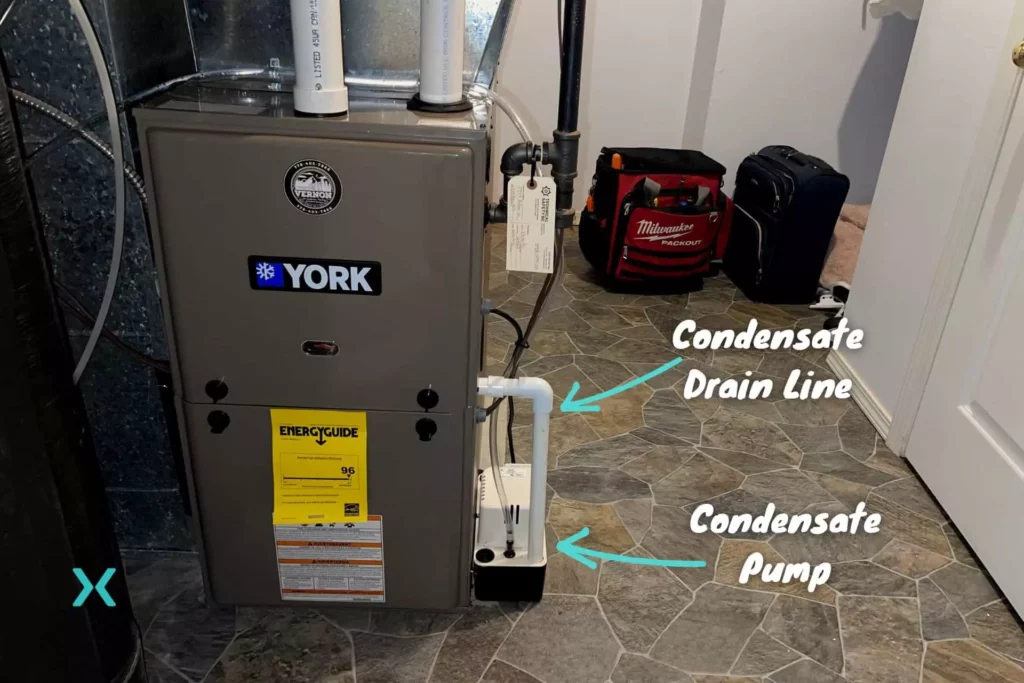
A condensate pump is a small automatic pump designed to remove condensation that forms during the operation of certain appliances. This condensation, often water, is a byproduct of cooling and dehumidification processes.
It's necessary because gravity drainage isn't always feasible. Consider these scenarios:
- The appliance is located in a basement or area where the drain line is above the nearest drain.
- The appliance is too far from a suitable drain for a gravity-fed line to work effectively.
Without a condensate pump, this water could accumulate and cause:
- Water damage to your home or building.
- Mold growth, leading to health problems.
- Damage to the appliance itself.
Question 2: Is it generally permissible to discharge condensate into a sewer line?
The short answer is: it depends. While it's a common practice, local plumbing codes dictate whether it's allowed and what specific requirements must be met. Many jurisdictions permit condensate discharge into the sewer system, but often with stipulations.
Factors influencing permissibility include:
- Local plumbing codes: These vary significantly between municipalities. Some areas explicitly allow it, others prohibit it, and some allow it with specific requirements.
- Air gap requirements: Most codes require an air gap between the condensate drain line and the sewer line to prevent backflow and contamination.
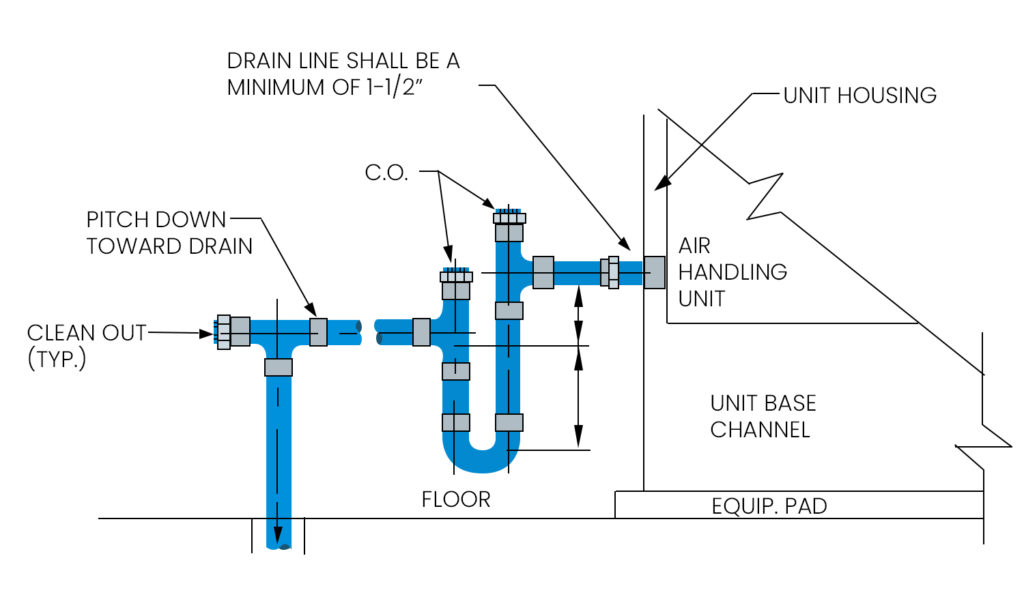
- Trap requirements: A P-trap may be required to prevent sewer gases from entering the building.
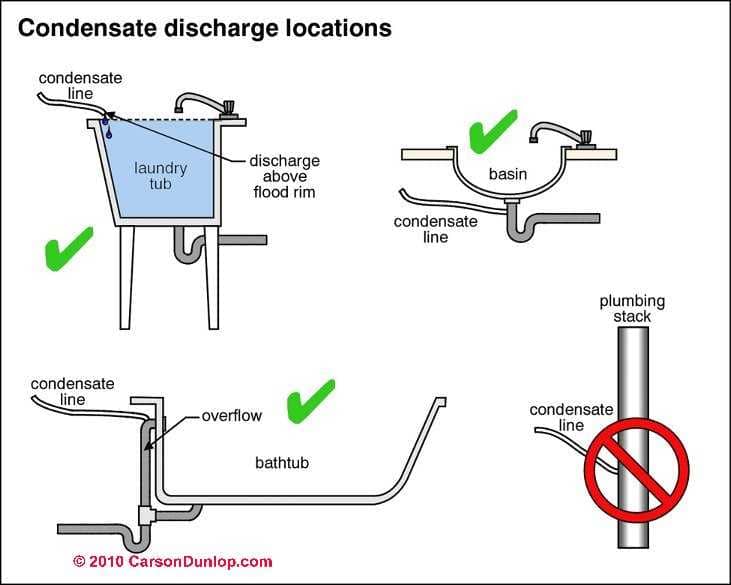
- Indirect waste connection: The preferred method in many areas is an indirect connection, meaning the condensate drains into a laundry sink, floor drain, or other fixture connected to the sewer line, rather than directly into the sewer line itself.
Crucially, always consult with a licensed plumber and your local building codes department to confirm whether condensate discharge into a sewer line is permitted and to understand the specific requirements in your area. Ignoring these regulations can lead to fines and the need for costly corrections.
Question 3: What are the potential benefits and drawbacks of using a sewer line for condensate disposal?
Connecting a condensate pump to a sewer line has both advantages and disadvantages.
Benefits:
- Convenience: It provides a relatively easy and often direct route for condensate disposal.
- Cost-effectiveness (potentially): Compared to creating a dedicated drainage system, connecting to an existing sewer line can be less expensive in some situations.
- Reduced environmental impact (potentially): In areas with water scarcity, the wastewater can be treated and potentially reused. This is a complex issue with varying perspectives.
Drawbacks:
- Code restrictions: As mentioned earlier, it may not be allowed in all areas or may require specific permits and installation methods.
- Potential for backflow: Improper installation without an air gap or backflow preventer can lead to sewer water backing up into the condensate line and potentially contaminating the appliance.
- Sewer gas intrusion: Without a proper P-trap, sewer gases can enter the building through the condensate line.
- Corrosion: The acidic nature of condensate can, over time, contribute to corrosion of sewer pipes, especially older metal pipes.
- Strain on sewer systems: While the volume of condensate from a single residential unit is usually small, the cumulative effect of many units discharging into the sewer system can contribute to overflow issues, especially during heavy rain events (combined sewer systems).
Question 4: What is an air gap, and why is it important when connecting a condensate pump to a sewer line?
An air gap is a physical separation between the condensate drain line and the sewer drain. It's a critical safety feature that prevents backflow of potentially contaminated water from the sewer line into the condensate system and potentially into your appliance and your home.
Imagine a scenario where the sewer line becomes partially blocked. Pressure builds up, and the water level in the sewer line rises. Without an air gap, this contaminated water could be siphoned back through the condensate line and into the appliance. With an air gap, the rising sewer water will simply overflow at the air gap point, preventing backflow.
An air gap is usually created by:
- Directing the condensate drain line into a funnel or open drain above the sewer line drain.
- Using a specialized air gap fitting designed for this purpose. These fittings typically have a small opening through which the condensate flows into the drain, with sufficient vertical distance to prevent backflow.
Failure to install a proper air gap is a serious plumbing violation in most jurisdictions and can pose a significant health risk. Always ensure an air gap is present and properly installed when connecting a condensate pump to a sewer line.
Question 5: How should a condensate pump be properly installed to ensure safe and code-compliant connection to a sewer line?
Proper installation is crucial to prevent problems and ensure compliance with local codes. While hiring a licensed plumber is always recommended, here's a general overview of the key steps:
- Check local codes: As emphasized throughout, always verify local plumbing codes to determine permissibility and specific requirements.
- Choose the correct pump: Select a condensate pump with sufficient capacity for the appliance it's serving. Consider the amount of condensate produced and the vertical distance the pump needs to lift the water.
- Install the pump correctly: Follow the manufacturer's instructions for installation. Ensure the pump is level and securely mounted.
- Create an air gap: Install a proper air gap fitting or create an air gap by directing the condensate drain line into an open drain.
- Install a P-trap (if required): A P-trap will prevent sewer gases from entering the building. Ensure it is properly installed and primed with water.
- Use appropriate piping: Use PVC or CPVC piping of the correct diameter for the drain line. Ensure all connections are secure and watertight.
- Slope the drain line: Ensure the drain line slopes slightly downward towards the sewer line to facilitate gravity drainage.
- Test the system: After installation, test the pump to ensure it is working correctly and that there are no leaks.
- Consider a safety switch: Install a float switch that will shut off the appliance if the condensate pump fails, preventing overflow.
Important Considerations:
- Material Compatibility: Choose piping materials that are resistant to corrosion from condensate, which can be slightly acidic.
- Accessibility: Ensure the pump and drain line are accessible for maintenance and cleaning.
- Regular Maintenance: Periodically clean the pump and drain line to prevent clogs and ensure proper operation.
Question 6: What are the alternatives to using a sewer line for condensate disposal?
If connecting to a sewer line is not permissible or desirable, several alternatives exist:
- Discharge to a laundry sink or floor drain: This is often the preferred method as it provides an indirect connection to the sewer line with a built-in air gap.
- Discharge to a condensate neutralizer: A condensate neutralizer raises the pH of the condensate before it is discharged, reducing its corrosive potential. This is particularly important for high-efficiency furnaces that produce acidic condensate. After neutralization, the water can be discharged into a landscaping area or a dry well, depending on local regulations.
- Discharge to a sump pit: The condensate can be pumped into a sump pit and then discharged to the outside through the sump pump. Ensure the sump pump is capable of handling the continuous flow of condensate.
- Discharge to a dry well: A dry well is an underground structure that allows water to slowly infiltrate into the soil. This option is suitable for areas with well-draining soil and where local regulations permit it.
- Discharge outdoors (if permitted): In some areas, it may be permissible to discharge condensate directly outdoors, but this is generally discouraged as it can create standing water and attract insects. Check local regulations carefully.
- Install a dedicated condensate drain line: This may involve running a new drain line to a suitable drain location, such as a laundry sink or floor drain. This can be more expensive but may be the most reliable and compliant option in some cases.
Each alternative has its own advantages and disadvantages, and the best option will depend on your specific circumstances and local regulations. Consult with a licensed plumber to determine the most appropriate solution for your situation.
Question 7: How do I maintain a condensate pump system connected to a sewer line to prevent problems?
Regular maintenance is essential to ensure the reliable operation of your condensate pump system and prevent costly repairs or water damage. Here's a maintenance checklist:
- Clean the pump reservoir: At least annually, or more frequently if needed, clean the pump reservoir to remove any sediment or debris that may have accumulated. This can be done by unplugging the pump, removing the reservoir, and washing it with soap and water.
- Clean the float switch: Inspect and clean the float switch to ensure it is moving freely and functioning correctly. Mineral deposits or debris can interfere with its operation.
- Flush the drain line: Periodically flush the drain line with a solution of vinegar and water to remove any buildup of algae or mineral deposits. This can help prevent clogs and ensure proper drainage.
- Inspect the air gap: Check the air gap to ensure it is clear and free of obstructions. Clean any debris that may have accumulated.
- Check the P-trap (if applicable): Ensure the P-trap is properly primed with water to prevent sewer gases from entering the building. Add water as needed.
- Inspect the pump discharge: Observe the pump discharge to ensure the pump is pumping water effectively and that there are no leaks.
- Listen for unusual noises: Pay attention to any unusual noises coming from the pump, such as grinding or rattling sounds. These noises may indicate a problem with the pump that needs to be addressed.
- Test the safety switch (if applicable): Regularly test the safety switch to ensure it is functioning correctly and will shut off the appliance in the event of a pump failure.
- Replace the pump as needed: Condensate pumps have a limited lifespan. Replace the pump every few years, or sooner if it shows signs of wear or failure.
By following these maintenance tips, you can help ensure the reliable operation of your condensate pump system and prevent problems that could lead to water damage or other issues. If you are not comfortable performing these maintenance tasks yourself, contact a qualified plumber or HVAC technician.