Condensate Pump Troubleshooting
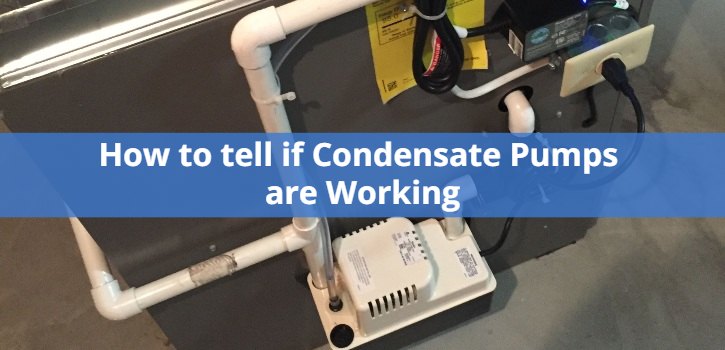
A common household appliance failure that often goes unnoticed until it becomes a problem is a malfunctioning condensate pump. These little workhorses quietly remove water that's generated by your air conditioner, furnace (high-efficiency models), or dehumidifier. When they fail, water can back up, leading to potential water damage, mold growth, and system shutdowns. Before calling a professional, let's explore some simple troubleshooting steps you can take.
Condensate Pump Troubleshooting: A Step-by-Step Guide
This guide provides a logical, step-by-step approach to diagnosing and resolving common condensate pump issues. Safety is paramount, so always disconnect power to the appliance before performing any maintenance.
Step 1: Safety First – Disconnect the Power
Before you even *think* about touching anything, disconnect the power to the appliance that the condensate pump serves. This could be your air conditioner, furnace, or dehumidifier. Locate the breaker in your electrical panel that controls the appliance and switch it off. Double-check that the appliance is indeed off before proceeding. This is a non-negotiable first step.
Step 2: Visual Inspection – Look for Obvious Clues
Carefully examine the condensate pump and its surroundings. Look for the following:
- Water Leaks: Are there any obvious leaks coming from the pump itself, the tubing connections, or the reservoir?
- Disconnected Tubing: Check that all tubing is securely connected to the pump and to the drain line.
- Damaged Tubing: Inspect the tubing for cracks, kinks, or blockages.
- Full Reservoir: Is the reservoir overflowing? This could indicate the pump isn't running or that the discharge line is blocked.
- Visible Debris: Look for dirt, dust, or other debris around the pump and in the reservoir.
Document any observations. These details will be helpful, whether you fix it yourself or need to describe the problem to a professional.
Step 3: Check the Power Supply to the Pump
Even if you’ve disconnected the power to the *appliance*, the condensate pump itself needs power. Most condensate pumps plug into a standard electrical outlet. Here's how to check the power supply:
- Is the Pump Plugged In? Seems obvious, but make sure the pump is securely plugged into the outlet.
- Test the Outlet: Use a lamp or other small appliance to test the outlet and confirm that it's working. If the outlet doesn't work, check the circuit breaker.
- Pump Switch: Some pumps have an on/off switch. Make sure it's in the "on" position.
If the outlet is working, and the pump is plugged in and switched on (if applicable), move on to the next step.
Step 4: Clean the Reservoir and Float Switch
A common cause of condensate pump failure is a dirty reservoir or a malfunctioning float switch. The float switch is a small mechanism inside the reservoir that detects the water level and triggers the pump to turn on. Here's how to clean it:
- Empty the Reservoir: Carefully remove the pump from the reservoir (if possible) and empty the water. You can use a wet/dry vacuum to help with this.
- Clean the Reservoir: Use a mild soap and water solution to clean the inside of the reservoir. Remove any dirt, debris, or slime. Rinse thoroughly.
- Inspect the Float Switch: The float switch is typically a small plastic or metal component that floats on the water surface. Make sure it moves freely. If it's stuck, gently try to dislodge it. Look for any visible damage.
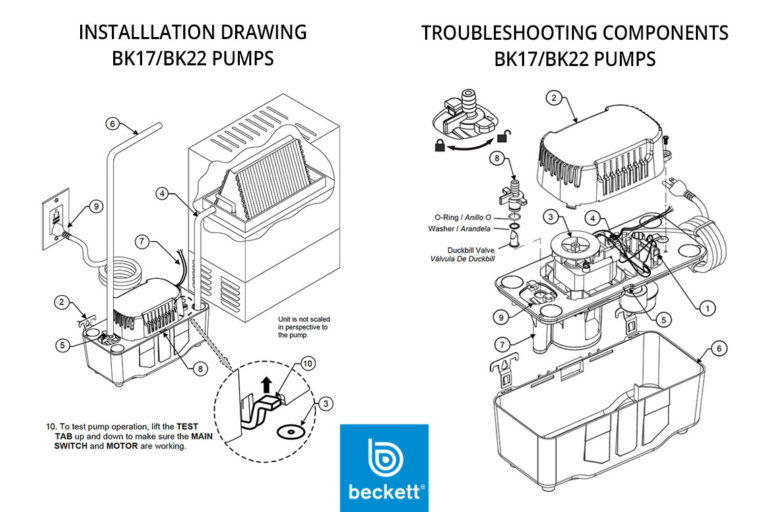
- Test the Float Switch: With the reservoir empty and the pump removed, manually lift the float switch. You should hear a faint "click" as the switch engages. If you don't hear a click, the switch may be faulty and need to be replaced (more on this later).
Reassemble the pump and reservoir after cleaning.
Step 5: Clear the Discharge Line
A clogged discharge line is another frequent culprit. The discharge line is the tubing that carries the water away from the pump. Here's how to clear it:
- Disconnect the Tubing: Disconnect the discharge tubing from the pump.
- Inspect for Blockages: Visually inspect the tubing for any visible blockages.
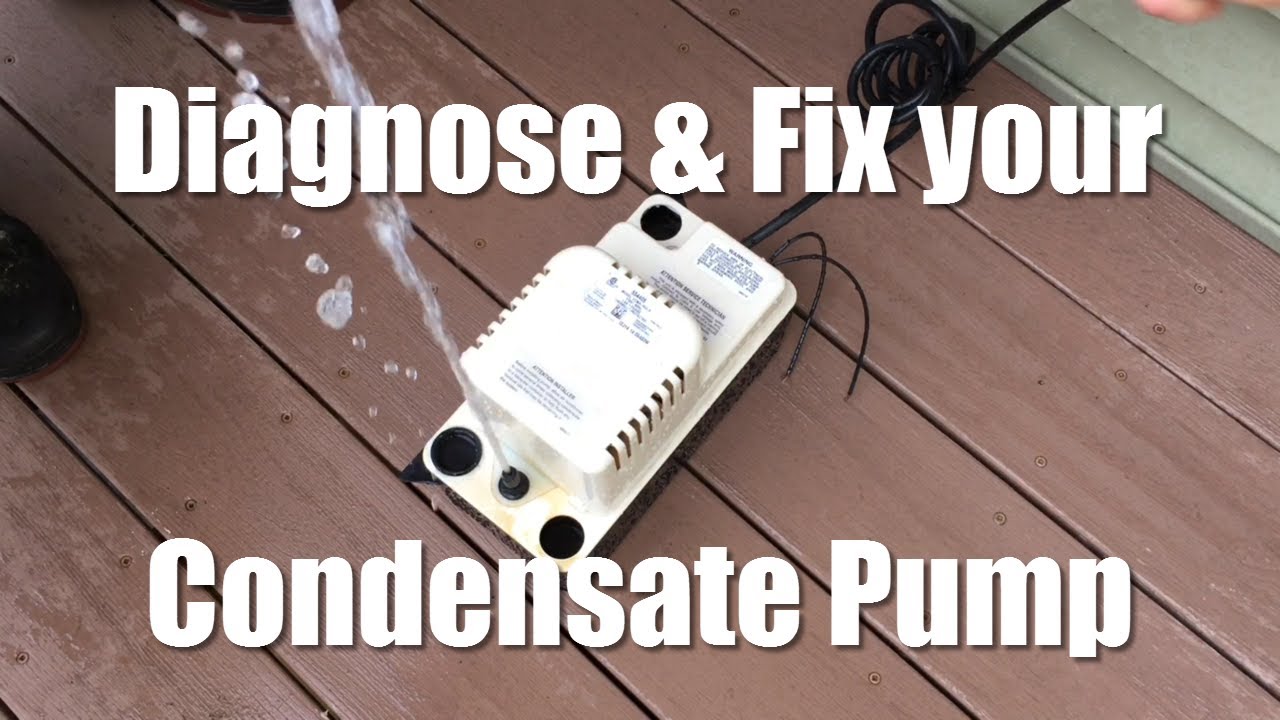
- Flush with Water: Use a garden hose or faucet to flush the tubing with water. This can help dislodge any debris.
- Use a Wire or Pipe Cleaner: If flushing doesn't work, try using a flexible wire or pipe cleaner to break up any stubborn blockages. Be careful not to puncture the tubing.
- Check the Drain Opening: Make sure the drain opening where the discharge line empties is also clear of obstructions.
Reconnect the discharge tubing to the pump after clearing it.
Step 6: Prime the Pump (If Necessary)
Some condensate pumps require priming, especially after they've been run dry. Priming involves filling the pump chamber with water to help it start pumping. Consult your pump's manual for specific priming instructions. Generally, it involves:
- Pouring a small amount of water into the pump chamber.
- Turning the pump on and off a few times to help it draw water.
Step 7: Reconnect Power and Test
After performing all the above steps, reconnect the power to the appliance and observe the condensate pump. It should start pumping water as the reservoir fills. Monitor the pump for a few minutes to ensure it's working correctly and that there are no leaks.
Step 8: When to Call a Professional
If you've followed all the troubleshooting steps above and the condensate pump is still not working, it's time to call a qualified HVAC technician. Here are some situations where professional help is essential:
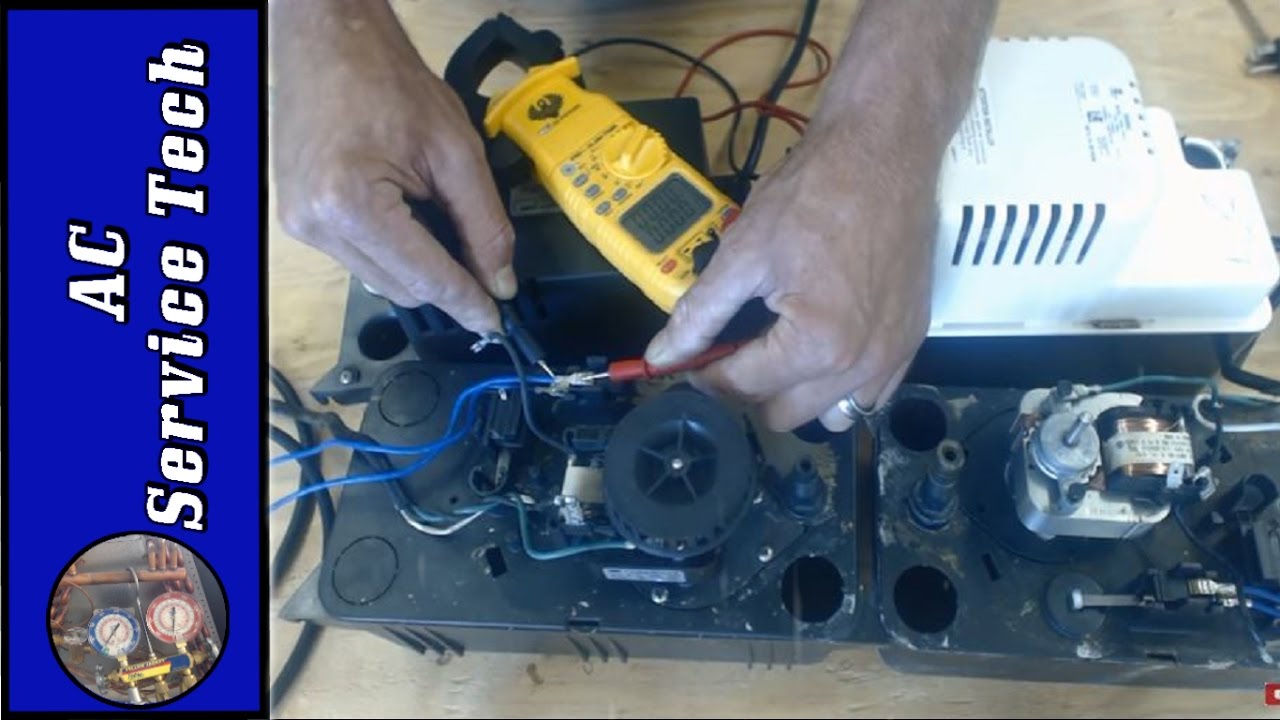
- Electrical Issues: If you suspect any electrical problems, such as a faulty motor or wiring, do not attempt to repair it yourself. Electricity is dangerous, and you could risk serious injury.
- Complex Pump Components: If you suspect a problem with internal pump components, such as the impeller or motor, it's best to have a professional diagnose and repair it.
- Refrigerant Leaks: If the condensate pump is connected to an air conditioner and you suspect a refrigerant leak, do not attempt to repair it yourself. Refrigerant is harmful to the environment and requires specialized equipment to handle.
- Gas Furnace Issues: If the condensate pump is connected to a gas furnace and you suspect a problem with the furnace itself, do not attempt to repair it yourself. Gas appliances require specialized knowledge and training.
- Persistent Problems: If you've tried everything and the pump continues to fail, it's likely that it needs to be replaced. A professional can recommend the appropriate replacement pump and install it correctly.
- You are Uncomfortable: If at any point during this process you feel uncomfortable or unsure, stop and call a professional. Your safety and the integrity of your systems are paramount.
Simple Part Replacements (Proceed with Caution)
In some cases, you may be able to replace a faulty component yourself. Here are two common replacement scenarios, but only attempt these if you are comfortable and have the necessary skills:
Replacing the Float Switch
If you suspect that the float switch is faulty, you can often replace it yourself. Here's how:
- Purchase a Replacement: Buy a replacement float switch that is compatible with your condensate pump model.
- Disconnect Power: As always, disconnect the power to the appliance.
- Remove the Old Switch: Carefully remove the old float switch from the reservoir. It may be held in place by clips or screws.
- Install the New Switch: Install the new float switch in the same location as the old one.
- Reconnect Power: Reconnect the power to the appliance and test the pump.
Replacing the Entire Condensate Pump
If the pump is old or severely damaged, it may be more cost-effective to replace the entire unit. Here's how:
- Purchase a Replacement: Buy a replacement condensate pump that is the same size and capacity as the old one. Match the specifications carefully!
- Disconnect Power: Disconnect the power to the appliance.
- Disconnect Tubing: Disconnect the tubing from the old pump.
- Remove the Old Pump: Remove the old pump from its mounting location.
- Install the New Pump: Install the new pump in the same location as the old one.
- Connect Tubing: Connect the tubing to the new pump.
- Reconnect Power: Reconnect the power to the appliance and test the pump.
Important Note: When replacing a component, always refer to the manufacturer's instructions. If you are unsure about any step, call a professional.
Preventative Maintenance Tips
To help prevent condensate pump problems in the future, follow these simple maintenance tips:
- Regular Cleaning: Clean the reservoir and float switch at least once a year, or more frequently if you live in a dusty environment.
- Check Tubing: Inspect the tubing regularly for cracks, kinks, or blockages.
- Proper Installation: Ensure that the pump is properly installed and that the discharge line is properly routed.
- Consider a Pan Treatment: Install a pan treatment (available at most hardware stores) in the drain pan to help prevent algae and slime buildup, which can clog the pump and lines.
By following these troubleshooting steps and preventative maintenance tips, you can keep your condensate pump running smoothly and avoid costly water damage. Remember, safety always comes first, and don't hesitate to call a professional when needed. A little preventative maintenance can save you a lot of headaches (and water damage!) in the long run.