Condensate Traps For Air Handling Units
Condensate Traps for Air Handling Units: A Comprehensive Guide
Air conditioning and heating systems don't just magically regulate temperature; they also manage moisture. A critical, often overlooked component in this process is the condensate trap. This simple device plays a vital role in maintaining your HVAC system's efficiency and preventing potential water damage. This guide will delve into condensate traps, covering their function, types, installation, maintenance, and everything you need to make informed decisions for your home or investment property.
What is a Condensate Trap and Why is it Important?
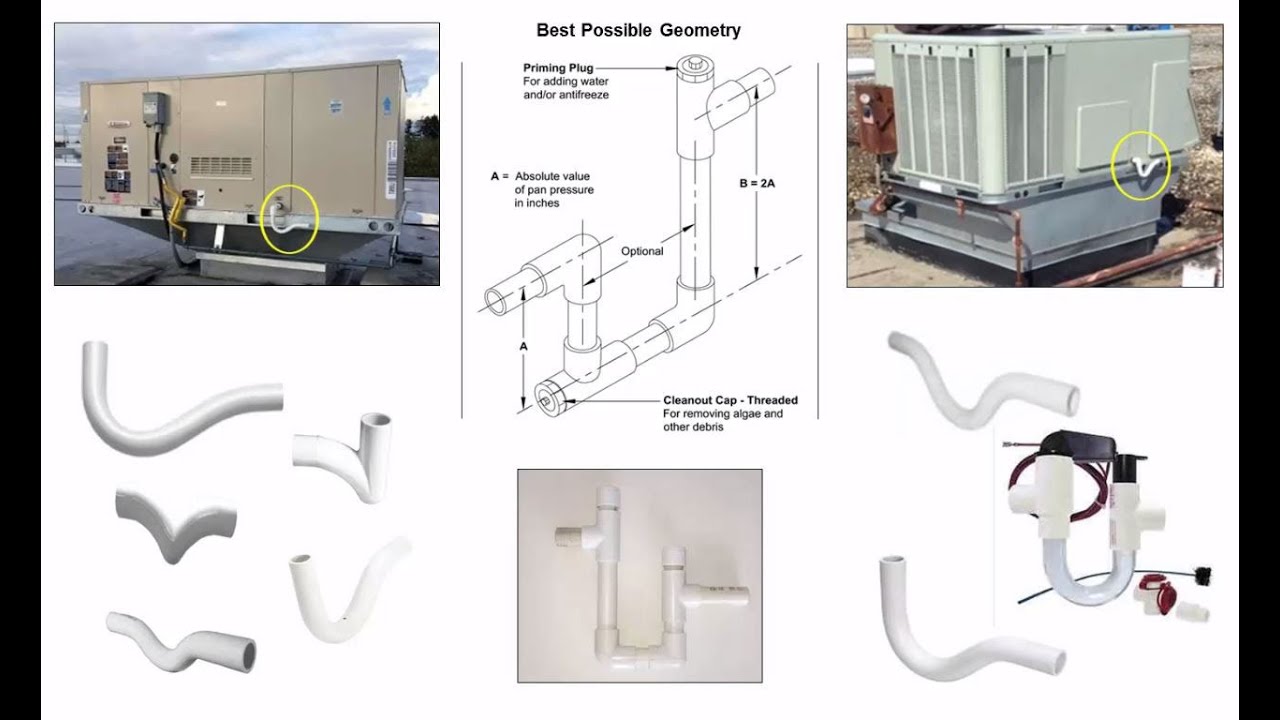
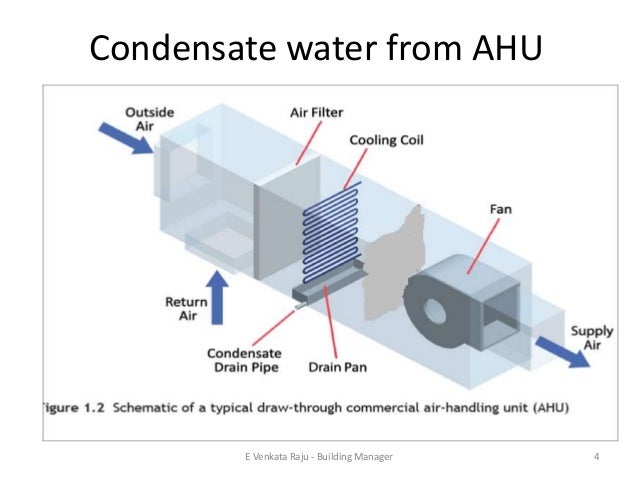
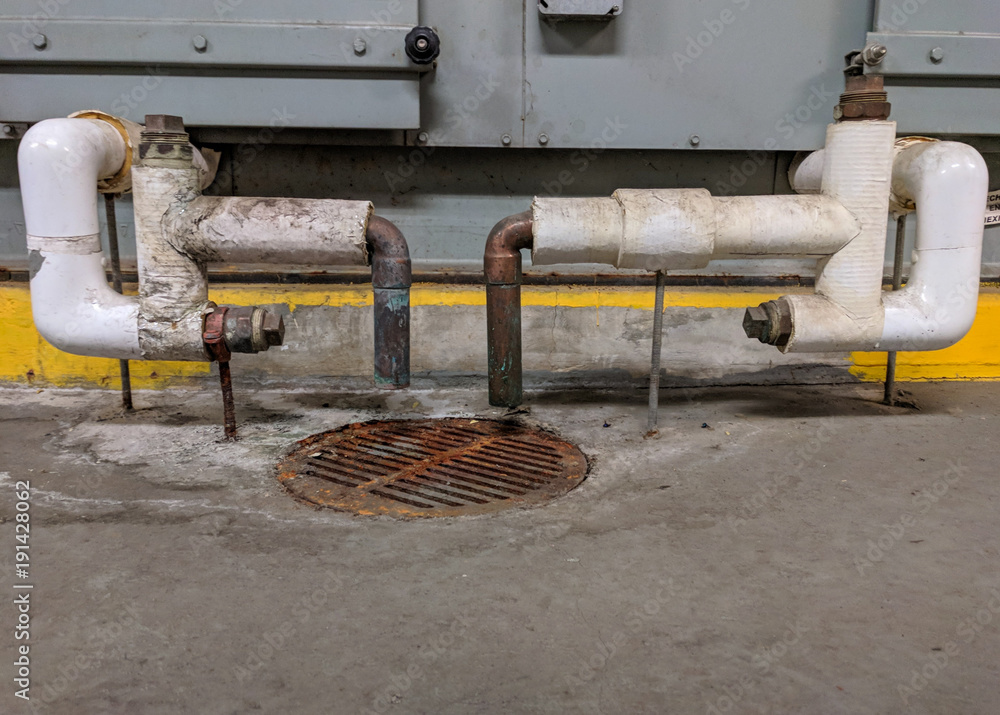
During the cooling process, air conditioning units extract moisture from the air. This moisture condenses on the evaporator coil and drips into a drain pan. The condensate trap is a U-shaped or P-shaped fitting installed in the drain line that leads away from the pan. Its primary functions are:
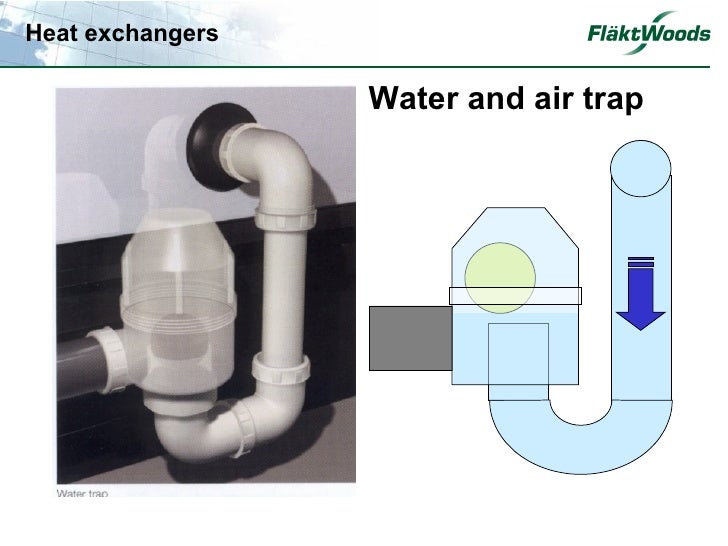
- Preventing Air Leakage: The trap creates a water barrier that prevents conditioned air from being sucked into the drain line, reducing efficiency. Without a trap, the blower motor can pull air in, diminishing cooling or heating capacity.
- Blocking Sewer Gases: In systems connected to a sewer drain, the trap prevents foul-smelling and potentially harmful sewer gases from backing up into your home.
- Facilitating Proper Drainage: The water column within the trap helps maintain consistent drainage, preventing standing water in the drain pan which can lead to mold growth and corrosion.
Ignoring the condensate trap can result in reduced system performance, increased energy bills, and potential health hazards. It's a small part with a big impact.
Types of Condensate Traps
Condensate traps come in various designs and materials. Choosing the right one depends on your system's size, drain line configuration, and local building codes.
- P-Traps: These are the most common type, featuring a U-bend followed by a straight section that connects to the drain line. They are simple, effective, and readily available.
- Running Traps (or Deep Seal Traps): These traps have a longer water column than P-traps, providing a more robust barrier against air leakage and sewer gases. They are often used in systems with high static pressure.
- In-Line Traps: Designed for installations with limited space, in-line traps are compact and installed directly within the drain line.
- Cleanable Traps: These traps have removable sections or access ports for easy cleaning and maintenance. This is particularly useful for preventing clogs caused by algae or debris.
The material also matters. Common materials include:
- PVC: Affordable and corrosion-resistant, PVC is a popular choice for condensate traps.
- ABS: Similar to PVC but slightly more impact-resistant.
- Metal (Brass or Copper): While less common, metal traps offer durability and resistance to high temperatures. They are typically used in older systems or commercial applications.
Choosing the Right Condensate Trap
Selecting the appropriate condensate trap involves considering several factors:
- Drain Line Size: Ensure the trap's inlet and outlet match the diameter of your condensate drain line (typically 3/4 inch or 1 inch).
- Head Pressure: The trap's water column should be sufficient to overcome the system's static pressure. Consult your HVAC technician for the appropriate head pressure rating.
- Accessibility: Choose a location and trap design that allows for easy cleaning and maintenance.
- Local Codes: Check your local building codes for specific requirements regarding condensate traps.
Installation
While some homeowners attempt DIY condensate trap installation, it's generally recommended to hire a qualified HVAC technician. Incorrect installation can lead to leaks, air leakage, and other problems. Here's a general overview of the installation process:
- Turn off the power to the HVAC unit.
- Locate the condensate drain line and the existing trap (if any).
- Cut the drain line at a suitable point for installing the new trap.
- Apply PVC cement to the trap fittings and the drain line.
- Connect the trap to the drain line, ensuring proper alignment and a secure seal.
- Fill the trap with water to establish the water barrier.
- Test for leaks and ensure proper drainage.
Maintenance
Regular maintenance is crucial for preventing clogs and ensuring the condensate trap functions correctly. Here are some essential maintenance tips:
- Flush the drain line regularly: Pour a cup of white vinegar down the drain line every few months to prevent algae growth and mineral buildup.
- Clean the trap: Periodically remove and clean the trap to remove any accumulated debris. Cleanable traps are particularly convenient for this purpose.
- Inspect for leaks: Check the trap and drain line for any signs of leaks. Address leaks promptly to prevent water damage.
- Consider a drain pan treatment: Use drain pan tablets or liquids to prevent algae growth and keep the drain line clear.
Common Problems and Troubleshooting
Here are some common issues with condensate traps and how to address them:
- Clogged Drain Line: This is the most common problem. Symptoms include water overflowing from the drain pan. Use a wet/dry vacuum to clear the clog or try a drain snake.
- Dry Trap: If the system hasn't been used for a while, the water in the trap may evaporate, allowing air leakage. Simply refill the trap with water.
- Leaking Trap: Check for cracks or loose connections. Replace the trap or tighten the fittings as needed.
- Frozen Condensate: In cold climates, the condensate line can freeze, blocking drainage. Insulate the drain line or use a heat tape to prevent freezing.
Condensate Pumps
In situations where the drain line cannot rely on gravity to remove the condensate, a condensate pump is required. This small pump automatically collects the condensate and pumps it to a higher elevation, allowing it to drain properly. Condensate pumps are typically used in basements or other locations where the drain line is below the level of the sewer or drain outlet.
Costs
The cost of a condensate trap is relatively low, typically ranging from $5 to $20. Cleanable or specialty traps may cost slightly more. Installation costs will vary depending on the complexity of the job and the hourly rate of the HVAC technician. Expect to pay between $75 and $150 for professional installation. Condensate pumps range in price from $50 to $200, depending on the pumping capacity and features.
Condensate Trap and Overall HVAC System Efficiency
While a condensate trap itself doesn’t directly impact AFUE (Annual Fuel Utilization Efficiency), SEER (Seasonal Energy Efficiency Ratio), or HSPF (Heating Seasonal Performance Factor) ratings of your furnace, air conditioner, or heat pump, it indirectly affects system efficiency. A properly functioning condensate trap ensures that the HVAC system operates as intended, preventing air leakage and maintaining optimal cooling and heating performance. Neglecting the condensate trap can lead to the system working harder to compensate for air leakage, resulting in higher energy consumption and reduced overall efficiency.
Warranty Considerations
Condensate traps typically don't have specific warranties of their own. However, improper condensate drainage due to a faulty or missing trap *can* void the warranty on your HVAC system, particularly if it leads to component damage such as corrosion or mold growth. Always ensure the condensate system is functioning correctly to maintain your system's warranty coverage.
Choosing HVAC Brands: A Brief Overview
Selecting the right HVAC system is a significant investment. Here are a few reputable brands known for their quality and efficiency:
- Carrier: Offers a wide range of high-efficiency systems with advanced features. Known for their reliability and performance.
- Trane: Another leading brand with a long history of innovation and quality. Trane systems are known for their durability and quiet operation.
- Lennox: Offers a variety of energy-efficient systems with a focus on smart home integration.
- Goodman: A more budget-friendly option that still offers decent performance and reliability.
- Rheem: Known for their innovative technology and energy-efficient designs.
When comparing models, pay attention to the AFUE, SEER, and HSPF ratings to assess their energy efficiency. Also, consider the warranty terms and maintenance requirements.
Conclusion
The condensate trap is a small but crucial component of your HVAC system. Understanding its function, types, installation, and maintenance requirements can help you ensure efficient operation, prevent water damage, and maintain a healthy indoor environment. Whether you're a homeowner, real estate investor, or contractor, this guide provides the knowledge you need to make informed decisions about condensate traps and your overall HVAC system.