Condenser Fan Motor Replacement
Is your air conditioner struggling to keep your home cool? A common culprit could be a faulty condenser fan motor. This motor is crucial for dissipating heat from the refrigerant, ensuring your AC unit operates efficiently. Before calling a professional, you might be able to diagnose and even replace the motor yourself. This guide provides a step-by-step walkthrough, but remember, safety always comes first!
Is Your Condenser Fan Motor the Problem?
Before diving into a replacement, confirm that the condenser fan motor is actually the issue. Here are some signs to look for:
- The fan blades aren't spinning: This is the most obvious symptom. If the compressor is running (you can hear a humming sound), but the fan isn't moving, the motor is likely the problem.
- The fan blades spin slowly or erratically: The motor might be struggling to function.
- Unusual noises: Grinding, squealing, or humming sounds coming from the outdoor unit can indicate a failing motor.
- The motor smells burnt: This is a strong indicator that the motor has overheated and needs replacement.
- The AC unit is overheating: If your AC struggles to cool your home, even on moderately warm days, and the outdoor unit is hot to the touch, a faulty fan motor could be the cause.
Important Note: Rule out other potential issues first. Check the capacitor (a cylindrical component near the motor), and ensure the fan blades aren't obstructed by debris.
Tools and Materials You'll Need
Gather these before you start:
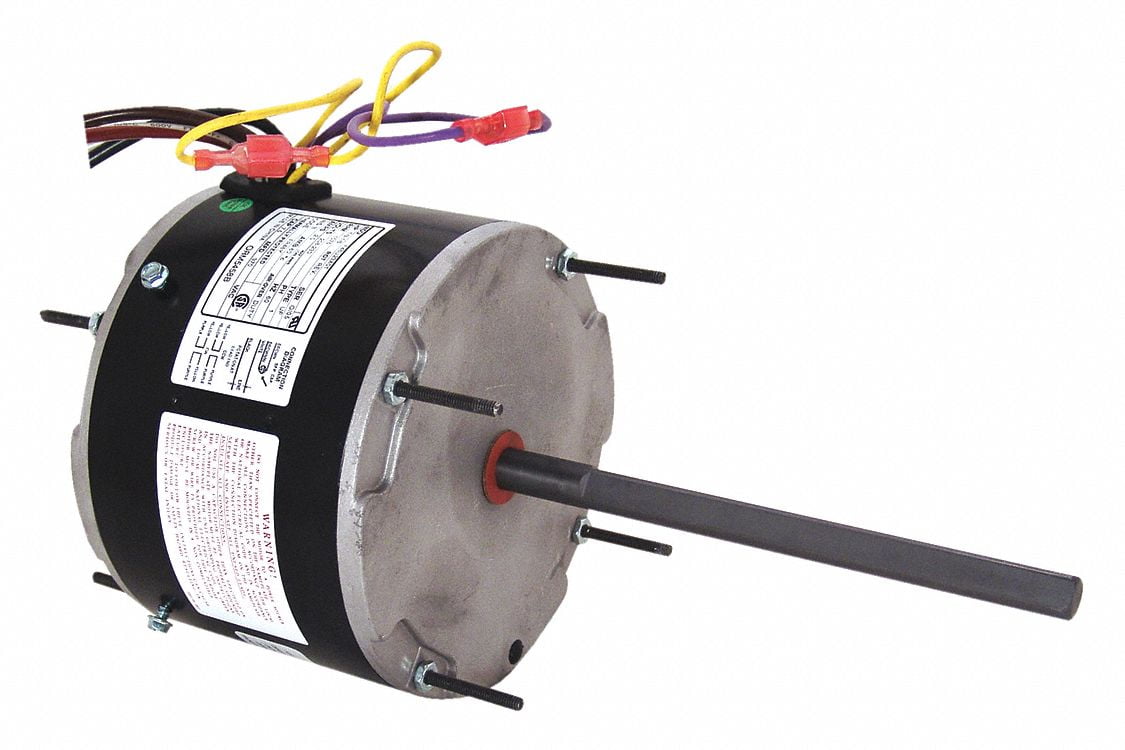
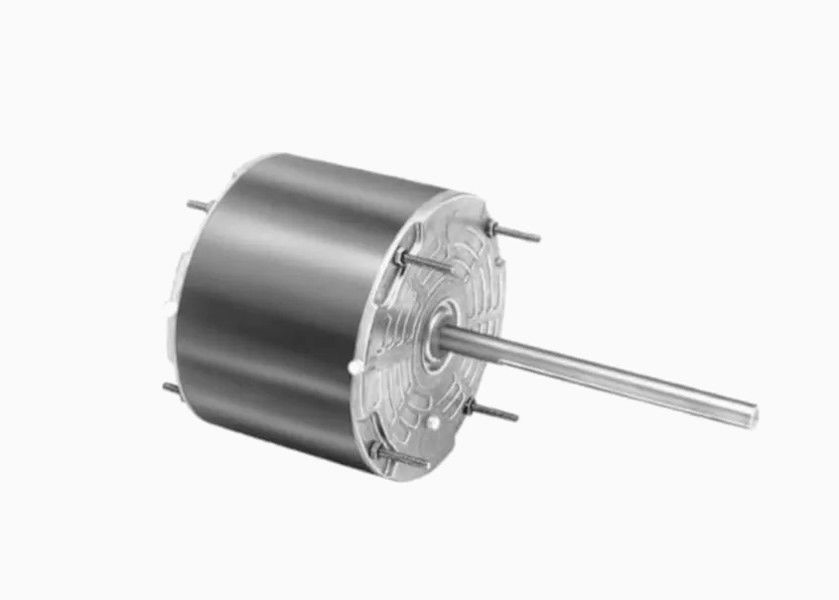
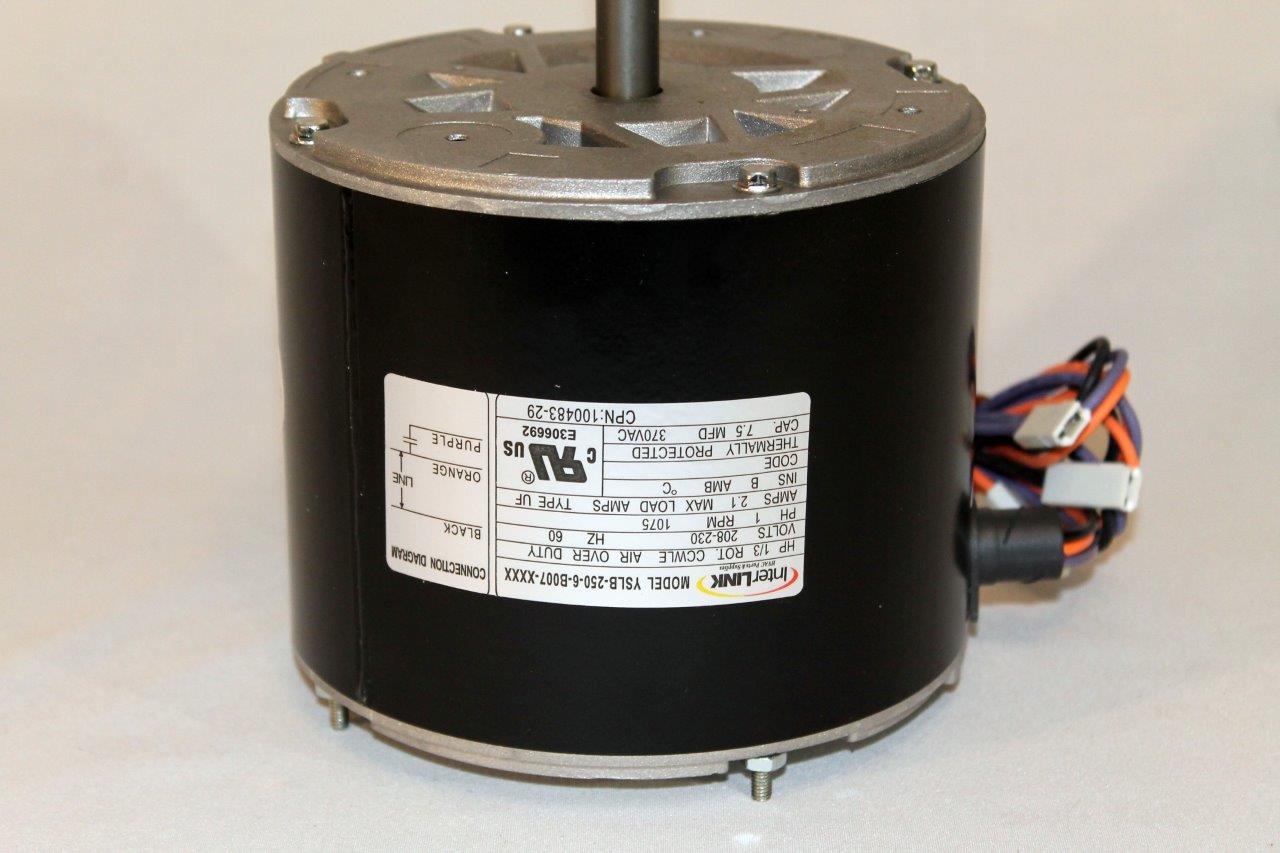
- New Condenser Fan Motor: Obtain the correct replacement based on your AC unit's model number. Double-check the voltage, horsepower, and shaft dimensions.
- Screwdrivers: Both Phillips head and flathead.
- Wrench Set: For removing bolts and screws.
- Wire Strippers/Crimpers: Essential for connecting wires.
- Wire Connectors (Butt Connectors or Wire Nuts): To safely join wires.
- Voltage Tester (Multimeter): To confirm power is off.
- Gloves: For electrical safety and to protect your hands.
- Safety Glasses: To protect your eyes.
- Tape Measure: To ensure correct fan blade placement on the new motor.
- Camera or Phone: To take pictures of wiring before disconnecting.
Step-by-Step Condenser Fan Motor Replacement
Safety First! Before starting any work, turn off the power to the AC unit at the main electrical panel. Verify the power is off using your voltage tester. Double-check!
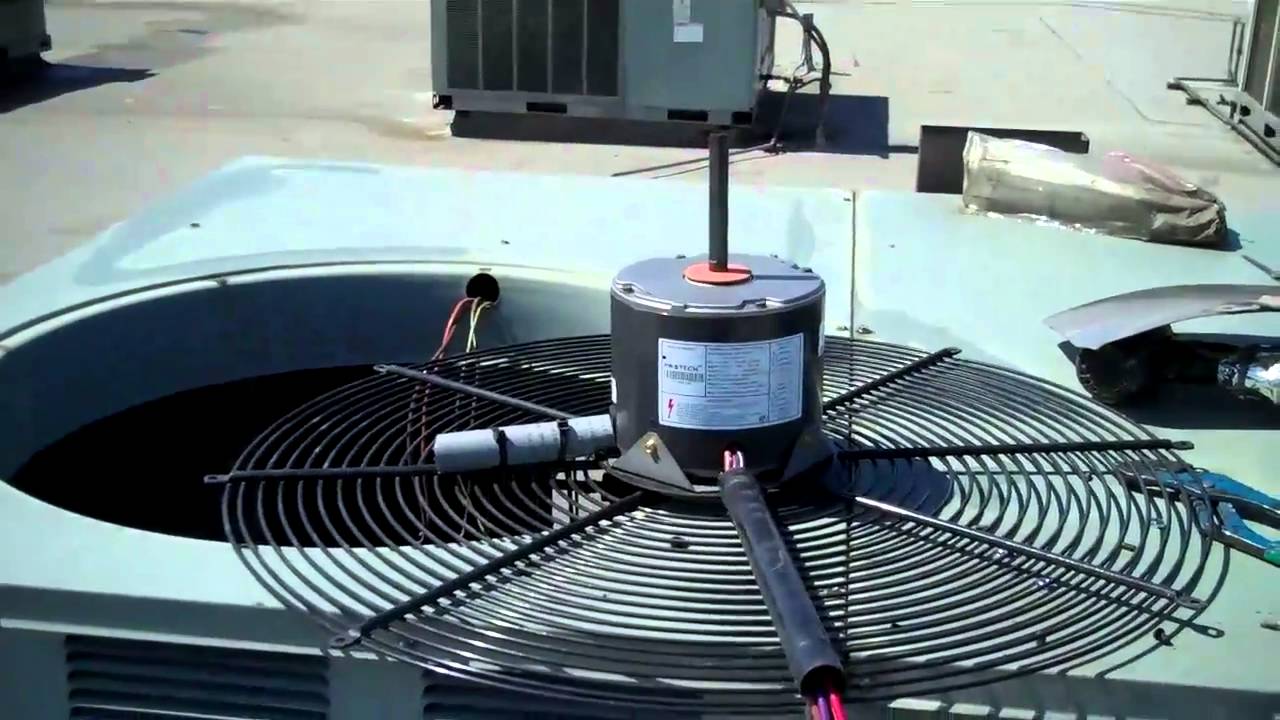
- Access the Condenser Fan Motor: Remove the access panel on the outdoor unit. This usually involves unscrewing a few screws.
- Take Pictures of the Wiring: Before disconnecting any wires, take clear pictures of how the motor is wired. This will be invaluable when connecting the new motor. Pay attention to the colors of the wires and their connection points.
- Disconnect the Wiring: Carefully disconnect the wires from the old motor. Use wire strippers if necessary to expose fresh wire.
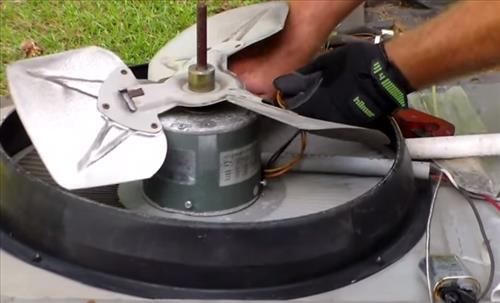
- Remove the Fan Blade: Loosen the set screw holding the fan blade to the motor shaft. You may need penetrating oil if the screw is rusted. Carefully remove the fan blade. Note the position and height of the fan blade on the shaft – measure this distance with a tape measure.
- Remove the Old Motor: The motor is typically mounted to the unit with bolts or screws. Remove these and carefully extract the old motor.
- Install the New Motor: Mount the new motor in the same position as the old one, securing it with the bolts or screws.
- Attach the Fan Blade: Slide the fan blade onto the new motor shaft, aligning it to the same height you measured earlier. Tighten the set screw securely.
- Reconnect the Wiring: Use your pictures as a guide to reconnect the wires to the new motor. Use wire connectors to ensure secure and insulated connections. Tug gently on each connection to verify its strength.
- Reassemble the Unit: Replace the access panel and secure it with the screws.
- Restore Power: Turn the power back on at the main electrical panel.
- Test the Unit: Turn on your AC unit and observe the condenser fan. It should spin smoothly and quietly.
Common Condenser Fan Motor Issues and Troubleshooting
- Motor won't start: Double-check the wiring and connections. A faulty capacitor can also prevent the motor from starting.
- Motor runs slowly: A failing capacitor or a worn-out motor can cause slow operation.
- Motor is noisy: Check for loose fan blades, debris obstructing the fan, or a failing motor bearing.
- Motor overheats: This can be caused by a restricted airflow, a failing capacitor, or a worn-out motor.
When to Call a Professional
While replacing a condenser fan motor can be a DIY project, certain situations warrant calling a qualified HVAC technician:
- You're uncomfortable working with electricity: Electrical work can be dangerous if not done correctly.
- You're unsure about the wiring: Incorrect wiring can damage the AC unit or pose a fire hazard.
- The compressor is also not working: If the compressor isn't running in addition to a faulty fan motor, there may be a more complex problem.
- You suspect a refrigerant leak: Refrigerant leaks require specialized equipment and training to repair.
- Your AC unit is under warranty: Replacing parts yourself may void the warranty.
Condenser Fan Motor Replacement Cost Estimate
The cost of replacing a condenser fan motor can vary depending on several factors:
- Motor Type: High-efficiency or variable-speed motors will cost more.
- Labor Costs: HVAC technician labor rates vary by location and experience.
- Parts Supplier: Prices can differ between online retailers and local HVAC supply stores.
DIY Replacement Cost: Expect to pay between $50 and $200 for the replacement motor itself. Professional Replacement Cost: Including labor, the total cost can range from $250 to $700 or more. Get quotes from multiple technicians to compare prices.
Choosing the Right Replacement Motor
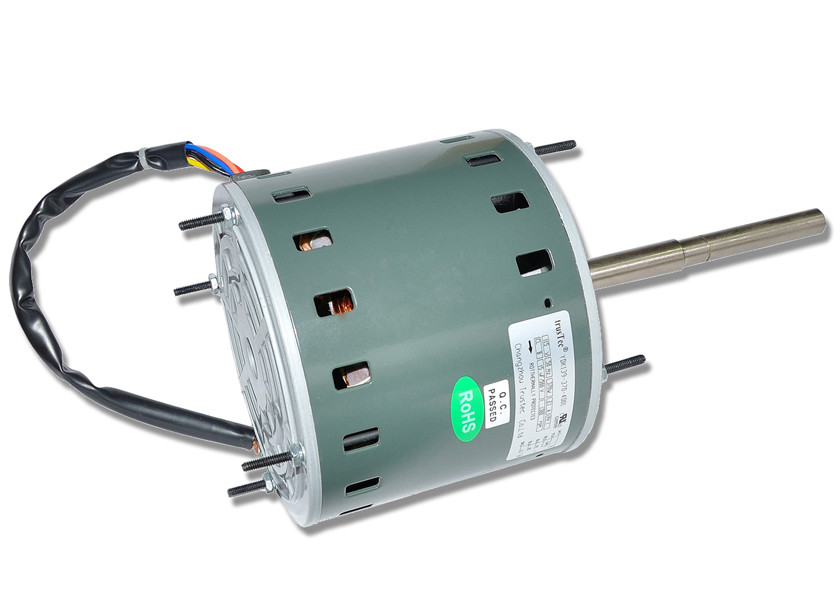
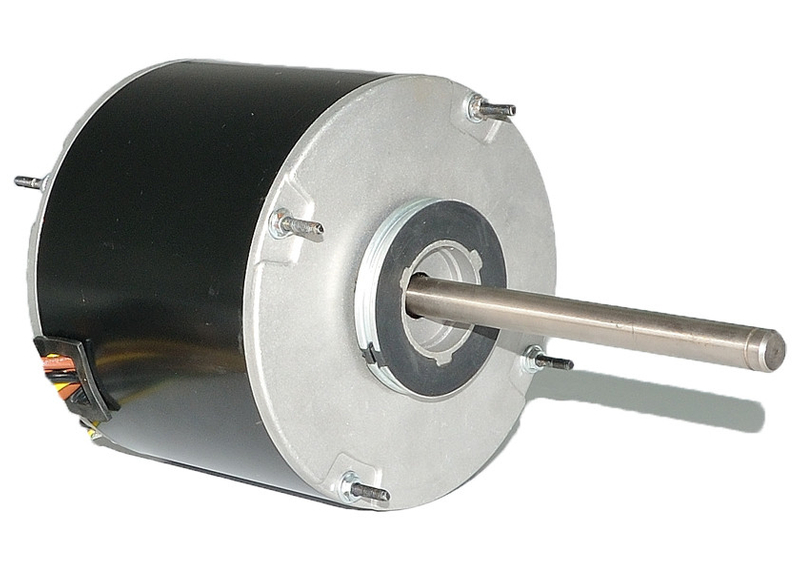
Selecting the correct replacement motor is critical for proper AC operation. Here are some factors to consider:
- Voltage: Match the voltage of the original motor (usually 115V or 230V).
- Horsepower: Select a motor with the same horsepower as the original.
- RPM (Revolutions Per Minute): Match the RPM of the original motor.
- Shaft Diameter and Length: Ensure the shaft dimensions are compatible with the fan blade.
- Mounting Style: Choose a motor with the same mounting configuration as the original.
- Motor Rotation: Match the rotation direction of the original motor (clockwise or counter-clockwise).
The easiest way to ensure you get the right motor is to use your AC unit's model number to find a compatible replacement. Many online retailers offer motor selection tools based on model numbers.
Preventative Maintenance for Your Condenser Fan Motor
To extend the life of your condenser fan motor and avoid future problems, consider these maintenance tips:
- Keep the outdoor unit clean: Regularly remove leaves, grass clippings, and other debris from the unit.
- Straighten bent fan blades: Carefully straighten any bent fan blades to ensure proper airflow.
- Lubricate the motor (if applicable): Some motors have oil ports; lubricate them as recommended by the manufacturer.
- Inspect the capacitor: Periodically inspect the capacitor for signs of bulging or leaking.
- Schedule annual HVAC maintenance: A professional technician can inspect and service your entire AC system, including the condenser fan motor.
By understanding the function of your condenser fan motor and following these steps, you can potentially save money and keep your AC unit running efficiently. However, if you're uncomfortable with any aspect of the repair, don't hesitate to call a qualified HVAC technician.