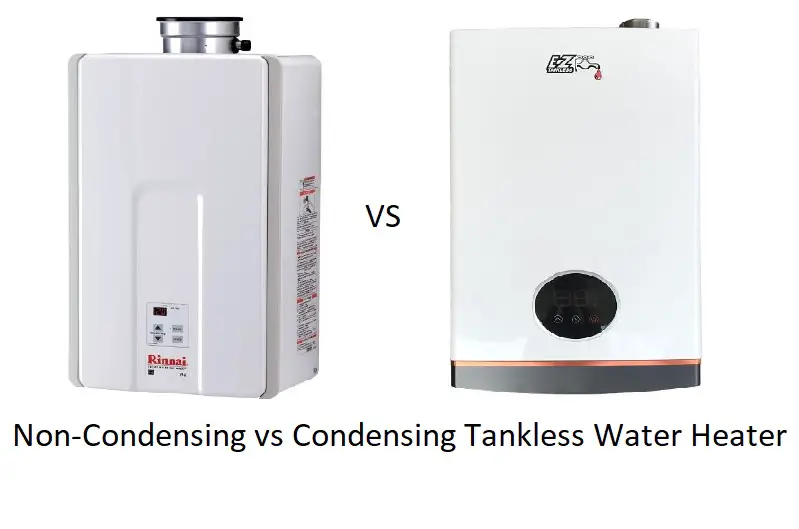
Condensing Vs Non Condensing Tankless Water Heater

One of the most frustrating experiences for a homeowner is stepping into the shower only to be greeted by a trickle of lukewarm water, or worse, a blast of cold. Tankless water heaters, both condensing and non-condensing models, promise endless hot water, but sometimes they falter. This article provides a practical guide to troubleshooting common heating issues with your tankless system, helping you diagnose the problem and potentially fix it yourself. We'll cover checks you can perform without tools and those requiring basic equipment, as well as when it's absolutely necessary to call in a professional.
Understanding Condensing vs. Non-Condensing Tankless Water Heaters
Before diving into troubleshooting, it's crucial to understand the difference between condensing and non-condensing tankless water heaters. This impacts their efficiency, venting requirements, and even some potential issues.
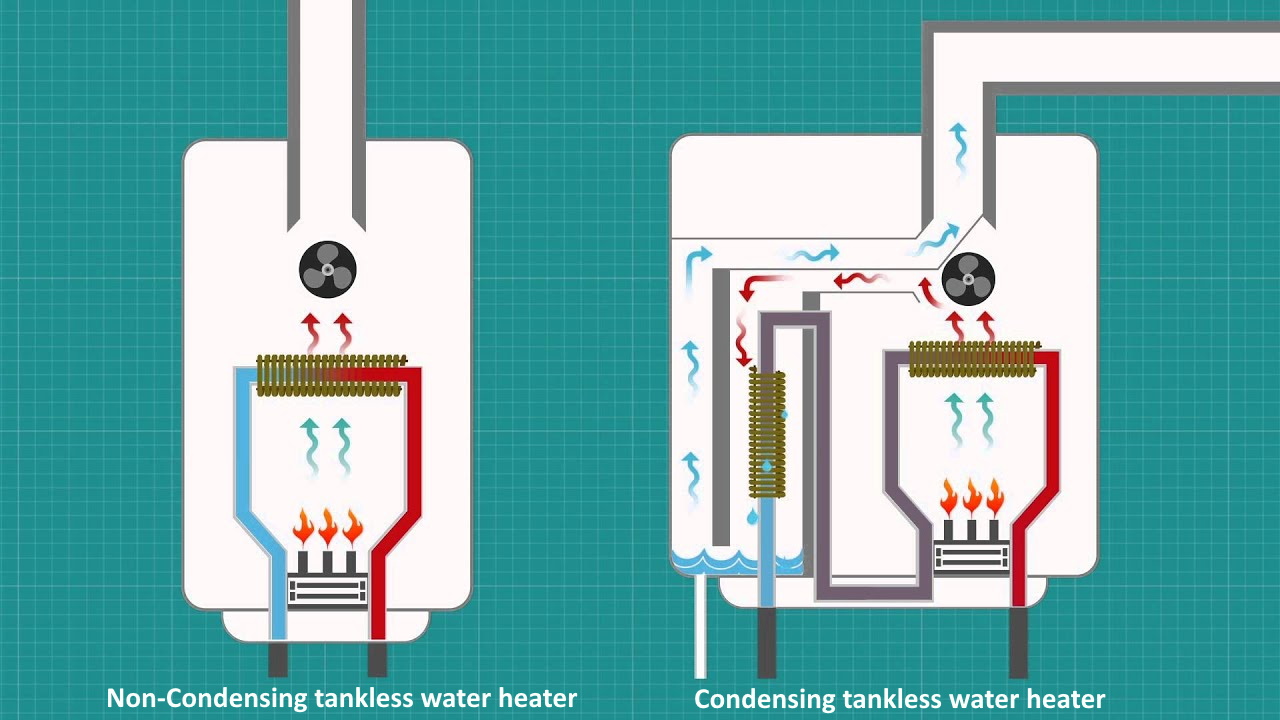
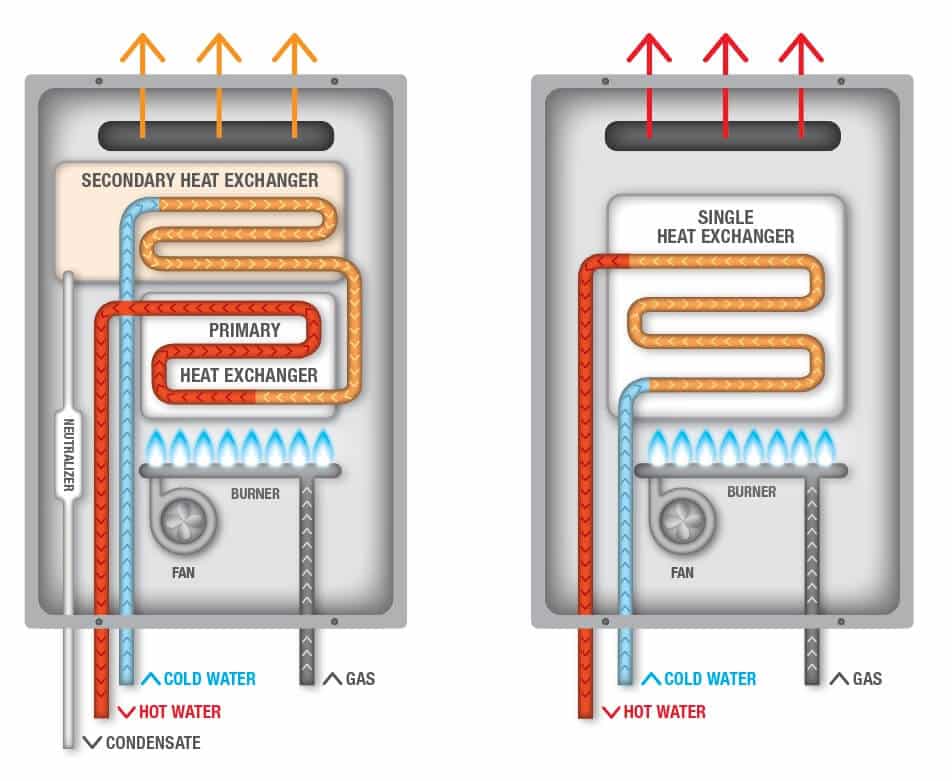
Non-Condensing Tankless Water Heaters: These models are the more traditional type. They heat water as it passes through a heat exchanger. The exhaust gases are vented directly outside, typically through a metal flue. They are generally less expensive upfront but less energy-efficient.
Condensing Tankless Water Heaters: These are high-efficiency models that extract additional heat from the exhaust gases by condensing the water vapor. This process recovers more energy, resulting in lower gas bills. They require a special PVC or CPVC vent pipe because the exhaust is much cooler and acidic. They also produce condensate (water) that needs to be drained away.
Common Heating Issues and Initial Checks (No Tools Required)
Let's start with the simplest checks you can perform immediately, requiring no tools at all:
1. Check the Power Supply
Is the unit actually receiving power? This seems obvious, but it's often overlooked. * For Electric Units: Ensure the circuit breaker is switched on. If it's tripped, reset it. If it trips again immediately, there's likely a short circuit, and you should call an electrician. * For Gas Units: Although they use gas for heating, most tankless units require electricity for the control panel and ignition. Check the power cord and outlet.
2. Verify the Gas Supply (Gas Units Only)
Ensure the gas supply to the unit is turned on. * Check the Gas Valve: Locate the gas valve near the unit and ensure it's in the "on" position. The valve handle should be parallel to the gas pipe. * Other Gas Appliances: Are other gas appliances in your home working correctly (stove, furnace, etc.)? If not, there might be a problem with the main gas supply to your house. Contact your gas company.
3. Check the Display Panel
Most tankless units have a display panel that shows error codes or operational status. * Look for Error Codes: Note any error codes displayed. Consult your owner's manual to understand what the code means. The manual will often provide troubleshooting steps specific to that code. * Is the Unit "On"? Make sure the unit is actively trying to heat water. Some units have a standby mode that might need to be manually activated.
4. Check the Water Inlet Valve
Verify that the cold water supply valve leading to the tankless unit is fully open. A partially closed valve can restrict water flow and prevent the unit from firing up correctly.
5. Check for Kinked or Blocked Water Lines
Visually inspect the water lines leading to and from the unit for any kinks, bends, or obvious obstructions. Ensure nothing is pressing on the pipes that could restrict water flow.
6. Check the Water Pressure
Low water pressure throughout your home can affect the performance of a tankless water heater. Turn on other faucets in your house and see if the water pressure seems normal. If the pressure is low everywhere, there might be a problem with your main water supply.
Troubleshooting with Basic Tools
If the initial checks didn't reveal the problem, you might need some basic tools for further investigation. Always turn off the power and gas supply to the unit before performing any of these tasks.
1. Clean the Inlet Water Filter
Tankless water heaters often have a filter on the cold water inlet to prevent debris from entering the unit. A clogged filter can significantly reduce water flow and cause heating problems.
* Tools Needed: Adjustable wrench, bucket, possibly pliers. * Procedure: 1. Turn off the water supply to the unit. 2. Place a bucket under the inlet connection to catch any water. 3. Carefully unscrew the inlet connection (using the wrench). 4. Remove the filter screen. 5. Clean the filter screen thoroughly with water and a brush. If heavily clogged, you might need to soak it in vinegar to dissolve mineral deposits. 6. Reinstall the filter screen and reconnect the inlet connection. 7. Turn the water supply back on and check for leaks.2. Check the Venting (Condensing and Non-Condensing)
Proper venting is crucial for the safe and efficient operation of a tankless water heater.
* Non-Condensing: Inspect the metal flue for any obstructions, damage, or disconnections. Make sure the vent is properly sloped upwards to prevent condensation from flowing back into the unit. * Condensing: Check the PVC/CPVC vent pipe for any leaks, cracks, or disconnections. Ensure the condensate drain line is clear and not blocked. A blocked condensate drain can cause the unit to shut down. * Tools Needed: Flashlight, potentially a ladder (if the vent is high up). * Procedure: 1. Visually inspect the entire vent system from the unit to the outside. 2. Look for any signs of damage, such as rust, corrosion, cracks, or disconnections. 3. Ensure all connections are secure and properly sealed. 4. For condensing units, check the condensate drain line for any kinks, clogs, or obstructions. You can try blowing air through the line to clear it.3. Test the Flame Sensor (Gas Units Only)
The flame sensor detects the presence of a flame and ensures that the gas valve shuts off if the flame is extinguished. A faulty flame sensor can prevent the unit from firing up or cause it to shut down prematurely.
* Tools Needed: Multimeter. * Caution: Working with gas appliances can be dangerous. If you're not comfortable performing this test, call a qualified technician. * Procedure: 1. Turn off the gas supply to the unit. 2. Locate the flame sensor (it's usually a small metal rod positioned near the burner). 3. Disconnect the wire connected to the flame sensor. 4. Set your multimeter to measure DC microamps (µA). 5. Connect the multimeter leads to the flame sensor terminal and a good ground (e.g., the metal chassis of the unit). 6. Turn the unit on and observe the multimeter reading. The reading should be a few microamps when the burner is lit. If the reading is zero or very low, the flame sensor is likely faulty and needs to be replaced.4. Check the Igniter (Gas Units Only)
The igniter creates the spark that ignites the gas. If the igniter is faulty, the unit won't be able to ignite the burner.
* Tools Needed: Visual inspection, potentially a multimeter (for continuity testing). * Caution: Working with gas appliances can be dangerous. If you're not comfortable performing this test, call a qualified technician. * Procedure: 1. Turn off the gas supply to the unit. 2. Locate the igniter (it's usually a ceramic or metal component near the burner). 3. Visually inspect the igniter for any cracks, damage, or signs of wear. 4. If the igniter looks physically damaged, it needs to be replaced. 5. You can also test the igniter for continuity using a multimeter. Disconnect the wires from the igniter and set your multimeter to the continuity setting. Touch the multimeter leads to the igniter terminals. If the multimeter shows continuity, the igniter is likely good. If it doesn't show continuity, the igniter is faulty and needs to be replaced.When to Call a Professional
While many tankless water heater problems can be resolved with simple troubleshooting, some issues require the expertise of a qualified HVAC technician. Do not attempt to fix these problems yourself.
* Gas Leaks: If you suspect a gas leak, immediately turn off the gas supply to the unit and call your gas company or a qualified HVAC technician. Gas leaks are extremely dangerous. * Complex Error Codes: If your unit is displaying error codes that you can't decipher or troubleshoot using the owner's manual, it's best to call a professional. These codes often indicate more serious problems that require specialized knowledge and equipment. * Heat Exchanger Problems: Issues with the heat exchanger, such as leaks or cracks, require professional repair or replacement. The heat exchanger is a critical component of the unit, and any damage can compromise its safety and efficiency. * Electrical Issues: If you suspect electrical problems within the unit (other than a tripped breaker), call an electrician or a qualified HVAC technician. Working with electricity can be dangerous. * Scaling and Hard Water Problems: If you live in an area with hard water, mineral deposits can build up inside the unit, reducing its efficiency and lifespan. Descaling a tankless water heater requires specialized equipment and chemicals and is best left to a professional. * Unit is Still Under Warranty: If your unit is still under warranty, attempting to repair it yourself could void the warranty. Contact the manufacturer or a qualified service technician authorized by the manufacturer.By following these troubleshooting steps, you can often diagnose and resolve common heating issues with your tankless water heater. Remember to prioritize safety and when in doubt, call a professional. A little preventative maintenance, like cleaning the inlet filter regularly, can go a long way in keeping your tankless unit running smoothly and efficiently for years to come.