Connecting 100 Lb Propane Tank To House
Frequently Asked Questions: Connecting a 100 lb Propane Tank to Your House
Using propane for heating, cooking, or other appliances can be a cost-effective and efficient solution. Connecting a 100 lb propane tank to your home requires careful planning and adherence to safety guidelines. This FAQ aims to address common questions and concerns related to this process.
Q: Is it legal and safe to connect a 100 lb propane tank to my house?
A: Yes, it is generally legal and safe to connect a 100 lb propane tank to your house, provided you follow all applicable local codes, regulations, and safety guidelines. However, there are important considerations:
- Local Codes: Check with your local building department and fire marshal's office to understand the specific regulations in your area regarding propane tank installation and connection. Some jurisdictions have restrictions on tank size, placement, and required permits.
- Safety: Improper installation or connection can lead to leaks, fire hazards, and explosions. It is highly recommended to hire a qualified and licensed propane technician to perform the installation.
- Inspection: Many jurisdictions require an inspection of the propane system before it can be used. This ensures that the installation meets safety standards.
- Tank Placement: The tank must be placed in a location that meets safety requirements, such as being a certain distance from buildings, ignition sources, and property lines.
Failing to comply with regulations can result in fines, denial of service, and, most importantly, serious safety risks.
Q: What are the necessary components and tools to connect a 100 lb propane tank to my house?
A: Connecting a 100 lb propane tank requires specific components designed for propane use. Here's a list of the essential items:
- 100 lb Propane Tank: Obviously, you'll need a full or appropriately filled 100 lb propane tank. Ensure it's in good condition and free of any damage.
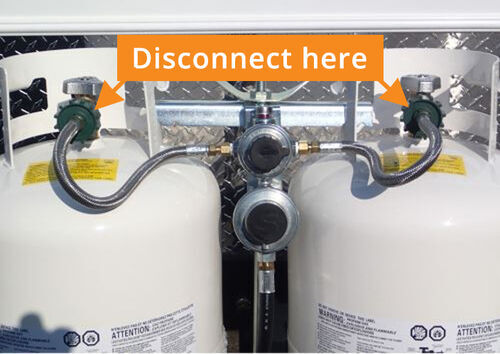
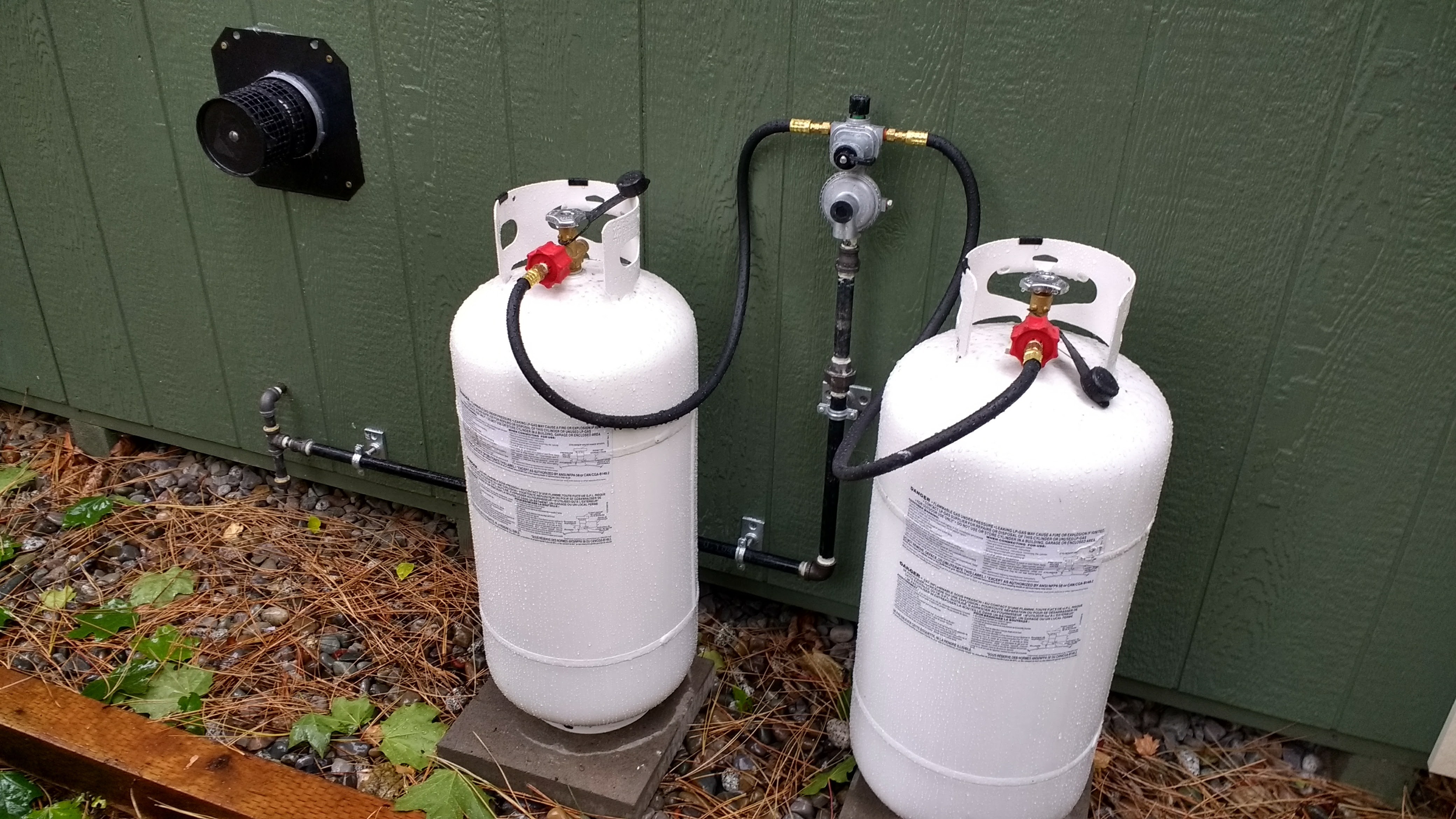
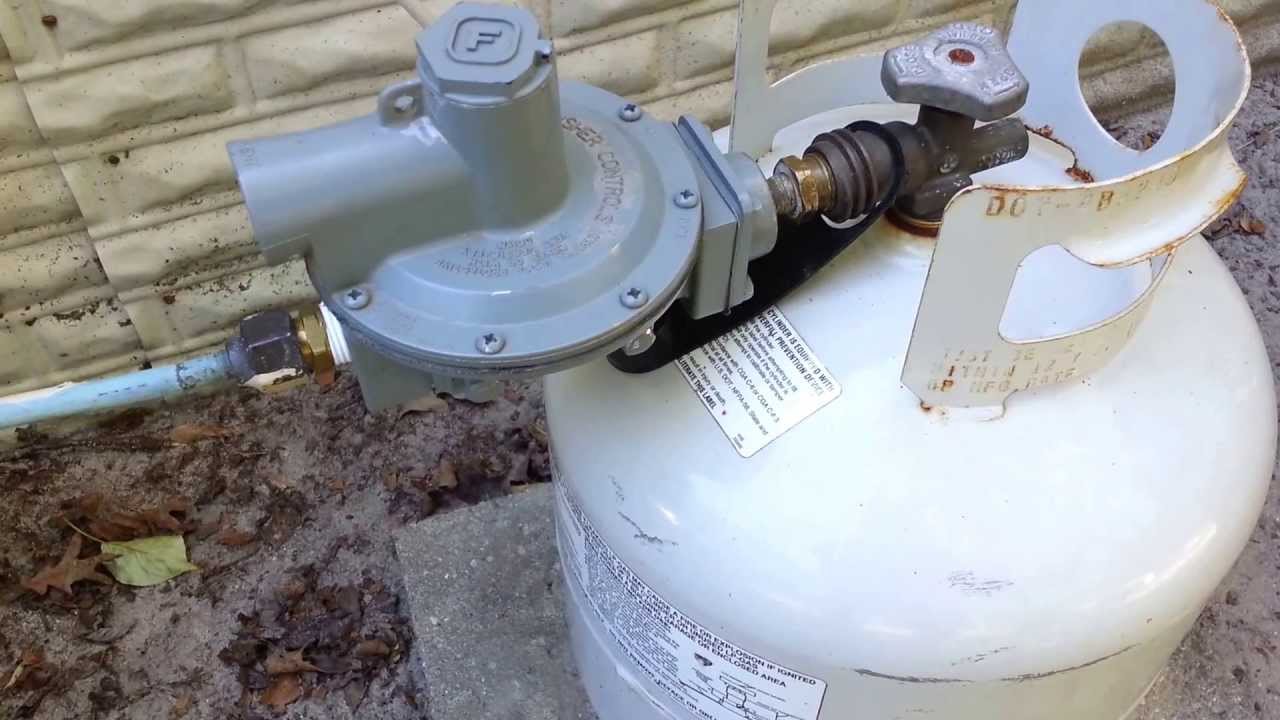
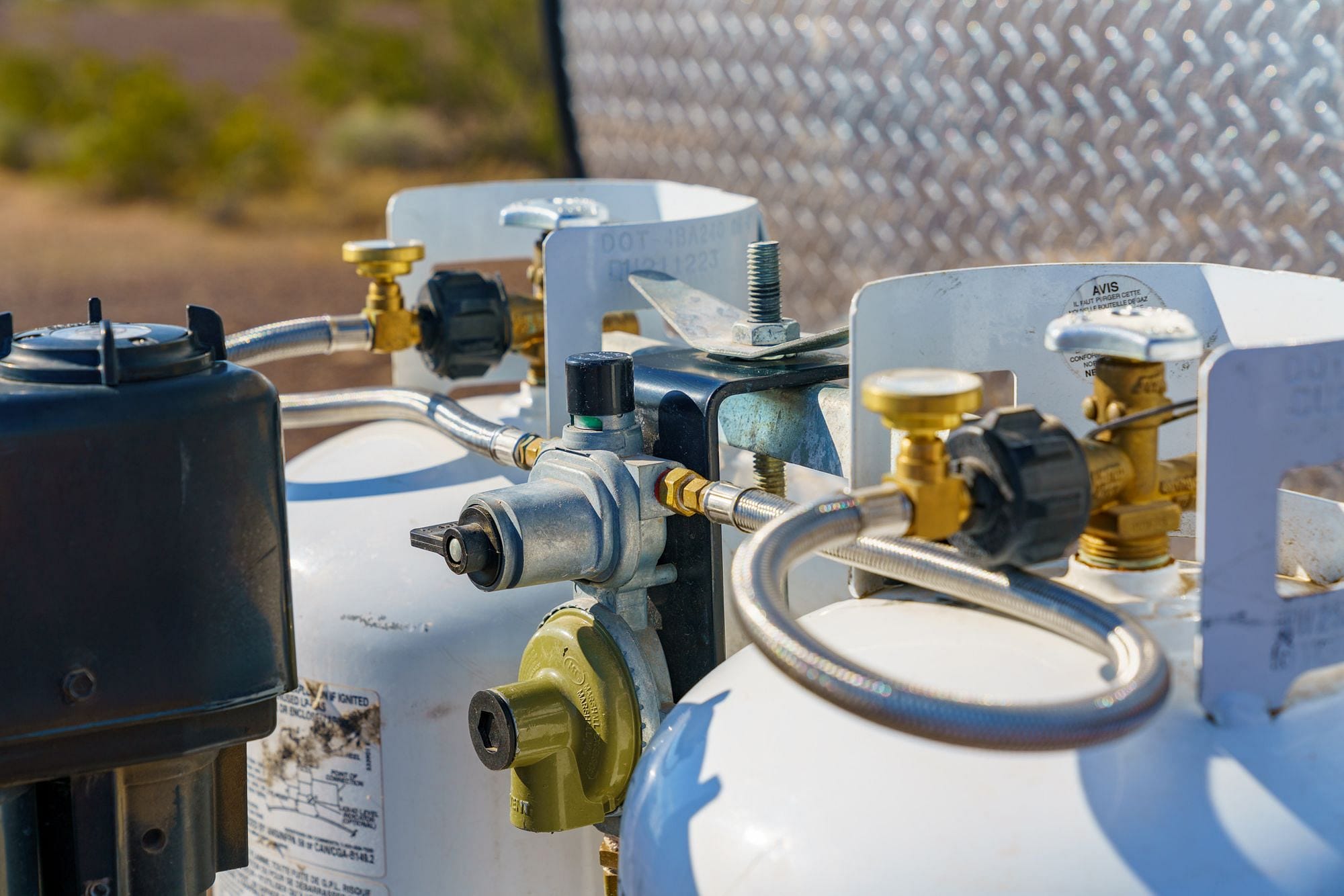
- Propane Regulator: A regulator is essential to reduce the high pressure of the propane in the tank to a lower, usable pressure for your appliances. You'll likely need a two-stage regulator system for optimal performance and safety. The first stage regulator, typically located at the tank, reduces the tank pressure to an intermediate pressure (e.g., 10 PSI). The second stage regulator, usually located closer to the house, further reduces the pressure to the appliance operating pressure (e.g., 11 inches of water column, or 0.4 PSI).
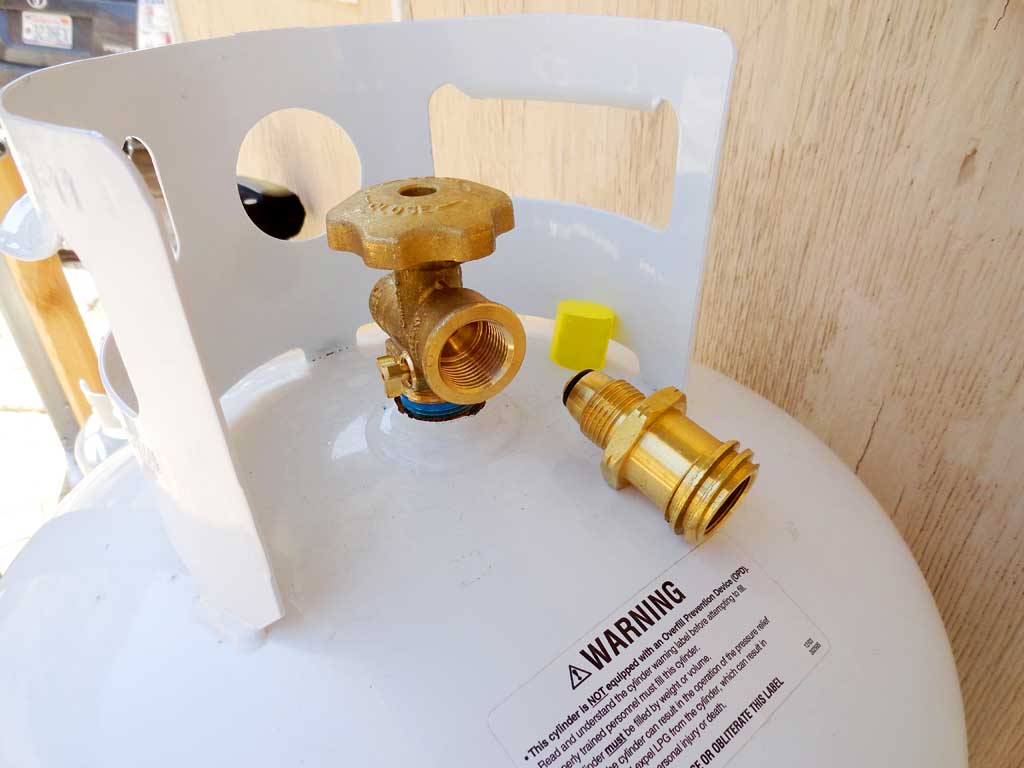
- Pigtail Connector: This is a short, flexible hose that connects the propane tank's POL (Prest-O-Lite) valve to the first-stage regulator. Ensure it's specifically designed for propane use and is compatible with the tank valve.
- Propane-Rated Pipe or Tubing: You'll need either black iron pipe or flexible copper tubing specifically rated for propane use to run the propane line from the regulator to your house. The size of the pipe or tubing will depend on the length of the run and the BTU requirements of your appliances.
- Fittings: Various fittings will be needed to connect the pipe or tubing to the regulator, shut-off valves, and appliances. Use only fittings approved for propane use.
- Shut-Off Valves: Install a shut-off valve at the tank and another one where the propane line enters the house. These valves allow you to quickly and safely shut off the propane supply in case of an emergency or for maintenance.
- Leak Detector Solution: A leak detector solution (often a soapy water mixture) is used to check for leaks after the connections are made.
- Pipe Joint Compound or Teflon Tape: Use pipe joint compound or Teflon tape specifically designed for propane applications on all threaded connections to ensure a tight seal.
- Tools: You'll need basic tools such as pipe wrenches, adjustable wrenches, Teflon tape, pipe joint compound, a screwdriver, and a leak detector solution applicator (e.g., a spray bottle).
- Pressure Gauge: A pressure gauge is crucial for testing the propane line for leaks after installation. It helps confirm that the system holds pressure correctly.
Warning: Always use components specifically designed and approved for propane use. Using incompatible materials can lead to leaks and dangerous situations.
Q: Where should I place the 100 lb propane tank, and what are the safety requirements for placement?
A: Proper placement of the propane tank is critical for safety. Here are the general guidelines, but always refer to your local codes for specific requirements:
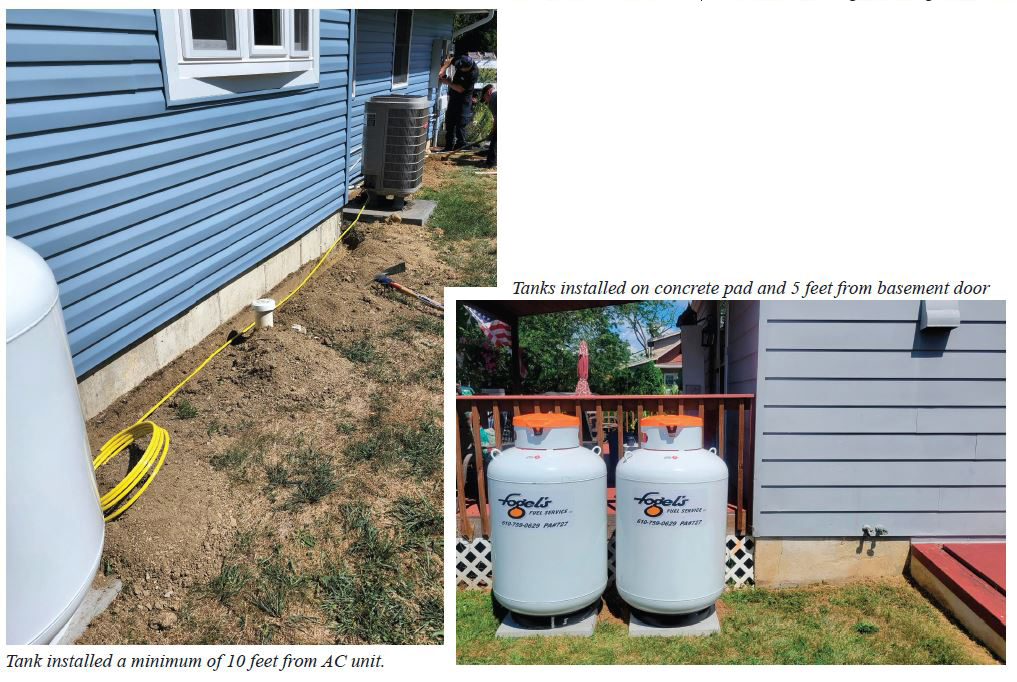
- Distance from Buildings: The tank must be a certain distance from buildings, typically at least 10 feet from any building opening (door, window, vent). This distance may vary depending on local codes and the size of the tank.
- Distance from Ignition Sources: Keep the tank away from potential ignition sources such as open flames, electrical equipment, and heat sources.
- Accessibility: The tank should be easily accessible for filling and maintenance. Ensure there is a clear path to the tank for the delivery driver.
- Ventilation: The area around the tank should be well-ventilated to prevent the accumulation of propane in case of a leak.
- Support: The tank should be placed on a solid, level surface such as a concrete pad or gravel bed. This prevents the tank from sinking or tipping over.
- Protection: Protect the tank from physical damage, such as being struck by vehicles or equipment. Consider installing a barrier or bollards around the tank.
- Underground Lines: Be aware of any underground utilities (gas, water, electric) before digging or installing the propane line. Call 811 before you dig.
Important: Never place a propane tank inside a building or in an enclosed space. Propane is heavier than air and can accumulate in low-lying areas, creating a serious explosion hazard.
Q: Can I connect multiple 100 lb propane tanks together for increased capacity?
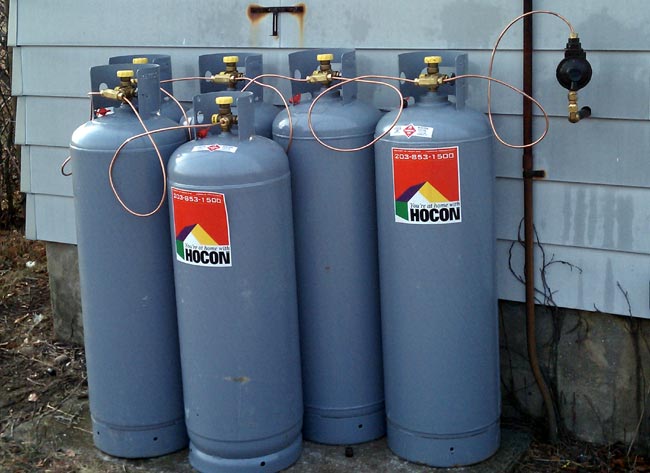
A: Yes, you can connect multiple 100 lb propane tanks together to increase your propane capacity. This is often referred to as "manifolding" the tanks. However, there are specific considerations and requirements:
- Manifold Kit: You'll need a manifold kit specifically designed for connecting multiple propane tanks. This kit typically includes a regulator, hoses, and fittings.
- Consistent Tank Levels: Ideally, all tanks connected in a manifold system should be filled to similar levels to ensure even draw-down and prevent pressure imbalances.
- Check Valves: Some manifold systems incorporate check valves to prevent backflow between tanks. This is especially important if the tanks are not at the same fill level.
- Regulations: Check your local codes and regulations regarding manifolding propane tanks. Some jurisdictions may have restrictions on the number of tanks that can be connected or require specific safety measures.
- Professional Installation: Due to the complexity and safety considerations, it is strongly recommended to have a qualified propane technician install a manifold system.
Manifolding provides a larger propane supply without the need for a large, permanent tank installation. However, it's crucial to follow all safety guidelines and regulations to prevent leaks and other hazards.
Q: How do I check for propane leaks after connecting the tank?
A: Checking for propane leaks is an essential step after connecting the tank and before using any appliances. Here's how to do it safely and effectively:
- Leak Detector Solution: Mix a solution of soapy water (dish soap works well) in a spray bottle.
- Apply the Solution: Spray the soapy water solution on all connections, including the tank valve, regulator connections, pipe fittings, and appliance connections.
- Observe for Bubbles: Carefully observe the connections for any bubbles forming. Even small bubbles indicate a leak.
- Listen for Hissing: In a quiet environment, you may be able to hear a hissing sound near a leak.
- Sniff for Propane Odor: Propane has a distinctive, pungent odor (often described as rotten eggs) that is added to it for safety purposes. If you smell propane, even if you don't see bubbles, there may be a leak.
- If You Find a Leak:
- Immediately turn off the propane supply at the tank valve.
- Do not use any electrical switches or devices that could create a spark.
- Ventilate the area by opening windows and doors.
- Contact a qualified propane technician to repair the leak.
- Pressure Test: After making repairs, it's advisable to conduct a pressure test on the entire line using a manometer to ensure it is holding the appropriate pressure and that no leaks are present.
Never use an open flame to check for propane leaks! This is extremely dangerous and could cause a fire or explosion. Always use a leak detector solution.
Q: What are the ongoing maintenance requirements for a 100 lb propane tank system?
A: Regular maintenance is essential to ensure the safe and efficient operation of your propane tank system. Here are some key maintenance tasks:
- Regular Leak Checks: Periodically check all connections for leaks using a leak detector solution, even if you don't smell propane.
- Tank Inspection: Inspect the tank for rust, dents, or other damage. If you find any damage, contact a qualified propane technician.
- Regulator Inspection: Check the regulator for corrosion or damage. Replace the regulator if it's not functioning properly. Regulators have a limited lifespan, typically around 15 years.
- Hose Inspection: Inspect the hoses for cracks, leaks, or other damage. Replace hoses as needed.
- Valve Inspection: Check the shut-off valves to ensure they are functioning properly and are not corroded or stuck.
- Clearance: Ensure that the area around the tank is clear of debris, vegetation, and other obstructions.
- Professional Inspection: Have your propane system inspected by a qualified technician periodically, especially if you notice any problems or if you haven't used the system for a long time.
- Snow and Ice Removal: In snowy or icy conditions, clear snow and ice from around the tank to ensure proper ventilation and accessibility.
- Record Keeping: Keep records of all inspections, maintenance, and repairs performed on the propane system.
By following these maintenance guidelines, you can help ensure the safe and reliable operation of your 100 lb propane tank system. It is always better to be proactive in preventing problems than to react to a dangerous situation.
Q: How much does it cost to have a professional connect a 100 lb propane tank to my house?
A: The cost of professional installation can vary quite a bit depending on a few factors:
- Complexity of the Installation: A simple connection to an existing propane line will be less expensive than a new installation that requires running a new gas line, installing a regulator, and connecting to multiple appliances.
- Local Labor Rates: Labor costs vary from region to region. Expect to pay more in areas with higher costs of living.
- Permit Fees: Your local building department may require a permit for the propane tank installation, which will add to the overall cost.
- Materials: The cost of materials, such as pipe, fittings, and regulators, can also vary depending on the quality and brand.
- Number of Appliances: Connecting to multiple appliances increases the time and materials required, thus adding to the cost.
Generally speaking, you can expect to pay anywhere from $200 to $1000 or more for professional installation. It's best to get quotes from multiple licensed propane technicians to compare prices and services before making a decision. Remember that safety is paramount, and it's worth paying for a professional installation to ensure that the system is installed correctly and safely.
When requesting quotes, make sure to ask what's included (e.g., permit fees, materials, labor, inspection) to avoid any surprises later on.