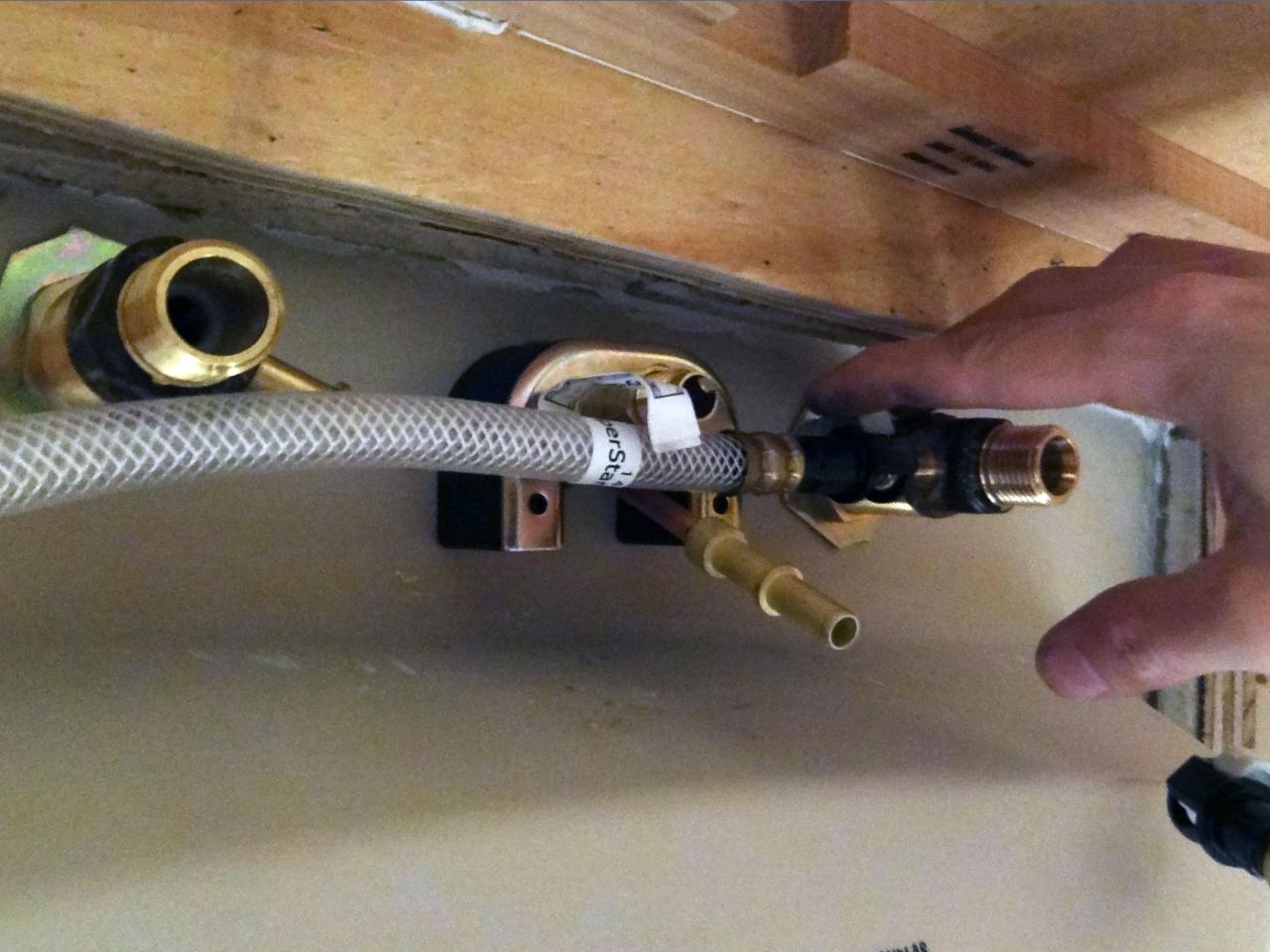
Connecting A Hose To A Faucet

Connecting a hose to a faucet is a common task for watering your garden, washing your car, or filling a pool. While seemingly simple, understanding the proper steps and potential issues can save you time, water, and frustration. This guide provides a comprehensive overview of how to connect a hose to a faucet securely and efficiently.
Understanding Faucet and Hose Types
Before you start, it's crucial to identify the type of faucet and hose you're working with. Mismatched connections can lead to leaks or damage.
Faucet Types
The most common type for hose connection is the outdoor spigot, also known as a hose bib or sillcock. These are typically found on the exterior of your home. They have a threaded nozzle designed to accept a hose connection.
Indoor faucets, like those in your kitchen or bathroom, are generally not designed for direct hose connection. Using adapters is possible, but keep in mind that these are often temporary solutions and may reduce water pressure. We'll cover adapters later in the guide.
Hose Types
Garden hoses come in various lengths, diameters, and materials. The standard garden hose is typically 5/8 inch in diameter, providing a good balance between water flow and portability. Hoses with larger diameters (e.g., 3/4 inch) offer greater water flow, ideal for tasks like filling pools or watering large areas.
Soaker hoses are designed to slowly release water along their length, perfect for targeted watering of plants. Expandable hoses are lightweight and compact when not in use but expand when filled with water. These are convenient but can be less durable than traditional hoses.
Gathering the Necessary Tools and Materials
Having the right tools and materials on hand will make the connection process smoother and more efficient.
- Garden hose: Choose a hose of appropriate length and diameter for your needs.
- Hose washers: These rubber or plastic washers create a watertight seal between the hose and faucet. It's always good to have extras.
- Hose clamp (optional): While not always necessary for standard connections, a hose clamp can provide extra security, especially for high-pressure situations or older faucets.
- Adjustable wrench (optional): Useful for tightening connections or removing stubborn hose couplings.
- Thread sealant tape (Teflon tape) (optional): Applying Teflon tape to the faucet threads can help create a watertight seal and prevent leaks.
- Bucket (optional): To catch any drips during the connection process.
Step-by-Step Guide to Connecting a Hose
Follow these steps to connect your hose to a faucet securely and without leaks.
- Inspect the faucet and hose: Before connecting anything, examine the faucet and hose coupling for any damage, such as cracks, rust, or worn threads. Replace damaged parts as needed.
- Check the hose washer: Ensure a hose washer is properly seated inside the hose coupling. A missing or damaged washer is the most common cause of leaks. If the washer is worn, replace it. They are inexpensive and readily available at hardware stores.
- Apply Teflon tape (optional): If desired, wrap Teflon tape clockwise around the faucet threads. Overlap each layer slightly. Two or three wraps are usually sufficient. This creates a tighter seal.
- Align the hose coupling with the faucet: Carefully align the hose coupling with the faucet threads. Make sure the coupling is straight and not cross-threaded.
- Hand-tighten the connection: Rotate the hose coupling clockwise to tighten it onto the faucet. Tighten the coupling by hand until it is snug. Avoid over-tightening at this stage.
- Check for leaks: Turn on the faucet slowly and check for leaks at the connection point. If you see a leak, turn off the faucet and tighten the coupling a bit more, using an adjustable wrench if necessary. Be careful not to over-tighten, which could damage the faucet or hose coupling.
- Fine-tune the connection: If leaks persist, try removing the hose, inspecting the washer and threads again, and reapplying Teflon tape. Sometimes, a slight adjustment is all that's needed.
- Secure with a hose clamp (optional): If you're concerned about the connection coming loose, especially with high water pressure, you can use a hose clamp. Slide the clamp over the hose near the faucet connection and tighten it with a screwdriver.
Troubleshooting Common Issues
Even with careful preparation, you might encounter some common issues when connecting a hose.
Leaks at the Connection
As mentioned earlier, a missing or damaged hose washer is the most frequent culprit. Make sure the washer is in place and in good condition. If replacing the washer doesn't solve the problem, try applying Teflon tape to the faucet threads. Ensure the hose is securely tightened, but avoid over-tightening.
Cross-Threading
Cross-threading occurs when the threads of the hose coupling and faucet don't align properly, leading to damage. If you encounter resistance when tightening the hose, stop immediately and check the alignment. Forcing the connection can strip the threads, making it impossible to create a watertight seal. Sometimes, wiggling the hose slightly while gently turning it can help the threads align. If the threads are damaged beyond repair, you may need to replace the faucet or hose coupling.
Low Water Pressure
Low water pressure can be caused by several factors, including a kinked hose, a partially closed faucet, or mineral buildup inside the faucet. Ensure the hose is not kinked or obstructed. Fully open the faucet to maximize water flow. If mineral buildup is suspected, you can try cleaning the faucet with a descaling solution or vinegar. You can also check for a clogged hose filter, which is sometimes located at the faucet connection.
Hose Comes Loose
If the hose repeatedly comes loose from the faucet, even after tightening, the threads on the faucet or hose coupling may be worn. A hose clamp can provide extra security. You might also consider replacing the faucet or hose coupling if the problem persists. Another possibility is excessive water pressure. If your water pressure is unusually high, you may need to install a pressure regulator to prevent damage to your plumbing system.
Using Adapters for Indoor Faucets
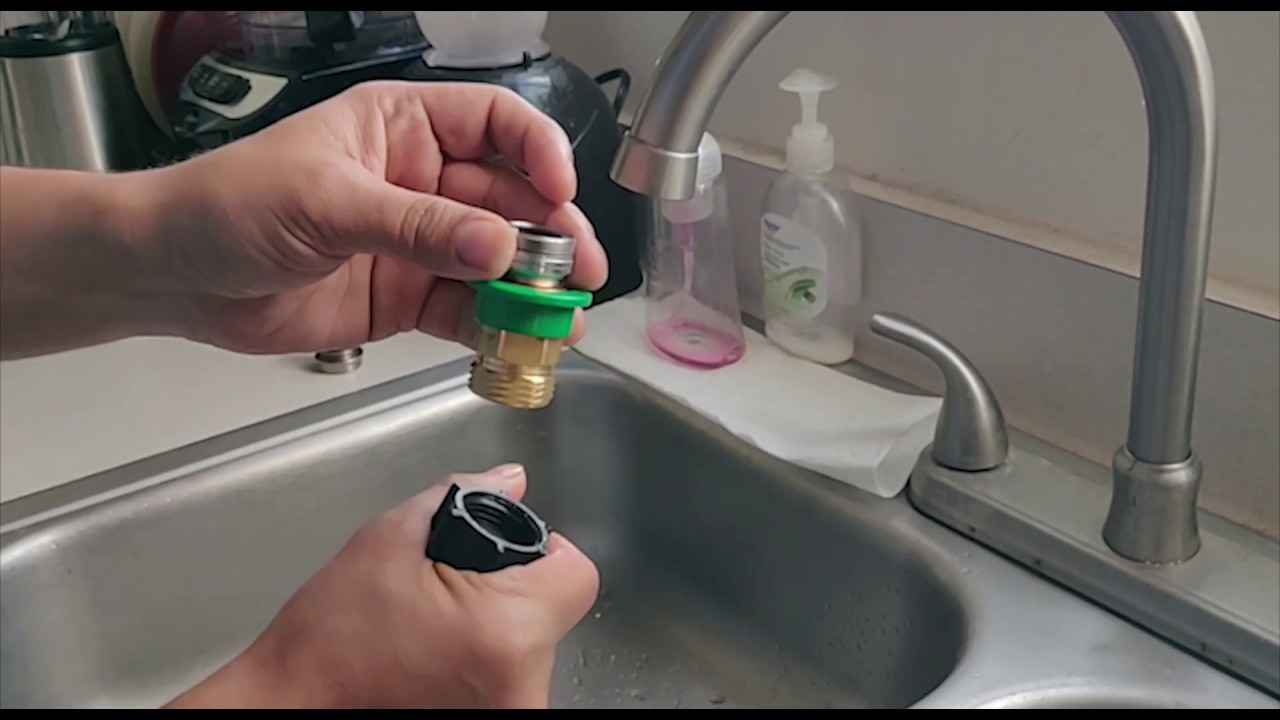
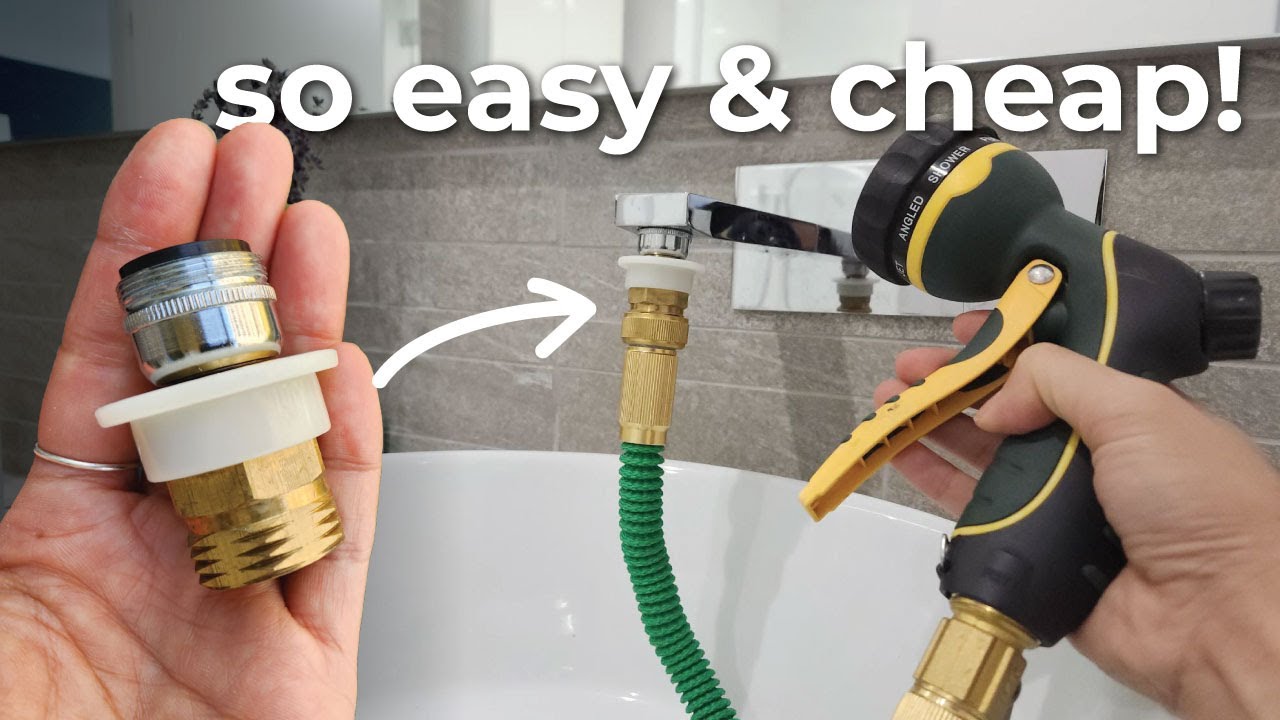
Connecting a garden hose to an indoor faucet requires an adapter. These adapters typically screw onto the faucet after removing the aerator (the screen at the end of the faucet). There are different types of adapters available, so make sure to choose one that is compatible with your faucet. Always ensure the adapter is securely tightened to prevent leaks.
It's important to note that using an adapter can reduce water pressure, and the connection may not be as secure as a dedicated outdoor spigot. Use adapters with caution and avoid leaving the hose connected unattended. Consider installing an outdoor spigot if you frequently need to connect a hose.
Preventative Maintenance
Taking care of your faucets and hoses can extend their lifespan and prevent problems down the road.
- Protect faucets from freezing: In cold climates, outdoor faucets are susceptible to freezing and bursting. Before winter, disconnect hoses, drain the faucet, and install a faucet cover or insulation to protect it from freezing temperatures.
- Store hoses properly: When not in use, store hoses in a cool, dry place away from direct sunlight. This prevents the hose material from deteriorating. Use a hose reel or hanger to prevent kinks and tangles.
- Inspect regularly: Periodically inspect faucets and hoses for signs of wear, leaks, or damage. Replace worn parts promptly to prevent further problems.
- Clean faucets periodically: Mineral buildup can restrict water flow and damage faucets. Clean faucets regularly with a descaling solution or vinegar to remove mineral deposits.
Safety Considerations
Always prioritize safety when working with water and plumbing.
- Turn off the water supply: Before making any major repairs or modifications to your plumbing system, turn off the water supply to the affected area. This prevents flooding and water damage.
- Avoid using excessive force: Over-tightening connections can damage faucets and hoses. Use a gentle touch and avoid using excessive force when tightening connections.
- Be aware of electrical hazards: Avoid using water near electrical outlets or appliances to prevent electrocution.
- Wear gloves: Wearing gloves can protect your hands from dirt, grime, and potential contaminants.
By following these guidelines, you can confidently connect a hose to a faucet, troubleshoot common issues, and maintain your equipment for long-lasting performance. Remember that if you are uncomfortable performing any of these steps, it is always best to consult a qualified plumber.