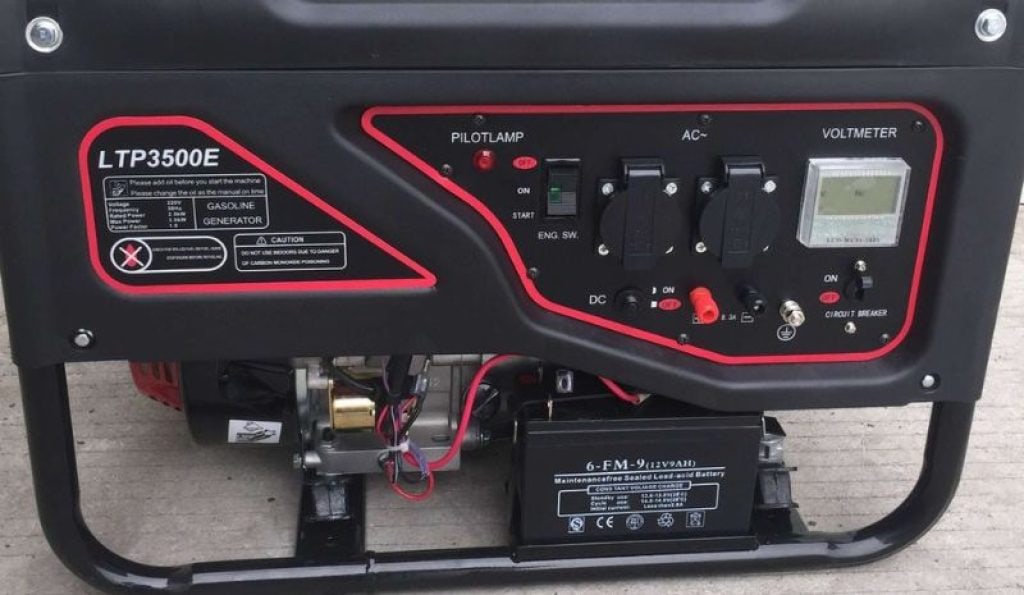
Connecting Furnace To Portable Generator
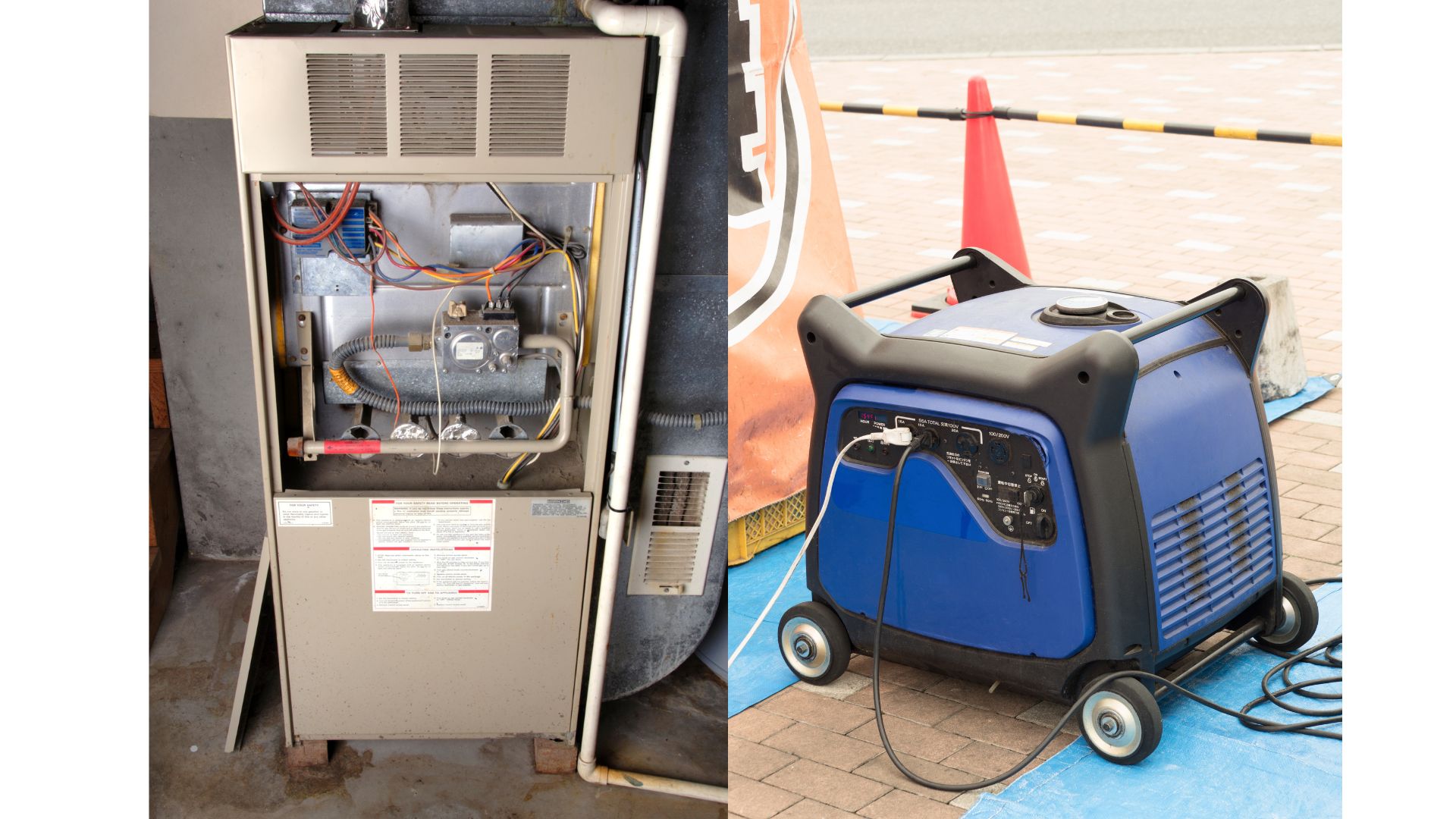
Power outages can be a real headache, especially during extreme weather when you rely on your furnace to stay warm. A portable generator can be a lifesaver, but connecting it to your furnace requires careful planning and execution. This guide provides a comprehensive overview, balancing DIY steps with essential safety precautions. Remember, if you're uncomfortable with any part of this process, calling a qualified HVAC technician is always the safest option.
Understanding Your Furnace Power Requirements
Before even thinking about connecting your generator, you need to understand your furnace's power needs. This is absolutely critical! Different furnaces have vastly different requirements. Ignoring this step could damage both your furnace and your generator.
Finding the Power Information
Locate the nameplate on your furnace. It's usually found inside the blower compartment or on the side of the unit. Look for these key pieces of information:
- Voltage (V): Typically 120V in North American residential settings.
- Amperage (A): This is the amount of current the furnace draws. Pay close attention to both the startup amperage and the running amperage. Startup amperage is often much higher.
- Wattage (W): This is the power consumption. It can be calculated by multiplying Voltage (V) by Amperage (A): W = V x A.
The starting wattage is the most crucial number. This is the surge of power needed when the furnace first turns on, particularly the blower motor. Your generator must be able to handle this surge.
Example: Let's say your furnace nameplate reads 120V and 10A (running). The running wattage is 1200W. However, the startup amperage might be 30A, making the startup wattage 3600W. You would need a generator that can handle at least 3600W surge capacity.
Sizing Your Generator
Once you know your furnace's wattage requirements, you can size your generator accordingly. It's always better to overestimate than underestimate. A good rule of thumb is to add a safety margin of at least 20% to the startup wattage.
Consider other appliances you might want to run on the generator simultaneously. A refrigerator, lights, and a small TV can quickly add to the load. Add up the wattage requirements of all these appliances to determine the total generator size needed.
Essential Tools and Materials
Having the right tools makes the job much safer and easier. Here’s a list of what you’ll likely need:
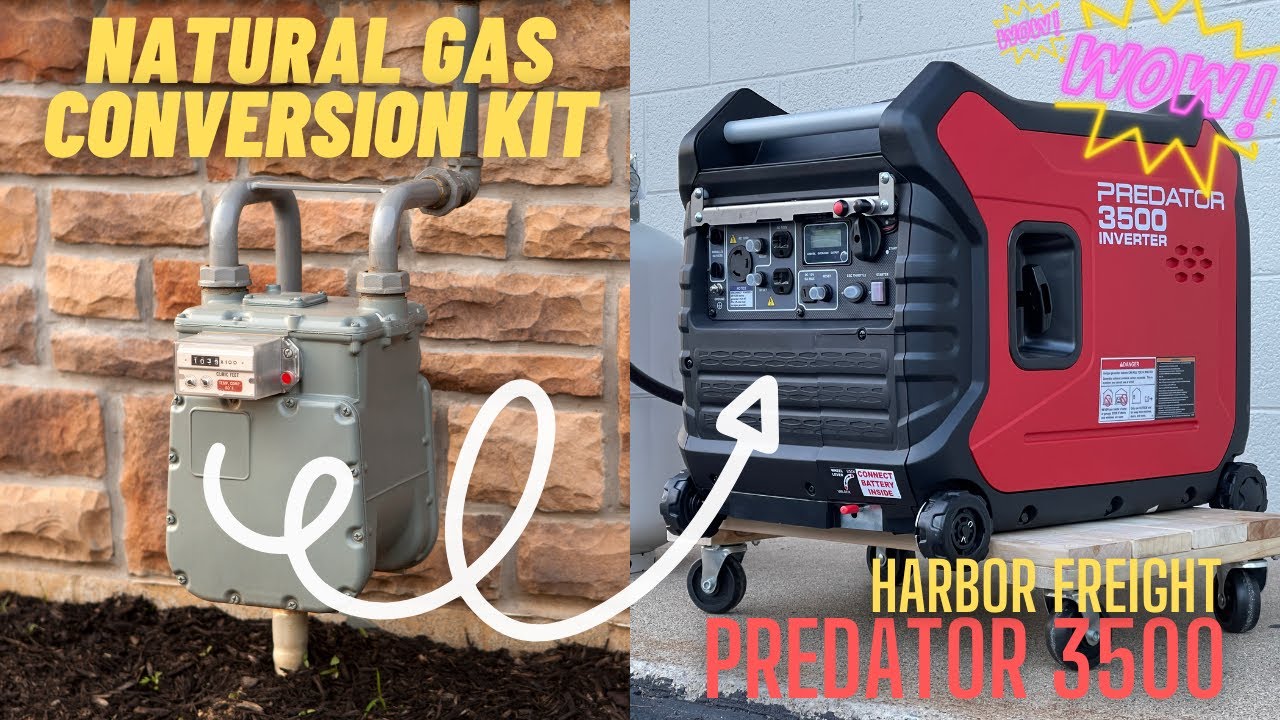
- Portable Generator: Properly sized for your furnace's power requirements.
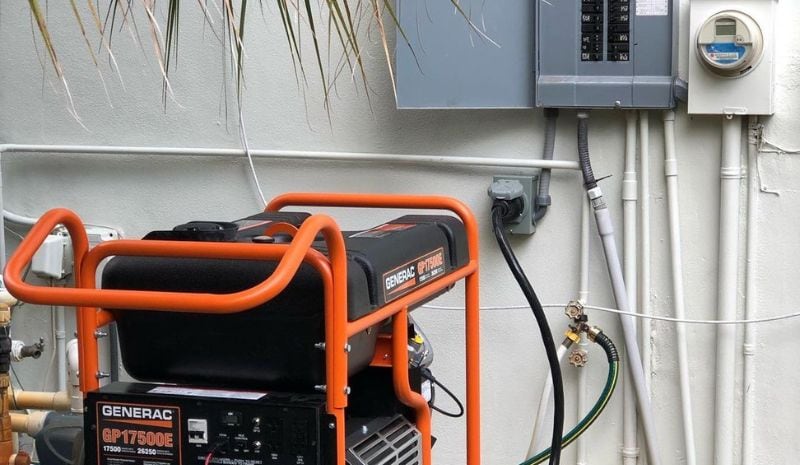
- Heavy-Duty Extension Cord: Outdoor-rated, with a gauge appropriate for the generator's output. Avoid long, thin cords as they can cause voltage drop.
- Voltage Tester: To confirm power is off before working on any electrical components.
- Screwdrivers: Both flathead and Phillips head, in various sizes.
- Wire Strippers/Crimpers: For making secure electrical connections.
- Pliers: For gripping and manipulating wires.
- Safety Glasses: Protect your eyes from debris.
- Work Gloves: Protect your hands.
- Flashlight or Headlamp: To see clearly in dimly lit areas.
- Multimeter: Helpful for troubleshooting electrical issues.
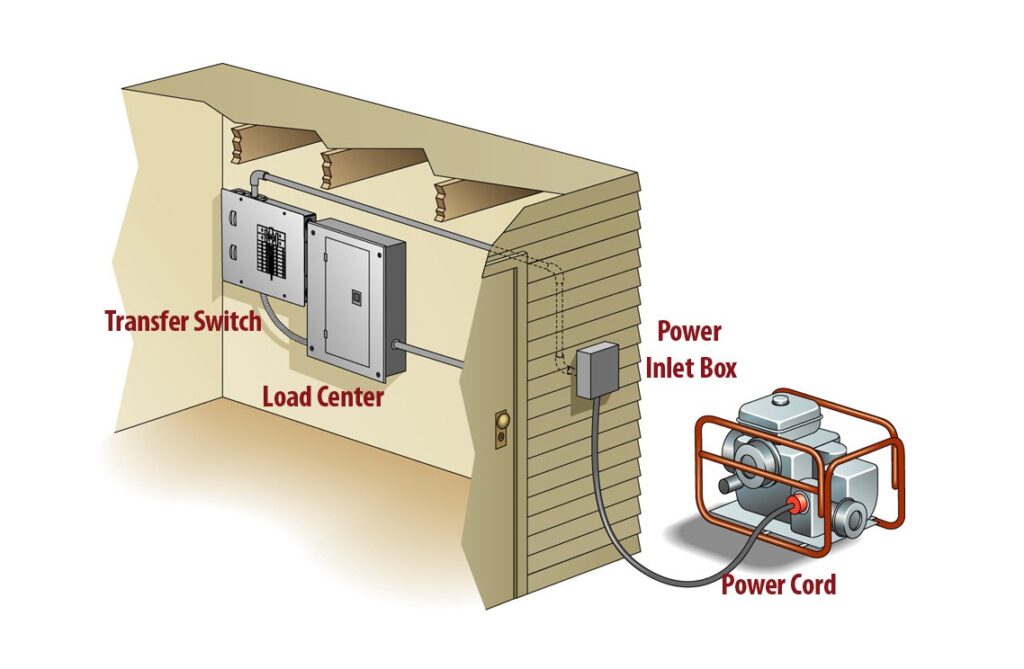
- Generator Transfer Switch (Optional, but Highly Recommended): A safer and more convenient way to connect a generator.
Connecting Your Furnace: Step-by-Step Guide
Warning: Electricity can be dangerous! If you're not comfortable working with electricity, call a qualified HVAC technician. Incorrect wiring can lead to fire or electrocution.
Step 1: Safety First! Turn off the main breaker to your furnace at the electrical panel. Double-check with a voltage tester to ensure there's no power to the furnace before proceeding.
Step 2: Locate the Furnace Wiring. Access the furnace's wiring compartment. This is usually behind a removable panel. Consult your furnace's manual for specific instructions.
Step 3: Identify the Hot, Neutral, and Ground Wires. These wires are typically color-coded: black (hot), white (neutral), and green or bare copper (ground). Use your voltage tester to confirm the hot wire is indeed de-energized.
Step 4: Connecting Without a Transfer Switch (NOT RECOMMENDED, BUT SOMETIMES NECESSARY). This method involves backfeeding power into a circuit, which is dangerous and often illegal. We strongly advise against this unless you are fully aware of the risks and have taken all necessary precautions to isolate the circuit. You would need to create a pigtail with a male plug on one end and connect the wires to the corresponding wires on the furnace. Again, this is extremely dangerous and should only be done as a last resort and with extreme caution. Ensure the main breaker is OFF to prevent backfeeding the grid!
Step 5: Using a Transfer Switch (Highly Recommended). A transfer switch is the safest and most convenient way to connect a generator. It allows you to switch between utility power and generator power without backfeeding the grid. Installation usually requires a professional electrician.
Step 6: Starting the Generator. Follow the manufacturer's instructions for starting your generator. Allow it to warm up for a few minutes before connecting it to the furnace.
Step 7: Connecting to the Furnace. Plug the generator into the transfer switch, or (if you're using the unsafe method in Step 4) plug the pigtail into the generator.
Step 8: Switching to Generator Power. If using a transfer switch, switch it to the "generator" position. If you bypassed the switch make sure the main breaker to your home is OFF.
Step 9: Testing. Turn on the furnace breaker. The furnace should now start. Monitor the generator to ensure it's not overloaded.
Troubleshooting Common Issues
Even with careful planning, things can sometimes go wrong. Here are some common issues and how to address them:
- Generator Overload: The generator may be too small for the furnace's startup wattage. Try turning off other appliances to reduce the load. If the problem persists, you'll need a larger generator.
- Furnace Won't Start: Check the furnace's reset button. Ensure the generator is producing the correct voltage. Check all wiring connections. If the furnace still won't start, there may be a problem with the furnace itself.
- Generator Shuts Down: This could be due to overload, low oil, or overheating. Check the generator's manual for troubleshooting steps.
- Voltage Drop: Using too long or too thin of an extension cord can cause voltage drop, which can damage the furnace. Use a shorter, thicker cord.
When to Call a Professional
While some troubleshooting steps can be done DIY, certain situations require a qualified HVAC technician. Call a professional if:
- You're not comfortable working with electricity.
- You suspect a problem with the furnace itself.
- You're unsure about the correct wiring.
- You need help installing a transfer switch.
- The furnace is making unusual noises or smells.
Estimating Repair Costs
Repair costs can vary depending on the nature of the problem and your location. Here are some ballpark estimates:
- Technician Service Call: $75 - $150
- Transfer Switch Installation: $500 - $1500 (including the cost of the switch)
- Furnace Repair (Minor): $100 - $300 (e.g., replacing a capacitor)
- Furnace Repair (Major): $500 - $2000+ (e.g., replacing a blower motor or control board)
These are just estimates. It's always best to get a quote from a qualified HVAC technician before proceeding with any repairs.
Safety Considerations
Safety is paramount when working with electricity and generators. Here are some crucial safety tips:
- Never operate a generator indoors or in a confined space. Generators produce carbon monoxide, a deadly gas.
- Use a carbon monoxide detector. Place it near the sleeping area.
- Keep the generator dry. Operate it on a level surface away from standing water.
- Never overload the generator. Refer to the manufacturer's instructions for maximum load capacity.
- Turn off the generator before refueling. Allow it to cool down first.
- Store gasoline safely. Use approved containers and store them in a well-ventilated area away from heat and open flames.
- Inspect cords and connections regularly. Replace any damaged cords immediately.
Connecting your furnace to a portable generator can provide much-needed heat during a power outage. By following these steps and prioritizing safety, you can keep your home warm and comfortable. Remember to always err on the side of caution and consult a professional if you have any doubts.