Connecting Two Electrical Panels To One Meter
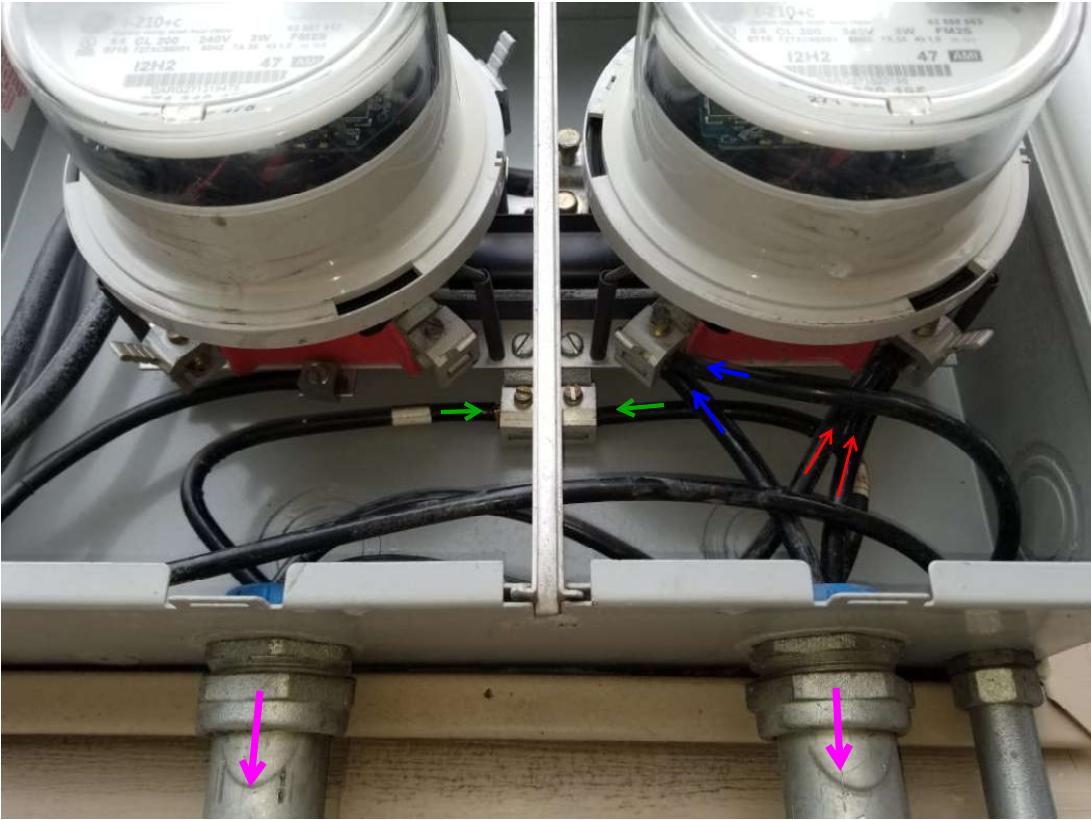
The HVAC industry is constantly evolving, demanding skilled professionals capable of navigating complex electrical systems. One area that often raises questions is the practice of connecting two electrical panels to a single meter. This article explores the considerations, regulations, and best practices surrounding this setup, offering insights for students, experienced technicians, and employers in the HVAC field.
Understanding the Basics: Electrical Panels and Metering
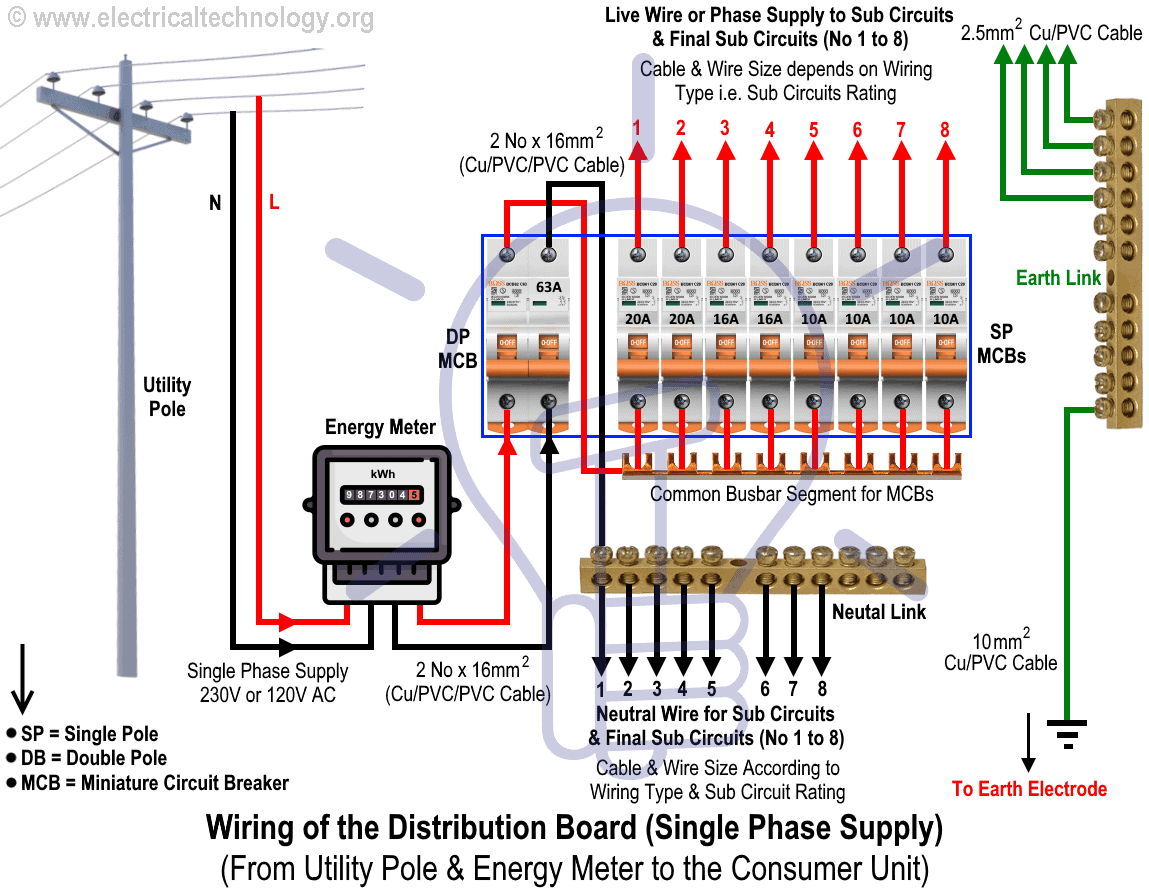
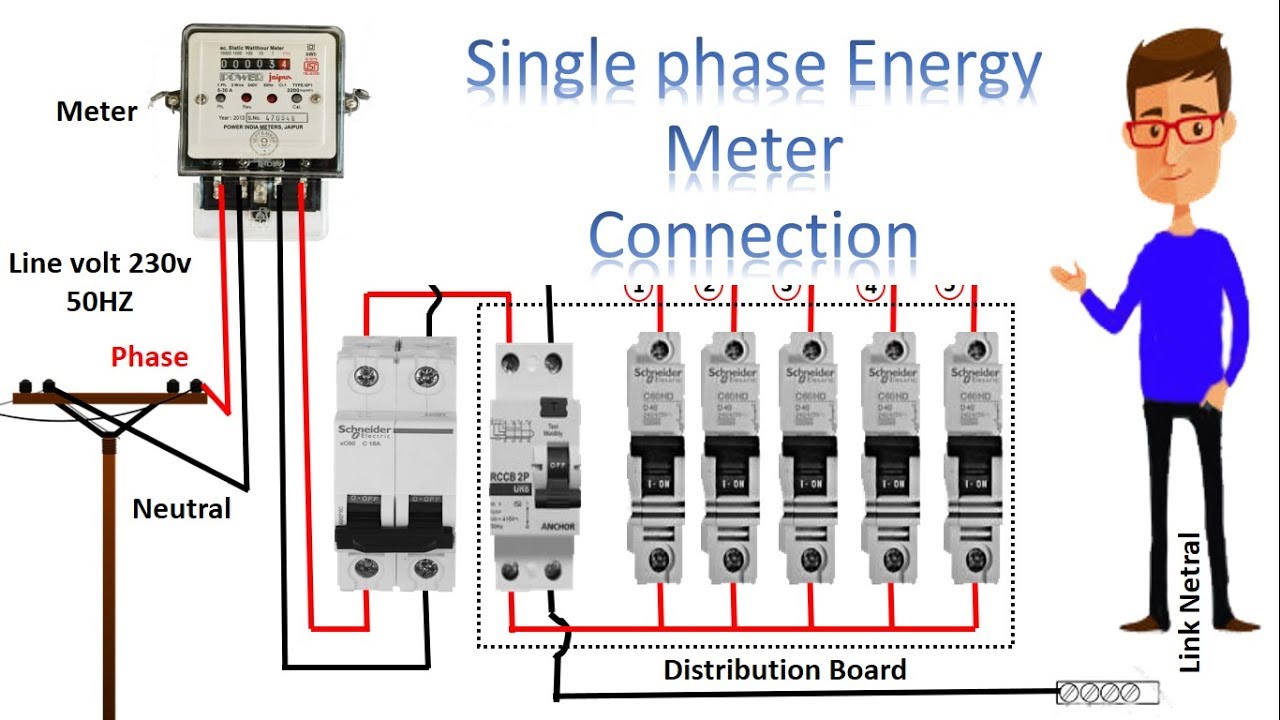
Before diving into the specifics of connecting multiple panels to a single meter, it's crucial to understand the fundamentals. An electrical panel, also known as a breaker box, distributes electricity from the main power source to various circuits within a building. The electrical meter measures the total electrical energy consumption of the building, typically in kilowatt-hours (kWh). Connecting two panels to one meter essentially means that both panels draw power from the same point of measurement.
The primary reason for considering this configuration is cost savings, particularly in scenarios where separate metering would incur significant installation or monthly service fees. However, it's essential to ensure that the existing electrical service is adequately sized to handle the combined load of both panels. Overloading the service can lead to dangerous situations, including overheating and fire hazards.
Legality and Regulations: A Critical Overview
The legality of connecting two electrical panels to a single meter varies depending on local regulations and utility company policies. It is imperative to consult with the local utility company and a qualified electrical inspector *before* undertaking any such project. Failing to do so could result in fines, mandatory corrective actions, and potential legal liabilities.
In many jurisdictions, this practice is permissible only under specific circumstances, such as when the panels serve a single dwelling unit or are part of a legally recognized accessory dwelling unit (ADU). Some utilities may require a load calculation to verify that the existing service can handle the combined load. They might also demand a dedicated disconnect switch for each panel to allow for safe isolation during maintenance or emergencies.
The National Electrical Code (NEC) provides guidelines for electrical installations, but it's not a substitute for local codes and utility regulations. Always prioritize compliance with the most stringent requirements.
Technical Considerations and Best Practices
When connecting two electrical panels to one meter, several technical aspects demand careful attention:
- Load Calculation: Accurately determine the total electrical load of both panels, considering both continuous and non-continuous loads. This calculation should account for future expansion and potential increases in energy consumption.
- Service Entrance Capacity: Verify that the existing service entrance conductors and overcurrent protection device (e.g., the main breaker) are adequately sized to handle the combined load. Upgrading the service entrance may be necessary.
- Wiring and Connections: Use appropriately sized conductors and ensure secure, code-compliant connections. Loose or undersized connections can cause overheating and pose a fire risk.
- Grounding and Bonding: Maintain proper grounding and bonding throughout the electrical system to minimize the risk of electrical shock.
- Overcurrent Protection: Each panel must have its own overcurrent protection devices (circuit breakers or fuses) to protect individual circuits from overload and short circuits.
It's crucial to employ a qualified and licensed electrician for this type of work. Attempting to handle electrical wiring without the necessary expertise can be dangerous and potentially fatal.
HVAC Applications and Considerations
In the HVAC context, connecting two panels to one meter might arise when adding a mini-split system, heat pump, or other auxiliary equipment to an existing building. For example, consider a homeowner adding a ductless mini-split system to a sunroom. If the existing electrical panel is already close to capacity, installing a subpanel might be a more practical solution than upgrading the entire service entrance. In this case, both panels could be connected to the same meter, provided that the load calculations and local regulations permit it.
However, HVAC professionals must be aware of the potential impact on energy consumption and billing. If the HVAC equipment represents a significant portion of the total load, it's essential to discuss energy-efficient options with the client and to accurately estimate the potential increase in electricity bills. Installing smart thermostats and energy monitoring systems can help manage energy usage and identify potential savings.
Career Paths and Opportunities in HVAC
The ability to understand and work with electrical systems is a highly valued skill in the HVAC industry. Aspiring HVAC technicians can pursue various career paths, including:
- Installation Technician: Installs and connects HVAC equipment, including electrical wiring and controls.
- Service Technician: Troubleshoots and repairs HVAC systems, requiring a strong understanding of electrical diagnostics.
- HVAC Designer: Designs HVAC systems, including electrical layouts and load calculations.
- HVAC Sales Engineer: Sells HVAC equipment and systems, providing technical expertise to clients.
According to the Bureau of Labor Statistics, the median annual wage for HVAC mechanics and installers was $51,390 in May 2021. The job outlook is projected to grow 5 percent from 2021 to 2031, about as fast as the average for all occupations. The demand for skilled HVAC technicians is expected to remain strong due to the increasing complexity of HVAC systems and the growing focus on energy efficiency.
Salary ranges can vary significantly based on experience, location, and certifications. Entry-level positions may start around $35,000 per year, while experienced technicians with advanced certifications can earn upwards of $70,000 or more.
Certifications: Enhancing Your Credentials
Obtaining relevant certifications can significantly enhance your career prospects and earning potential in the HVAC industry. Some of the most recognized certifications include:
- NATE (North American Technician Excellence): A widely respected certification that demonstrates competency in specific HVAC areas, such as installation, service, and efficiency.
- EPA Section 608 Certification: Required for technicians who handle refrigerants, ensuring compliance with environmental regulations.
- HVAC Excellence: Offers a range of certifications for HVAC technicians and educators, covering various skill levels and specialties.
- State and Local Licenses: Many jurisdictions require HVAC technicians to be licensed, which often involves passing an exam and completing apprenticeship hours.
Pursuing continuing education and staying up-to-date on the latest technologies and industry trends is essential for career advancement. Consider attending workshops, seminars, and online courses to expand your knowledge and skills.
Employer Perspectives: Hiring Qualified Technicians
Employers in the HVAC industry are actively seeking skilled and knowledgeable technicians who can handle complex electrical systems and troubleshoot problems effectively. When hiring, employers often look for candidates with the following qualifications:
- Formal HVAC training from a trade school or apprenticeship program.
- Relevant certifications, such as NATE and EPA 608.
- Proven experience in electrical wiring and diagnostics.
- Strong problem-solving and communication skills.
- A commitment to safety and compliance.
Employers are also increasingly valuing technicians who possess soft skills, such as customer service, teamwork, and time management. The ability to interact effectively with clients and colleagues is crucial for building strong relationships and ensuring customer satisfaction.
Investing in employee training and development is essential for maintaining a competitive edge in the HVAC industry. Employers should provide opportunities for technicians to upgrade their skills and obtain certifications. Offering competitive salaries and benefits packages can also help attract and retain top talent.
Real-World Examples: Career Trajectories
Consider the career path of Maria, an HVAC apprentice who started her journey with a local trade school. After completing her apprenticeship and obtaining her EPA 608 certification, she joined a residential HVAC company. Over the years, Maria gained experience in installing and servicing various types of HVAC systems, including heat pumps and mini-splits. Recognizing the importance of electrical skills, she pursued additional training in electrical diagnostics and troubleshooting. Today, Maria is a lead service technician, responsible for mentoring junior technicians and handling complex electrical issues. Her commitment to continuous learning and her strong technical skills have made her a valuable asset to her company.
Another example is David, an experienced electrician who transitioned into the HVAC field. With his extensive electrical knowledge, David quickly excelled in HVAC installations and repairs. He obtained his NATE certification and became a specialist in energy-efficient HVAC systems. David now works as an HVAC designer, creating electrical layouts and performing load calculations for commercial buildings. His background in electrical engineering has enabled him to design innovative and sustainable HVAC solutions.
Conclusion: A Dynamic and Rewarding Field
The HVAC industry offers a dynamic and rewarding career path for individuals who are passionate about technology, problem-solving, and customer service. Understanding the electrical aspects of HVAC systems, including the intricacies of connecting multiple panels to a single meter, is crucial for success in this field. By pursuing relevant training, certifications, and continuing education, HVAC professionals can enhance their skills, increase their earning potential, and make a significant contribution to the comfort and well-being of their communities.
Remember, always prioritize safety, compliance, and ethical practices in all your HVAC endeavors. The future of the industry depends on skilled and responsible professionals who are committed to providing high-quality service and sustainable solutions.