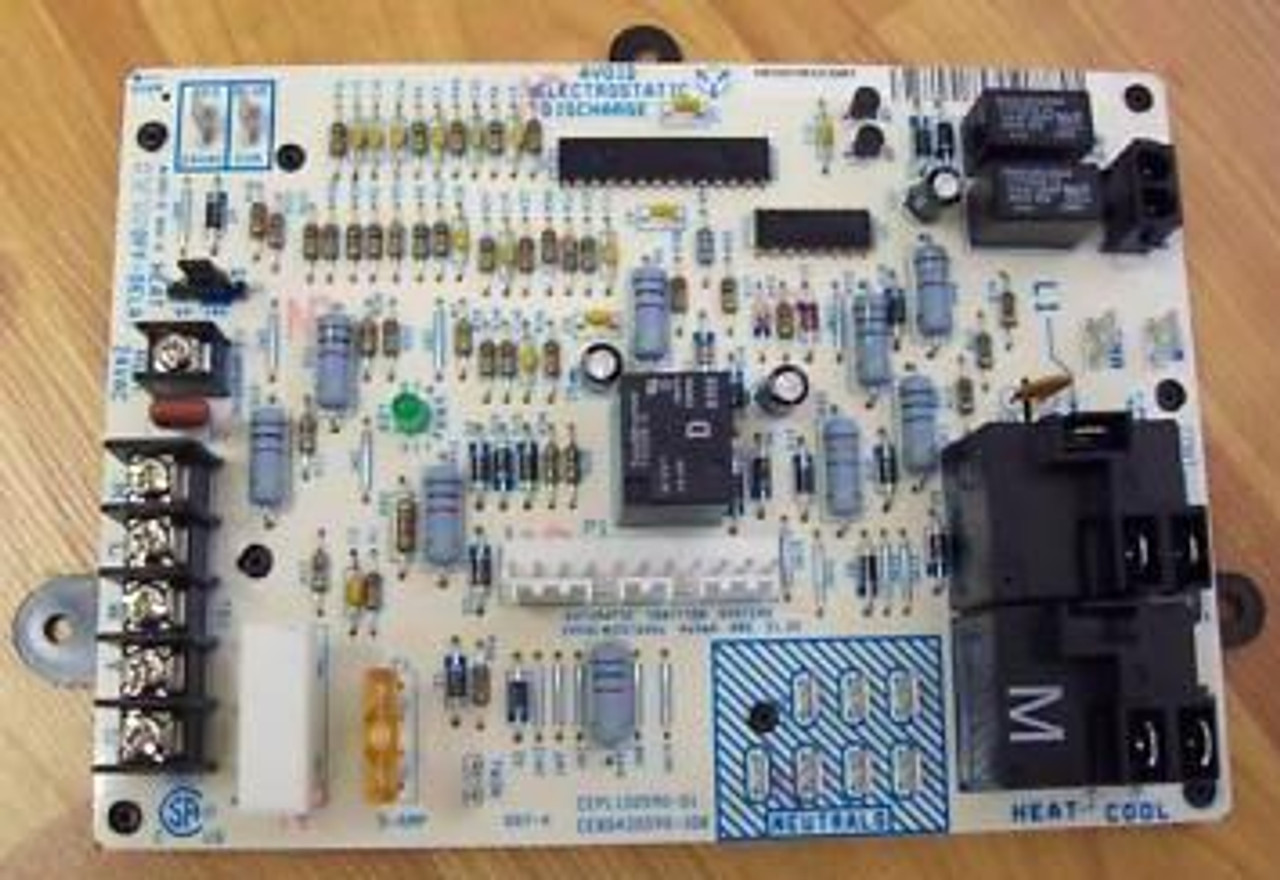
Control Boards For Furnaces

Imagine waking up on a chilly morning, only to find your house is colder than it should be. You check the thermostat, and it's set correctly, but the furnace isn't running. This scenario is a common household headache, and often, the culprit is a malfunctioning control board. While some furnace issues require professional expertise, many homeowners can perform basic troubleshooting steps to identify the problem and potentially save themselves a service call.
Understanding the Furnace Control Board
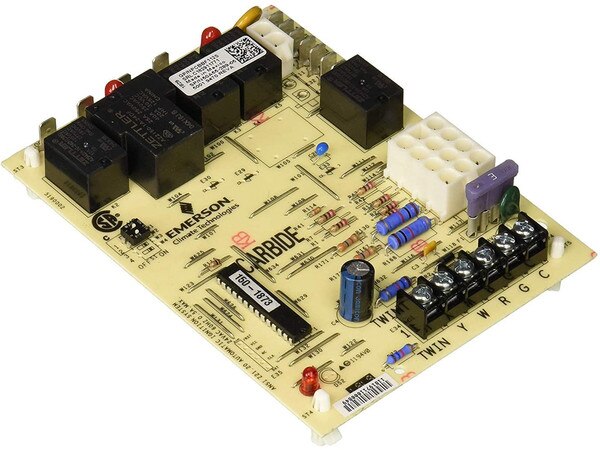
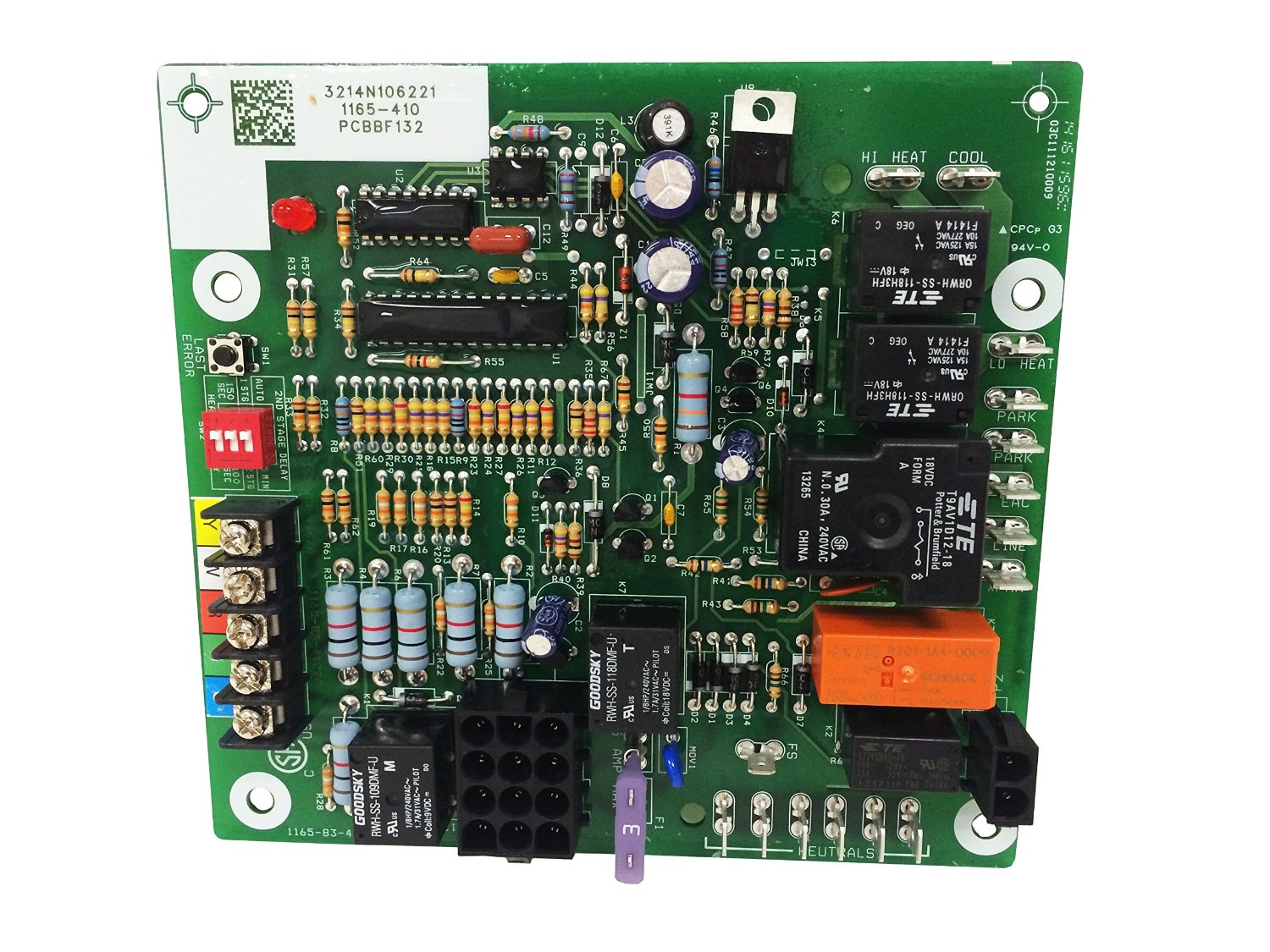
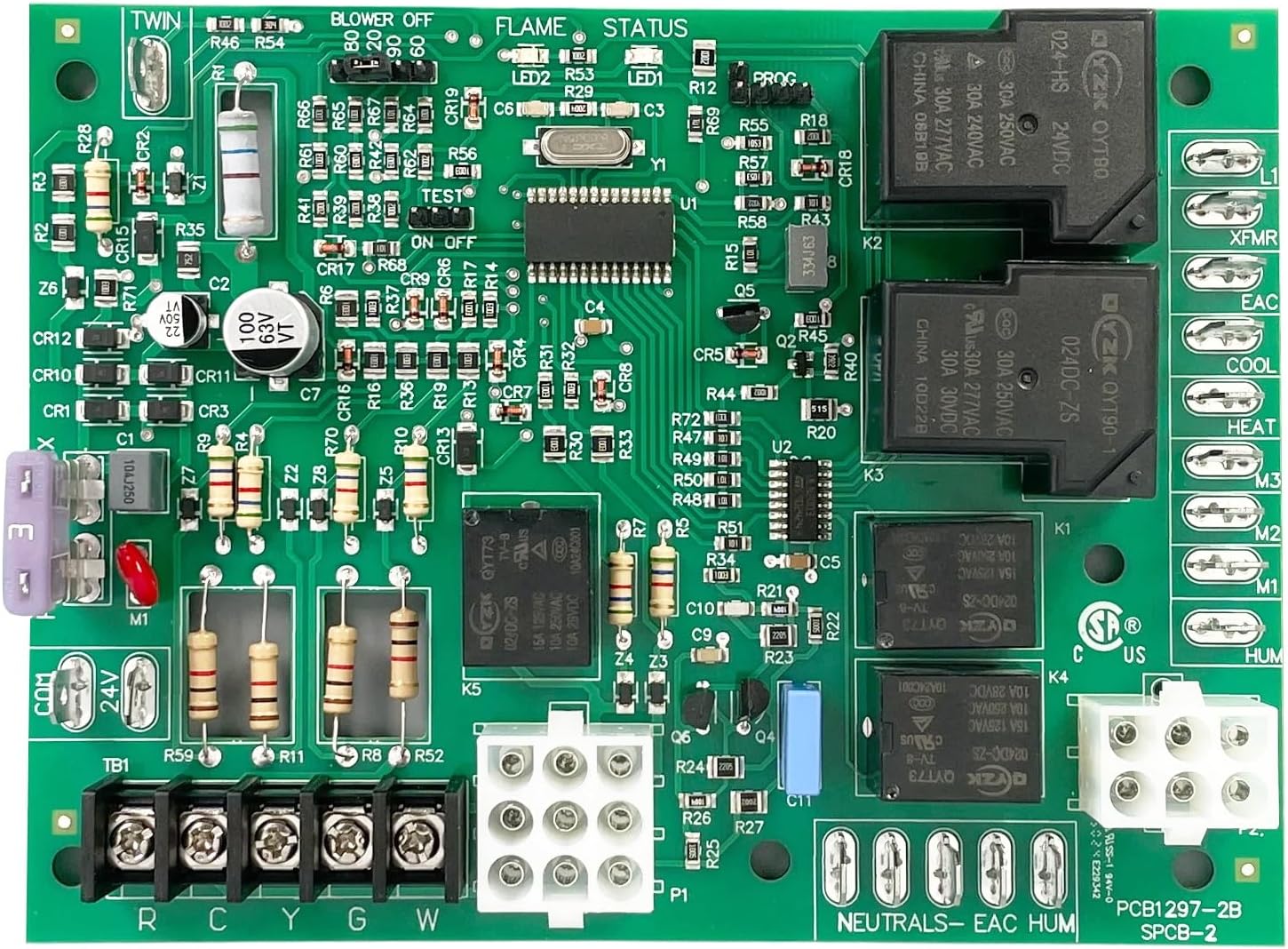
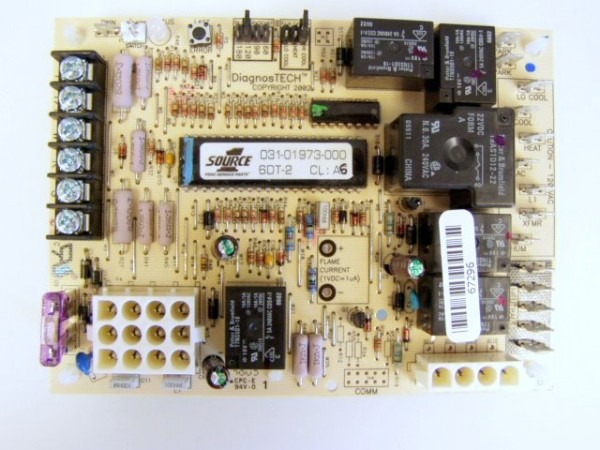
The control board is the brain of your furnace. It's a small circuit board that manages all the furnace's operations, from igniting the burner to controlling the blower fan. It receives signals from the thermostat and other sensors and tells the various components of the furnace what to do. A faulty control board can cause a variety of problems, including:
- Furnace not turning on
- Furnace turning on but not heating
- Blower fan not working correctly (running constantly or not at all)
- Furnace short cycling (turning on and off frequently)
- Error codes displayed on the control board or thermostat
Safety First!
Before you begin any troubleshooting, it is crucial to prioritize safety:
- Turn off the power: Locate the circuit breaker that controls the furnace and switch it to the "OFF" position. This is the most important step.
- Turn off the gas: Find the gas shut-off valve, usually located near the furnace, and turn it to the "OFF" position. This is typically perpendicular to the gas pipe. If you smell gas at any point, evacuate the area immediately and call your gas company.
- Wait: Allow the furnace to cool down completely before touching any internal components.
- Use appropriate tools: Use insulated tools when working around electrical components.
- Don't be afraid to call a professional: If you're uncomfortable with any of these steps or encounter something you don't understand, stop and call a qualified HVAC technician. Working with gas and electricity can be dangerous.
Step-by-Step Troubleshooting Guide
1. Check the Power Supply
Even a sophisticated control board needs power to function. Start with the basics:
- Circuit Breaker: Verify that the circuit breaker for the furnace is not tripped. If it is, reset it. If it trips again immediately, there may be a short circuit, and you should call a professional.
- Disconnect Switch: Many furnaces have a disconnect switch located on or near the unit. Make sure it is in the "ON" position. It often looks like a light switch.
- Voltage: (For advanced users with experience using a multimeter ONLY) Use a multimeter to check the voltage at the furnace. You should read approximately 120 volts. If there's no voltage, the problem lies in your electrical system, not necessarily the furnace itself. Contact an electrician.
2. Inspect the Thermostat
The thermostat is the communication hub for your heating system. Issues here can mimic control board problems.
- Batteries: Replace the batteries in your thermostat, even if the display looks normal. Low batteries can cause erratic behavior.
- Settings: Ensure the thermostat is set to "HEAT" and the temperature is higher than the current room temperature.
- Wiring: (Power OFF!) Carefully inspect the wiring connections at the thermostat. Make sure all wires are securely connected and free from corrosion. Loose wires can cause communication problems. Re-tighten any loose connections.
- Test: Try temporarily bypassing the thermostat by connecting the R (red) and W (white) wires together. (Power OFF first!) This should force the furnace to turn on. If it does, the thermostat is likely the problem. Do not leave the R and W wires connected for an extended period. This is only for testing.
3. Examine the Furnace
A visual inspection of the furnace can reveal obvious issues.
- Air Filter: A clogged air filter is a common cause of furnace problems. It restricts airflow, causing the furnace to overheat and potentially damaging the control board. Replace the air filter with a new one.
- Pilot Light/Igniter: If your furnace has a pilot light, make sure it's lit. If it's not, follow the manufacturer's instructions to relight it. For furnaces with electronic ignition, observe the igniter to see if it glows orange when the furnace attempts to start. If it doesn't, the igniter may be faulty. (Replacing an igniter may require specialized knowledge and tools. Consider calling a professional.)
- Flame Sensor: The flame sensor detects the presence of a flame. If it's dirty or faulty, it can shut down the furnace prematurely. It's usually a small metal rod located near the burner. You can try cleaning it with fine-grit sandpaper or steel wool. Be very gentle.
- Blower Motor: Check the blower motor for any signs of damage or obstruction. Make sure the fan blades spin freely. Sometimes debris can get caught in the motor, preventing it from starting.
- Error Codes: Many modern furnaces display error codes on the control board or thermostat. Consult your furnace's manual to decipher the error code and identify the potential problem. These codes can provide valuable clues for troubleshooting.
4. Inspecting the Control Board
Warning: Working with a control board involves electricity and can be dangerous. If you are not comfortable working with electrical components, call a qualified HVAC technician.
Power OFF and Gas OFF!
- Visual Inspection: Carefully examine the control board for any signs of damage, such as burnt components, cracked circuits, or corrosion. Look for any loose wires or connections.
- Loose Connections: Gently wiggle each wire connection on the control board to see if any are loose. Tighten any loose connections.
- Fuses: Many control boards have fuses that protect the circuit from overloads. Check the fuses to see if any are blown. If a fuse is blown, replace it with a fuse of the same amperage. If the fuse blows again immediately, there is a short circuit, and you should call a professional.
- Capacitors: Look for bulging or leaking capacitors. These are cylindrical components that store electrical energy. If they are damaged, they can cause the control board to malfunction.
Simple DIY Fixes
Based on your troubleshooting, you may be able to perform some simple DIY fixes:
- Replacing the Air Filter: This is a simple and often overlooked task that can significantly improve furnace performance.
- Cleaning the Flame Sensor: Gently cleaning the flame sensor can resolve issues with the furnace shutting down prematurely.
- Tightening Loose Connections: Ensuring all wire connections are secure can prevent communication problems.
- Replacing Fuses: Replacing a blown fuse can restore power to the control board.
- Thermostat Battery Replacement: New thermostat batteries will sometimes remedy simple issues.
When to Call a Professional
While some furnace problems can be resolved with DIY troubleshooting, others require the expertise of a qualified HVAC technician. You should call a professional if:
- You smell gas. Evacuate immediately and call your gas company.
- You are uncomfortable working with gas or electricity.
- You suspect a problem with the gas valve, heat exchanger, or other major components.
- The control board is visibly damaged (burnt, cracked, etc.).
- You are unable to identify the problem after performing basic troubleshooting.
- The furnace continues to malfunction after you have attempted DIY fixes.
- You suspect the issue is more complex and involves the gas line, venting or combustion process.
- You are not experienced using a multimeter to test voltage safely.
Preventative Maintenance
The best way to avoid furnace problems is to perform regular preventative maintenance. This includes:
- Changing the air filter regularly (every 1-3 months).
- Having your furnace inspected and cleaned annually by a qualified HVAC technician.
- Keeping the area around the furnace clear of debris.
- Checking the flue pipe for obstructions.
By following these troubleshooting steps and performing regular maintenance, you can keep your furnace running smoothly and efficiently for years to come. Remember to always prioritize safety and don't hesitate to call a professional when needed. A little knowledge and preventative care can go a long way in ensuring a warm and comfortable home.