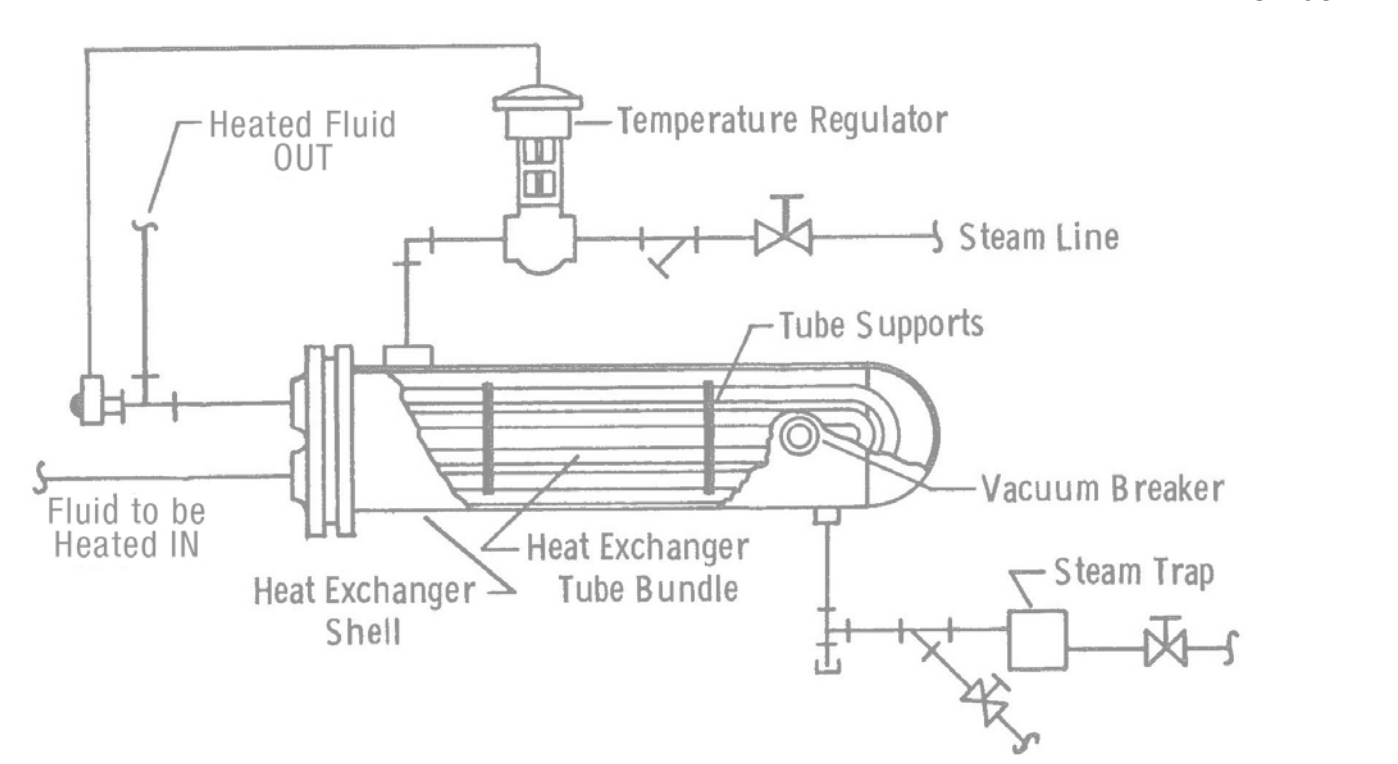
Control Valves Used For Steam Heating Coils Are Typically
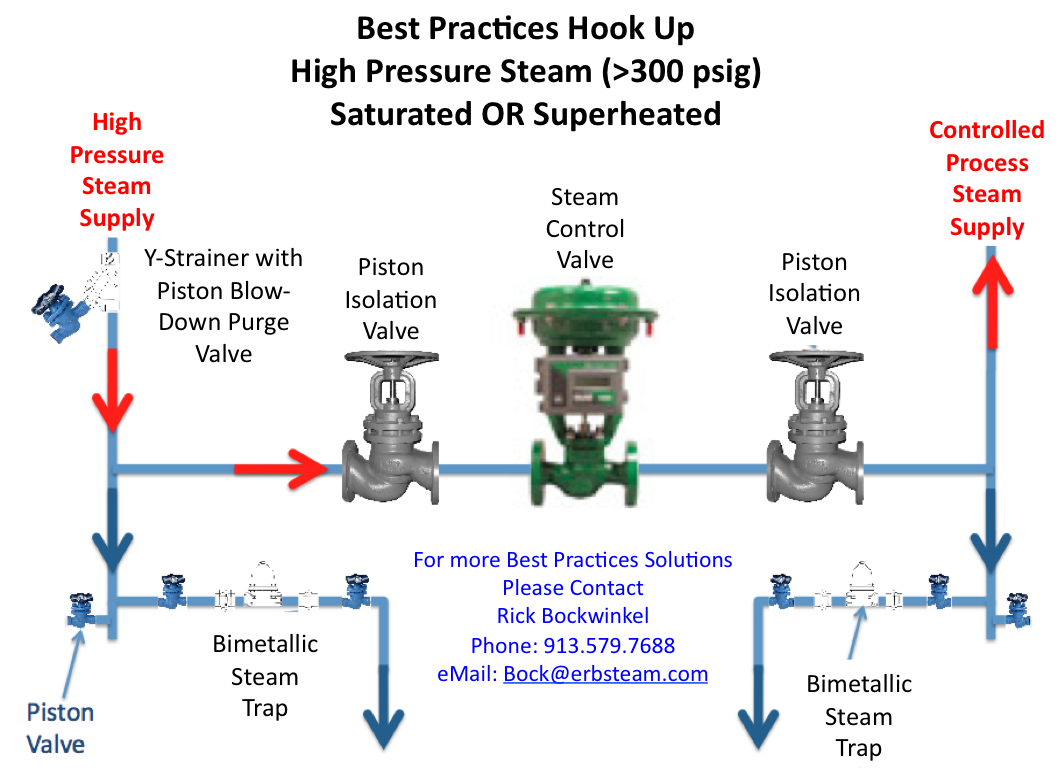
Steam heating systems, while less common in newer residential construction, remain prevalent in many commercial and industrial buildings. A crucial component of these systems is the steam heating coil, responsible for transferring heat from the steam to the air. And at the heart of controlling that heat transfer are the control valves. Understanding the types and functions of these valves is essential for HVAC professionals. So, what are the control valves typically used for steam heating coils?
Common Control Valve Types
The most common control valve used for steam heating coils are two-way control valves, specifically designed to regulate the flow of steam into the coil. While other valve types exist, the two-way valve offers a balance of simplicity, cost-effectiveness, and control for most steam heating applications.
Two-Way Control Valves: The Workhorse of Steam Heating
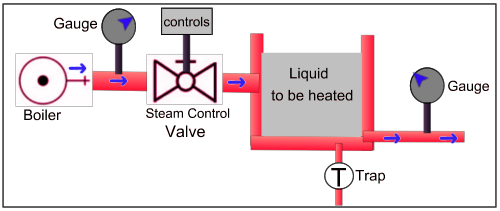
Two-way control valves modulate the flow of steam based on the demand for heat. These valves are typically installed on the steam supply line to the heating coil. They respond to signals from a thermostat or building automation system (BAS) to adjust the valve opening, thereby controlling the amount of steam entering the coil. This allows for precise temperature control within the conditioned space.
There are several types of two-way control valves suitable for steam applications:
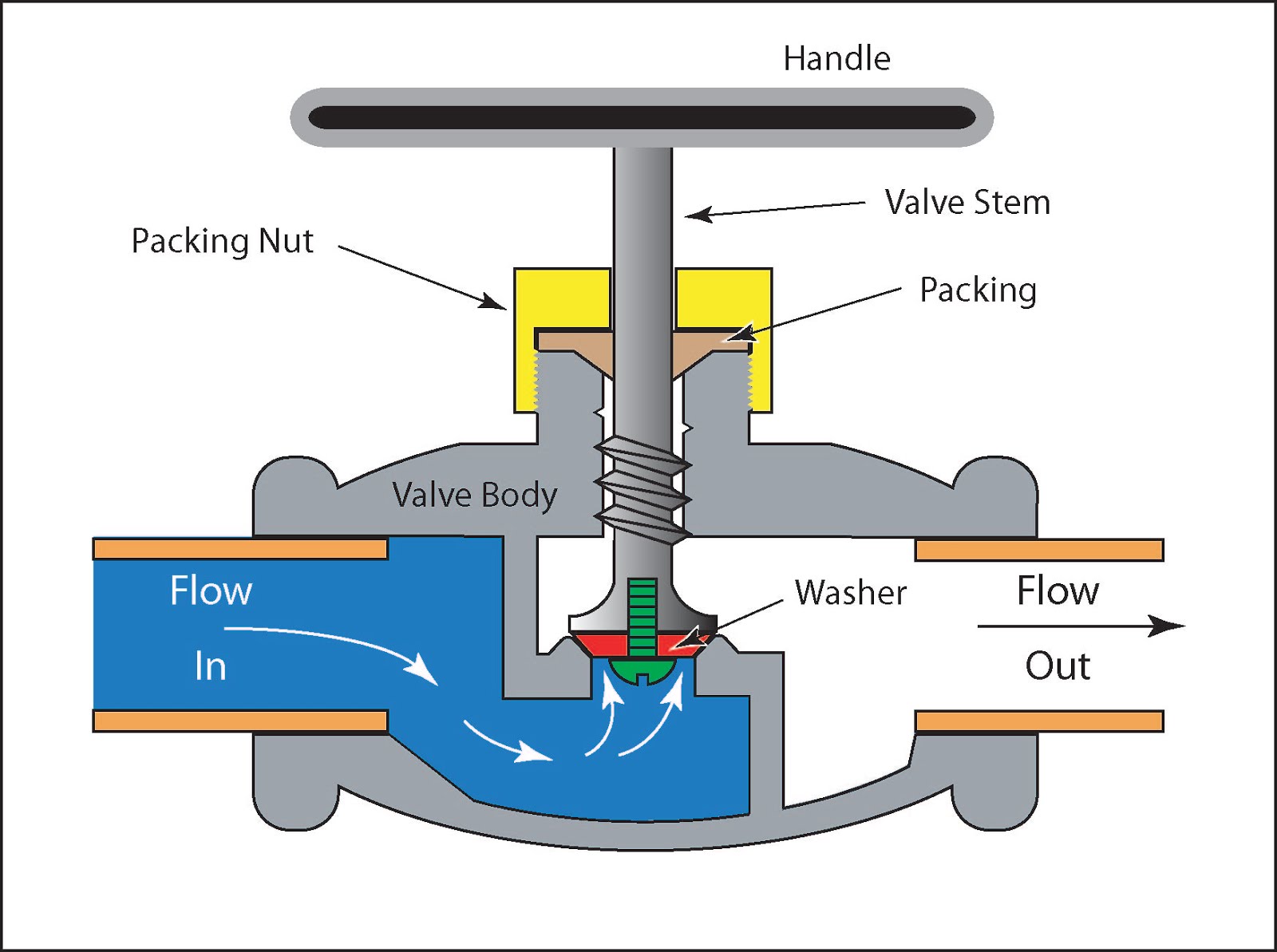
- Globe Valves: Known for their excellent throttling capabilities, globe valves provide accurate flow control and are a popular choice for steam systems. They offer a relatively high-pressure drop compared to other valve types.
- Ball Valves: While not ideal for precise throttling, ball valves are sometimes used in on/off applications within steam systems or as isolation valves. They offer low-pressure drop when fully open.
- Butterfly Valves: Larger steam systems might employ butterfly valves due to their lower cost and compact design, especially in larger pipe sizes. However, they offer less precise control than globe valves and are more susceptible to erosion at high velocities.
The Importance of Valve Actuation
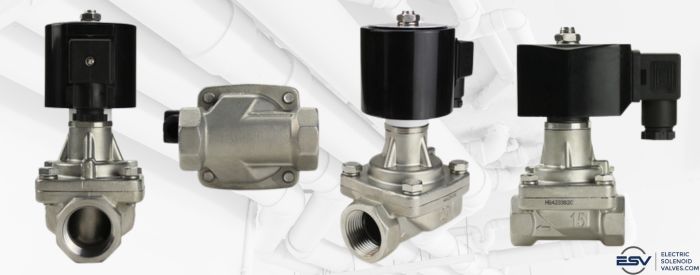
The control valve itself is only part of the equation. The actuator, which operates the valve, is equally important. Actuators can be pneumatic, electric, or electro-hydraulic. In steam systems, pneumatic actuators were historically common due to their reliability and responsiveness. However, electric actuators are gaining popularity due to their energy efficiency and compatibility with modern BAS systems. Selecting the correct actuator depends on the specific application, control system, and desired level of precision.
Why Two-Way Valves?
While other valve configurations exist, two-way valves are preferred for several key reasons:
- Simplicity: Two-way valves are straightforward to install and maintain, reducing labor costs and potential downtime.
- Cost-Effectiveness: They are generally less expensive than more complex valve configurations.
- Effective Control: They provide adequate control for most steam heating applications when properly sized and paired with an appropriate actuator.
It's important to note that three-way valves, which divert or mix fluids, are less common in steam heating coil applications. They are primarily used in chilled water systems or other applications where mixing fluids is required.
The Role of HVAC Professionals: Skills and Certifications
The proper selection, installation, and maintenance of steam control valves are critical for efficient and reliable steam heating system operation. This requires a skilled HVAC workforce with expertise in steam systems. Let's examine the career landscape for HVAC professionals:
Job Outlook and Salary Expectations
The U.S. Bureau of Labor Statistics (BLS) projects a steady demand for HVAC mechanics and installers. The BLS projects about 38,000 openings for HVAC mechanics and installers each year, on average, over the decade from 2022 to 2032. This growth is driven by new construction, retrofitting existing buildings with more efficient systems, and the need to maintain and repair aging HVAC infrastructure. As of May 2023, the median annual wage for HVACR mechanics and installers was $59,620. The top 10 percent earned more than $84,840.
Essential Skills and Training
To excel in HVAC, professionals need a solid understanding of:
- Thermodynamics: The principles governing heat transfer.
- Refrigeration Cycle: While not directly related to steam systems, this is a core HVAC concept.
- Electrical Systems: Understanding wiring diagrams and control circuits.
- Piping and Plumbing: Essential for installing and maintaining steam lines and condensate return systems.
- Control Systems: Knowledge of BAS systems and control logic.
- Troubleshooting: Diagnosing and repairing system malfunctions.
Formal training programs at vocational schools, community colleges, and apprenticeship programs provide the necessary foundation. On-the-job training is also crucial for developing practical skills.
Certifications: Demonstrating Expertise
Earning industry-recognized certifications can significantly enhance career prospects and earning potential. Some key certifications include:
- NATE (North American Technician Excellence): NATE certification demonstrates competency in HVAC knowledge and skills. Technicians specializing in commercial refrigeration or other related areas can benefit from NATE certification.
- EPA 608 Certification: Required for handling refrigerants, this certification is essential for many HVAC technicians. While not directly related to steam systems, it is a standard requirement for most HVAC jobs.
- RSES (Refrigeration Service Engineers Society): RSES offers various certifications and training programs related to HVACR systems.
Specialized certifications related to steam systems or building automation systems can also be valuable assets.
Career Paths in HVAC
An HVAC career can take many different paths. Here are a few examples:
- HVAC Technician: Installation, maintenance, and repair of HVAC systems.
- HVAC Service Manager: Overseeing a team of technicians and managing service operations.
- HVAC Design Engineer: Designing and specifying HVAC systems for new construction or retrofits.
- Building Automation Specialist: Programming and maintaining building automation systems that control HVAC equipment.
- Sales Engineer: Selling HVAC equipment and services to commercial and industrial clients.
Example Career Path: Sarah started as an apprentice HVAC technician, working primarily on residential systems. After gaining experience and earning her NATE certification, she transitioned to commercial HVAC, specializing in steam heating systems. She furthered her education with courses on building automation and is now a building automation specialist, responsible for optimizing the performance of large steam heating systems in a hospital complex.
Staying Ahead of the Curve: Industry Trends
The HVAC industry is constantly evolving. It's crucial for professionals to stay informed about the latest trends and technologies. Some key trends include:
- Energy Efficiency: Increasing emphasis on energy-efficient HVAC systems to reduce operating costs and environmental impact.
- Smart Technology: Integration of smart thermostats, sensors, and control systems for remote monitoring and optimization.
- Sustainable Solutions: Growing demand for environmentally friendly refrigerants and HVAC technologies.
- Building Information Modeling (BIM): Using BIM software for designing and coordinating HVAC systems in construction projects.
Attending industry conferences, reading trade publications, and pursuing continuing education are excellent ways to stay up-to-date.
Conclusion
Understanding the control valves used for steam heating coils, primarily two-way valves, is fundamental for HVAC professionals working with these systems. Combining this knowledge with relevant skills, certifications, and a commitment to staying abreast of industry trends can lead to a rewarding and successful HVAC career. The demand for skilled technicians capable of working on all types of HVAC systems is projected to remain strong, creating ample opportunities for those who invest in their education and professional development.