Convert Swamp Cooler To Ac Cost

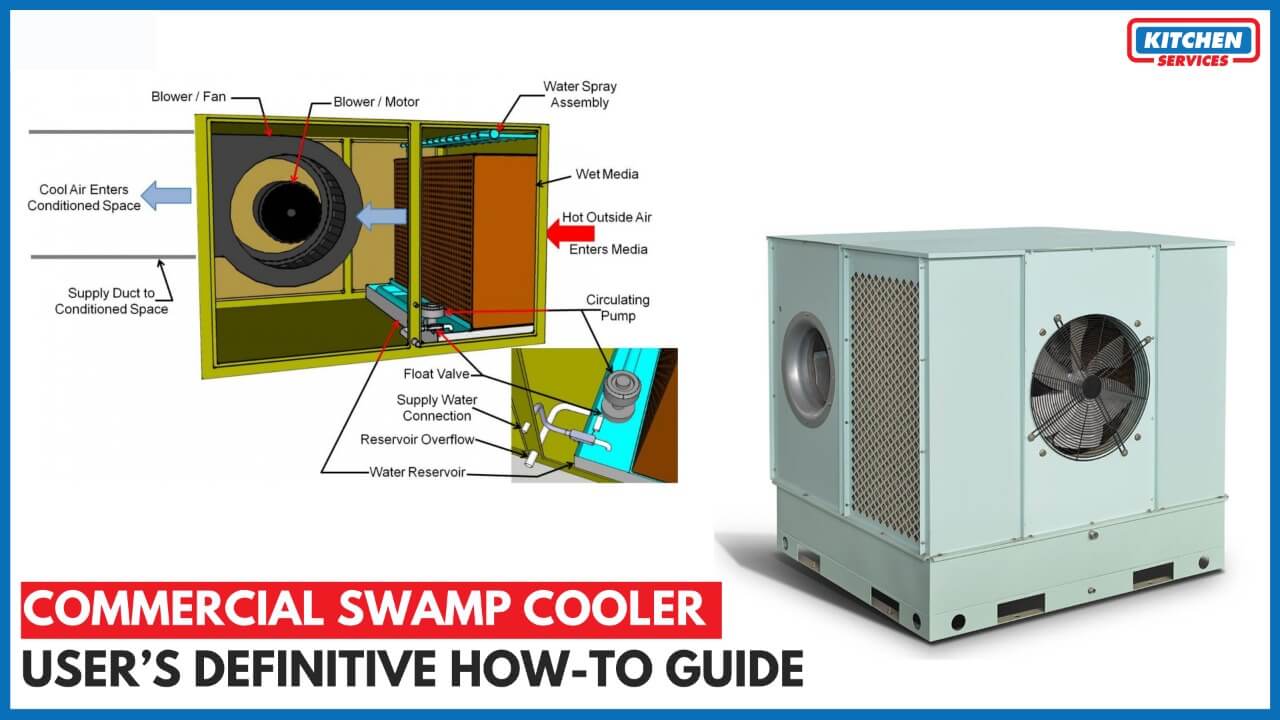
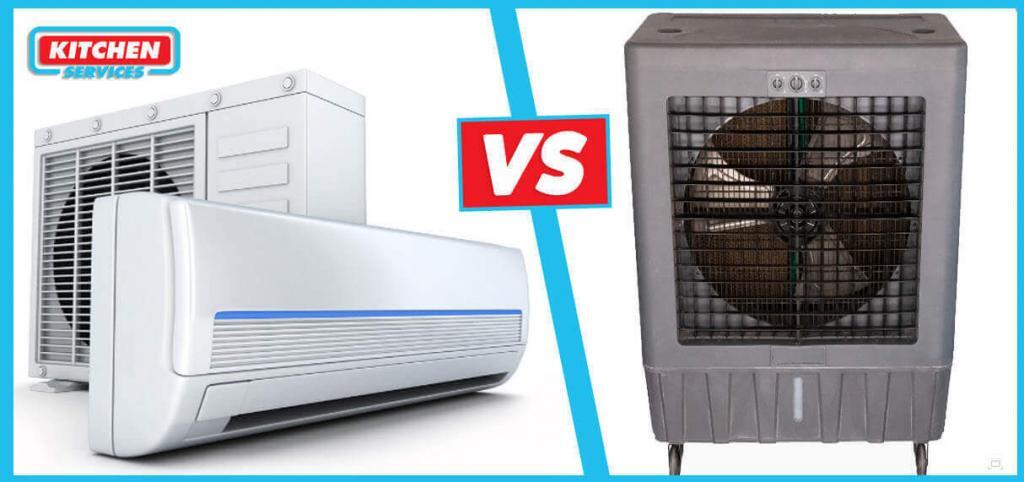
So, you're thinking about ditching the swamp cooler and jumping on the AC bandwagon? It's a common consideration, especially when those summer temperatures really start to climb. Converting a swamp cooler (also known as an evaporative cooler) to a full-fledged air conditioning system is a bigger project than simply replacing a broken appliance, but understanding the factors involved will help you make an informed decision. This article will explore the cost involved and things to consider.
Understanding the Scope: More Than Just Swapping Units
Converting from a swamp cooler to AC isn't like replacing a faulty toaster. It involves significant changes to your home's infrastructure, electrical systems, and possibly ductwork. Think of it more like a mini-renovation project.
Cost Breakdown: Where Your Money Goes
The cost of converting from a swamp cooler to AC can vary dramatically depending on several factors. Here's a breakdown of the major expenses:
1. The Air Conditioning Unit Itself
This is the most significant cost. The type of AC unit you choose (window unit, portable unit, split system, or central AC) will drastically affect the price. Central AC systems are the most expensive, requiring professional installation and potentially ductwork modifications. Consider these options:
- Window Units: The cheapest option, typically ranging from $150 to $800 per unit, depending on BTU (British Thermal Units – a measure of cooling capacity). These are suitable for cooling individual rooms.
- Portable AC Units: More expensive than window units, ranging from $300 to $1000, but they offer the flexibility of being moved from room to room. They still require venting to the outside.
- Mini-Split Systems (Ductless): A good option if you don't have existing ductwork. Prices range from $1,500 to $5,000 per unit (including installation), depending on the number of indoor units.
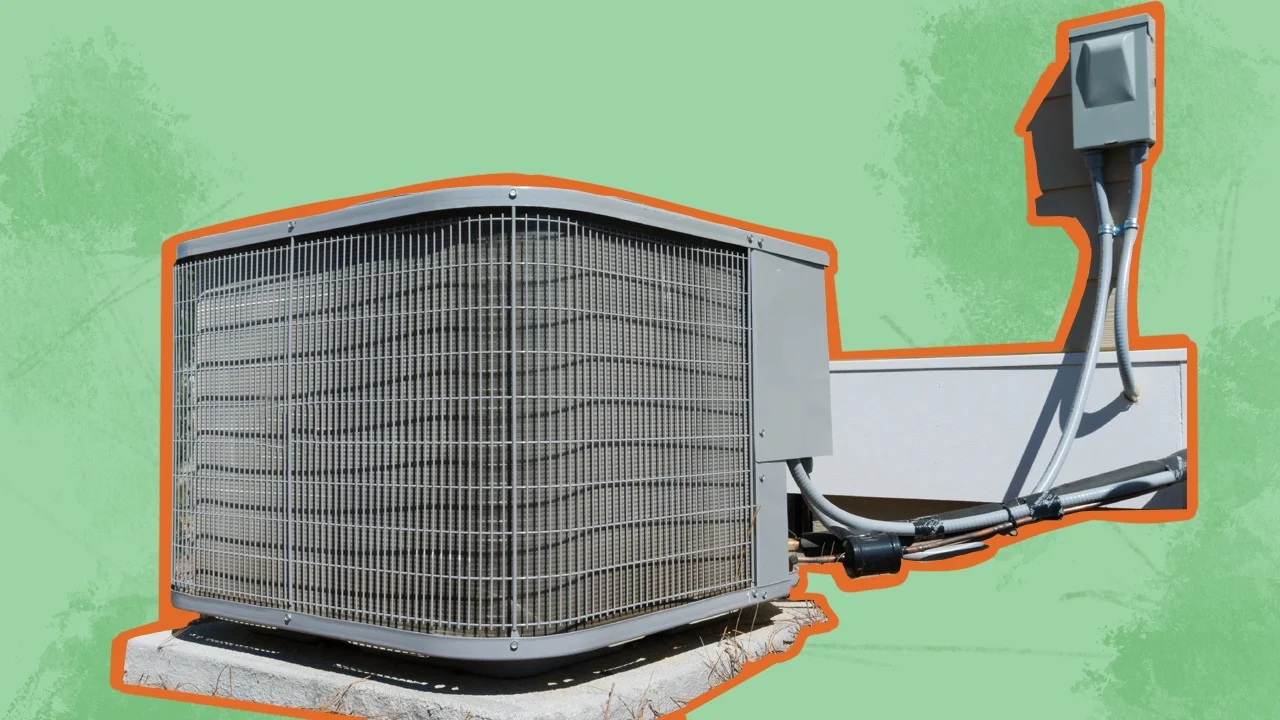
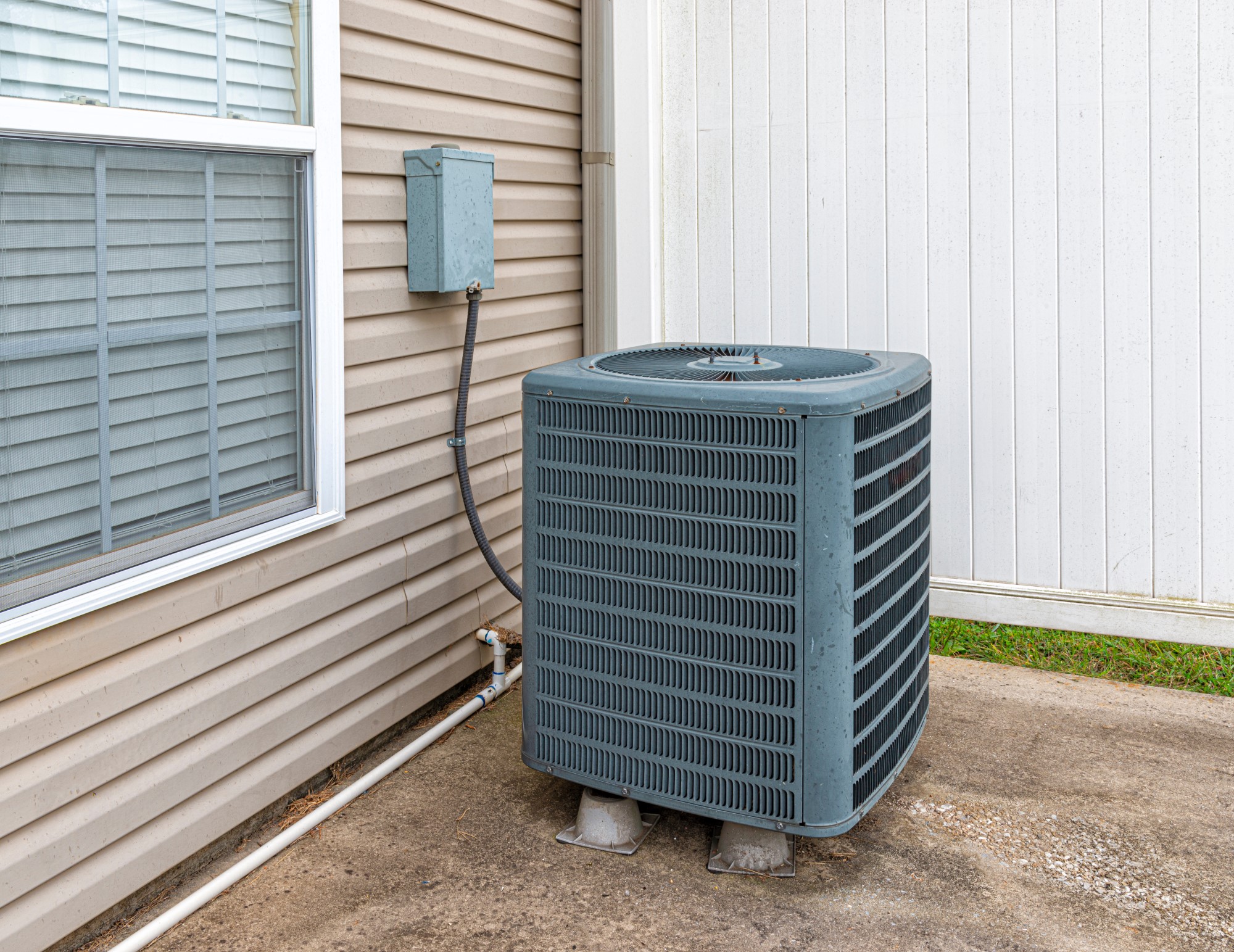
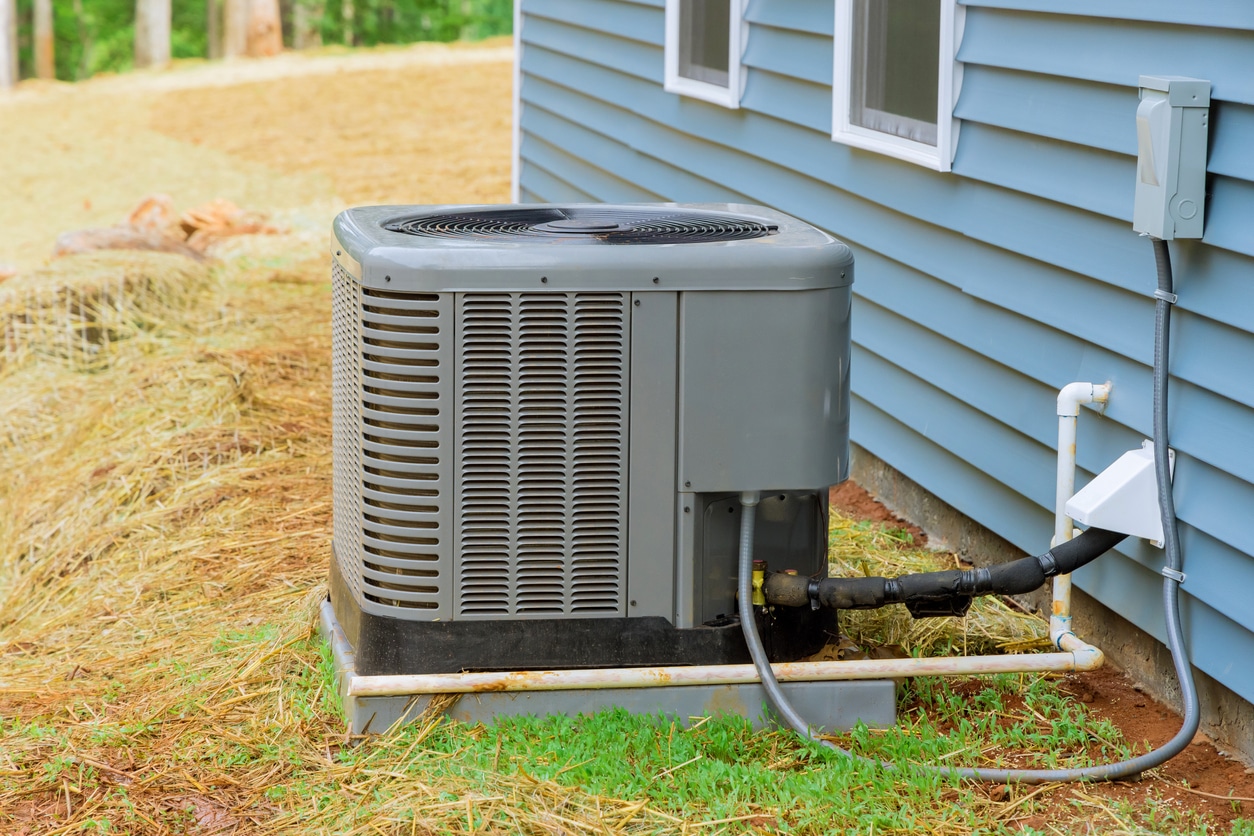
- Central AC Systems: The most expensive option, typically costing between $3,000 and $7,000+ (including installation and ductwork modifications). This is the best choice for cooling an entire house.
2. Installation Costs
Unless you're opting for a window or portable unit (which are designed for DIY installation), you'll need to factor in professional installation costs. These costs can vary depending on the complexity of the installation and the labor rates in your area. Here's a rough estimate:
- Mini-Split Installation: $500 - $2,000+ per unit.
- Central AC Installation: $1,000 - $3,000+ (excluding ductwork).
3. Ductwork Modifications or Installation
This is often an overlooked but critical expense. Swamp coolers and AC systems use different ductwork requirements. Swamp cooler ducts are often larger and designed for high airflow and lower static pressure. AC systems require tighter, insulated ducts designed for higher static pressure. If your existing ductwork isn't suitable, you'll need to factor in the cost of modifications or complete replacement. This can add significantly to the overall cost, ranging from a few hundred dollars for minor modifications to several thousand dollars for a complete ductwork overhaul.
Considerations for Ductwork:
- Existing Ductwork Condition: Is it insulated? Are there leaks? Is the size appropriate for an AC system?
- Material: Metal ductwork is generally preferred for AC systems due to its durability and ability to handle higher static pressure.
- Complexity of Installation: Running new ductwork through walls and ceilings can be labor-intensive and expensive.
4. Electrical Upgrades
AC units, especially central AC systems, require a significant amount of electrical power. You may need to upgrade your electrical panel to accommodate the increased load. This can involve installing a new breaker, running new wiring, or even upgrading the entire panel. This can cost anywhere from $500 to $2,000+ depending on the extent of the upgrade required. Always hire a qualified electrician for any electrical work.
Things to consider:
- Amperage: Make sure your electrical panel has sufficient amperage to handle the new AC unit.
- Wiring: The wiring must be the correct gauge (thickness) to safely carry the electrical current.
- Building Codes: All electrical work must comply with local building codes.
5. Removal and Disposal of the Swamp Cooler
Don't forget to factor in the cost of removing and disposing of your old swamp cooler. This may involve hiring a junk removal service, which can cost anywhere from $50 to $200, depending on the size and weight of the unit.
6. Permits and Inspections
Many municipalities require permits for HVAC installations. These permits can cost anywhere from $50 to $500, depending on the location and the scope of the project. You may also need to have the installation inspected by a building inspector to ensure it meets local codes.
DIY vs. Professional Installation: Knowing Your Limits
While installing a window unit or portable AC unit is typically a DIY-friendly task, anything more complex than that should be left to the professionals. Working with electricity, refrigerants, and ductwork requires specialized knowledge and equipment. Incorrect installation can not only damage the equipment but also create safety hazards, such as electrical fires or refrigerant leaks.
When to Call a Professional:
- Central AC Installation: Always hire a licensed HVAC contractor for central AC installation.
- Mini-Split Installation: While some homeowners attempt DIY mini-split installation, it's generally recommended to hire a professional to ensure proper refrigerant charging and system performance.
- Ductwork Modifications or Installation: This requires specialized knowledge and equipment.
- Electrical Upgrades: Never attempt electrical work unless you are a qualified electrician.
Basic DIY Tasks (with caution):
- Installing a Window Unit: Follow the manufacturer's instructions carefully and ensure the unit is properly supported.
- Installing a Portable AC Unit: Ensure the unit is properly vented to the outside.
- Sealing Small Duct Leaks: If you have minor duct leaks, you can try sealing them with duct tape or mastic sealant. However, for major leaks, it's best to call a professional.
Finding the Right Professionals
When hiring HVAC contractors and electricians, it's essential to do your research and choose reputable companies with qualified technicians. Here are some tips:
- Get Multiple Quotes: Obtain quotes from at least three different contractors to compare prices and services.
- Check Credentials: Verify that the contractors are licensed and insured.
- Read Reviews: Check online reviews to see what other customers have to say about their experiences.
- Ask for References: Ask the contractors for references from previous customers.
- Get a Written Contract: Ensure you have a written contract that outlines the scope of work, the payment schedule, and any warranties.
Long-Term Costs: Energy Efficiency and Maintenance
In addition to the upfront costs of converting to AC, you also need to consider the long-term costs of energy consumption and maintenance. AC units typically consume more energy than swamp coolers, so your electricity bills will likely increase. However, newer AC units are often more energy-efficient than older models, so you can potentially offset some of the increased energy costs by choosing an energy-efficient unit.
Maintenance is also crucial for ensuring the longevity and efficiency of your AC system. This includes:
- Regular Filter Changes: Changing the air filter every one to three months will help improve airflow and prevent dust from accumulating in the system.
- Coil Cleaning: Clean the evaporator and condenser coils at least once a year to ensure proper heat transfer.
- Annual Tune-Ups: Have a professional HVAC technician inspect and tune up your AC system annually.
Alternatives to a Full Conversion
If the cost of converting to AC is prohibitive, you might consider some alternatives, such as:
- Hybrid Cooling Systems: Combine a swamp cooler with a window AC unit to provide localized cooling in the most-used rooms.
- Improved Insulation: Proper insulation can significantly reduce heat gain in your home, making it easier and cheaper to cool.
- Strategic Landscaping: Planting trees and shrubs around your home can provide shade and reduce heat gain.
Making the Decision: A Final Assessment
Converting from a swamp cooler to AC is a significant investment. Carefully weigh the costs and benefits before making a decision. Consider your budget, your cooling needs, and the long-term energy costs. Consulting with HVAC professionals and electricians will provide you with accurate estimates and help you make the best choice for your home and your circumstances.
Key Considerations Before You Commit:
- Your Budget: What can you realistically afford to spend?
- Climate: How hot and humid does it get in your area? AC is more effective in humid climates.
- Home Size and Layout: How many rooms do you need to cool? Is your home well-insulated?
- Energy Costs: How much will your electricity bills increase?
- Professional Advice: Get quotes and recommendations from qualified HVAC contractors and electricians.
By carefully considering these factors, you can make an informed decision about whether converting to AC is the right choice for you.
Disclaimer: This article is for informational purposes only and does not constitute professional advice. Always consult with qualified professionals before undertaking any electrical or HVAC work.