
Cooktop And Wall Oven On Same Circuit

Can Your Kitchen Handle the Heat? Cooktop and Wall Oven on the Same Circuit: A Comprehensive Guide
Upgrading your kitchen often involves modernizing your appliances. The sleek look of a separate cooktop and wall oven is undeniably appealing, but the electrical realities can be a little more complex. One question that frequently arises is: Can you run both your cooktop and wall oven on the same circuit? The short answer is: it depends. This article delves into the factors to consider before making that leap, ensuring you avoid electrical overloads, safety hazards, and costly rewiring.
Understanding Electrical Circuits and Appliance Needs
Before we explore the possibilities, let's establish some fundamental electrical concepts. An electrical circuit is a path through which electricity flows. Each circuit has a specific capacity, measured in amps (amperes). The higher the amperage, the more electricity the circuit can safely handle. Circuit breakers are safety devices designed to trip and cut off the power supply if the circuit is overloaded, preventing fires and damage.
Every electrical appliance draws a certain amount of power, measured in watts. The wattage and voltage (typically 120V or 240V in North America) determine the amperage drawn by the appliance. You can calculate the amperage using the formula: Amps = Watts / Volts.
Cooktops and wall ovens, being high-power appliances that generate significant heat, typically require dedicated circuits. Electric cooktops, especially those with multiple burners and high-wattage elements, often need a 40-amp or 50-amp 240V circuit. Wall ovens, depending on their size and features (e.g., self-cleaning), can also require a 30-amp, 40-amp, or even 50-amp 240V circuit.
The Factors to Consider: Wattage, Amperage, and Circuit Capacity
The feasibility of running a cooktop and wall oven on the same circuit hinges on these crucial factors:
- Total Wattage: Calculate the total wattage of both the cooktop and the wall oven. This information is typically found on the appliance's nameplate or in the product manual.
- Circuit Amperage: Determine the amperage rating of the existing circuit you're considering using. This is indicated on the circuit breaker.
- Simultaneous Usage: How likely are you to use both appliances at their maximum power simultaneously? If you frequently cook large meals with multiple burners blazing and the oven cranked up to high heat, the demand will be significantly higher.
- Local Electrical Codes: Always consult local electrical codes and regulations, as they may have specific requirements regarding appliance wiring and circuit configurations.
Scenario Analysis: Can It Work?
Let's examine some common scenarios:
Scenario 1: Low-Wattage Appliances, Existing 50-Amp Circuit
If your cooktop has a maximum wattage of 4800 watts (20 amps at 240V) and your wall oven has a maximum wattage of 4800 watts (20 amps at 240V), and you have a dedicated 50-amp 240V circuit available, it *might* be possible. However, even in this case, it's essential to account for a safety margin. Electrical codes typically recommend that you don't load a circuit to more than 80% of its capacity. In this scenario, the combined amperage is 40 amps, which is 80% of the 50-amp circuit. While technically possible, it’s cutting it close and relying on the appliances never drawing *more* than their stated maximum wattage. This increases the risk of tripping the breaker.
Scenario 2: High-Wattage Appliances, Existing 30-Amp Circuit
If your cooktop requires a 40-amp circuit and your wall oven requires a 30-amp circuit, attempting to run them on a single 30-amp circuit is a definite no-go. This will undoubtedly overload the circuit and trip the breaker, potentially causing damage or even a fire hazard.
Scenario 3: One Appliance at a Time
If you rarely use both the cooktop and wall oven simultaneously, you *might* consider using a single circuit, especially if the combined amperage is close to or slightly above the circuit's rating. However, this approach is risky and not recommended. The moment you accidentally use both appliances at once, you'll overload the circuit.
Why Dedicated Circuits are Almost Always the Best Choice
While it might be tempting to save money and avoid running new wiring, dedicated circuits for your cooktop and wall oven are almost always the preferred solution for several reasons:
- Safety: Dedicated circuits minimize the risk of electrical overloads, preventing fires and damage to your appliances and wiring.
- Performance: Dedicated circuits ensure that each appliance receives the power it needs to operate at its full potential. Overloading a circuit can cause voltage drops, leading to slower cooking times and inconsistent heating.
- Code Compliance: Local electrical codes often require dedicated circuits for high-power appliances like cooktops and wall ovens.
- Resale Value: Properly wired appliances increase the value and appeal of your home to potential buyers.
Potential Solutions and Alternatives
If your existing electrical setup is insufficient, here are some potential solutions:
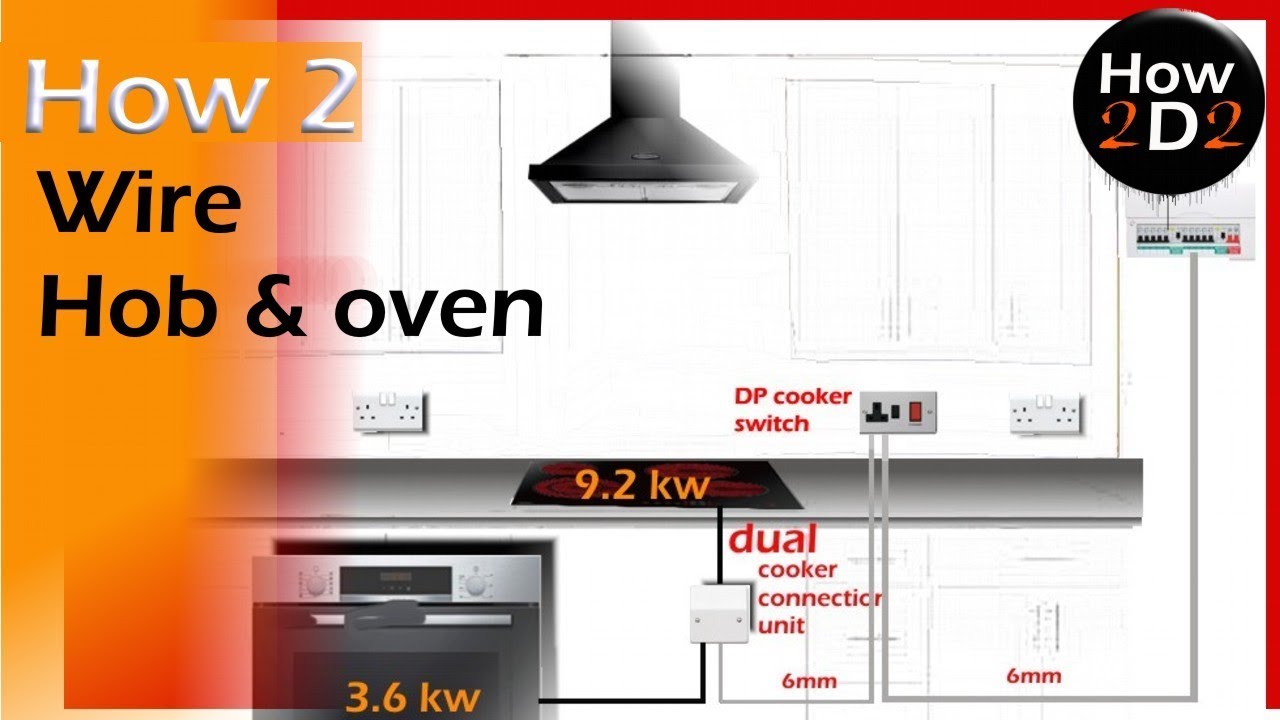
- Install a New Dedicated Circuit: This is the most reliable and recommended solution. Hire a qualified electrician to run a new circuit from your electrical panel to the appliance location. This ensures that each appliance has its own dedicated power supply.
- Upgrade Your Electrical Panel: If your electrical panel is old or doesn't have enough capacity to accommodate new circuits, you may need to upgrade it. This can be a significant expense, but it's often necessary when adding multiple high-power appliances.
- Consider a Gas Cooktop: Switching to a gas cooktop can reduce the electrical load, as only the ignition system requires electricity. However, this requires a gas line to be run to the cooktop location.
- Induction Cooktop Considerations: While induction cooktops are electric, they are often more energy-efficient than traditional electric cooktops. Research the specific wattage requirements of induction models before making a decision. Even energy-efficient models often need dedicated circuits.
Understanding Appliance Specifications and Requirements
Always refer to the manufacturer's specifications and installation instructions for your specific cooktop and wall oven models. These documents will provide crucial information about the required voltage, amperage, and wiring configuration.
Look for the following information:
- Voltage: Typically 240V for most cooktops and wall ovens.
- Amperage: The required amperage for the appliance.
- Wattage: The maximum power consumption of the appliance.
- NEMA Plug Type: The type of plug required for the appliance. This will determine the type of outlet needed.
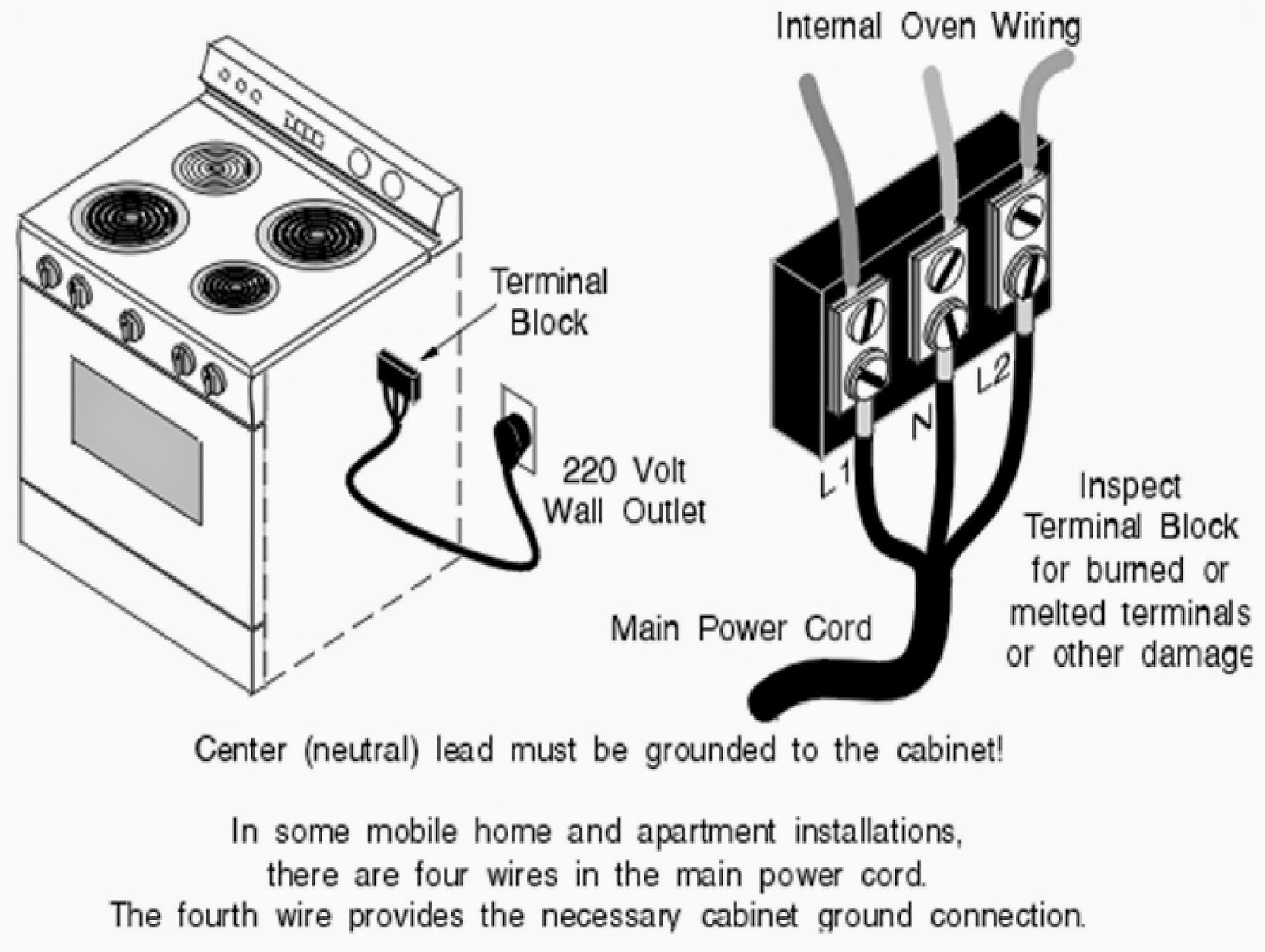
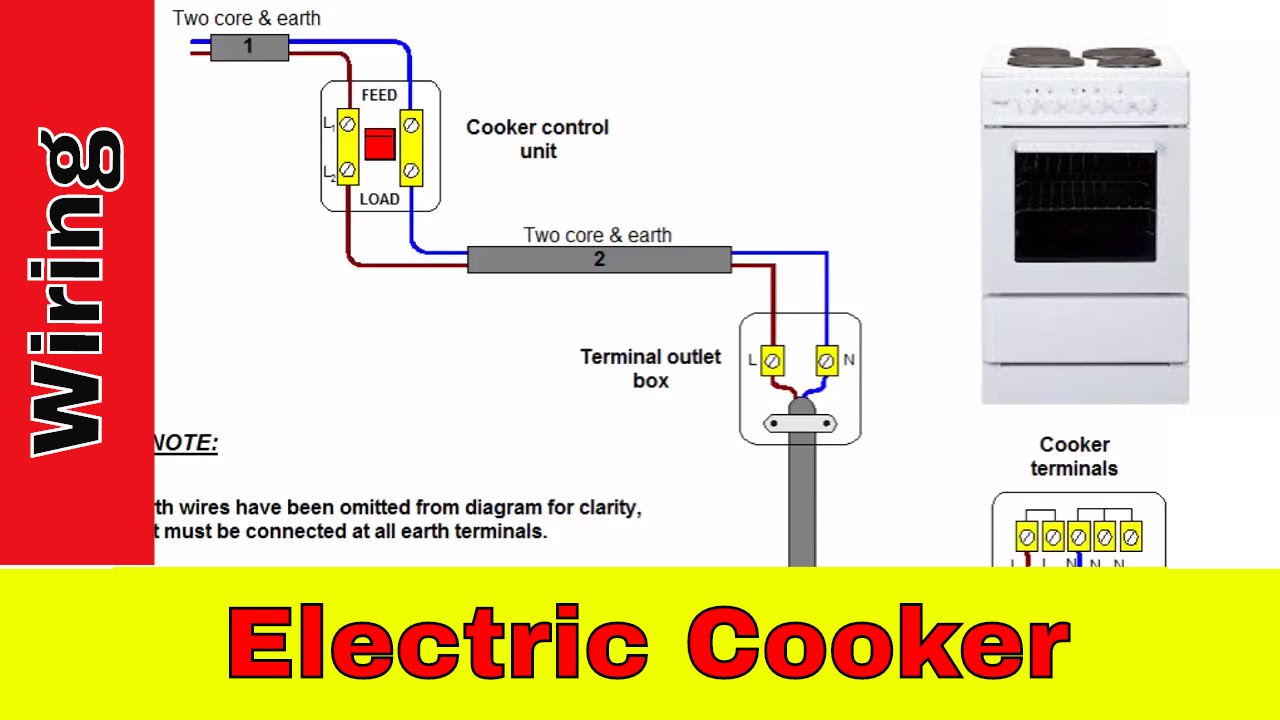
- Wiring Diagram: A diagram showing the correct wiring connections.
Choosing the Right Electrician
Working with electricity can be dangerous. Always hire a licensed and qualified electrician to perform any electrical work. An electrician can assess your existing electrical system, determine the appropriate circuit requirements for your appliances, and ensure that the wiring is done safely and correctly.
When choosing an electrician, consider the following:
- Licensing and Insurance: Verify that the electrician is licensed and insured in your area.
- Experience: Choose an electrician with experience in appliance wiring and kitchen renovations.
- References: Ask for references from previous clients.
- Estimate: Obtain a detailed written estimate before work begins.
Cost Considerations
The cost of installing a new circuit can vary depending on several factors, including:
- Distance from the electrical panel to the appliance location.
- Complexity of the wiring.
- Local labor rates.
- Permit fees.
Generally, you can expect to pay anywhere from $500 to $1500 or more to install a new dedicated circuit. Upgrading your electrical panel can cost several thousand dollars.
Conclusion: Prioritize Safety and Proper Installation
While running a cooktop and wall oven on the same circuit *might* be technically possible in certain limited situations, it's rarely the optimal or safest solution. Dedicated circuits are almost always the preferred choice, ensuring safe operation, optimal performance, and compliance with electrical codes. Always consult with a qualified electrician to assess your specific needs and determine the best course of action. Remember, prioritizing safety and proper installation is paramount when dealing with electrical systems.
Disclaimer: This article is intended for informational purposes only and should not be considered a substitute for professional electrical advice. Always consult with a qualified electrician before making any electrical changes to your home.



%2BIf%2Bthe%2Bcircuit%2Bwill%2Bbe%2Binstalled%2Busing%2BEMT%2Bor%2BRigid%2Bmetal%2Bconduit%2C%2Bthen%2Bno%2Bneed%2Bfor%2Bthe%2B4th%2Bequipment%2Bground%2Bwire%2Bfrom%2Bthe%2Belectrical%2Bpanel%2Bto%2Bthe%2B...wire_circuit.jpg)

