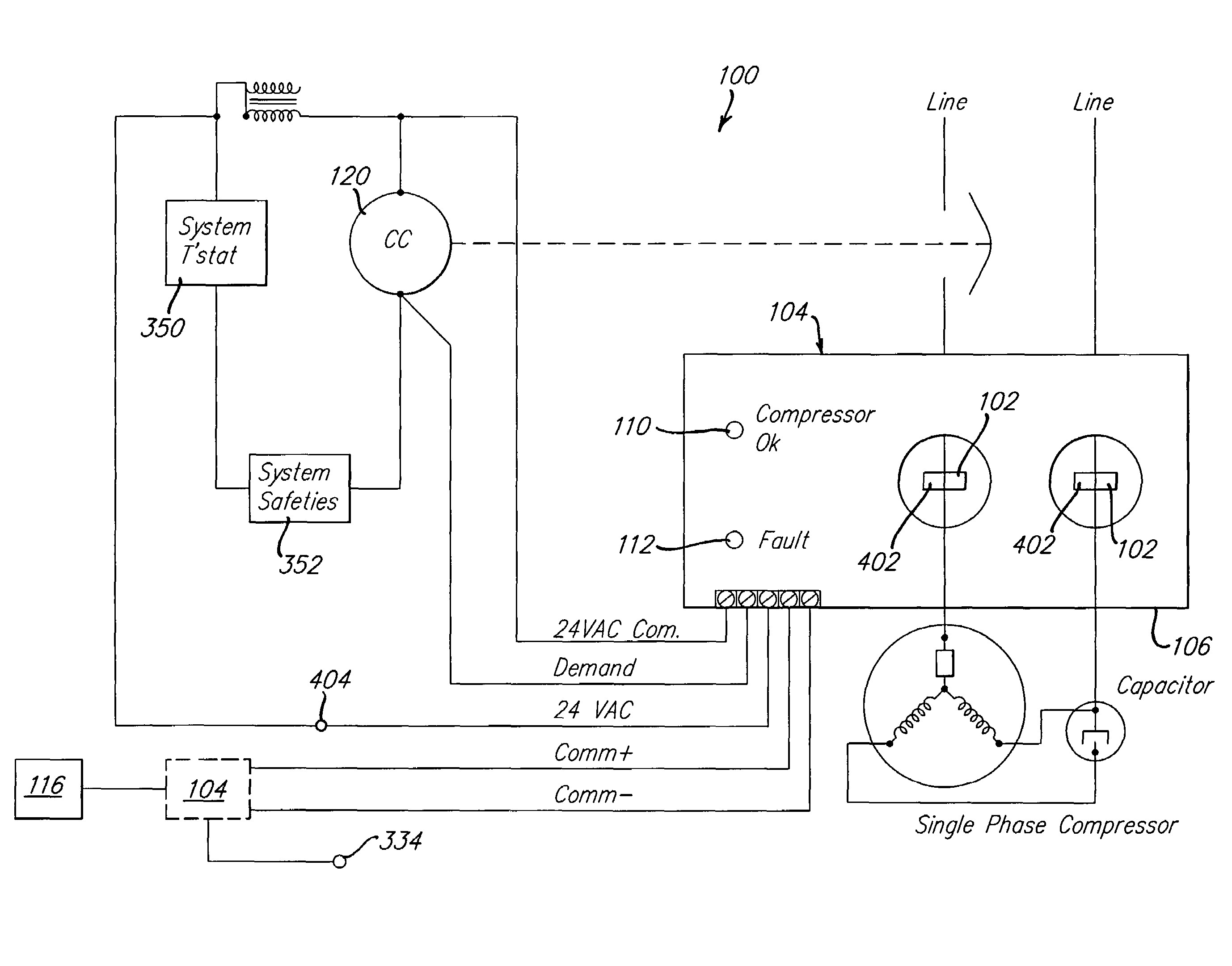
Copeland Single Phase Compressor Wiring Diagram
Understanding Copeland Single Phase Compressor Wiring Diagrams: A Comprehensive Guide
The Copeland compressor is a workhorse in the HVAC industry, known for its reliability and efficiency. A solid understanding of its wiring diagrams is crucial for HVAC technicians of all levels, from apprentices just starting out to seasoned professionals seeking advanced certifications. This article delves into the intricacies of Copeland single-phase compressor wiring, offering insights for students, experienced technicians, and employers alike.
Why Master Compressor Wiring?
Accurate diagnosis and repair of HVAC systems hinge on a technician's ability to interpret and apply wiring diagrams. Misinterpreting a diagram can lead to incorrect wiring, potentially damaging the compressor, the entire system, or even causing safety hazards. Mastering this skill translates to faster troubleshooting, reduced callbacks, and increased customer satisfaction.
Moreover, certifications like NATE (North American Technician Excellence) often include questions on compressor wiring. A strong grasp of the fundamentals will significantly improve your chances of passing certification exams and advancing your career.
Decoding the Single-Phase Wiring Diagram
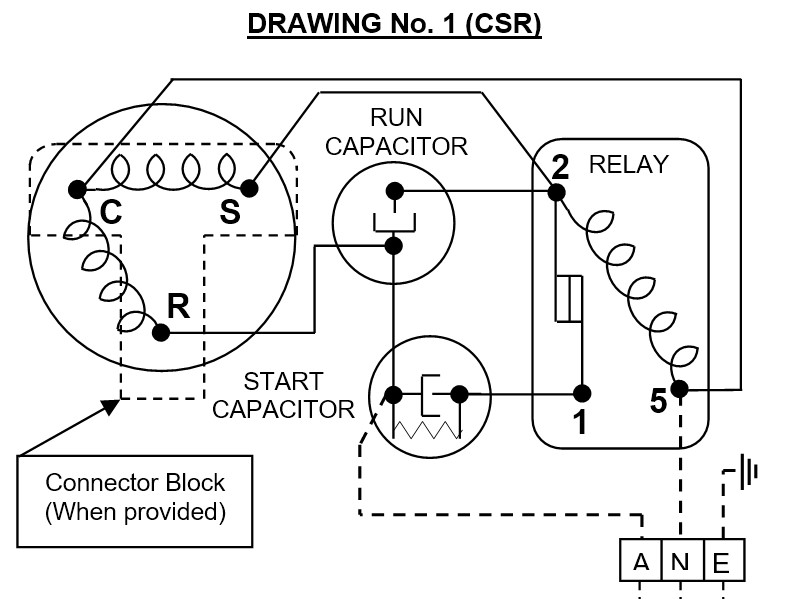
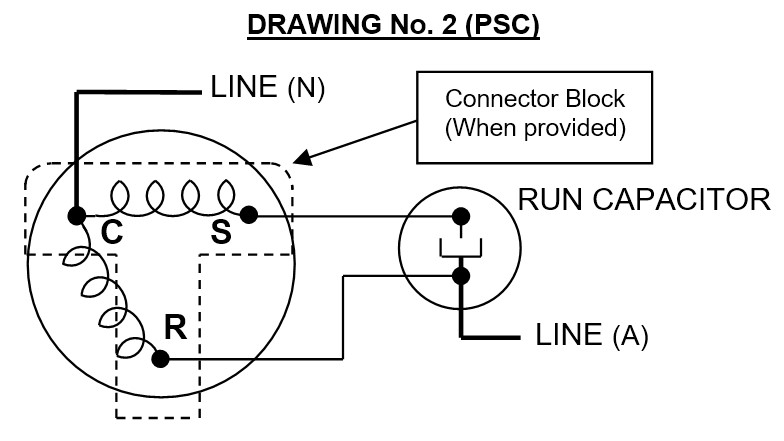
Single-phase Copeland compressors typically utilize a Permanent Split Capacitor (PSC) motor, a Capacitor Start Induction Run (CSIR) motor, or a Capacitor Start Capacitor Run (CSCR) motor. Each type has a distinct wiring configuration. Let's break down the key components and their connections.
A typical single-phase compressor wiring diagram will include:
- Compressor Terminals: Labeled as Common (C), Start (S), and Run (R). These terminals are crucial for connecting the power supply and start components.
- Overload Protector: This safety device protects the compressor motor from overheating due to excessive current. It's typically wired in series with the common terminal.
- Run Capacitor: Used in PSC and CSCR motors, the run capacitor improves the motor's efficiency and power factor. It's connected in series with the start winding.
- Start Capacitor: Found in CSIR and CSCR motors, the start capacitor provides a boost of torque during startup. It's typically connected in series with the start winding and a potential relay or current relay.
- Potential Relay or Current Relay: These relays disconnect the start capacitor from the circuit once the motor reaches a certain speed. Potential relays are voltage-sensitive, while current relays are current-sensitive. The wiring will differ depending on the type of relay used.
- Line Voltage: Indicates the required voltage for the compressor (e.g., 115V, 208-230V).
Reading the Diagram: Step-by-Step
- Identify the Compressor Type: Determine if the compressor uses a PSC, CSIR, or CSCR motor. The presence and configuration of capacitors will usually indicate this.
- Locate the Terminals: Find the Common (C), Start (S), and Run (R) terminals on the diagram and the compressor itself.
- Trace the Wiring: Follow the lines on the diagram to see how each component is connected to the terminals. Pay close attention to the placement of the overload protector, capacitors, and relays.
- Verify the Voltage: Ensure that the line voltage shown on the diagram matches the voltage of the power supply.
Common Wiring Mistakes to Avoid
Incorrect wiring can lead to compressor failure and system damage. Here are some common mistakes to watch out for:
- Incorrect Terminal Connections: Connecting the power supply to the wrong terminals (e.g., connecting the line voltage to the Start terminal instead of the Common terminal).
- Reversed Capacitor Connections: Reversing the polarity of an electrolytic capacitor can cause it to explode.
- Bypassing the Overload Protector: Bypassing the overload protector can lead to the compressor overheating and failing.
- Using the Wrong Capacitor Values: Using capacitors with incorrect microfarad (µF) or voltage ratings can damage the compressor.
Tools and Resources for Compressor Wiring
Several tools and resources can aid in understanding and troubleshooting compressor wiring:
- Multimeter: Essential for checking voltage, current, and resistance in the circuit.
- Capacitance Meter: Used to measure the capacitance of capacitors to ensure they are within the correct range.
- Wiring Diagrams: Always refer to the specific wiring diagram for the compressor model you are working on. These diagrams are typically found inside the unit's control panel or online.
- Online Resources: Copeland provides a wealth of information on their website, including wiring diagrams, technical manuals, and troubleshooting guides. Websites like HVAC-Talk and other industry forums offer valuable discussions and advice from experienced technicians.
Career Paths and the Importance of Certification
A strong understanding of compressor wiring opens doors to various career paths in the HVAC industry. Here are a few examples:
- HVAC Technician: Diagnose, repair, and maintain HVAC systems in residential, commercial, and industrial settings. According to the Bureau of Labor Statistics, the median annual wage for HVAC technicians was $51,390 in May 2022. The job outlook is projected to grow 6 percent from 2022 to 2032, about as fast as the average for all occupations.
- HVAC Installer: Install new HVAC systems in buildings. This role often requires knowledge of electrical wiring and plumbing.
- HVAC Service Manager: Oversee a team of HVAC technicians, ensuring that service calls are handled efficiently and effectively.
- HVAC Sales Engineer: Design and sell HVAC systems to commercial and industrial clients.
Certifications: Boosting Your Earning Potential
Earning industry certifications like NATE and the EPA Section 608 certification can significantly boost your earning potential and career prospects. NATE certification demonstrates your expertise and commitment to quality, while the EPA 608 certification is required for handling refrigerants. Salaries for certified technicians are often higher than those for non-certified technicians. For example, a NATE-certified technician might earn 10-20% more than a non-certified technician with similar experience.
The EPA 608 certification comes in four types: Type I (small appliances), Type II (high-pressure appliances), Type III (low-pressure appliances), and Universal (covers all three). Choosing the right type depends on the equipment you will be working on.
Real-World Example: Troubleshooting a Compressor Issue
Imagine you receive a service call for a residential air conditioner that's not cooling. Upon inspection, you discover that the compressor is humming but not starting. Using your knowledge of compressor wiring, you can systematically troubleshoot the issue:
- Check the Voltage: Verify that the correct voltage is being supplied to the compressor.
- Inspect the Capacitors: Use a capacitance meter to check the run and start capacitors. If either capacitor is faulty, replace it.
- Test the Relay: Check the potential or current relay to see if it's functioning correctly. If the relay is not closing or opening properly, replace it.
- Check the Overload Protector: Ensure that the overload protector is not tripped. If it is, investigate the cause of the overload before resetting it.
- Inspect the Wiring: Look for loose or corroded connections that could be causing a voltage drop.
By following these steps, you can quickly identify the root cause of the problem and restore the air conditioner to proper working order.
The Future of HVAC and Compressor Technology
The HVAC industry is constantly evolving, with new technologies and regulations emerging all the time. One major trend is the increasing use of variable-speed compressors, which offer improved energy efficiency and comfort. These compressors often use more complex electronic controls, requiring technicians to have a deeper understanding of electronics and programming.
Another trend is the shift towards more environmentally friendly refrigerants with lower global warming potential (GWP). Technicians need to stay up-to-date on the latest refrigerant regulations and handling procedures.
Conclusion
Mastering Copeland single-phase compressor wiring diagrams is an essential skill for any HVAC professional. By understanding the fundamentals of compressor wiring, you can improve your troubleshooting skills, increase your earning potential, and advance your career in this dynamic and rewarding industry. Embrace continuous learning, stay updated on the latest technologies, and pursue industry certifications to become a highly sought-after HVAC expert.


.jpg)