
Copper Tubing Used In Refrigeration Systems
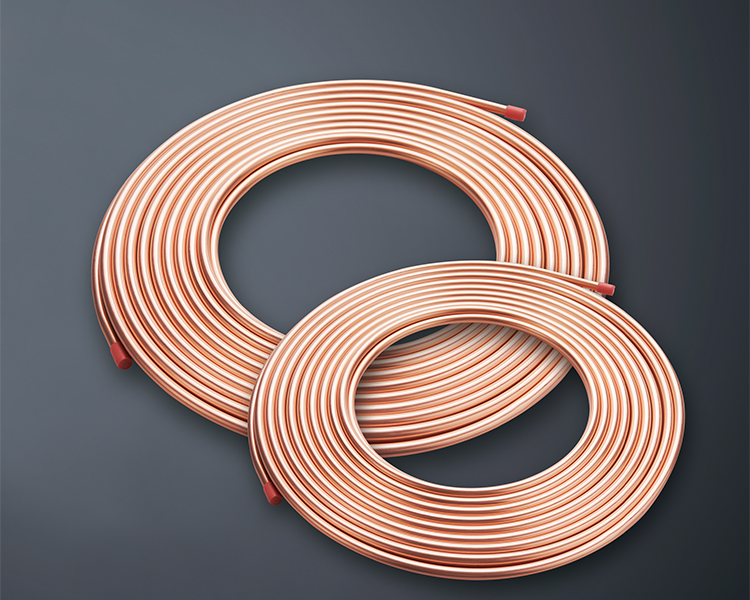
For homeowners, businesses, and contractors alike, the quest for energy efficiency is a never-ending pursuit. One critical, often-overlooked component in achieving this goal is the unsung hero of refrigeration systems: copper tubing. While seemingly simple, the quality and proper installation of copper tubing directly impact the performance, longevity, and energy consumption of your HVAC and refrigeration units.
Why Copper Reigns Supreme in Refrigeration
For decades, copper has been the industry standard for refrigerant lines, and for good reason. Its unique combination of properties makes it ideal for handling the demands of modern cooling systems. Let's delve into the specific advantages:
Superior Thermal Conductivity
Copper boasts exceptional thermal conductivity. This means it efficiently transfers heat, allowing refrigerant to absorb heat from inside a building and release it outside. This efficiency translates directly into lower energy bills. Compared to aluminum, another potential material, copper's thermal conductivity is significantly higher – roughly 60% greater. This difference becomes especially noticeable in larger systems or in climates with extreme temperatures. Imagine trying to cool your home on a sweltering summer day; the more efficiently the heat is extracted, the less your compressor strains, and the lower your electricity bill becomes.
High Corrosion Resistance
Refrigerants can be corrosive, especially when moisture is present. Copper naturally resists corrosion from most refrigerants and atmospheric conditions, ensuring a long lifespan and preventing leaks. Leaks not only reduce system efficiency, forcing the compressor to work harder, but also release harmful refrigerants into the atmosphere. Choosing high-quality copper tubing minimizes this risk, protecting both your wallet and the environment. The Environmental Protection Agency (EPA) strongly encourages proper leak detection and prevention as part of responsible refrigerant management.
Durability and Malleability
Copper is incredibly durable and can withstand high pressures and temperatures. It's also malleable, allowing it to be easily bent and shaped to fit complex HVAC system layouts. This ease of installation reduces labor costs and minimizes the risk of kinks or breaks that could lead to refrigerant leaks. Think of the intricate network of pipes within a commercial building. Copper’s ability to be easily manipulated is critical to installing complex and customized HVAC systems.
Antimicrobial Properties
Copper has inherent antimicrobial properties, inhibiting the growth of bacteria and mold. This is particularly important in HVAC systems, where condensation can create a breeding ground for these organisms. By using copper tubing, you can improve indoor air quality and reduce the risk of respiratory problems. This is a major selling point for HVAC contractors offering solutions to hospitals, schools, and other environments where air quality is paramount.
The Different Types of Copper Tubing
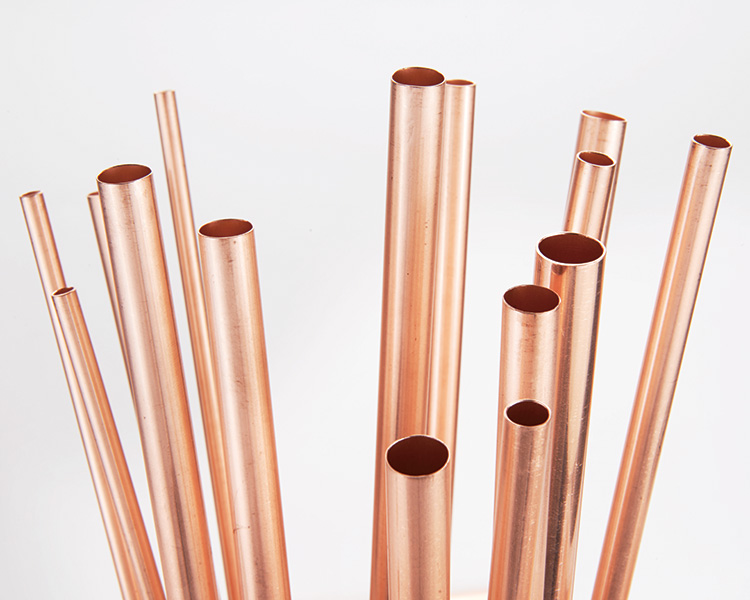
Not all copper tubing is created equal. Understanding the different types is essential for selecting the right material for your specific application. Here's a breakdown of the most common types:
Type L Copper
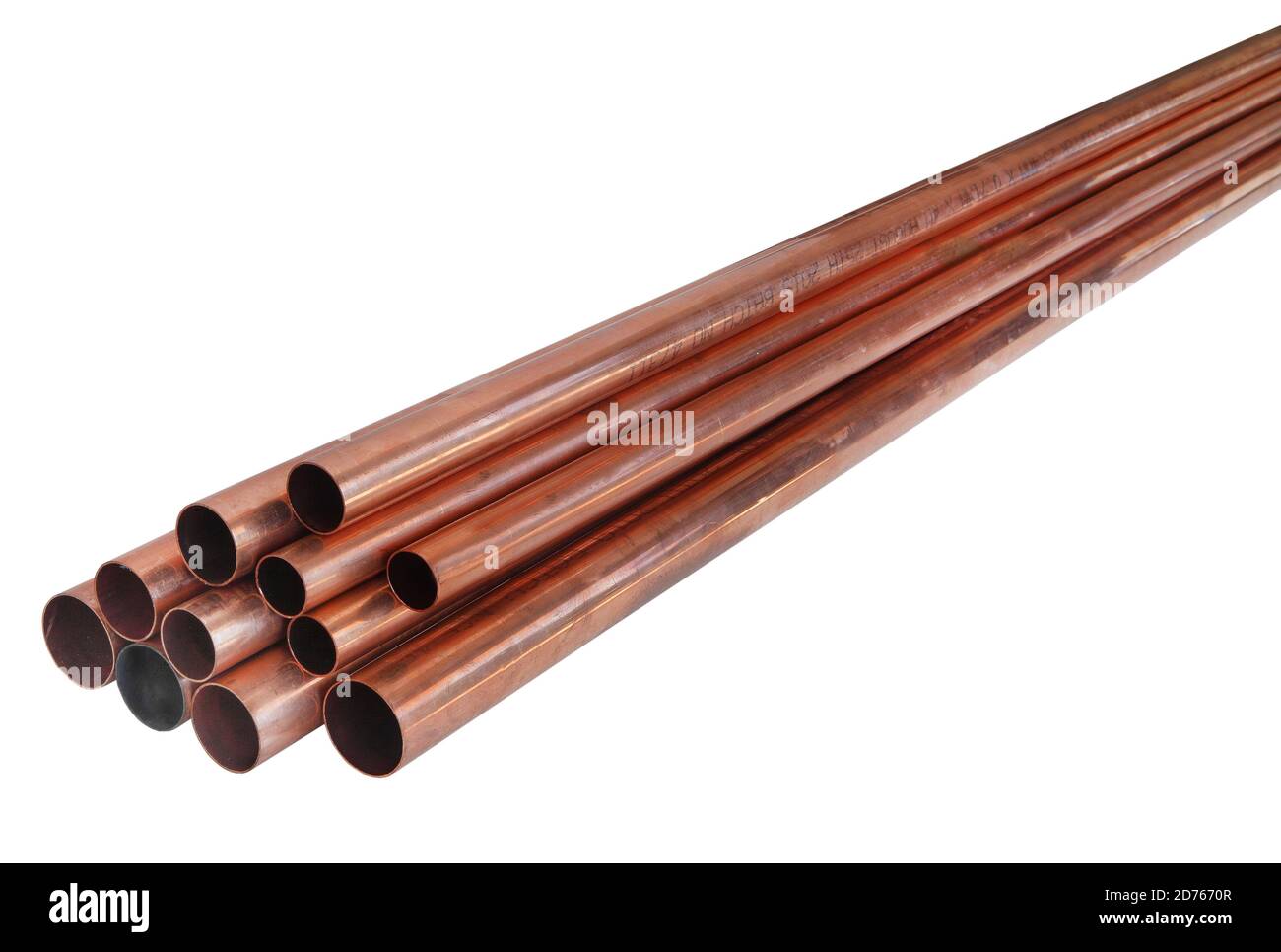
Type L copper is a medium-weight copper tubing, offering a good balance of strength and affordability. It's commonly used for general plumbing and HVAC applications, including refrigerant lines. It's thicker than Type M, providing increased pressure resistance.
Type K Copper
Type K copper is the heaviest and thickest type of copper tubing. It’s the most durable and offers the highest pressure rating. This makes it ideal for underground installations, high-pressure refrigerant lines, and other demanding applications. Due to its higher cost, it's typically reserved for specialized uses.
Type M Copper
Type M copper is the thinnest and least expensive type of copper tubing. While suitable for some plumbing applications, it's generally not recommended for refrigerant lines due to its lower pressure rating. Using Type M in a refrigeration system can lead to premature failure and costly repairs.
ACR Copper Tubing
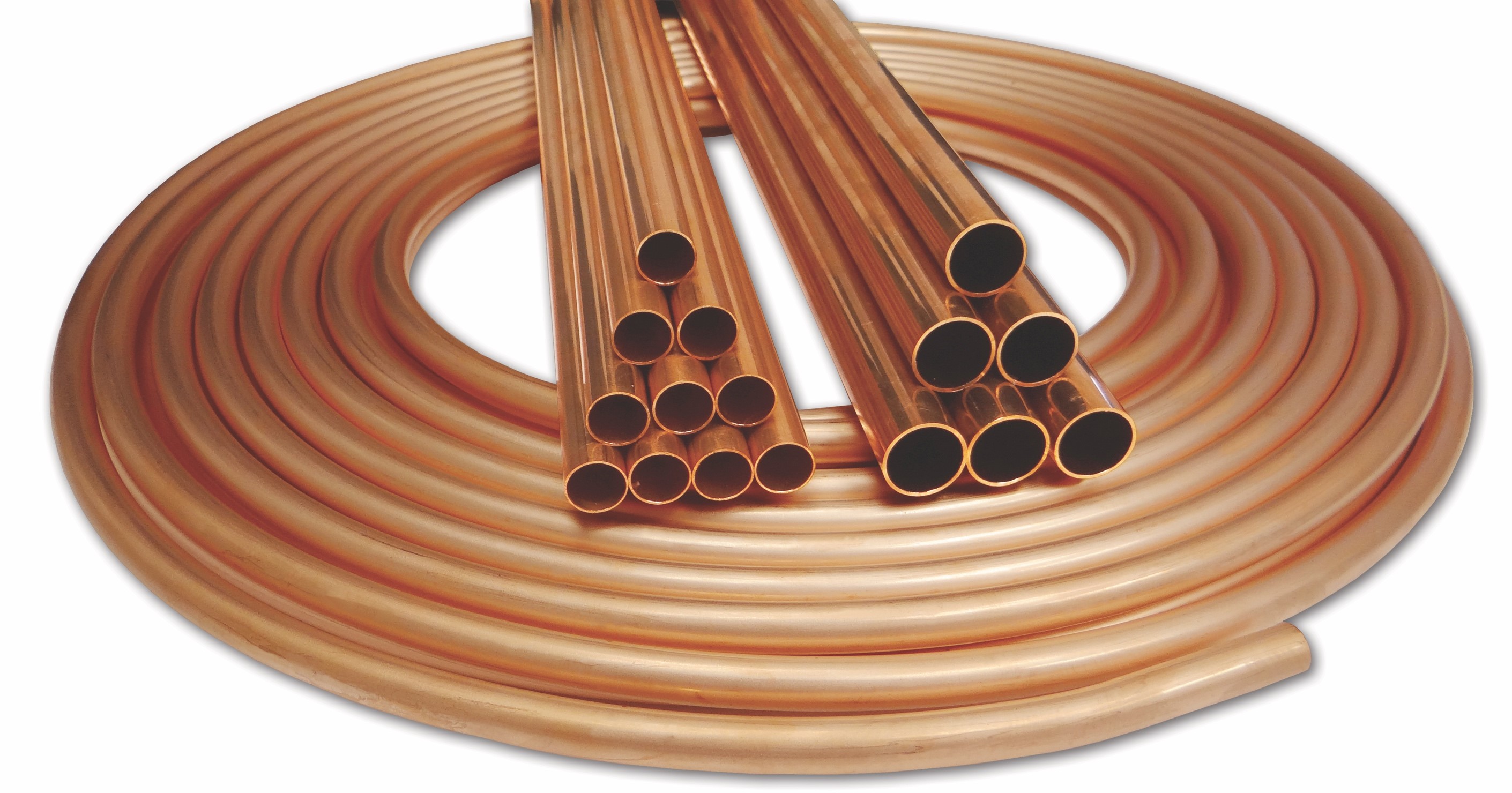
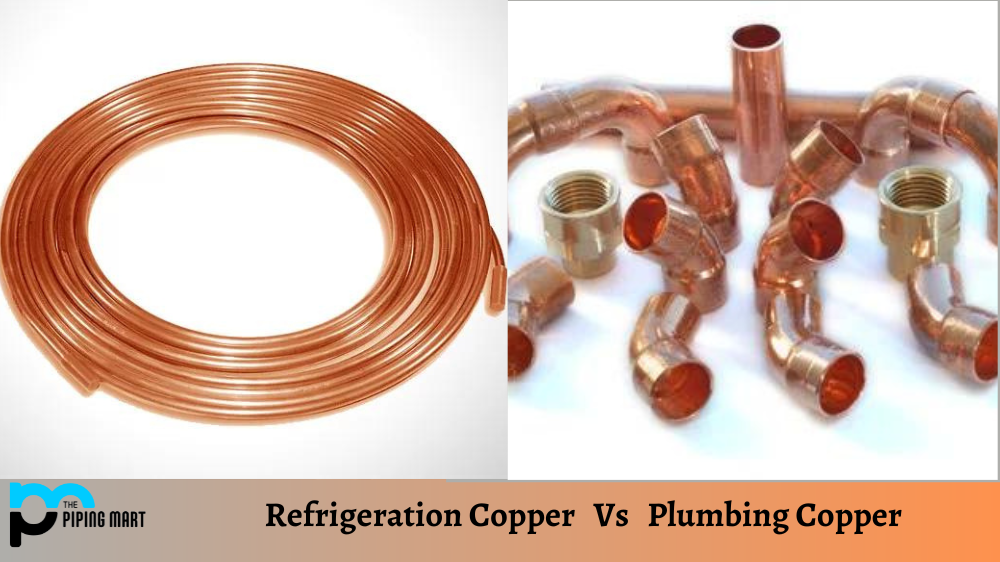
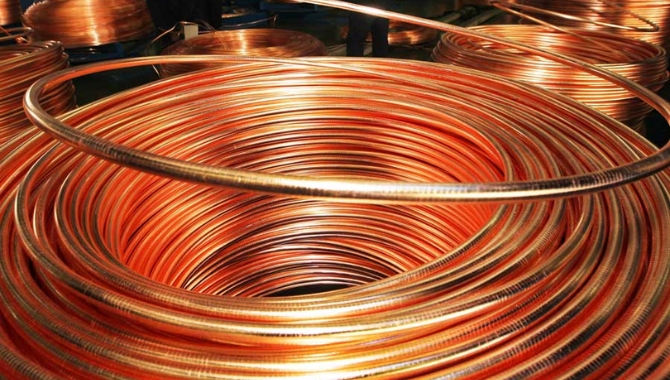
Specifically designed for air conditioning and refrigeration systems, ACR (Air Conditioning and Refrigeration) copper tubing is cleaned, dried, and capped to prevent contamination. This is crucial for maintaining the integrity of the refrigerant and preventing system failures. ACR copper often comes in coils, making it easier to install in tight spaces. Always insist on ACR copper for your HVAC system to ensure optimal performance and longevity.
Installation Best Practices for Copper Tubing
Even the highest quality copper tubing won't perform optimally if it's not installed correctly. Following these best practices is essential for maximizing energy efficiency and preventing leaks:
- Proper Sizing: Using the correct diameter of copper tubing is critical. Undersized tubing restricts refrigerant flow, reducing cooling capacity and increasing energy consumption. Oversized tubing can lead to inefficient oil return to the compressor, causing premature wear and tear. Consult with an HVAC professional to determine the appropriate size for your system.
- Cleanliness: Ensure the inside of the copper tubing is clean and free of debris before installation. Contaminants can react with the refrigerant, forming acids that corrode the system and reduce its efficiency. Use a proper tubing cutter to avoid creating burrs that can obstruct flow.
- Proper Brazing: Brazing is the process of joining copper tubes using a filler metal. Proper brazing techniques are crucial for creating strong, leak-free joints. Use a nitrogen purge during brazing to prevent oxidation, which can weaken the joint. Invest in training for your HVAC technicians to ensure they are proficient in brazing techniques.
- Insulation: Insulating refrigerant lines prevents heat gain or loss, maximizing energy efficiency. Use high-quality insulation specifically designed for refrigerant lines. Ensure the insulation is properly sealed to prevent moisture intrusion, which can degrade its performance.
- Leak Testing: After installation, pressure test the refrigerant lines to ensure there are no leaks. Use a nitrogen pressure test followed by a vacuum test to verify the system is airtight. This is a crucial step in preventing refrigerant leaks and ensuring optimal system performance.
ROI and Energy Savings: The Copper Advantage
While copper tubing might seem like a small part of a larger HVAC system, its impact on energy efficiency and cost savings is significant. Here's how:
- Reduced Energy Consumption: Efficient heat transfer minimizes the workload on the compressor, resulting in lower energy bills. A well-designed and properly installed copper tubing system can reduce energy consumption by 5-10% compared to systems with undersized or poorly installed lines.
- Extended System Lifespan: Corrosion resistance and durability contribute to a longer system lifespan, reducing the need for costly repairs and replacements. A copper system, properly maintained, can last for decades.
- Lower Maintenance Costs: Fewer leaks and system failures translate to lower maintenance costs over the life of the system. Regular inspections and preventative maintenance can further extend the lifespan of your copper tubing system.
- Increased Property Value: Investing in energy-efficient HVAC systems, including high-quality copper tubing, can increase the value of your home or business. Buyers are increasingly willing to pay a premium for properties with energy-efficient features.
Furthermore, many utility companies offer rebates and incentives for installing energy-efficient HVAC systems. Check with your local utility provider to see if you qualify for any rebates. The Energy Star program also provides information and resources on energy-efficient HVAC systems.
Smart Home Integration: Maximizing Copper's Potential
Integrating your HVAC system with a smart thermostat and sensors can further enhance energy efficiency and optimize the performance of your copper tubing system. Smart thermostats learn your heating and cooling preferences and automatically adjust the temperature to save energy. Sensors can monitor room temperature and occupancy, allowing the system to only heat or cool occupied spaces. This combination ensures that your copper tubing system is working as efficiently as possible, minimizing energy waste and maximizing comfort. Imagine a scenario where a sensor detects an empty room and automatically reduces the airflow to that zone. This is the power of smart home integration combined with the efficiency of copper tubing.
Choosing the Right HVAC Contractor
Selecting a qualified and experienced HVAC contractor is essential for ensuring proper copper tubing installation and system performance. Look for a contractor with the following qualifications:
- Proper Licensing and Insurance: Ensure the contractor is properly licensed and insured to protect yourself from liability.
- Experience and Expertise: Choose a contractor with a proven track record of installing and maintaining copper tubing systems. Ask for references and check online reviews.
- Knowledge of Energy-Efficient Technologies: Select a contractor who is knowledgeable about the latest energy-efficient HVAC technologies and can recommend the best solutions for your needs.
- Commitment to Quality: Look for a contractor who is committed to using high-quality materials and following best installation practices.
Conclusion: Investing in Copper is Investing in Efficiency
While other materials may emerge as alternatives, copper tubing remains the gold standard for refrigeration systems due to its unmatched thermal conductivity, corrosion resistance, durability, and antimicrobial properties. By understanding the different types of copper tubing, following proper installation practices, and integrating your system with smart home technology, you can maximize energy efficiency, reduce costs, and create a more comfortable and sustainable environment. Investing in high-quality copper tubing is an investment in the long-term performance and efficiency of your HVAC system.


.jpg)