Corner Ventless Gas Fireplace With Blower
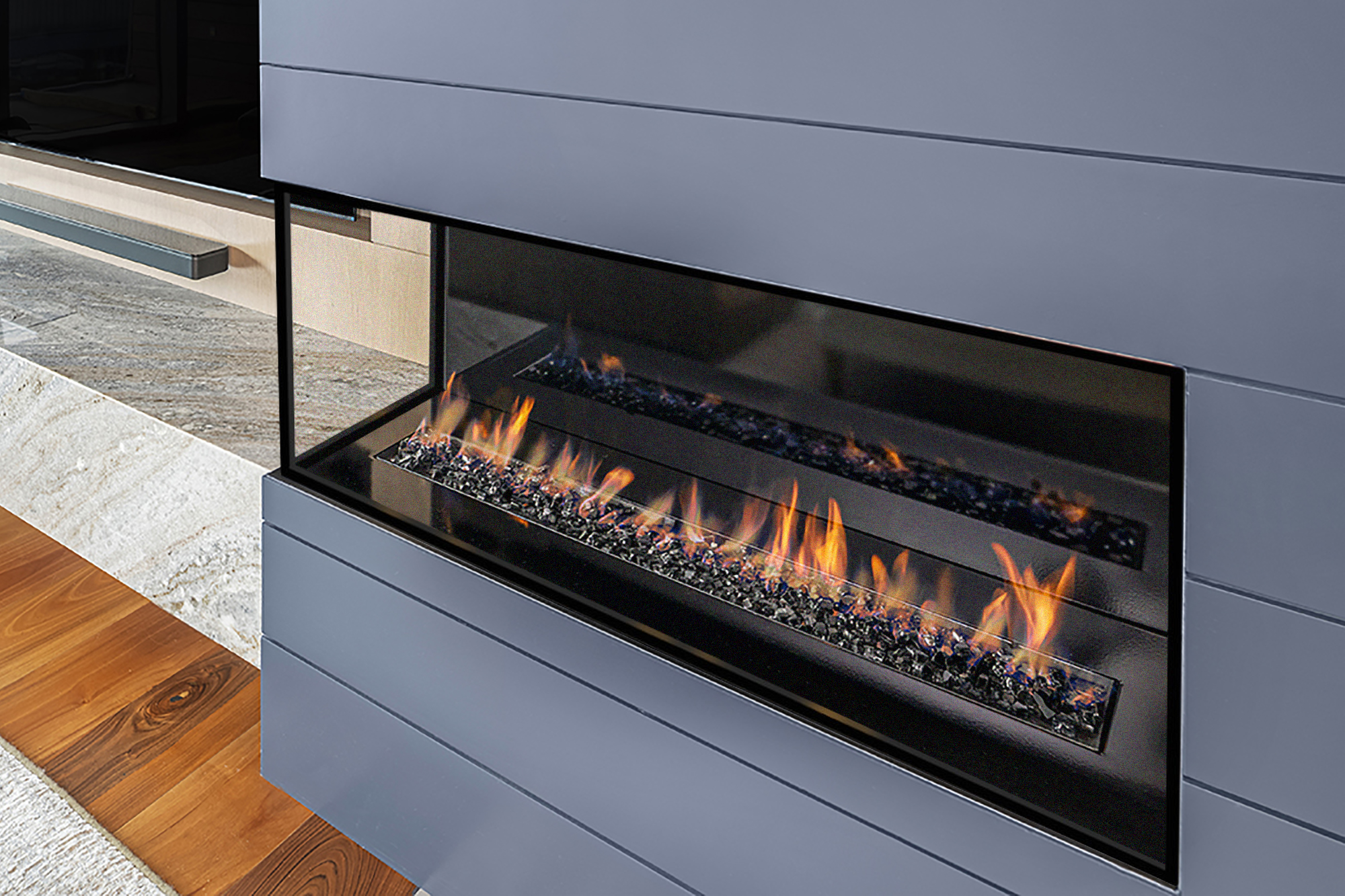
A corner ventless gas fireplace with a blower is a fantastic option for adding warmth and ambiance to your home without the need for a traditional chimney. This guide provides a comprehensive overview of these fireplaces, covering their operation, benefits, installation considerations, safety features, and maintenance requirements. We'll break down the technical aspects in an easy-to-understand manner, helping you determine if a corner ventless gas fireplace with a blower is the right choice for you.
What is a Corner Ventless Gas Fireplace?
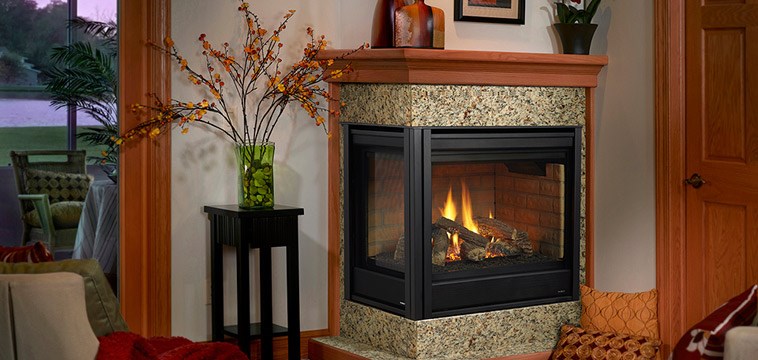
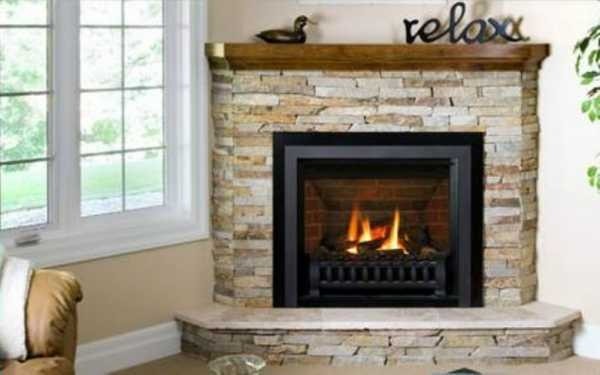
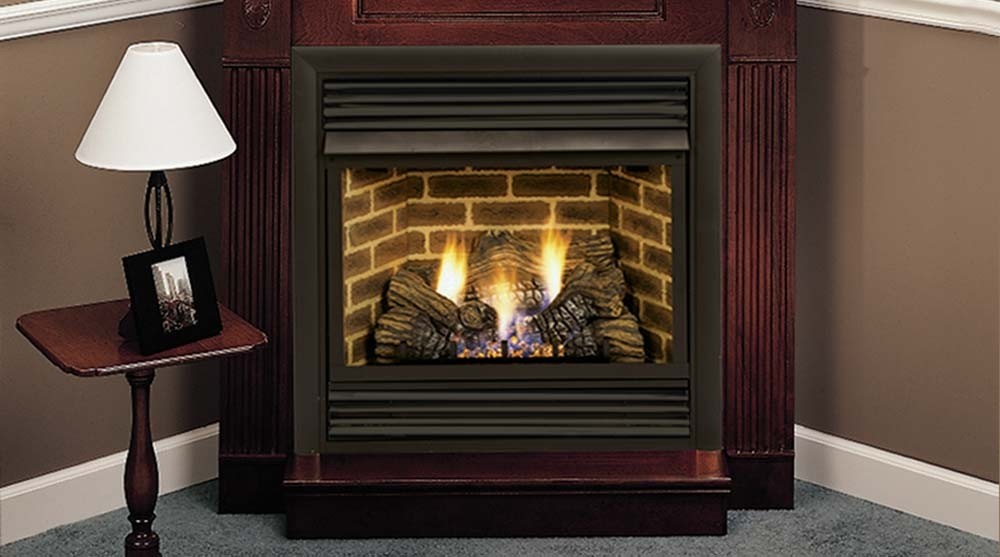
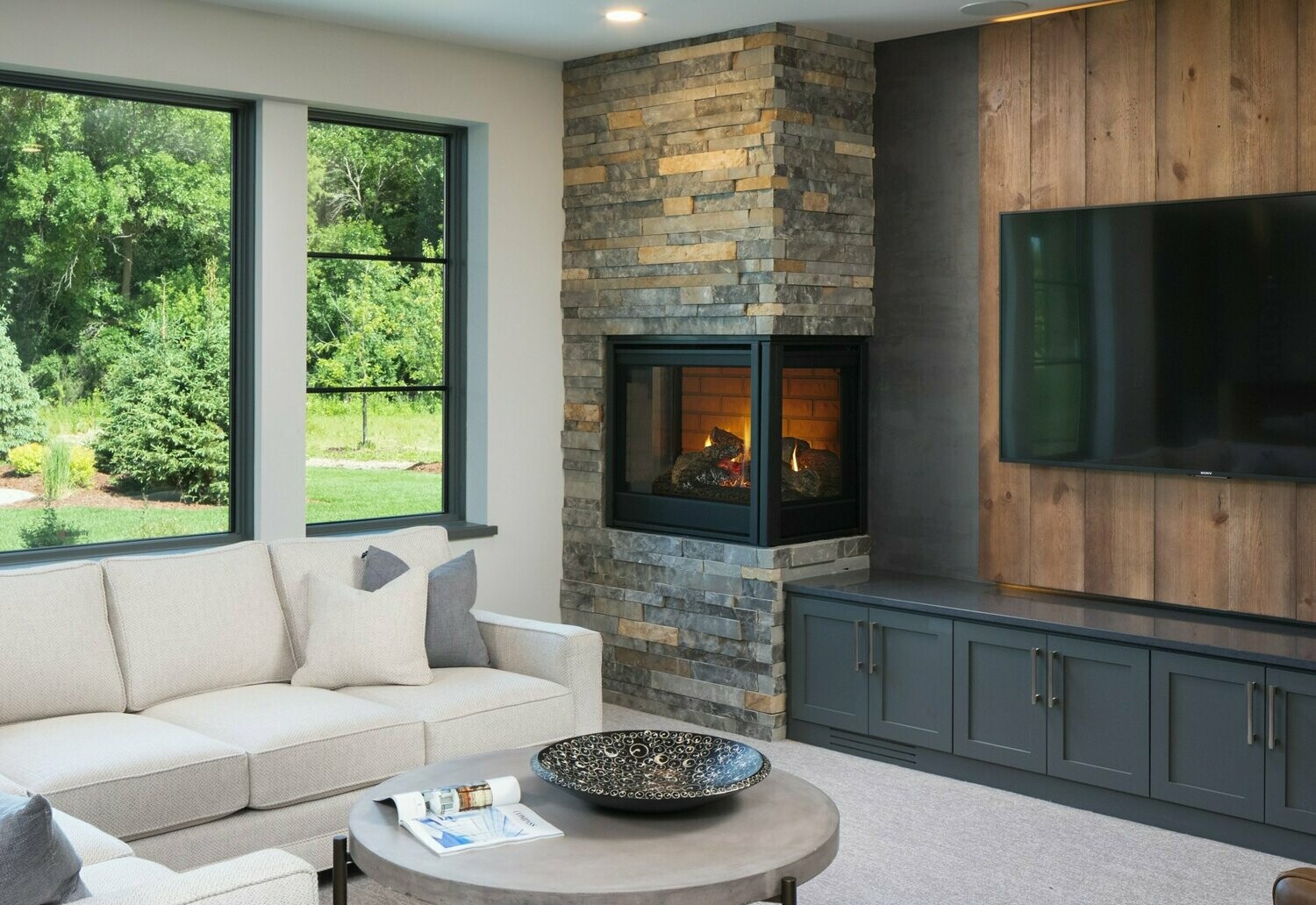
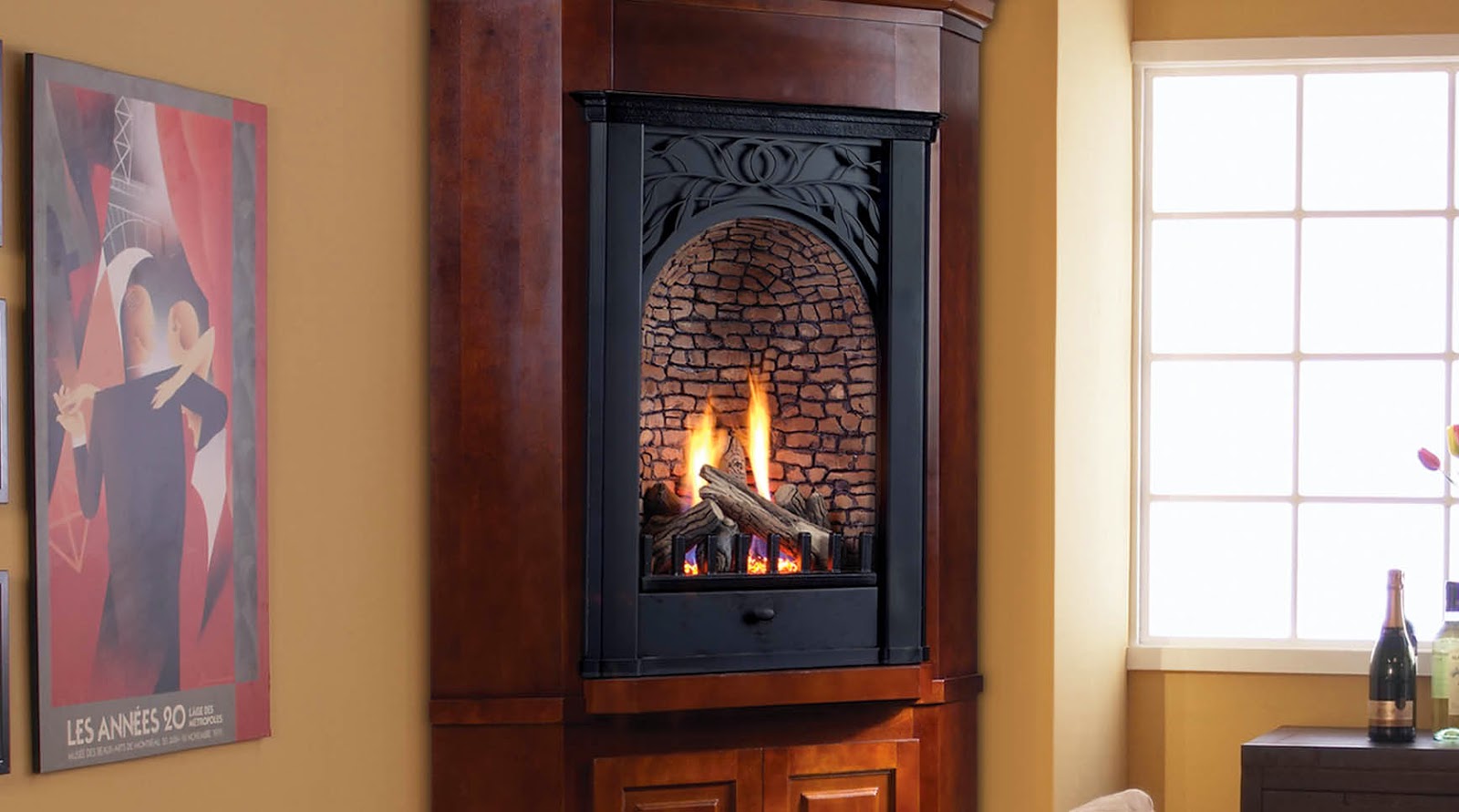
Let's start with the basics. A corner ventless gas fireplace is designed to fit neatly into a corner of a room, maximizing space and creating a focal point. The "ventless" aspect is crucial: these fireplaces don't require a chimney or flue to exhaust combustion gases. Instead, they use advanced technology to burn gas very efficiently, minimizing harmful emissions.
Key characteristics of a corner ventless gas fireplace:
- Corner design: Specifically designed to fit in corners, optimizing space.
- Ventless: Doesn't require a chimney or flue.
- Gas-powered: Uses natural gas or propane as fuel.
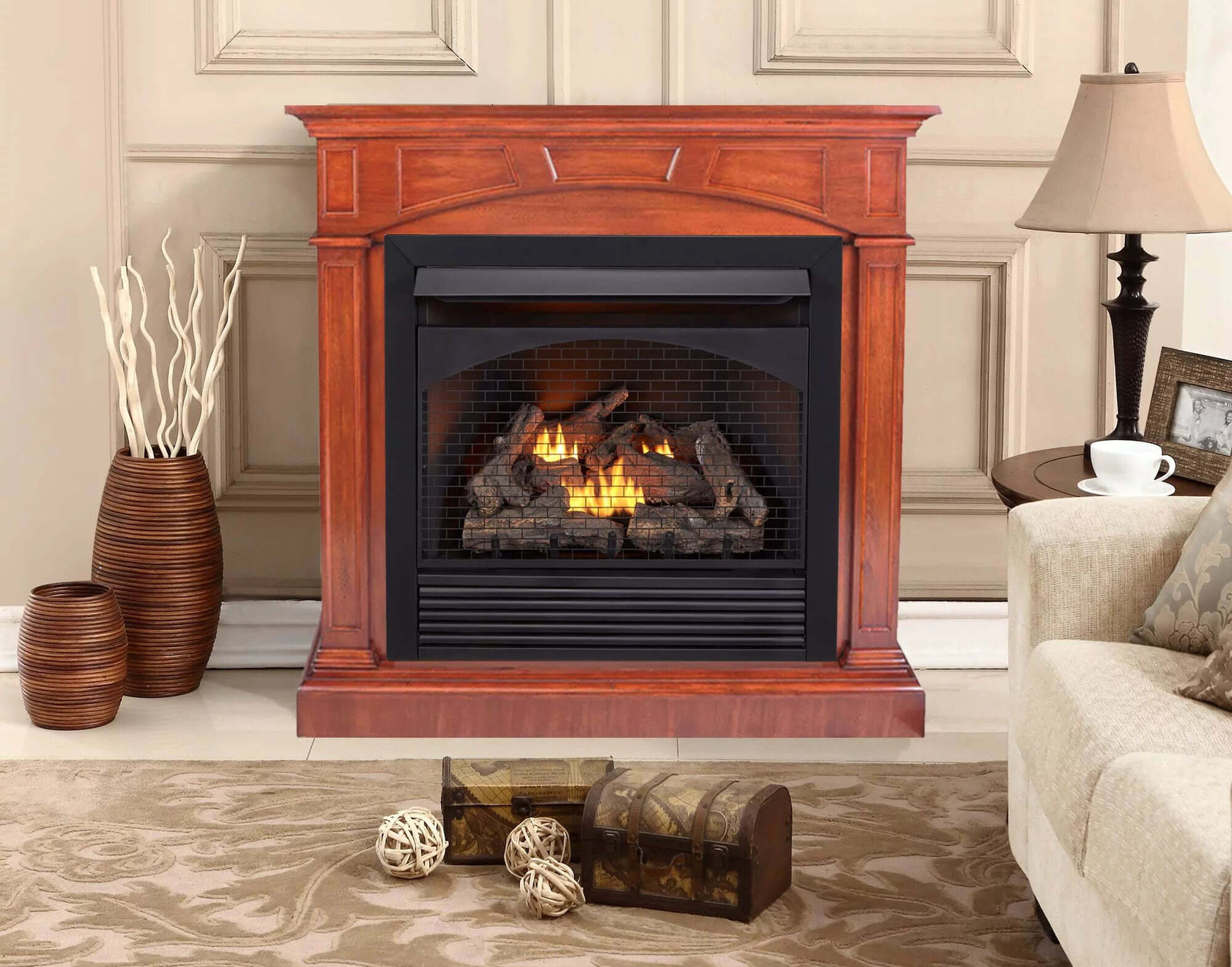
- Realistic flame: Mimics the look and feel of a traditional wood-burning fireplace.
The Blower Advantage
Many ventless gas fireplaces come equipped with a blower, also known as a fan. This is an important feature to consider. The blower circulates warm air more effectively throughout the room, making the fireplace a more efficient heating source. Without a blower, the heat tends to radiate directly upwards, concentrating warmth in the immediate vicinity.
Think of the blower as a miniature HVAC system, helping to distribute heat more evenly. It increases the fireplace's heating capacity and allows you to warm a larger area.
How Does a Ventless Gas Fireplace Work?
Understanding the inner workings of a ventless gas fireplace is essential for safe and efficient operation.
Here's a simplified explanation:
- Gas Supply: The fireplace is connected to a natural gas line or a propane tank.
- Ignition: An electronic ignition system or a pilot light ignites the gas.
- Combustion: The gas burns, producing heat and flames.
- Oxygen Depletion Sensor (ODS): A critical safety feature. The ODS constantly monitors the oxygen levels in the room. If the oxygen level drops too low, indicating incomplete combustion and potential carbon monoxide buildup, the ODS automatically shuts off the gas supply to the fireplace.
- Catalytic Converter (in some models): Some models include a catalytic converter, further reducing emissions by converting carbon monoxide into carbon dioxide and water vapor.
- Heat Distribution: The heat generated by the flames radiates into the room. The blower then circulates this warm air, distributing it more evenly.
The Importance of the Oxygen Depletion Sensor (ODS)
We can't stress this enough: the ODS is a vital safety component. It's designed to protect you from carbon monoxide poisoning. Carbon monoxide is a colorless, odorless gas that can be deadly. Regular inspection and maintenance of the ODS are crucial.
Benefits of a Corner Ventless Gas Fireplace with Blower
Choosing a corner ventless gas fireplace with a blower offers several advantages:
- Space-saving Design: The corner design maximizes floor space.
- No Chimney Required: Eliminates the need for expensive chimney construction or renovation.
- Easy Installation: Generally easier and less expensive to install than vented fireplaces.
- Energy Efficiency: Ventless fireplaces are typically more energy-efficient than vented models because all the heat stays in the room.
- Supplemental Heating: Provides supplemental heat to reduce reliance on your central heating system.
- Aesthetic Appeal: Adds warmth and ambiance to your living space.
- Zone Heating: Allows you to heat only the room you're using, saving energy and money.
- Convenience: No wood to chop, stack, or clean up.
Installation Considerations
While installation is generally simpler than with vented fireplaces, there are still important considerations.
- Professional Installation Recommended: Although some homeowners may attempt DIY installation, it's strongly recommended to hire a qualified professional. They can ensure proper gas line connections, ventilation, and adherence to local building codes.
- Gas Line Connection: A gas line must be run to the fireplace location. This is a job for a licensed gas fitter.
- Clearances: Maintain proper clearances from combustible materials, such as furniture, curtains, and wall coverings. Consult the manufacturer's instructions for specific clearance requirements.
- Room Size: Ventless fireplaces are designed for specific room sizes. Using a fireplace that's too large for the room can lead to oxygen depletion and carbon monoxide buildup. Carefully review the manufacturer's recommendations for room size.
- Ventilation: While ventless fireplaces don't require a chimney, adequate ventilation is still essential. The manufacturer's instructions will specify the minimum room size and may recommend opening a window slightly to provide fresh air.
- Local Codes and Regulations: Check with your local building department to ensure that ventless gas fireplaces are permitted in your area and to obtain any necessary permits. Some jurisdictions have restrictions or outright bans on ventless appliances.
- Electrical Outlet: The blower requires an electrical outlet to operate. Ensure that there is a readily accessible outlet near the fireplace location.
Safety Features and Precautions
Safety is paramount when operating any gas-burning appliance. Here are some crucial safety features and precautions:
- Oxygen Depletion Sensor (ODS): As mentioned earlier, the ODS is the primary safety device. Never tamper with or disable the ODS.
- Carbon Monoxide Detector: Install a carbon monoxide detector in the room where the fireplace is located. Test the detector regularly and replace the batteries as needed.
- Regular Inspection: Inspect the fireplace regularly for any signs of damage or malfunction. Check the gas line connections for leaks and the burner for proper operation.
- Professional Maintenance: Schedule annual maintenance with a qualified technician. They can inspect the fireplace, clean the burner, and ensure that all safety features are functioning correctly.
- Never Leave Unattended: Never leave the fireplace unattended, especially when children or pets are present.
- Keep Combustible Materials Away: Maintain a safe distance between the fireplace and any combustible materials.
- Proper Fuel Type: Use only the fuel type (natural gas or propane) specified by the manufacturer. Using the wrong fuel can be dangerous.
- Educate Yourself: Read and understand the manufacturer's instructions before operating the fireplace.
Maintenance Requirements
Regular maintenance is essential for ensuring the safe and efficient operation of your ventless gas fireplace.
- Cleaning: Clean the fireplace regularly to remove dust, dirt, and debris. Use a soft cloth or brush.
- Burner Inspection: Inspect the burner regularly for any signs of corrosion or blockage. Clean the burner ports with a small brush or needle if necessary.
- Pilot Light Cleaning: If your fireplace has a pilot light, clean it periodically to ensure a strong, steady flame.
- Professional Inspection: Schedule an annual inspection by a qualified technician. They can perform a thorough inspection of the fireplace, clean the burner, check the gas line connections, and ensure that all safety features are functioning correctly.
- Filter Cleaning (if applicable): Some blowers have filters that need to be cleaned periodically to maintain optimal airflow. Refer to the manufacturer's instructions for filter cleaning procedures.
Troubleshooting Common Issues
Here are some common issues you might encounter with your ventless gas fireplace and potential solutions:
- Pilot Light Won't Stay Lit: This could be due to a dirty pilot light, a faulty thermocouple, or a problem with the gas supply. Try cleaning the pilot light first. If that doesn't work, contact a qualified technician.
- Fireplace Won't Turn On: Check the gas supply and make sure the gas valve is open. Also, check the batteries in the ignition system (if applicable). If the fireplace still won't turn on, contact a qualified technician.
- Unusual Odors: If you smell gas, immediately turn off the gas supply and contact your gas company or a qualified technician. Other unusual odors could indicate incomplete combustion or a problem with the burner.
- Soot Buildup: Soot buildup indicates incomplete combustion and could be a sign of a problem with the gas supply or the burner. Contact a qualified technician.
- Blower Not Working: Check the power cord and make sure the outlet is working. Also, check the blower's motor for any signs of damage.
Cost Considerations
The cost of a corner ventless gas fireplace with a blower can vary depending on the size, features, and brand. Here's a general breakdown of the cost factors:
- Fireplace Purchase Price: Expect to pay anywhere from several hundred to several thousand dollars for the fireplace itself.
- Installation Costs: Installation costs can range from a few hundred to several thousand dollars, depending on the complexity of the installation. Factors that can affect installation costs include the need for a new gas line, electrical work, and any necessary modifications to the fireplace surround.
- Operating Costs: Operating costs will depend on the price of natural gas or propane in your area and how often you use the fireplace.
- Maintenance Costs: Budget for annual maintenance costs, which can range from $100 to $300 per year.
Making an Informed Decision
Choosing the right corner ventless gas fireplace with a blower requires careful consideration. Weigh the benefits and drawbacks, consider your budget, and prioritize safety. By understanding the technology, installation requirements, and maintenance needs, you can make an informed decision and enjoy the warmth and ambiance of a gas fireplace for years to come.
Key takeaways:
- Safety first: Always prioritize safety and follow the manufacturer's instructions.
- Professional installation: Strongly recommended for safe and reliable operation.
- Regular maintenance: Essential for longevity and safety.
- Room size matters: Choose a fireplace that's appropriately sized for your room.
- Consider the blower: Great for distributing heat more evenly.
By keeping these points in mind, you'll be well-equipped to select and enjoy a corner ventless gas fireplace with a blower that perfectly suits your needs and enhances your home.