Cost 4 Ton Ac Unit Installed
Cost of a 4 Ton AC Unit Installed: A Comprehensive Guide for Homeowners
Upgrading or replacing your air conditioning system is a significant investment. Choosing the right size unit is crucial for efficiency and comfort. A 4-ton AC unit is a common choice for homes ranging from 1600 to 2400 square feet, but the installed cost can vary widely. This guide breaks down the factors influencing the price of a 4-ton AC unit installation, helping you make an informed decision.
Understanding AC Unit Sizing: Is 4 Tons Right for You?
Before diving into costs, confirm that a 4-ton unit is appropriate for your home. An undersized unit will struggle to cool your space, leading to high energy bills and discomfort. An oversized unit, on the other hand, cycles on and off frequently, reducing efficiency and potentially causing humidity problems. Consider these factors:
- Square footage: As a general guideline, 2000 square feet usually needs a 4-ton AC.
- Climate: Hotter climates require more cooling capacity.
- Insulation: Well-insulated homes need smaller units.
- Windows: The number and size of windows affect heat gain.
- Sun exposure: Homes with significant sun exposure need larger units.
A professional HVAC technician can perform a load calculation to determine the precise cooling needs of your home. This calculation takes into account all relevant factors and ensures you choose the right size unit.
Factors Affecting the Cost of a 4-Ton AC Unit Installation
The total cost of installing a 4-ton AC unit includes the price of the unit itself, labor costs, and any necessary modifications to your existing ductwork or electrical system.
AC Unit Price: SEER Ratings and Brands
The price of the AC unit is significantly influenced by its SEER (Seasonal Energy Efficiency Ratio) rating. SEER measures the unit's cooling efficiency; higher SEER ratings translate to lower energy bills but also higher upfront costs.
- 13-14 SEER: These are the minimum efficiency units allowed by law. They are the least expensive but offer the lowest energy savings. Expect to pay around $2,500 - $4,000 for the unit itself.
- 15-17 SEER: These mid-range units offer a good balance of efficiency and affordability. The unit itself will cost about $3,500 - $6,000.
- 18+ SEER: High-efficiency units provide the greatest energy savings but come with a premium price tag. Expect to pay $5,000 - $8,000 or more for just the unit.
Popular AC unit brands and their general price range for 4-ton models (unit only, excluding installation):
- Goodman: Known for affordability, Goodman units range from $2,500 to $4,500.
- Rheem: A reliable mid-range brand, Rheem units typically cost $3,000 to $5,500.
- Trane: A premium brand with high-quality components, Trane units can range from $4,000 to $7,000.
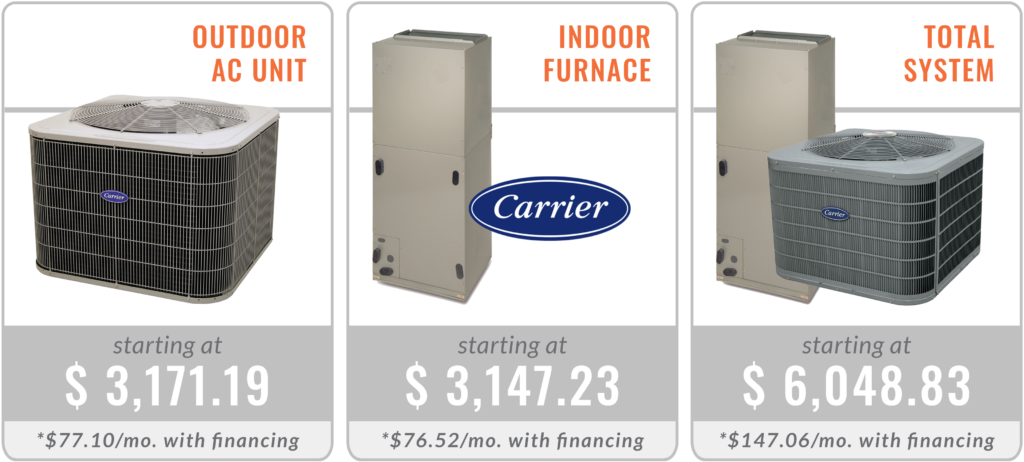
- Carrier: Another top-tier brand, Carrier units generally cost $4,000 to $7,500.
- Lennox: Offers a wide range of options, from basic to high-end, with prices from $3,500 to $8,000.
Labor Costs: Installation Complexity and Contractor Rates
Labor costs can vary significantly depending on the complexity of the installation and the contractor's rates. Factors influencing labor costs include:
- Ease of access: Units located in easily accessible areas will be cheaper to install.
- Ductwork modifications: If your existing ductwork needs to be modified or replaced to accommodate the new unit, the labor costs will increase.
- Electrical work: Upgrading the electrical panel or running new wiring can add to the overall cost.
- Permits: Local building codes may require permits for AC unit installation, which can add to the cost.
- Contractor experience and reputation: More experienced and reputable contractors typically charge higher rates.
On average, labor costs for a 4-ton AC unit installation range from $1,500 to $4,000. Always get multiple quotes from different contractors to compare prices and services.
Additional Costs: Ductwork, Electrical, and Permits
Be prepared for potential additional costs beyond the unit and labor. These can significantly impact the overall budget:
- Ductwork: New or modified ductwork can add $500 to $2,000 or more to the project.
- Electrical Work: Upgrading electrical components can add $200 to $1,000.
- Permits: Permit fees vary by location but typically range from $50 to $500.
- Refrigerant Lines: Replacing or upgrading refrigerant lines may be necessary, adding $100 to $500.
- Condenser Pad: If the existing pad is damaged or inadequate, a new one will cost $50 to $200.
Estimating the Total Installed Cost
Taking into account all the factors mentioned above, here's a general estimate of the total installed cost of a 4-ton AC unit:
- Basic Installation (13-14 SEER): $4,000 - $8,000
- Mid-Range Installation (15-17 SEER): $5,000 - $10,000
- High-Efficiency Installation (18+ SEER): $7,000 - $12,000+
These are just estimates, and the actual cost can vary based on your specific circumstances. It's crucial to get personalized quotes from qualified HVAC contractors.
Choosing the Right AC Unit: Key Considerations
Selecting the right AC unit involves more than just price. Consider these factors:
- SEER Rating: Balance upfront cost with long-term energy savings. Consider the payback period for higher SEER units.
- Brand Reputation: Research different brands and read online reviews to assess their reliability and performance.
- Warranty: Look for units with comprehensive warranties covering parts and labor. Most manufacturers offer a standard warranty, but some require professional installation and registration to qualify.
- Noise Level: Check the unit's decibel (dB) rating. Quieter units can improve comfort, especially if the outdoor unit is located near a bedroom window.
- Smart Features: Some units offer smart features like Wi-Fi connectivity and remote control, which can enhance convenience and energy management.
Understanding AFUE and HSPF: A Quick Guide
While SEER is the standard for cooling efficiency, it's important to understand AFUE (Annual Fuel Utilization Efficiency) and HSPF (Heating Seasonal Performance Factor) if you're considering a heat pump system. Heat pumps provide both heating and cooling, making them a popular choice in moderate climates.
- AFUE: Measures the heating efficiency of furnaces. Higher AFUE ratings indicate greater fuel efficiency.
- HSPF: Measures the heating efficiency of heat pumps. Higher HSPF ratings mean more efficient heating performance.
When comparing heat pumps, consider both SEER and HSPF ratings to evaluate overall energy efficiency.
Maintenance and Long-Term Costs
Proper maintenance is essential for extending the lifespan of your AC unit and maintaining its efficiency. Regular maintenance tasks include:
- Changing air filters: Dirty air filters restrict airflow and reduce efficiency. Change filters every 1-3 months.
- Cleaning the outdoor unit: Remove debris from around the outdoor unit to ensure proper airflow.
- Inspecting and cleaning coils: Dirty coils reduce heat transfer efficiency. Have a professional clean the coils annually.
- Checking refrigerant levels: Low refrigerant levels can indicate a leak and reduce cooling performance. Have a professional check and recharge the refrigerant as needed.
- Annual tune-up: Schedule an annual tune-up with a qualified HVAC technician to ensure your unit is running optimally.
Ignoring maintenance can lead to costly repairs and shorten the lifespan of your AC unit. Factor in the cost of maintenance when budgeting for your new system.
Finding a Qualified HVAC Contractor
Choosing the right HVAC contractor is just as important as choosing the right AC unit. Look for contractors who are:
- Licensed and insured: Ensure the contractor is properly licensed and insured to protect yourself from liability.
- Experienced: Choose a contractor with a proven track record of successful installations.
- Reputable: Check online reviews and ask for references.
- Transparent: Get a detailed written estimate that includes all costs.
- Offer warranties: Choose a contractor who offers warranties on their work.
Don't be afraid to ask questions and compare quotes from multiple contractors before making a decision.
Financing Options and Rebates
Replacing your AC unit can be a significant expense, but there are several financing options available to help make it more affordable:
- HVAC financing: Many HVAC contractors offer financing options with competitive interest rates.
- Home equity loans: Use your home equity to finance the project.
- Personal loans: Unsecured personal loans can be used for home improvements.
- Credit cards: Some credit cards offer 0% introductory APRs or rewards programs.
Also, check for rebates and incentives offered by your local utility company or government agencies. Many programs offer rebates for installing energy-efficient AC units.
Making the Right Choice for Your Home
Replacing your AC unit is a significant decision, but by understanding the factors that influence cost and performance, you can make an informed choice that meets your needs and budget. Remember to consult with a qualified HVAC technician to determine the right size and type of unit for your home. Prioritize energy efficiency, reliability, and proper installation to ensure years of comfortable and cost-effective cooling.