Cost For Fixing Air Conditioning In Car
Frequently Asked Questions About Car AC Repair Costs
Is your car's air conditioning blowing hot air? Don't sweat it! (Pun intended). Understanding the potential costs involved in getting your car's AC fixed can help you prepare and avoid unpleasant surprises. This FAQ addresses common questions about car AC repair costs, providing you with clear and straightforward answers.
Question 1: How much does it generally cost to fix car AC?
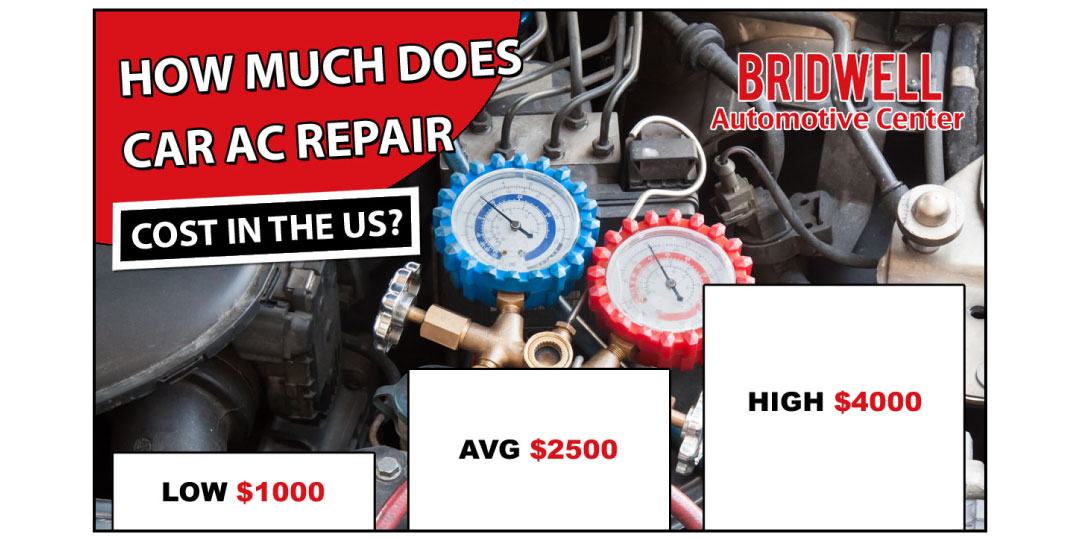
The average cost to repair a car's air conditioning system can range from $200 to $1500. This is a broad range because the final price depends on several factors, including:
- The specific problem: A simple refrigerant recharge will be much cheaper than replacing a faulty compressor.
- The car's make and model: Some cars have more complex AC systems or require specialized parts, increasing repair costs.
- The repair shop's labor rates: Labor costs vary significantly between shops and regions.
For example, a refrigerant leak might only require a recharge and leak seal treatment, costing around $150-$300. However, a faulty compressor replacement can easily reach $500-$1000 or even more, including parts and labor.
Question 2: What are the most common car AC problems and their associated costs?
Here are some common AC problems and their general cost ranges:
- Refrigerant Leak: The most frequent issue. Costs can range from $150 to $400 depending on the severity and whether a leak seal is needed. This includes the cost of refrigerant and labor. Locating the leak can add to the expense, especially if it requires a dye test.
- Compressor Failure: A major component of the AC system. Replacing a compressor is a more expensive repair, typically costing between $500 and $1200. This cost includes the compressor itself (which can be new or remanufactured), labor, and potentially other related parts like the receiver drier.
- Condenser Damage: The condenser dissipates heat from the refrigerant. Replacement costs generally fall between $300 and $700, including parts and labor. Damage often occurs from road debris.
- Evaporator Issues: The evaporator cools the air before it enters the cabin. Evaporator replacement is labor-intensive as it's often located within the dashboard, resulting in costs ranging from $600 to $1500.
- Faulty Expansion Valve: The expansion valve controls refrigerant flow. Replacement is usually between $200 and $500, including parts and labor.
- Electrical Problems: Issues with wiring, sensors, or relays can disrupt AC function. Diagnosis and repair costs vary widely, from $100 to $400, depending on the complexity.
- Clogged Cabin Air Filter: While not a direct AC repair, a clogged filter restricts airflow and reduces cooling efficiency. Replacing the filter is a simple and inexpensive task, usually costing between $20 and $50.
These are just estimates. The actual cost can vary based on your car and the specific shop doing the work. Always get a detailed estimate before approving any repairs.
Question 3: How do labor costs factor into the total repair bill?
Labor costs are a significant portion of car AC repair expenses. Auto repair shops typically charge an hourly rate for their technicians' time. This rate can vary depending on location, the shop's expertise, and the complexity of the repair.
- Hourly Rate: Expect labor rates to range from $75 to $150 per hour or more in some areas.
- Diagnostic Time: Even identifying the problem can incur labor charges. Some shops offer free or discounted diagnostic services, while others charge for the time it takes to diagnose the issue.
- Complexity of Repair: More complex repairs, such as evaporator replacement, require significantly more labor hours, increasing the overall cost.
Always ask for a breakdown of labor costs in the estimate. This will help you understand how much you're paying for the technician's time versus the cost of parts.
Question 4: Should I try to fix the AC myself?
While some minor AC issues, like replacing a cabin air filter, can be handled DIY, major AC repairs are best left to qualified technicians. AC systems contain pressurized refrigerant that can be dangerous to handle without proper training and equipment. Improper repairs can also damage the system further, leading to more expensive repairs down the road.
Attempting to DIY could lead to:
- Personal injury: Refrigerant can cause frostbite and other health problems.
- Environmental damage: Improper refrigerant handling can release harmful gases into the atmosphere.
- Further damage to the AC system: Incorrect repairs can damage components or introduce contaminants.
Unless you have extensive experience with automotive AC systems, it's generally safer and more cost-effective in the long run to have a professional handle the repairs.
Question 5: Are there ways to save money on car AC repair?
Yes, there are several strategies to potentially reduce your car AC repair costs:
- Get multiple estimates: Contact several reputable repair shops and compare their estimates. This allows you to find the best price for the same service.
- Ask about used or remanufactured parts: For some components, like compressors, used or remanufactured parts can be a cost-effective alternative to new parts. Make sure the shop offers a warranty on used parts.
- Consider independent shops: Independent auto repair shops often have lower labor rates than dealerships.
- Address problems early: Catching minor issues early can prevent them from escalating into more expensive repairs. If you notice your AC isn't cooling as well as it used to, have it checked out promptly.
- Maintain your AC system: Regular maintenance, such as replacing the cabin air filter and having the refrigerant checked, can help prevent problems and extend the life of your AC system.
- Ask for a detailed explanation: Understand the repair process and the reasoning behind each repair. Don't be afraid to ask questions.
Question 6: What is a refrigerant recharge, and how much does it cost?
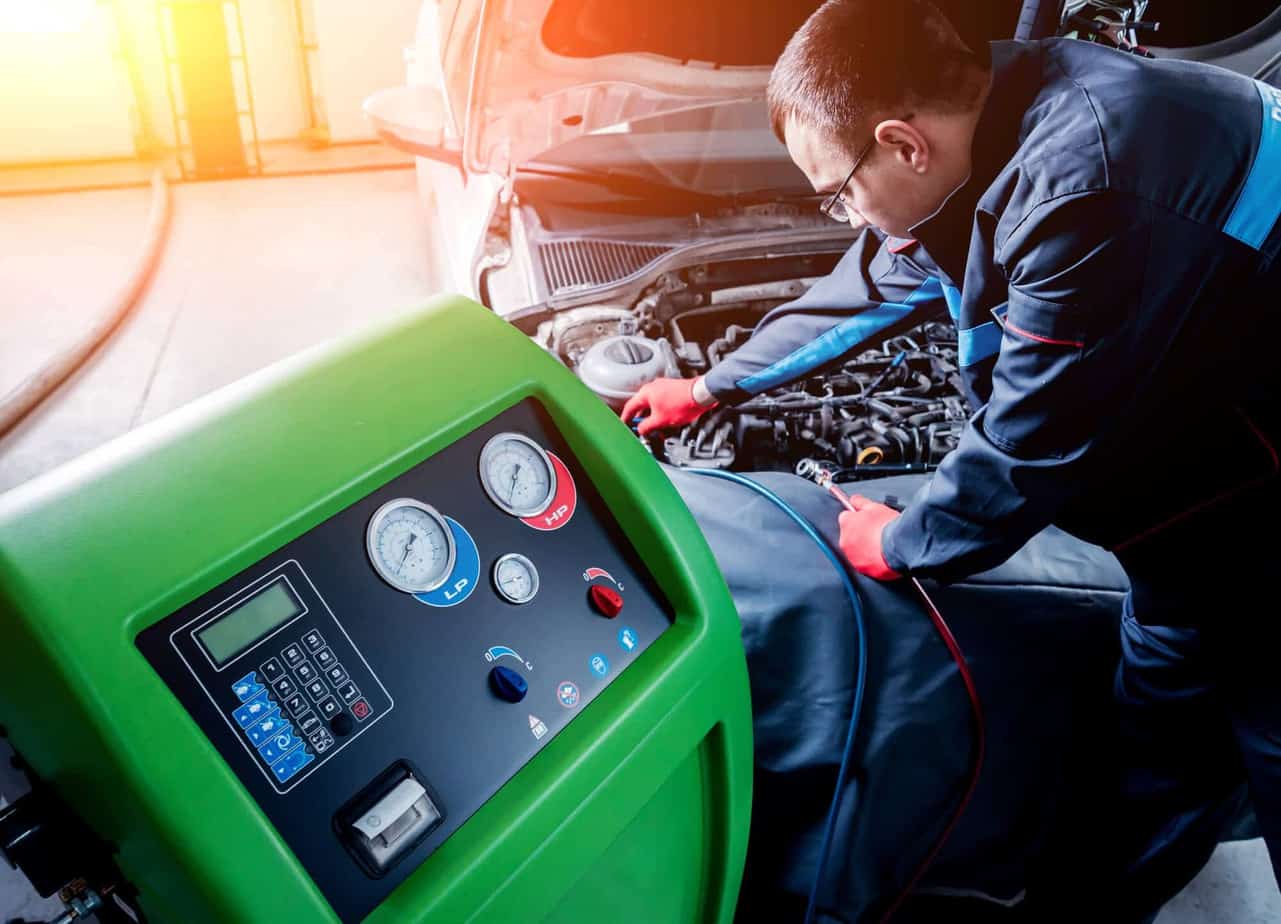
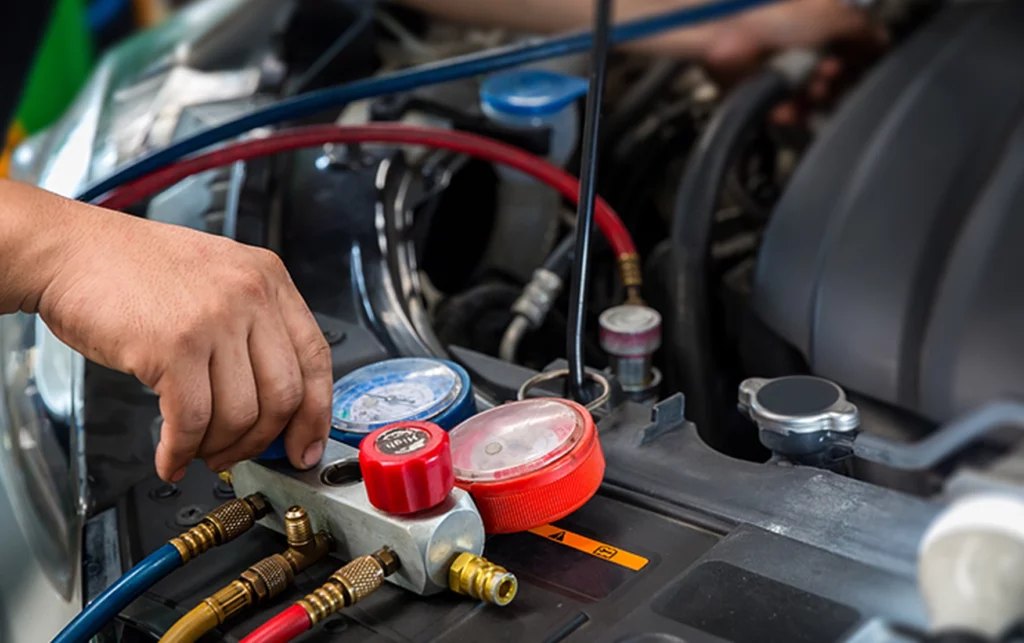
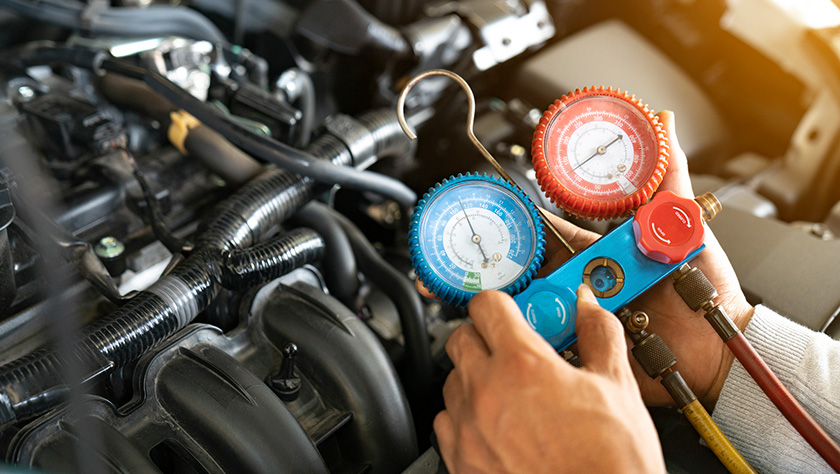
A refrigerant recharge involves adding refrigerant to your car's AC system to restore its cooling capacity. Over time, refrigerant can leak out, reducing the system's efficiency. A recharge is a common and relatively inexpensive repair.
- Cost: The cost of a refrigerant recharge typically ranges from $100 to $300. The price depends on the type of refrigerant used (some refrigerants are more expensive than others) and the amount needed to bring the system back to its proper level.
- Leak Check: It's crucial to identify and address any leaks before recharging the system. Simply adding refrigerant without fixing the leak is a temporary solution that will likely lead to the same problem recurring quickly. A leak test can add to the cost.
- DIY Recharge Kits: While DIY recharge kits are available, they are not recommended unless you have experience working with AC systems. Improper use can damage the system or result in personal injury. Also, they often don't address the underlying leak.
A professional recharge will include checking for leaks, evacuating the system, and adding the correct amount of refrigerant for your vehicle. This ensures optimal performance and prevents future problems.
Question 7: How can I tell if my car AC needs repair?
Several signs indicate that your car's AC system may need repair:
- Weak or no cold air: The most obvious sign. If the air coming from the vents isn't as cold as it used to be, or if it's blowing warm air, there's likely an issue.
- Unusual noises: Grinding, hissing, or rattling noises coming from the AC system can indicate a problem with the compressor or other components.
- Leaking refrigerant: A visible oily substance under the car, near the AC compressor, could be a sign of a refrigerant leak.
- Moldy or musty smell: This can indicate a buildup of mold or mildew in the evaporator core.
- AC compressor not engaging: If the compressor isn't turning on when you turn on the AC, the system won't cool.
- Reduced airflow: Even if the air is cold, reduced airflow can indicate a problem with the blower motor or a clogged cabin air filter.
- The AC works intermittently: Sometimes cold, sometimes not. This could be a sign of a failing component or a refrigerant leak.
If you notice any of these symptoms, it's best to have your AC system inspected by a qualified technician as soon as possible to prevent further damage and ensure your comfort while driving.