Cost Of A Geothermal Heat Pump
Unearthing Savings: A Deep Dive into Geothermal Heat Pump Costs
Geothermal heat pumps, also known as ground-source heat pumps, offer a highly efficient and environmentally friendly way to heat and cool your home or business. But before you start picturing digging in your backyard, let's get down to brass tacks: how much does a geothermal system actually cost? And more importantly, is it worth the investment?
This article will break down the costs associated with geothermal heat pumps, compare them to conventional HVAC systems, and explore the long-term savings and benefits, including potential rebates and incentives. We'll also discuss how smart home integration can further optimize your geothermal system's performance.
The Upfront Investment: Breaking Down the Costs
The initial cost of a geothermal heat pump system is significantly higher than traditional air-source heat pumps or furnaces. This is primarily due to the underground loop system that needs to be installed. Here's a breakdown of the major cost components:
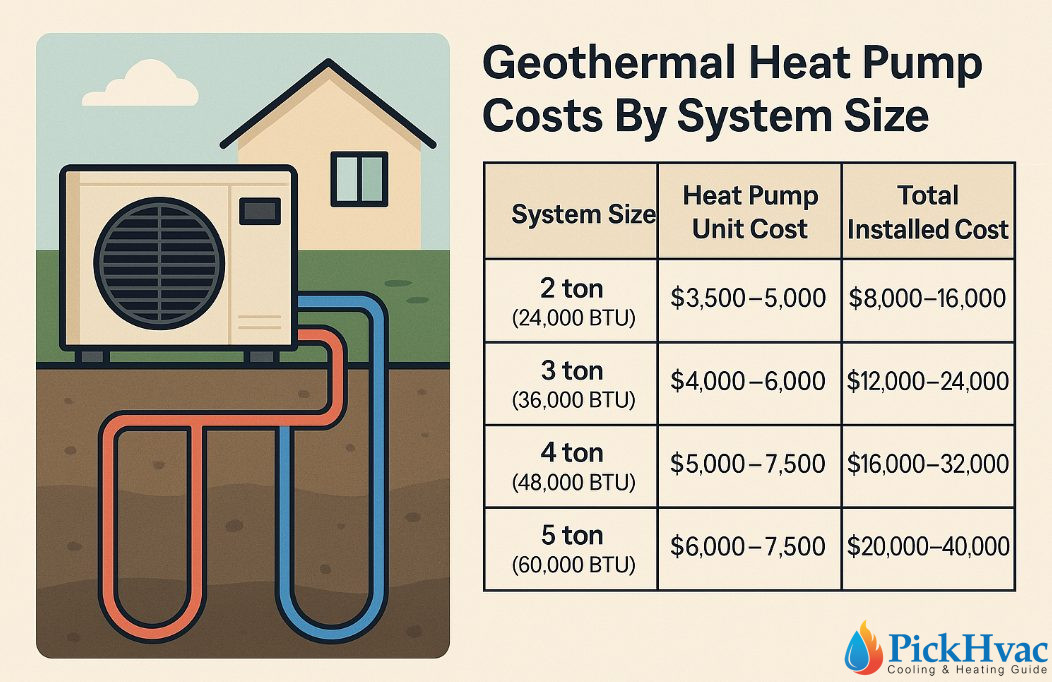
- Geothermal Heat Pump Unit: The actual heat pump unit itself typically ranges from $3,000 to $8,000, depending on the size and efficiency.
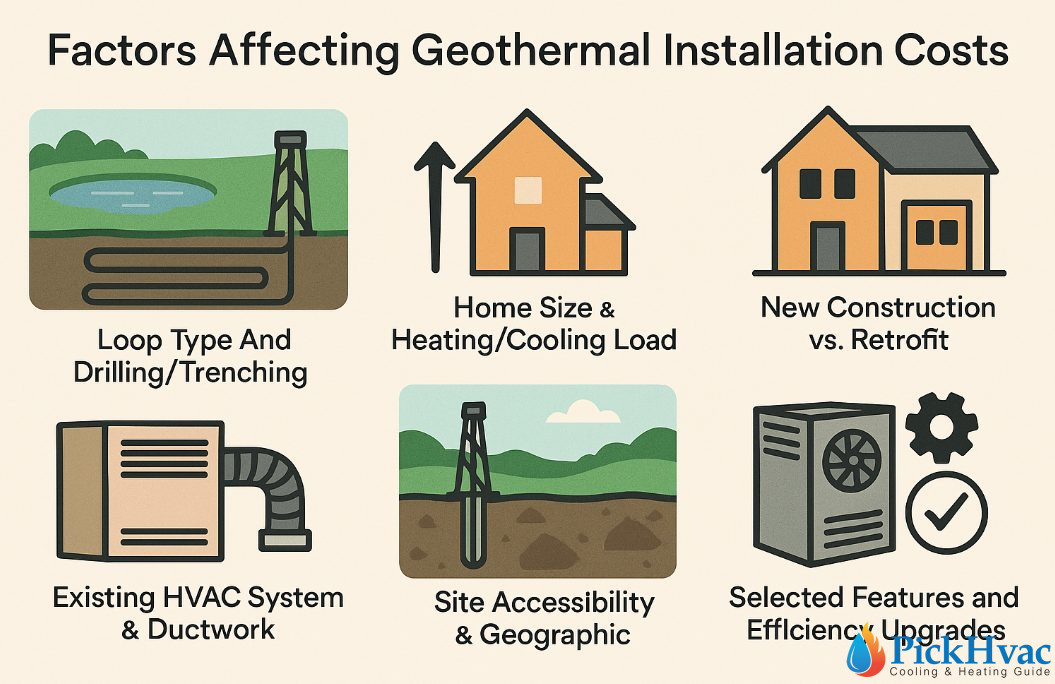
- Ground Loop Installation: This is where the bulk of the cost lies. The type of loop you choose (horizontal, vertical, or pond/lake) and the soil conditions will greatly influence the price. Expect to pay anywhere from $10,000 to $30,000 for this part.
- Ductwork Modifications (if needed): If your existing ductwork isn't compatible with a geothermal system, you'll need to factor in the cost of modifications or replacement. This can add another $1,000 to $5,000.
- Installation Labor: Professional installation is crucial for a geothermal system to function correctly. Labor costs can range from $2,000 to $5,000 depending on the complexity of the installation.
- Permits and Inspections: Don't forget to factor in the cost of permits and inspections required by your local municipality. These typically range from $100 to $500.
Total Upfront Cost: Therefore, the total upfront cost for a residential geothermal heat pump system can range from $15,000 to $45,000, depending on the factors mentioned above.
Ground Loop Options: Horizontal vs. Vertical vs. Pond/Lake
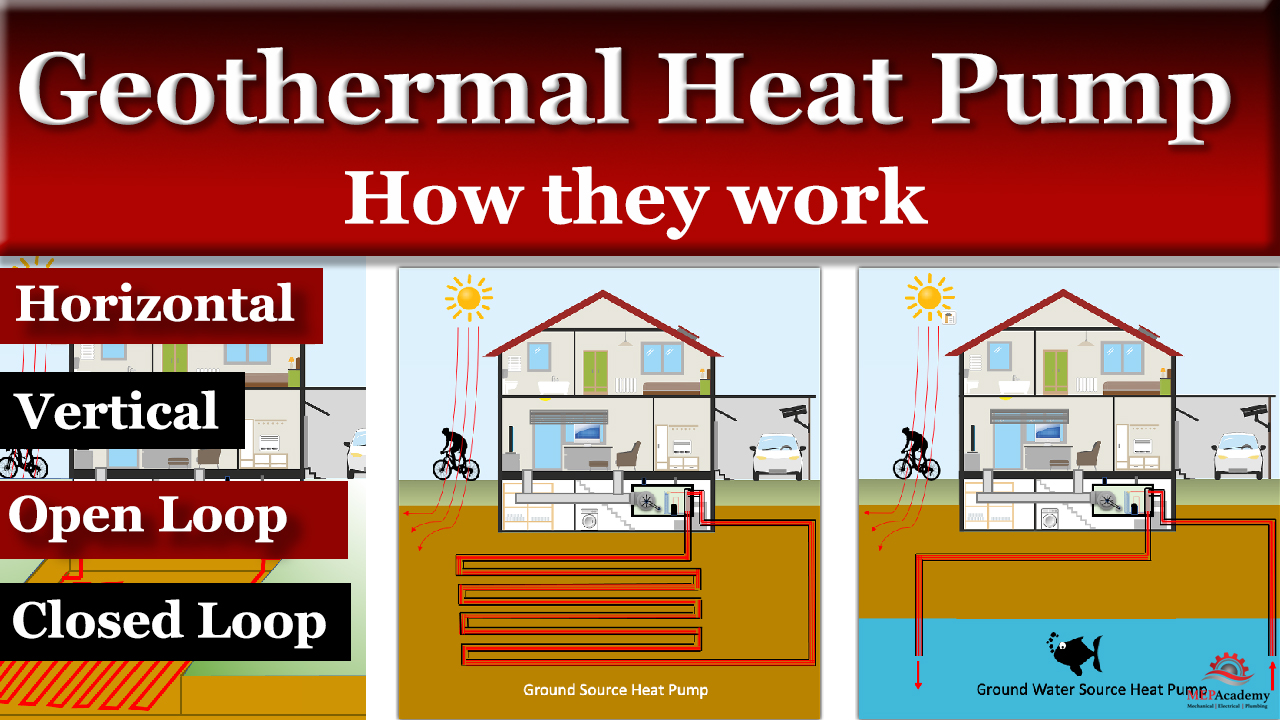
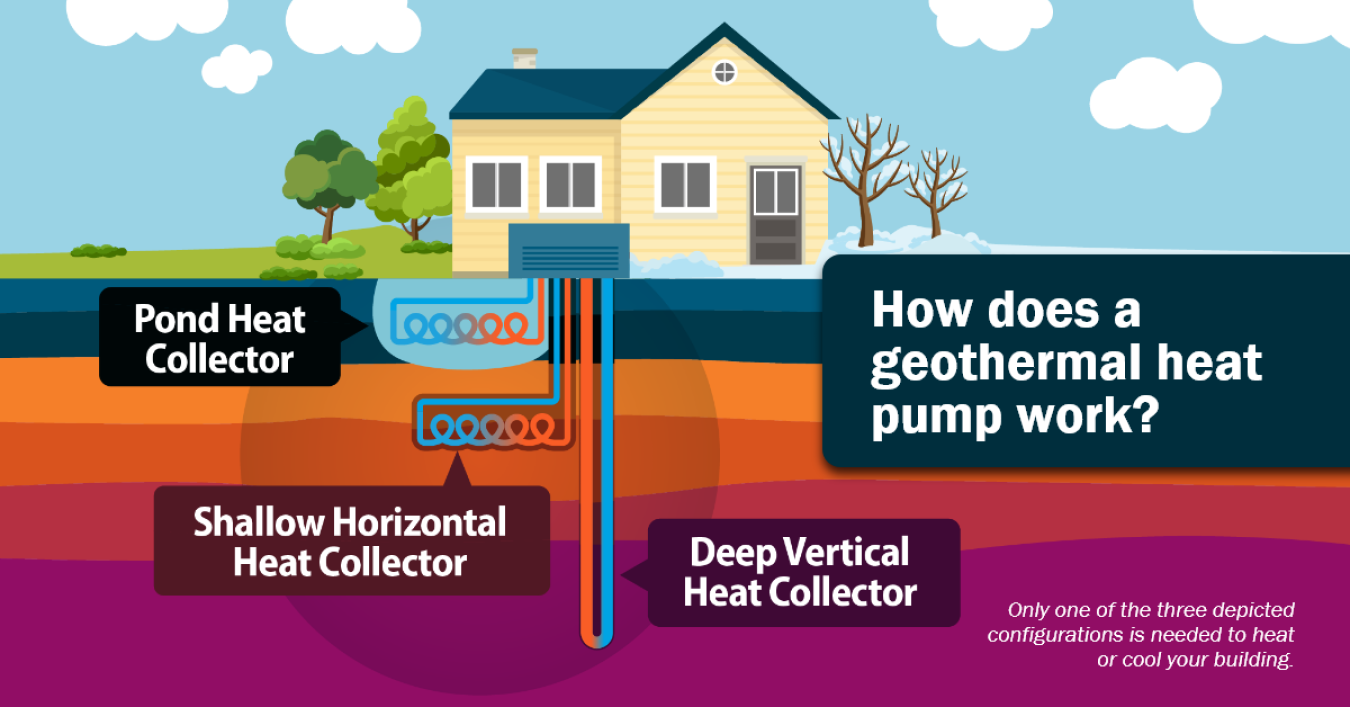
The type of ground loop you choose will significantly impact the installation cost. Here's a brief overview:
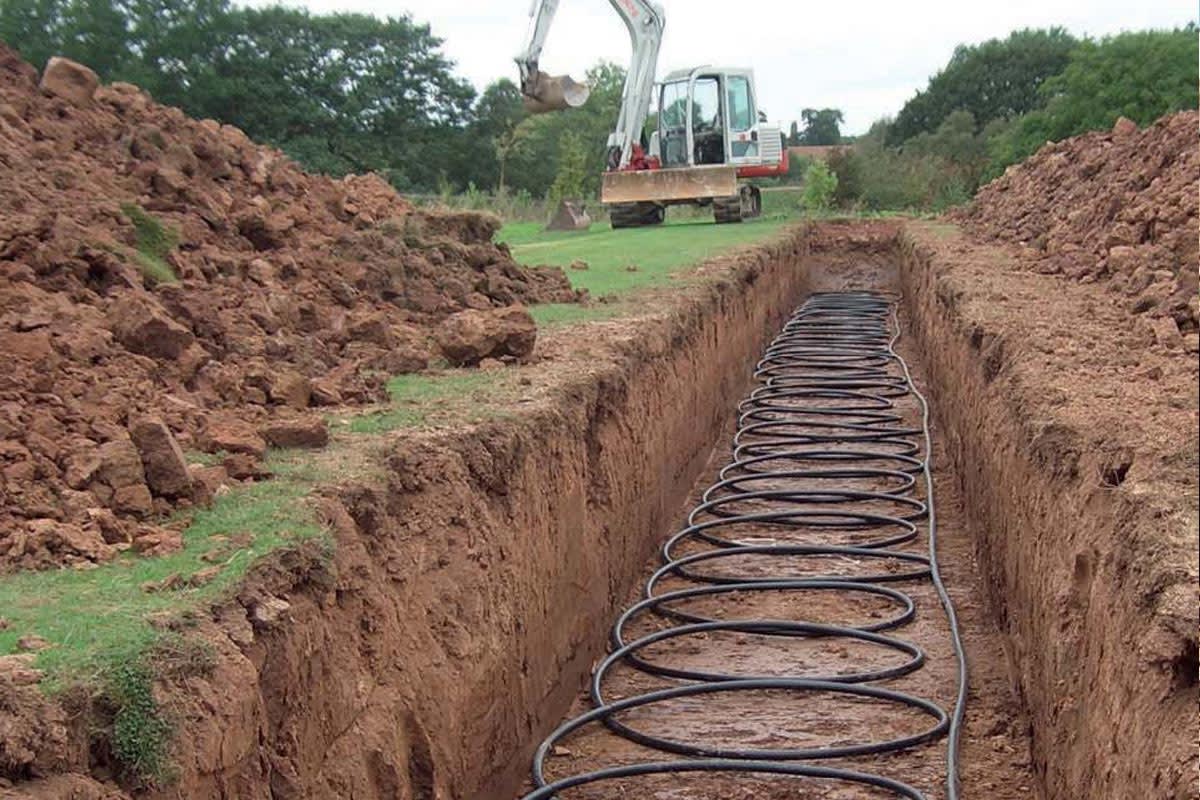
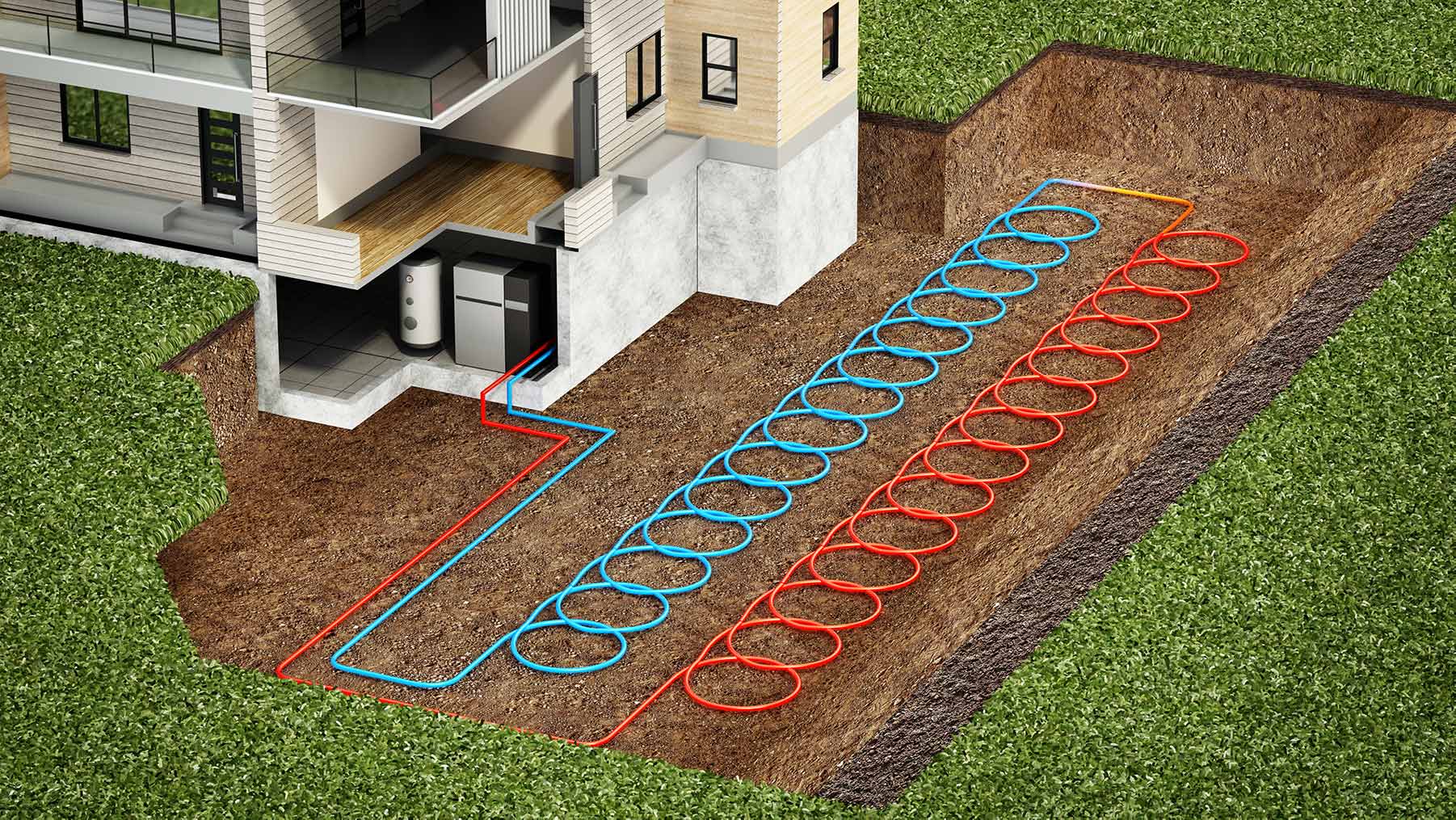
- Horizontal Loops: These are the most common and generally the least expensive option. They involve digging trenches 4-8 feet deep and laying pipes horizontally. This requires a significant amount of land.
- Vertical Loops: These are used when land is limited. They involve drilling boreholes 100-400 feet deep and inserting U-shaped pipes. This is more expensive than horizontal loops but requires less land.
- Pond/Lake Loops: If you have a pond or lake nearby, this can be the most cost-effective option. Pipes are submerged in the water and use the water's temperature to exchange heat. However, it requires specific permitting and suitable water conditions.
The best option for you will depend on your property size, soil conditions, and budget. A qualified geothermal installer can help you determine the most appropriate and cost-effective loop design.
Conventional HVAC Systems: A Cost Comparison
While the upfront cost of a geothermal system is higher, it's important to compare it to the long-term costs of conventional HVAC systems. Consider these factors:
- Purchase Price: A high-efficiency air-source heat pump can cost between $4,000 and $12,000 installed. A new furnace can range from $3,000 to $8,000 installed.
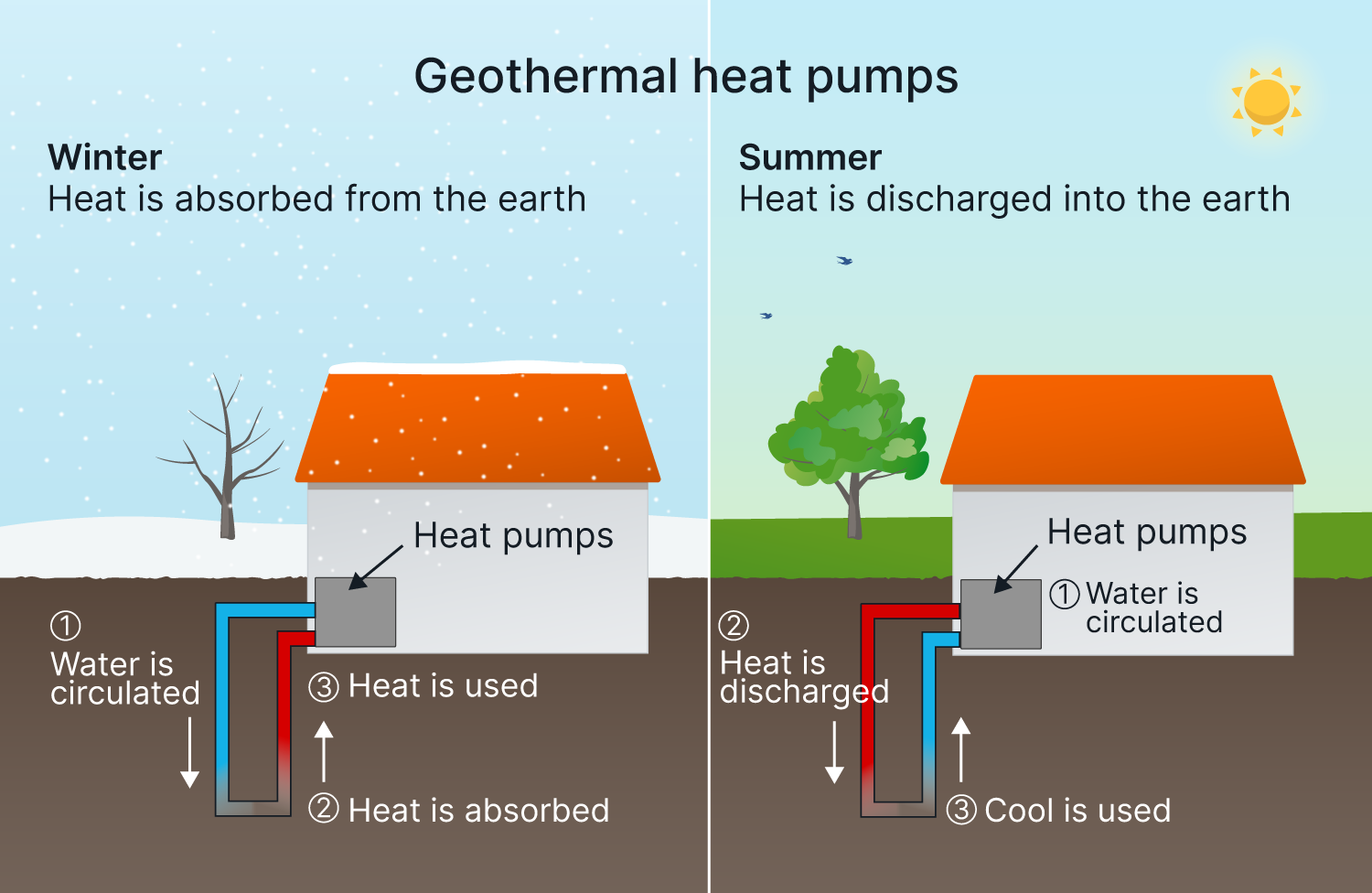
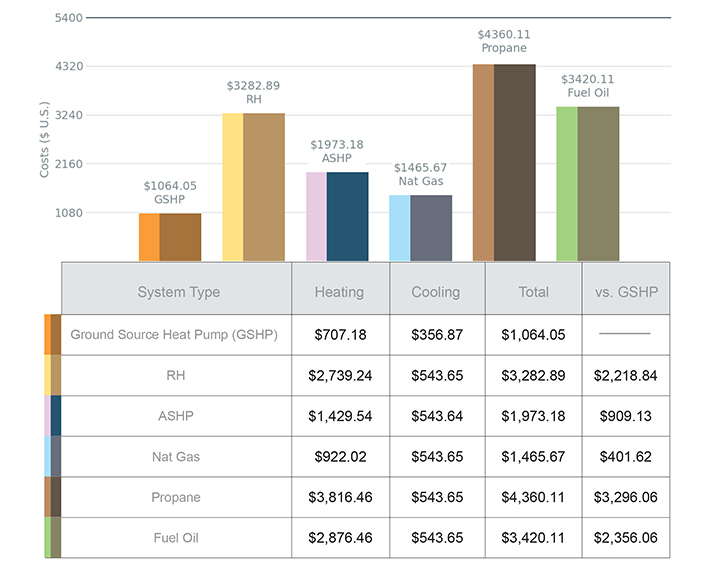
- Operating Costs: Geothermal systems are significantly more efficient than conventional systems. They can reduce your energy bills by 30-70%. This is because they're using the Earth's stable underground temperature instead of fighting extreme outdoor air temperatures.
- Lifespan: Geothermal heat pumps typically last 20-25 years, while the ground loop can last 50 years or more. Conventional HVAC systems typically last 10-15 years. This means you'll likely need to replace a conventional system at least once during the lifespan of a geothermal system.
- Maintenance Costs: Geothermal systems require less maintenance than conventional systems. There are fewer moving parts and they are protected from the elements.
Long-Term Savings: Over the lifespan of the system, the reduced operating costs and increased lifespan of a geothermal system can often offset the higher upfront cost. You need to calculate the Return On Investment (ROI) based on your specific energy usage and local utility rates.
Calculating Your Return on Investment (ROI)
The ROI of a geothermal system depends on several factors, including:
- Local Climate: The more extreme your climate, the greater the savings from a geothermal system.
- Energy Prices: The higher your energy prices, the faster you'll recoup your investment.
- System Efficiency: A higher-efficiency geothermal system will result in greater savings.
- Usage Habits: How efficiently you manage your heating and cooling will also affect savings.
To estimate your ROI, you can use online geothermal calculators or consult with a geothermal installer. They can assess your specific needs and provide a personalized estimate. Don't forget to factor in potential tax credits and rebates.
Rebates, Tax Credits, and Incentives
Many government agencies and utility companies offer rebates, tax credits, and incentives to encourage the adoption of renewable energy technologies like geothermal. These incentives can significantly reduce the upfront cost of a geothermal system.
- Federal Tax Credit: The federal government offers a tax credit for a percentage of the cost of a new geothermal system. Consult the Energy Star website or a tax professional for the most up-to-date information.
- State and Local Rebates: Many states and local municipalities also offer rebates for geothermal installations. Check with your state energy office or local utility company for available programs.
- Utility Company Incentives: Some utility companies offer incentives such as reduced energy rates or financing options for geothermal systems.
Taking advantage of these incentives can make geothermal a much more affordable option.
Smart Home Integration for Enhanced Efficiency
Integrating your geothermal system with a smart home system can further optimize its performance and save you money. Here's how:
- Smart Thermostats: Smart thermostats like Nest, Ecobee, and Honeywell can learn your heating and cooling preferences and automatically adjust the temperature to maximize energy efficiency. You can also control the thermostat remotely via your smartphone or tablet.
- Zoned Heating and Cooling: Zoned systems allow you to control the temperature in different areas of your home independently. This can save energy by only heating or cooling the rooms you're using.
- Smart Sensors: Smart sensors can monitor temperature, humidity, and occupancy in different rooms and automatically adjust the heating and cooling accordingly.
- Energy Monitoring: Smart home systems can track your energy usage and provide insights into how you can save even more money.
By leveraging smart home technology, you can fine-tune your geothermal system to achieve maximum energy savings and comfort.
Finding a Qualified Geothermal Installer
Proper installation is crucial for the performance and longevity of a geothermal system. It's essential to choose a qualified and experienced geothermal installer. Look for installers who are:
- Certified by the International Ground Source Heat Pump Association (IGSHPA): IGSHPA certification demonstrates that the installer has the necessary training and expertise to install geothermal systems correctly.
- Licensed and Insured: Ensure that the installer is properly licensed and insured in your state.
- Experienced: Choose an installer with a proven track record of successful geothermal installations.
- Offer a Warranty: A reputable installer will offer a warranty on their workmanship.
Get multiple quotes from different installers and compare their experience, qualifications, and pricing. Don't just choose the cheapest option; focus on finding an installer who will do the job right.
Is Geothermal Right for You?
Geothermal heat pumps are a significant investment, but they can offer substantial long-term savings and environmental benefits. Here's a quick summary to help you decide if geothermal is right for you:
Consider Geothermal If:
- You're looking for a long-term, energy-efficient heating and cooling solution.
- You're concerned about the environment and want to reduce your carbon footprint.
- You have access to land for a ground loop installation (or a pond/lake).
- You're willing to make a higher upfront investment to save money in the long run.
- You live in an area with extreme temperatures.
Geothermal May Not Be Right If:
- You're on a tight budget and can't afford the upfront cost.
- You don't have access to land for a ground loop installation.
- You're planning to move in the near future.
Conclusion: A Sustainable Investment
The cost of a geothermal heat pump system is a significant consideration, but it's important to look beyond the initial price tag and consider the long-term benefits. With lower operating costs, a longer lifespan, and potential rebates and incentives, geothermal can be a smart and sustainable investment for your home or business. By understanding the different cost factors and doing your research, you can make an informed decision about whether geothermal is the right choice for you. Remember to explore Energy Star resources and consult with qualified professionals to determine the best solution for your specific needs and maximize your energy savings.