Cost Of Heat Pumps And Installation

Understanding the Cost of Heat Pumps and Installation: A Guide to Energy Savings
Heat pumps are rapidly gaining popularity as energy-efficient alternatives to traditional furnaces and air conditioners. They offer both heating and cooling capabilities, making them a versatile solution for homeowners and businesses alike. However, understanding the true cost of a heat pump, including purchase price, installation fees, and long-term operational savings, is crucial before making a significant investment.
Initial Costs: Heat Pump Purchase Price
The cost of a heat pump varies widely based on several factors:
- Type of Heat Pump: Air-source heat pumps (ASHPs) are generally less expensive than geothermal heat pumps (GHPs). ASHPs transfer heat between your home and the outside air, while GHPs utilize the stable temperature of the earth.
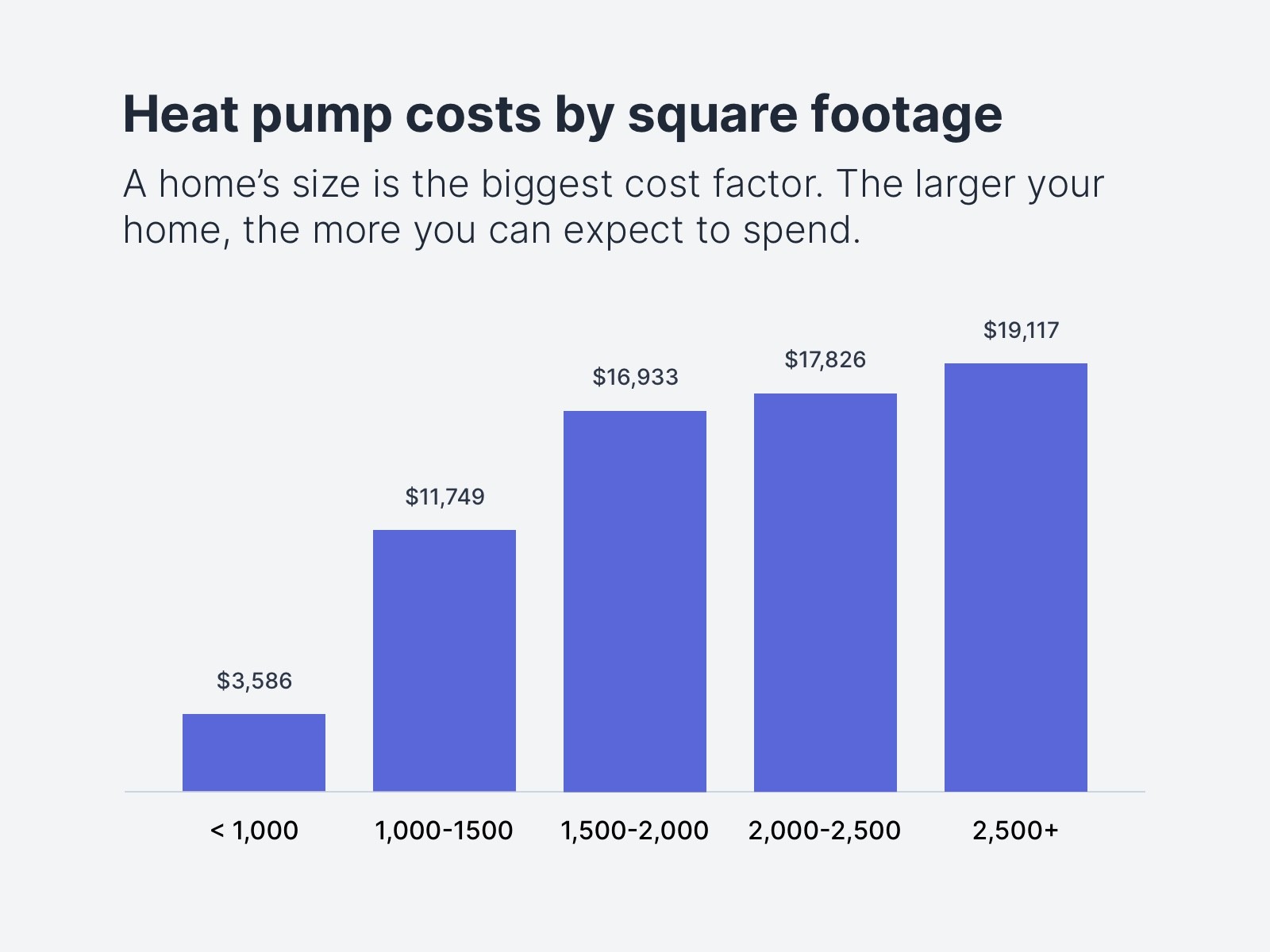
- Heating and Cooling Capacity (BTUs): Larger homes require more powerful heat pumps with higher BTU ratings, leading to increased costs. A professional HVAC contractor can perform a load calculation to determine the appropriate size for your property.
- Efficiency (SEER and HSPF Ratings): Heat pumps with higher Seasonal Energy Efficiency Ratio (SEER) for cooling and Heating Seasonal Performance Factor (HSPF) for heating typically have a higher upfront cost but offer significant long-term energy savings. Look for Energy Star certified models to ensure optimal efficiency.
- Features and Technology: Advanced features like variable-speed compressors, smart thermostat compatibility, and zoning capabilities can increase the initial price.
- Brand Reputation: Well-established brands often command a premium price due to their reliability and performance.
As a general guideline, you can expect to pay the following (before installation):
- Air-Source Heat Pumps: $3,000 - $8,000
- Geothermal Heat Pumps: $15,000 - $30,000
It's important to obtain quotes from multiple qualified HVAC contractors to get an accurate estimate for your specific needs and location.
Installation Costs: Factors Affecting the Final Price
Installation costs can significantly add to the overall expense of a heat pump system. These costs depend on:
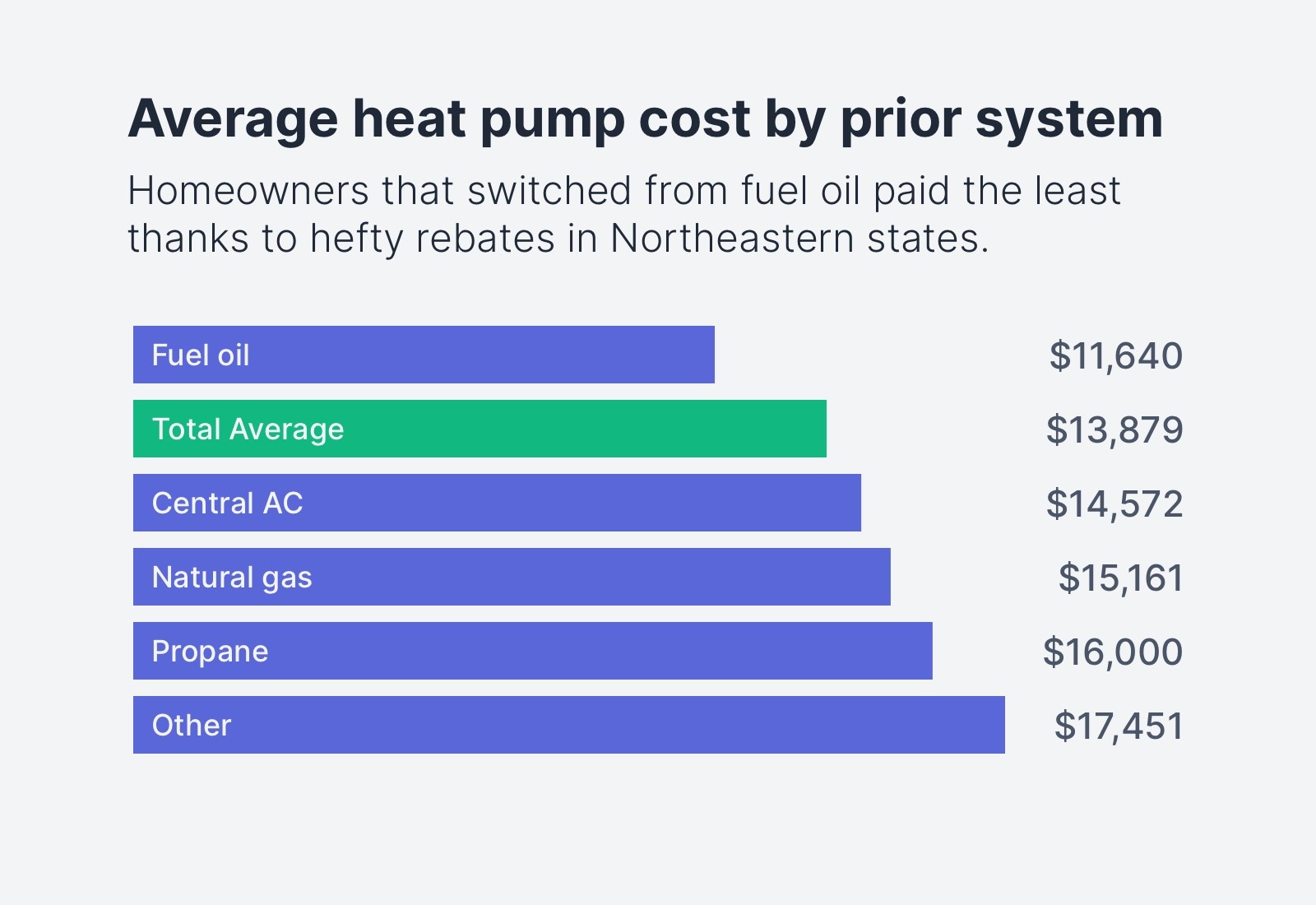
- System Complexity: Retrofitting an existing home with a heat pump can be more complex and costly than installing one in new construction.
- Ductwork: Existing ductwork may need to be modified or replaced to accommodate the new system, adding to the expense. Ductless mini-split systems are an alternative for homes without existing ductwork.
- Electrical Work: A dedicated electrical circuit may be required for the heat pump, potentially necessitating upgrades to your electrical panel.
- Permits and Inspections: Local building codes often require permits and inspections, adding to the overall cost.
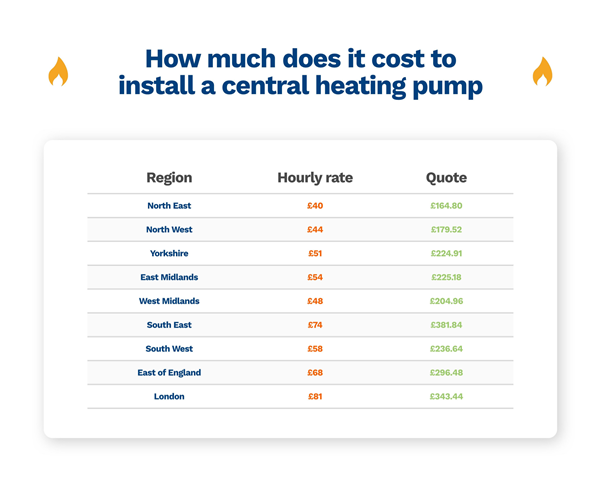
- Contractor Fees: Labor rates vary depending on your location and the contractor's experience.
- Geothermal Specifics: Geothermal installation involves significant excavation or drilling, which is a major component of the overall system cost. The type of loop (horizontal, vertical, or pond/lake) also influences the price.
Installation costs typically range from:
- Air-Source Heat Pump Installation: $1,500 - $5,000
- Geothermal Heat Pump Installation: $10,000 - $20,000+
Always ensure your contractor is licensed, insured, and experienced with heat pump installations. Ask for detailed breakdowns of the installation costs to avoid hidden fees.
Long-Term Savings: ROI and Energy Efficiency
While the initial investment in a heat pump may seem substantial, the long-term energy savings can provide a significant return on investment. Heat pumps are considerably more energy-efficient than traditional heating and cooling systems.
Here's how heat pumps save you money:
- Higher Efficiency: Heat pumps transfer heat rather than generating it, making them much more efficient than furnaces that burn fuel. This is particularly true for air-source heat pumps in moderate climates.
- Dual Functionality: Eliminating the need for separate heating and cooling systems reduces overall energy consumption.
- Variable-Speed Technology: Variable-speed compressors adjust their output to match the heating or cooling demand, further optimizing energy efficiency and maintaining consistent temperatures.
- Reduced Carbon Footprint: By using less energy, heat pumps contribute to a smaller carbon footprint and a more sustainable lifestyle.
According to the U.S. Department of Energy, heat pumps can reduce your energy consumption for heating by as much as 50% compared to electric resistance heating, such as furnaces or baseboard heaters.
To maximize your savings, ensure your home is properly insulated and sealed to prevent air leaks. Regularly maintain your heat pump by cleaning the filters and scheduling professional maintenance to ensure optimal performance.
Rebates and Incentives: Lowering Upfront Costs
Numerous rebates and incentives are available to help offset the cost of purchasing and installing a heat pump. These programs can significantly reduce your upfront expenses.
- Federal Tax Credits: The federal government offers tax credits for qualified heat pump installations. Check the Energy Star website or consult a tax professional for the latest details.
- State and Local Rebates: Many states and municipalities offer rebates and incentives for energy-efficient appliances, including heat pumps. Check with your local utility company or energy office.
- Utility Company Programs: Many utility companies offer rebates and financing options for heat pump installations.
Be sure to research all available incentives before making your purchase to maximize your savings. Your HVAC contractor can often assist you with the application process.
Smart HVAC Integration: Optimizing Performance and Savings
Integrating your heat pump with a smart thermostat and other smart home devices can further enhance its efficiency and convenience. Smart thermostats learn your heating and cooling preferences and automatically adjust the temperature to optimize energy savings. They can also be controlled remotely via a smartphone or tablet.
Benefits of smart HVAC integration include:
- Remote Control: Adjust the temperature from anywhere using your smartphone.
- Energy Monitoring: Track your energy consumption and identify areas for improvement.
- Geofencing: Automatically adjust the temperature based on your location.
- Zoning: Control the temperature in different zones of your home for personalized comfort and energy savings.
Smart thermostats can typically be installed by a homeowner, but for more complex integrations, consider hiring a professional HVAC technician or smart home installer.
Making the Right Choice: Is a Heat Pump Right for You?
Before investing in a heat pump, consider the following factors:
- Climate: While heat pumps are effective in a wide range of climates, they perform best in moderate climates with mild winters and hot summers. Geothermal heat pumps are less affected by external temperatures, making them a good choice for colder regions.
- Home Size and Layout: Ensure the heat pump is properly sized for your home's square footage and layout.
- Existing Infrastructure: Assess the condition of your existing ductwork and electrical system.
- Budget: Consider the upfront cost, long-term energy savings, and available rebates and incentives.
- Environmental Concerns: If reducing your carbon footprint is a priority, a heat pump is an excellent choice.
Consult with a qualified HVAC contractor to assess your needs and determine the best heat pump system for your property. They can provide a detailed quote, explain the installation process, and help you navigate available rebates and incentives.
Conclusion
Investing in a heat pump system can be a smart move for homeowners and businesses looking to save money on energy bills, reduce their carbon footprint, and improve their comfort. While the initial cost may seem high, the long-term energy savings, available rebates, and increased home value can provide a significant return on investment. By carefully considering your needs, researching available options, and working with a qualified HVAC contractor, you can make an informed decision and enjoy the benefits of a more energy-efficient and sustainable heating and cooling system. Energy Star is a great resource when researching your options.