Cost Of Heating With Propane Vs Electric

Heating your home or business is a significant expense, especially during colder months. Choosing the right heating system is crucial for both comfort and your wallet. Two popular options are propane and electricity, each with its own set of advantages and disadvantages. This article will delve into the cost comparison of heating with propane versus electricity, exploring factors like energy efficiency, upfront costs, maintenance, and environmental impact, helping you make an informed decision.
Understanding Propane Heating
Propane, also known as liquefied petroleum gas (LPG), is a versatile fuel used for various applications, including heating, cooking, and powering appliances. Propane heating systems typically involve a propane tank, which can be above-ground or underground, and a furnace or boiler that burns propane to generate heat. The heat is then distributed throughout the building via ducts or radiators.
Pros of Propane Heating
- High Heat Output: Propane furnaces generally offer higher heat output compared to electric resistance heaters, making them suitable for colder climates.
- Faster Heating: Propane furnaces often heat spaces more quickly than electric resistance heaters.
- Off-Grid Capabilities: Propane can be stored on-site, making it a reliable option for homes or businesses not connected to a natural gas pipeline or experiencing frequent power outages.
- Versatile Usage: Propane can power other appliances like water heaters, stoves, and clothes dryers, streamlining your energy sources.
Cons of Propane Heating
- Propane Price Fluctuations: Propane prices can fluctuate depending on market conditions, demand, and geographic location.
- Tank Installation and Maintenance: Installing and maintaining a propane tank requires space and can incur costs. Regular inspections and refills are necessary.
- Potential for Leaks: Propane leaks can be dangerous and require immediate attention. Carbon monoxide detectors are essential.
- Environmental Concerns: While cleaner than some fossil fuels, propane combustion still produces greenhouse gas emissions.
Understanding Electric Heating
Electric heating systems convert electricity into heat using various methods, including electric resistance heaters, heat pumps, and electric furnaces. Electric resistance heaters, like baseboard heaters and space heaters, directly convert electricity into heat. Heat pumps, on the other hand, transfer heat from one location to another, providing both heating and cooling.
Pros of Electric Heating
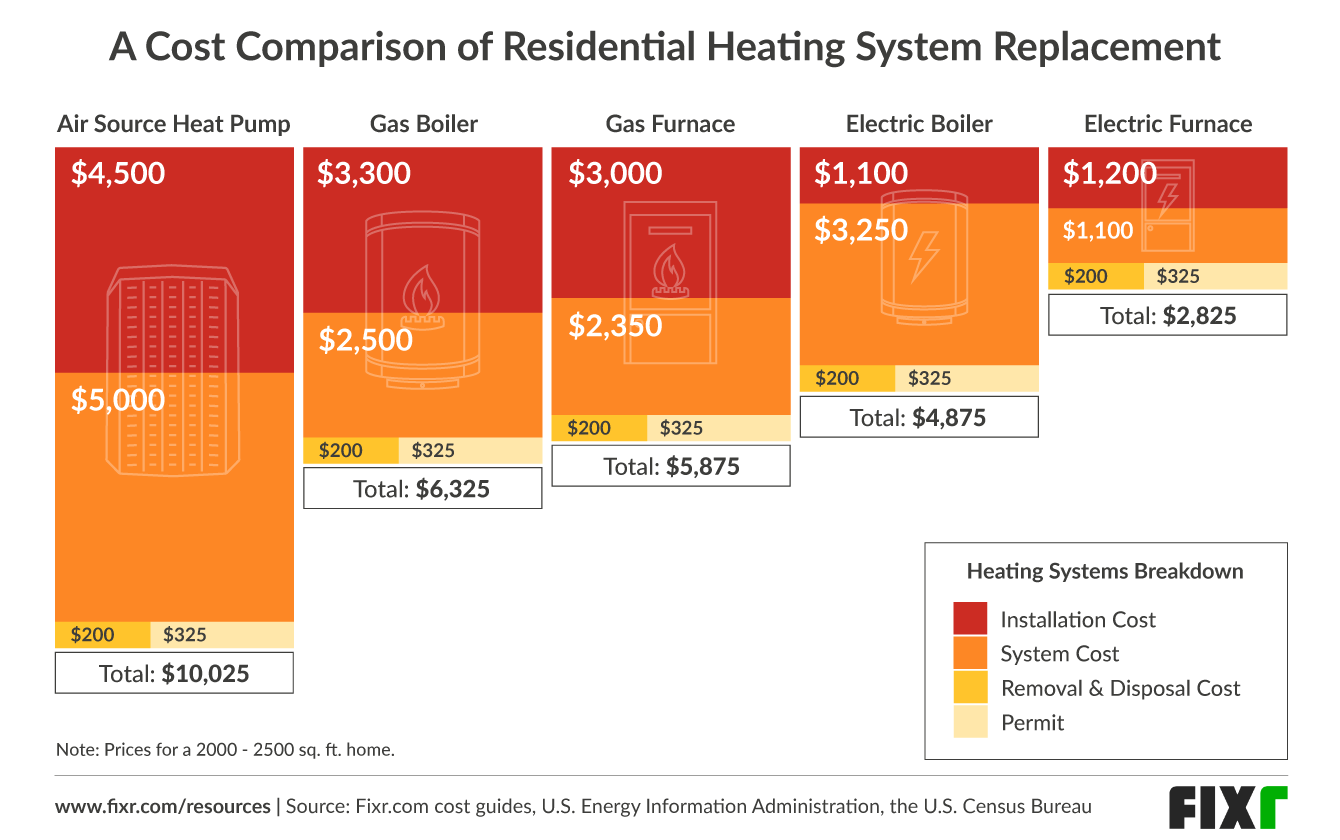
- Lower Upfront Costs: Electric resistance heaters are generally less expensive to purchase and install compared to propane furnaces.
- Cleaner Energy Source: Electricity can be generated from renewable sources like solar, wind, and hydropower, reducing your carbon footprint.
- Zoned Heating: Electric resistance heaters allow for zoned heating, enabling you to heat only the rooms you're using, saving energy.
- Quiet Operation: Electric heaters are typically quieter than propane furnaces.
- Easier Installation: Installing electric resistance heaters is often simpler than installing propane systems.
Cons of Electric Heating
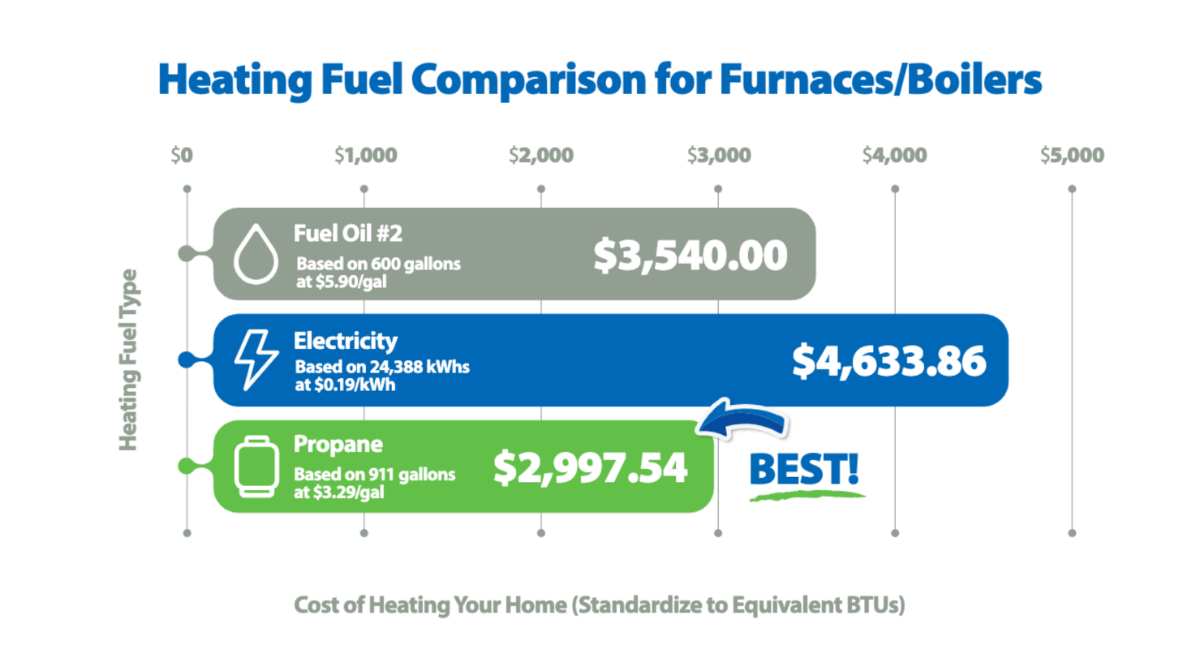
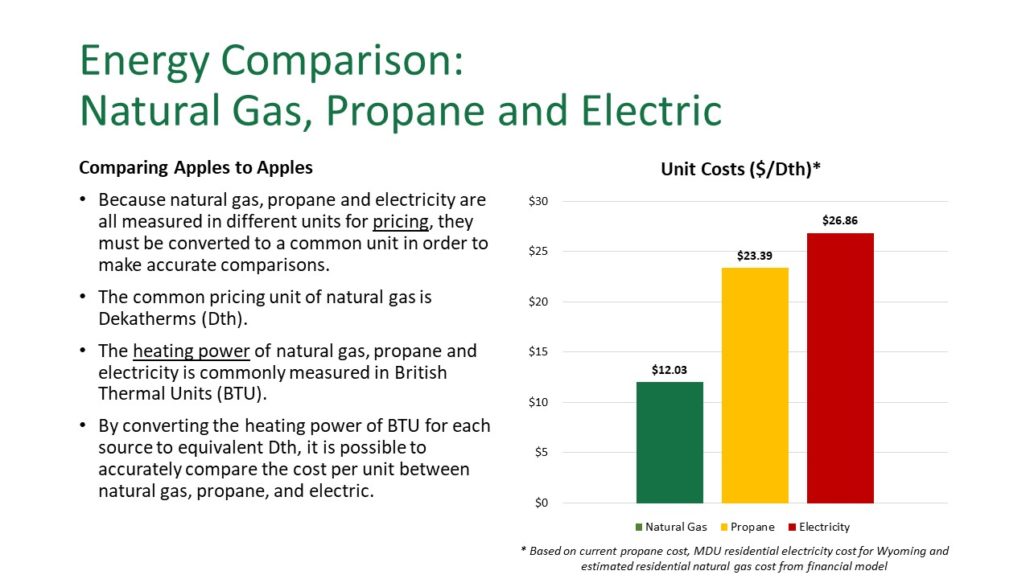
- Higher Operating Costs in Some Regions: Electricity prices can be higher than propane prices in some areas, leading to higher monthly heating bills.
- Slower Heating: Electric resistance heaters may take longer to heat a space compared to propane furnaces.
- Less Efficient than Heat Pumps: Electric resistance heaters are less energy-efficient than heat pumps.
- Power Outage Dependency: Electric heating relies on a consistent electricity supply, making it vulnerable to power outages.
Cost Comparison: Propane vs. Electric
The cost comparison between propane and electric heating is complex and depends on several factors, including:
- Local Fuel and Electricity Prices: Prices vary significantly depending on your location and supplier. Check current rates in your area.
- Heating System Efficiency: The Annual Fuel Utilization Efficiency (AFUE) of a propane furnace and the Heating Seasonal Performance Factor (HSPF) of a heat pump measure their efficiency. Higher ratings indicate better efficiency. Look for Energy Star certified models.
- Climate: Colder climates require more heating, making fuel efficiency a more critical factor.
- Home Insulation: Proper insulation reduces heat loss, lowering your heating bills regardless of the fuel source.
- Usage Habits: How often and how much you heat your home significantly impacts your energy consumption.
To make a meaningful comparison, let's consider a hypothetical example:
Assume:
- Propane price: $3.00 per gallon
- Electricity price: $0.15 per kilowatt-hour (kWh)
- Propane furnace AFUE: 90%
- Electric resistance heater efficiency: 100% (but less effective than heat pump)
- Heat Pump HSPF: 8.5
- Annual heating requirement: 60 million BTUs
Propane Heating Cost:
To generate 60 million BTUs with a 90% efficient propane furnace, you would need approximately 66,667 BTUs of propane input. Since propane contains about 91,500 BTUs per gallon, you would need approximately 729 gallons of propane.
Total propane cost: 729 gallons x $3.00/gallon = $2,187
Electric Resistance Heating Cost:
To generate 60 million BTUs with electric resistance heaters, you would need to convert BTUs to kWh. 1 kWh is approximately 3,412 BTUs. Therefore, you would need approximately 17,585 kWh.
Total electric resistance heating cost: 17,585 kWh x $0.15/kWh = $2,637.75
Heat Pump Heating Cost:
Heat pumps don't generate heat, they move it. The HSPF (Heating Seasonal Performance Factor) indicates how many units of heat are moved per unit of electricity consumed. So, an HSPF of 8.5 means for every 1 kWh of electricity consumed, 8.5 units of heat are delivered.
To determine the kWh required, we would divide the electric resistance value by the HSPF.
kWh Required: 17,585 / 8.5 = 2,068.82
Total Heat Pump Heating cost: 2,068.82 x $0.15/kWh = $310.32
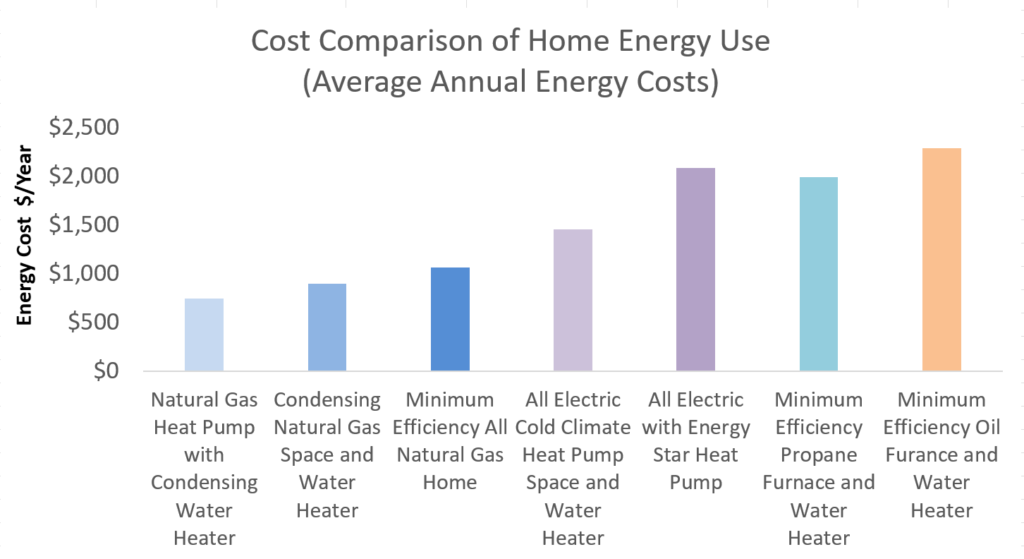
Analysis: In this scenario, propane heating appears to be slightly less expensive than electric resistance heating, but far more expensive than a heat pump. However, these costs can shift significantly based on local prices, equipment efficiency, and climate conditions. Heat pumps offer the best value if the up-front cost is within budget.
Smart HVAC Integration for Enhanced Savings
Integrating smart thermostats and sensors into your heating system can further optimize energy efficiency and reduce costs. Smart thermostats learn your heating preferences and adjust the temperature automatically, while sensors monitor room occupancy and temperature, ensuring that only occupied spaces are heated. Some benefits include:
- Remote Control: Adjust your thermostat from anywhere using your smartphone or tablet.
- Geofencing: Automatically adjust the temperature based on your location.
- Learning Capabilities: Smart thermostats learn your heating patterns and optimize energy usage.
- Energy Reports: Track your energy consumption and identify areas for improvement.
- Voice Control: Control your thermostat with voice commands using devices like Amazon Echo or Google Home.
Government Incentives and Rebates
Many government agencies and utility companies offer incentives and rebates for installing energy-efficient heating systems. These incentives can significantly reduce the upfront costs of upgrading to a more efficient propane or electric system. Check the Energy Star website and your local utility company's website for available programs. Some common incentives include:
- Federal Tax Credits: The federal government offers tax credits for purchasing qualified energy-efficient equipment.
- State and Local Rebates: Many states and local municipalities offer rebates for installing energy-efficient heating systems.
- Utility Company Incentives: Utility companies often offer rebates or financing options for upgrading to energy-efficient equipment.
Environmental Considerations
Both propane and electric heating have environmental impacts. Propane is a fossil fuel that produces greenhouse gas emissions when burned. However, it is cleaner than some other fossil fuels like coal and oil. Electricity can be generated from renewable sources like solar, wind, and hydropower, making it a more environmentally friendly option. However, if electricity is generated from fossil fuels, its environmental impact can be significant. Choosing a heating system powered by renewable energy sources is the most sustainable option.
Maintenance and Lifespan
Regular maintenance is essential for ensuring the optimal performance and longevity of your heating system. Propane furnaces require annual tune-ups, including burner cleaning, filter replacement, and safety inspections. Electric resistance heaters require minimal maintenance, but heat pumps require regular coil cleaning and filter replacement. The lifespan of a propane furnace is typically 15-20 years, while electric heaters can last longer with proper care.
Conclusion
The decision between heating with propane and electricity depends on various factors, including your location, climate, budget, and environmental priorities. Propane offers high heat output and off-grid capabilities, while electricity offers cleaner energy sources and zoned heating options. Heat pumps are the most efficient electric solution. Carefully consider these factors and compare the costs and benefits of each option before making a decision. Consider smart HVAC system integrations to optimize energy usage. Consulting with an HVAC professional can help you determine the best heating system for your specific needs and budget. Always look for Energy Star qualified systems to help reduce energy consumption and improve efficiency.