Cost Of Hvac Unit And Installation

Understanding HVAC Unit and Installation Costs: A Comprehensive Guide
Investing in a new HVAC (Heating, Ventilation, and Air Conditioning) system is a significant decision for homeowners, property managers, and facility operators. Understanding the factors influencing the cost of both the unit and its installation is crucial for budgeting and making informed choices. This guide breaks down the various aspects impacting these costs, providing a detailed overview for everyone from first-time homebuyers to seasoned HVAC professionals.
HVAC Unit Costs: A Breakdown
The price of an HVAC unit varies considerably based on several factors, including type, size (capacity), efficiency, and brand.
Types of HVAC Systems and Their Costs
Here's a look at common HVAC system types and their approximate unit costs:
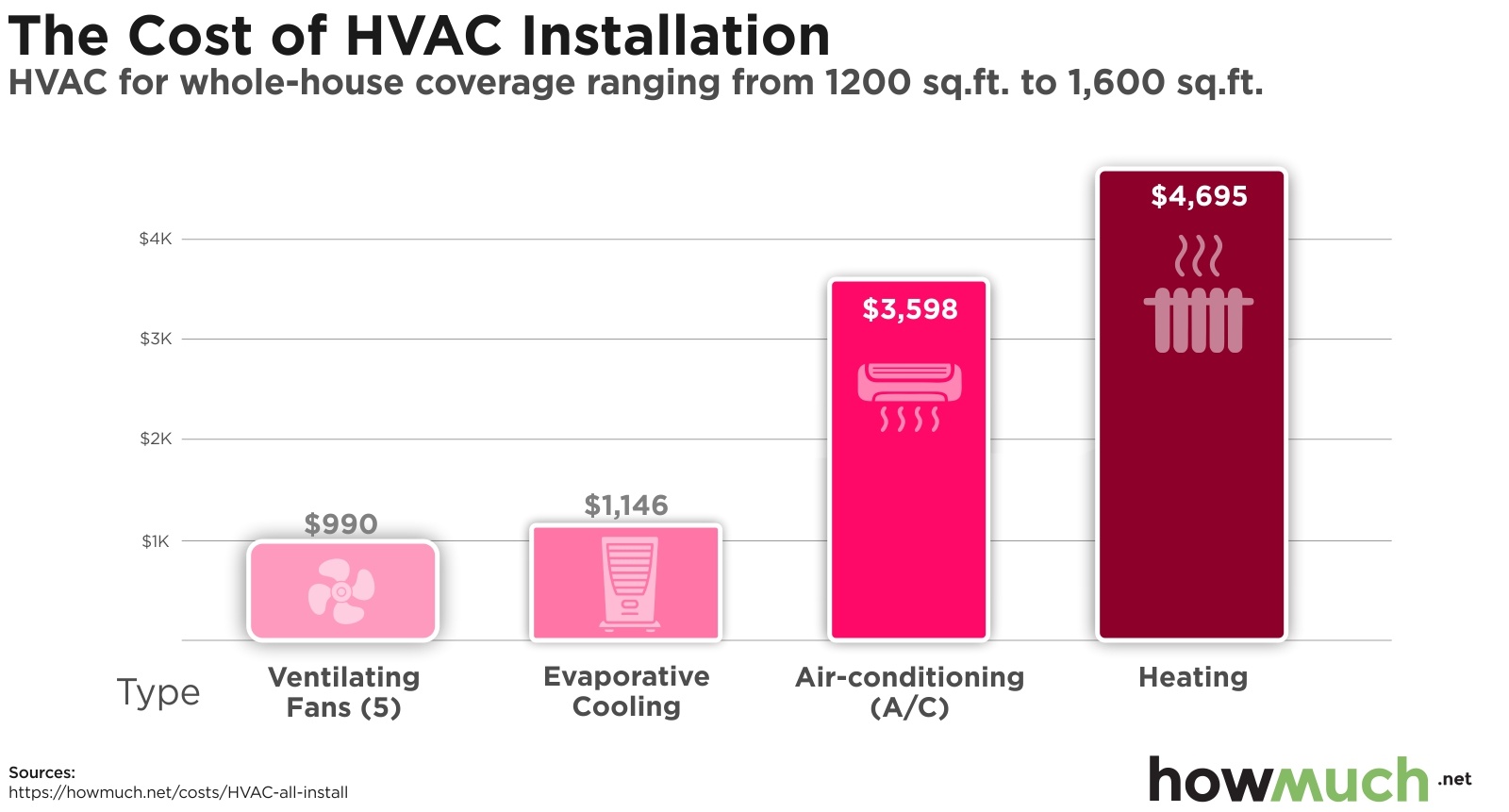
- Central Air Conditioners: These cool your entire home through ductwork. Expect to pay between $3,000 and $7,000 for the unit alone, depending on the SEER (Seasonal Energy Efficiency Ratio) rating and size.
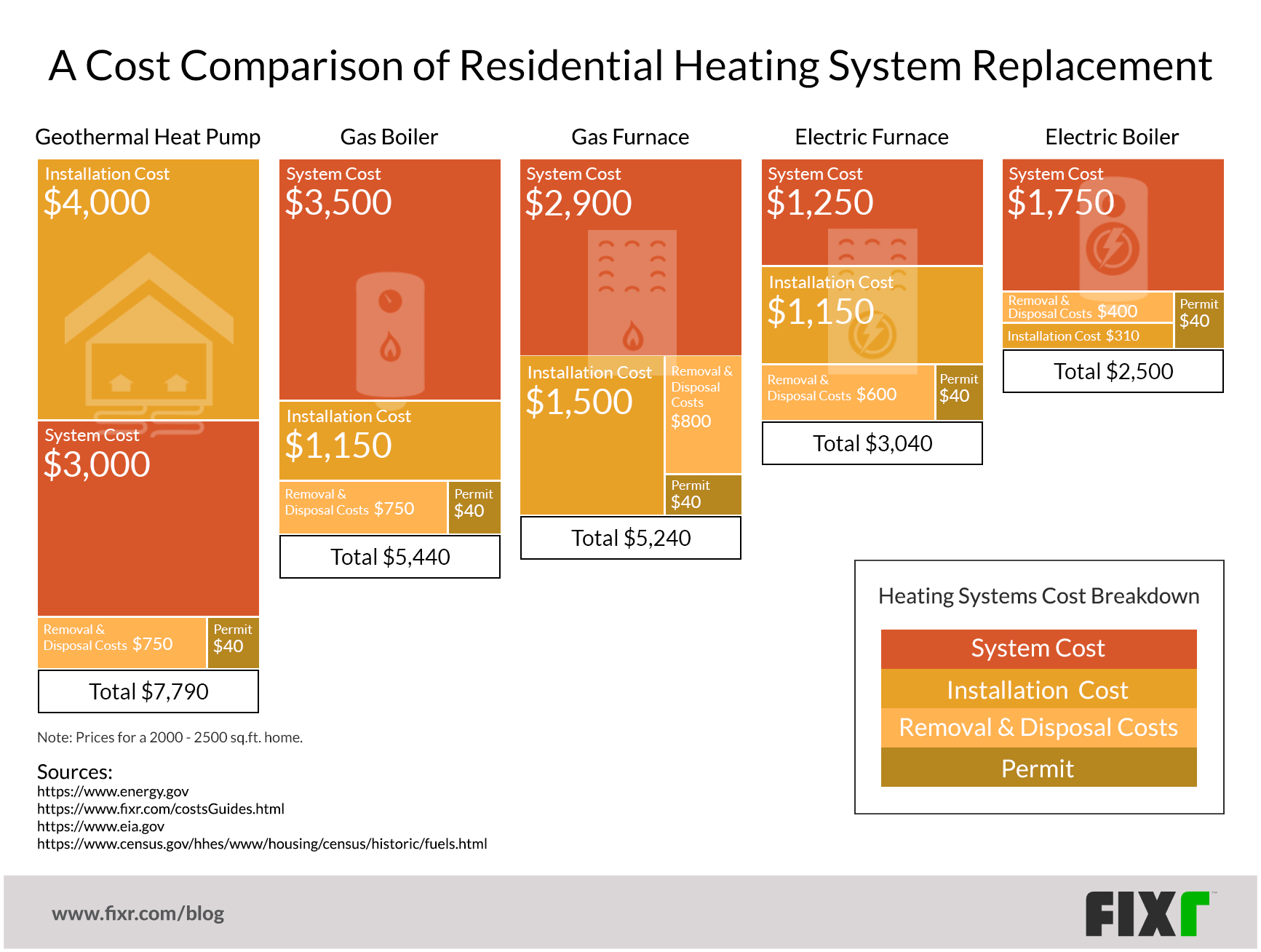
- Heat Pumps: Heat pumps provide both heating and cooling. They're generally more expensive than central AC units, ranging from $4,000 to $8,000 for the unit. The HSPF (Heating Seasonal Performance Factor) indicates heating efficiency.
- Furnaces: Furnaces heat your home using natural gas, propane, or electricity. Gas furnaces typically cost between $2,000 and $6,000, while electric furnaces are generally less expensive, ranging from $1,500 to $4,000. AFUE (Annual Fuel Utilization Efficiency) measures a furnace's efficiency.
- Ductless Mini-Split Systems: These systems are ideal for homes without ductwork or for targeted heating and cooling. A single-zone system (one indoor unit and one outdoor unit) can cost between $2,000 and $5,000. Multi-zone systems, which can heat or cool multiple rooms, are significantly more expensive.
- Package Units: These combine heating and cooling components into a single outdoor unit. They are suitable for homes where space is limited or for commercial applications. Costs range from $4,000 to $10,000.
Note: These are just estimated unit costs. Actual prices may vary based on the brand, specific model, and retailer.
Sizing and Capacity: Getting it Right
The size of your HVAC unit is crucial. An undersized unit will struggle to heat or cool your home effectively, while an oversized unit can lead to short cycling (frequent starts and stops), reducing efficiency and lifespan. Sizing is measured in BTUs (British Thermal Units) for heating and tons for cooling. One ton equals 12,000 BTUs.
A professional HVAC technician will perform a Manual J load calculation to determine the precise heating and cooling needs of your home, taking into account factors like square footage, insulation levels, window size and orientation, and climate.
Example: A 1,500 square foot home in a moderate climate might require a 2.5-ton AC unit, while the same home in a hotter climate might need a 3-ton unit.
Efficiency Ratings: SEER, HSPF, and AFUE
Efficiency ratings are critical for long-term cost savings. Higher efficiency units have higher upfront costs but lower operating costs over their lifespan.
- SEER (Seasonal Energy Efficiency Ratio): Measures the cooling efficiency of air conditioners and heat pumps. The higher the SEER rating, the more efficient the unit. Current minimum SEER requirements vary by region, but look for units with a SEER of 16 or higher for optimal savings.
- HSPF (Heating Seasonal Performance Factor): Measures the heating efficiency of heat pumps. A higher HSPF rating indicates better heating efficiency. Aim for an HSPF of 8.5 or higher.
- AFUE (Annual Fuel Utilization Efficiency): Measures the heating efficiency of furnaces. It represents the percentage of fuel that is converted into usable heat. A furnace with an AFUE of 95% is more efficient than one with an AFUE of 80%. Look for high-efficiency furnaces with AFUE ratings of 90% or higher.
Real-world example: Upgrading from an 80% AFUE furnace to a 95% AFUE furnace can save you up to 15% on your annual heating bills.
Brand Considerations
Several reputable HVAC brands offer reliable and efficient units. Some popular brands include Carrier, Trane, Lennox, Rheem, and Goodman. Each brand has its strengths and weaknesses, and prices can vary. Researching customer reviews and comparing warranties is essential.
HVAC Installation Costs: Factors at Play
Installation costs can be a significant portion of the total HVAC system investment. These costs depend on several factors, including:
Complexity of the Installation
The complexity of the installation significantly impacts the cost. Replacing an existing unit is generally less expensive than installing a new system in a home that has never had ductwork. Factors that increase installation costs include:
- Ductwork Installation or Modification: Installing new ductwork or modifying existing ductwork can be a labor-intensive and costly process.
- Electrical Work: Upgrading the electrical panel or running new wiring may be necessary to accommodate the new HVAC system.
- Permits and Inspections: Local building codes often require permits and inspections for HVAC installations, adding to the overall cost.
- Accessibility: Difficult access to the installation location (e.g., attic, crawl space) can increase labor costs.
Labor Costs
Labor costs vary depending on the location, the contractor's experience, and the complexity of the job. It's crucial to get multiple quotes from licensed and insured HVAC contractors.
Additional Components and Materials
In addition to the HVAC unit, other components and materials may be required for the installation, including:
- Refrigerant Lines: Copper tubing that carries refrigerant between the indoor and outdoor units.
- Condensate Drain Lines: Pipes that remove condensation from the AC unit or furnace.
- Thermostat: A device that controls the temperature of the HVAC system. Smart thermostats offer advanced features and energy-saving capabilities.
- Air Filters: Filters that remove dust and allergens from the air.
Geographic Location
Installation costs vary significantly by geographic location. Labor costs and permit fees are typically higher in urban areas compared to rural areas.
Estimating Total HVAC System Costs
To estimate the total cost of an HVAC system, you need to consider both the unit cost and the installation cost. Here's a general guideline:
- Basic Replacement: Replacing an existing AC unit or furnace with a similar model in the same location might cost between $5,000 and $10,000.
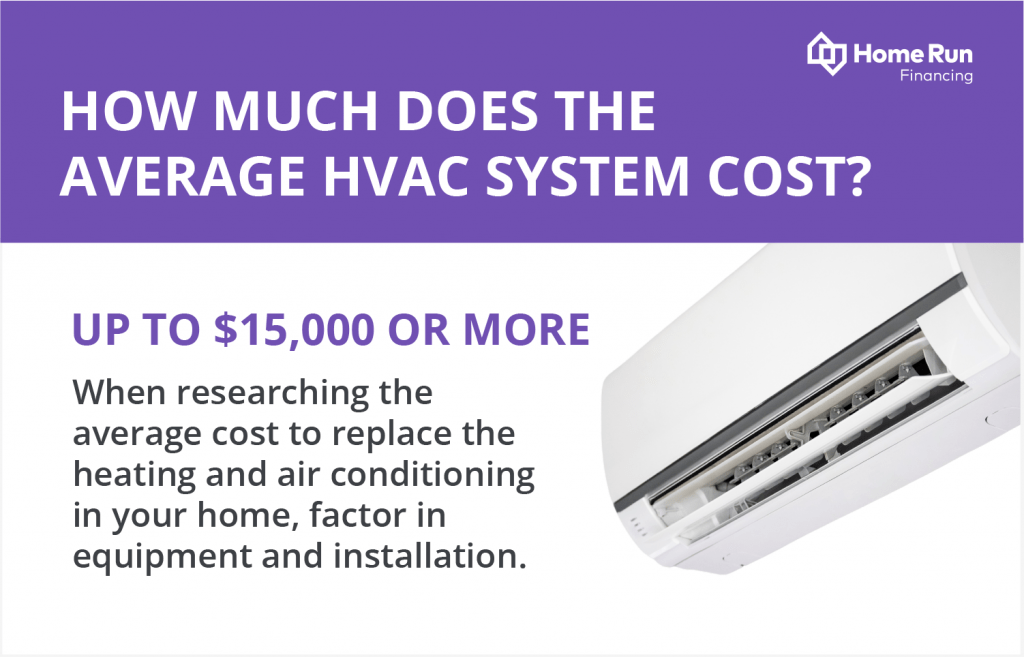
- Complex Installation: Installing a new HVAC system in a home without existing ductwork or with significant ductwork modifications could cost between $10,000 and $20,000 or more.
- High-Efficiency Systems: Investing in high-efficiency units and smart thermostats can increase the upfront cost but result in long-term energy savings.
Important Tip: Always get at least three quotes from different HVAC contractors before making a decision. Ask for detailed written estimates that break down the cost of the unit, labor, materials, and permits.
Financing Options and Rebates
HVAC system replacements can be expensive, but several financing options are available, including:
- HVAC Contractor Financing: Many HVAC contractors offer financing options through third-party lenders.
- Home Equity Loans or Lines of Credit: Using home equity to finance the project can provide lower interest rates.
- Government Rebates and Tax Credits: Check with your local utility company and the federal government for rebates and tax credits on energy-efficient HVAC systems. The Energy Star website is a great resource for finding available incentives.
Lifespan and Maintenance
The lifespan of an HVAC system varies depending on the type of unit, quality of installation, and maintenance. Properly maintained HVAC systems can last 15-20 years or more.
Regular maintenance is essential for extending the lifespan and maintaining efficiency. This includes:
- Changing air filters regularly (every 1-3 months).
- Scheduling annual maintenance checkups with a qualified HVAC technician.
- Cleaning the outdoor unit of debris.
- Ensuring proper airflow around the indoor and outdoor units.
By understanding the factors influencing HVAC unit and installation costs, you can make informed decisions that will save you money and ensure a comfortable and energy-efficient home.