Cost Of Oil Filled Radiator To Run

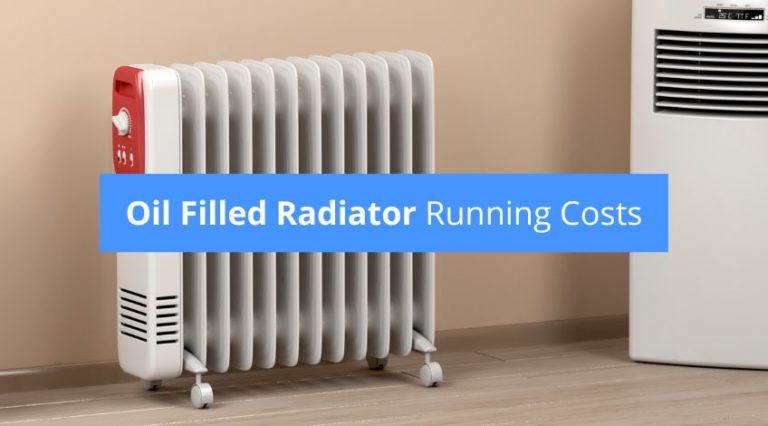
Oil-filled radiators, also known as oil-filled heaters or column heaters, are a common sight in homes seeking supplemental heating. They offer a quiet, radiant heat source that many find comfortable. But with energy costs constantly on the rise, a critical question arises: How much does it *really* cost to run an oil-filled radiator? Understanding the factors influencing their operational cost, comparing them to alternative heating solutions, and exploring smart strategies to optimize their efficiency are crucial for budget-conscious consumers and businesses alike.
Understanding Oil-Filled Radiator Energy Consumption
The energy consumption of an oil-filled radiator is primarily determined by its wattage. Most models range from 700 watts to 1500 watts. To calculate the hourly running cost, you need to know your electricity rate. You can usually find this information on your electricity bill, often expressed in cents per kilowatt-hour (kWh). Remember, 1 kilowatt (kW) equals 1000 watts.
Here's the formula to calculate the hourly cost:
(Wattage / 1000) x Electricity Rate (per kWh) = Hourly Cost
For example, let's assume you have a 1500-watt oil-filled radiator and your electricity rate is $0.15 per kWh:
(1500 / 1000) x $0.15 = $0.225 per hour
This means it costs approximately $0.225 to run the radiator for one hour at its maximum setting. However, this is just a starting point. Many oil-filled radiators have adjustable thermostats, allowing you to control the heat output and, consequently, the energy consumption. Lower settings will obviously reduce the wattage used and, therefore, the cost.
It's important to note that the initial power draw can be higher when the radiator is first turned on as it heats the oil. Once the oil reaches the desired temperature, the radiator cycles on and off to maintain that temperature, consuming less power overall. Some models also have multiple power settings, such as low, medium, and high, which directly affect the wattage used.
Factors Affecting Running Costs
Beyond wattage and electricity rates, several other factors impact the cost of running an oil-filled radiator:
- Thermostat Settings: Lowering the thermostat setting significantly reduces energy consumption. Aim for a comfortable but not excessively warm temperature. Consider lowering the thermostat overnight or when you're away from the room.
- Room Size and Insulation: A larger room will require more energy to heat. Poor insulation allows heat to escape, forcing the radiator to work harder and consume more energy. Improving insulation, sealing drafts, and using weather stripping can make a noticeable difference.
- Usage Patterns: Leaving the radiator running constantly, even at a low setting, will consume more energy than using it intermittently to heat a room only when needed.
- Radiator Age and Condition: Older radiators may be less efficient. Ensure the radiator is clean and free of dust, as dust can act as an insulator and reduce heat transfer.
Oil-Filled Radiators vs. Alternative Heating Solutions
When considering supplemental heating, it's essential to compare oil-filled radiators to other options like space heaters (ceramic, fan-forced), electric fireplaces, and even improvements to your central HVAC system. Each has its pros and cons in terms of cost, efficiency, and performance.
- Space Heaters (Ceramic/Fan-Forced): These heaters typically heat a room faster than oil-filled radiators. However, they often provide a less consistent and directional heat, and some models can be noisy. Energy-wise, they can be similar in wattage to oil-filled radiators, meaning comparable running costs at similar settings.
- Electric Fireplaces: Electric fireplaces offer a visual appeal alongside heat. Their energy consumption varies widely depending on the model and features. Some offer adjustable flame effects that consume minimal power, while the heating element can draw a significant amount of electricity, similar to or even higher than an oil-filled radiator.
- Central HVAC System (with Zoning): While a larger upfront investment, optimizing your central HVAC system with zoning can be the most efficient way to heat your entire home. Zoning allows you to control the temperature in different areas independently, avoiding the need to heat unused rooms. Modern, energy-efficient furnaces and heat pumps can significantly reduce your overall heating costs compared to relying solely on supplemental heaters.
A key advantage of oil-filled radiators is their radiant heat. They heat objects and people directly, rather than just heating the air. This can lead to a more comfortable and consistent warmth. They are also very quiet, which is a significant benefit for bedrooms or offices.
Smart HVAC Integration and Energy Savings
Integrating oil-filled radiators with a smart home system can unlock further energy savings. Consider the following strategies:
- Smart Plugs: Control your radiator remotely and schedule it to turn on and off based on your needs. You can use a smart plug to ensure the radiator is only running when someone is in the room.
- Smart Thermostats: While not directly controlling the radiator's temperature, a smart thermostat controlling your central heating can prevent the radiator from working against your main heating system. Integration can be achieved through IFTTT (If This Then That) applets or similar platforms.
- Occupancy Sensors: Pair occupancy sensors with smart plugs to automatically turn the radiator on when someone enters the room and off when the room is empty. This ensures energy is only used when needed.
By leveraging smart home technology, you can significantly reduce the amount of time the oil-filled radiator runs, leading to substantial energy savings over time. Real-time energy monitoring through a smart plug allows you to track the radiator's energy consumption and identify opportunities for further optimization.
Calculating ROI and Energy Savings
To determine the ROI (Return on Investment) of using an oil-filled radiator, you need to compare the cost of running it to the potential savings from not using your central heating system or other, less efficient, supplemental heating methods.
For instance, let's say you typically heat your entire house with a gas furnace, and it costs you $200 per month in gas bills during the winter. By using an oil-filled radiator to heat only the room you're in for 4 hours a day at a cost of $0.225 per hour, your daily cost is $0.90, and your monthly cost is $27.00. If using the radiator allows you to reduce your gas bill by $50 per month, you're effectively saving $23 per month ($50 - $27).
This is a simplified example, but it illustrates the importance of tracking your energy consumption and comparing the costs of different heating methods. Consider using an energy monitoring app or device to get a more accurate picture of your energy usage.
Energy Star and Government Guidelines
While oil-filled radiators themselves are not typically Energy Star certified, adhering to Energy Star guidelines for home heating and cooling can indirectly improve their efficiency. These guidelines emphasize the importance of proper insulation, sealing air leaks, and using programmable thermostats to optimize your overall heating strategy. You can find detailed information and resources on the Energy Star website (www.energystar.gov).
Furthermore, check with your local utility company for available rebates and incentives for energy-efficient upgrades. Some utilities offer rebates for smart thermostats, insulation improvements, and other measures that can complement the use of oil-filled radiators.
Maintenance and Safety Tips
To ensure the safe and efficient operation of your oil-filled radiator, follow these maintenance and safety tips:
- Regular Cleaning: Dust the radiator regularly to prevent dust buildup, which can reduce heat transfer efficiency.
- Proper Placement: Position the radiator away from flammable materials such as curtains, bedding, and furniture.
- Avoid Overloading Circuits: Do not plug the radiator into an extension cord or power strip with other high-wattage appliances.
- Inspect the Cord: Regularly check the power cord for damage. Replace the cord if it is frayed or cracked.
- Never Cover the Radiator: Covering the radiator can cause it to overheat and pose a fire hazard.
Conclusion: Is an Oil-Filled Radiator the Right Choice?
The cost of running an oil-filled radiator depends on several factors, including its wattage, your electricity rate, thermostat settings, room size, and insulation. While they can be a comfortable and quiet supplemental heating option, it's crucial to understand their energy consumption and compare them to alternative heating solutions. By implementing smart home integration, optimizing usage patterns, and following maintenance and safety tips, you can minimize their running costs and maximize their efficiency.
Ultimately, the decision of whether or not to use an oil-filled radiator comes down to your specific needs and circumstances. If you're looking for a portable, quiet, and radiant heat source for a small to medium-sized room, and you're willing to take the time to optimize its usage, an oil-filled radiator can be a viable option. However, for larger spaces or for whole-house heating, investing in a more efficient central HVAC system with zoning may be a more cost-effective solution in the long run. Always prioritize safety and responsible energy consumption to minimize your environmental impact and save money on your energy bills.