Cost To Convert Oil To Natural Gas
Heating oil, once a staple in many homes and businesses, is facing increasing scrutiny due to its cost, environmental impact, and efficiency compared to natural gas. Converting from oil to natural gas heating systems can be a significant upfront investment, but the long-term savings and added benefits often make it a worthwhile consideration. This article breaks down the costs involved, potential savings, and smart technology integrations that can maximize your ROI.
Understanding the Cost of Conversion
The cost to convert from oil to natural gas heating varies widely depending on several factors. These include the size of your property, the complexity of the existing heating system, the distance to the nearest natural gas line, and local labor rates. Here's a breakdown of the typical expenses:
1. Natural Gas Line Connection
This is often the most significant cost factor. If a natural gas line is not already connected to your property, you'll need to pay for its installation. The cost depends on the distance from the main gas line to your building and the terrain. Expect to pay anywhere from $1,500 to $5,000 or more for this connection. Factors affecting the price include:
- Distance: The longer the distance, the more piping and labor are required.
- Terrain: Rocky or difficult terrain can significantly increase excavation costs.
- Permits: Local permits and inspections are required and add to the overall expense.
2. Removal of the Existing Oil Tank
Removing the oil tank is crucial for safety and environmental reasons. The cost to remove an oil tank ranges from $500 to $2,000, depending on its size, location (aboveground or underground), and whether it requires environmental remediation. Underground tanks pose a greater risk of leaks and soil contamination, which can significantly increase removal costs.
3. New Natural Gas Furnace or Boiler Installation
A new natural gas furnace or boiler is the heart of the conversion. The cost depends on the unit's efficiency (AFUE rating), size (BTU output), and features. High-efficiency furnaces (90% AFUE or higher) will cost more upfront but offer greater long-term savings. Expect to pay $4,000 to $10,000 for a new furnace or boiler, including installation. Consider these factors:
- AFUE Rating: Look for Energy Star certified models for optimal efficiency.
- Size: An HVAC professional can properly size the unit for your home's heating needs.
- Brand: Reputable brands offer better warranties and performance.
4. Ductwork Modifications (If Needed)
In some cases, the existing ductwork may need modifications to properly distribute the heat from a new natural gas furnace. This could involve sealing leaks, adding insulation, or rerouting ducts. Budget $500 to $2,000 for ductwork modifications, depending on the extent of the work. Ensure your contractor conducts a thorough inspection of the ductwork before providing a quote.
5. Chimney Liner Installation (If Needed)
Older homes may require a chimney liner to safely vent the combustion gases from a new natural gas appliance. The cost of a chimney liner can range from $800 to $2,500, depending on the height and condition of the chimney. Consult with an HVAC professional to determine if a chimney liner is necessary.
6. Permits and Inspections
Local permits and inspections are required for most HVAC installations and gas line connections. These fees typically range from $100 to $500, depending on your location. Ensure your contractor handles the permit application process.
Calculating Your Return on Investment (ROI)
While the upfront cost of converting from oil to natural gas can be substantial, the potential long-term savings can make it a worthwhile investment. The ROI depends on several factors, including:
1. Fuel Cost Comparison
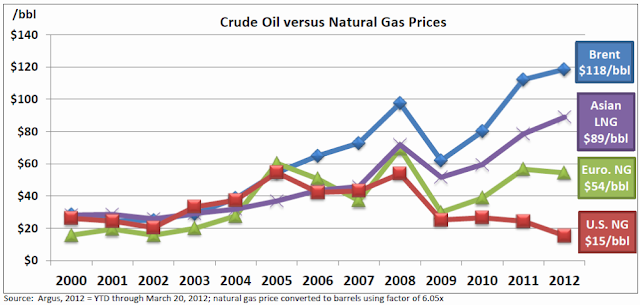
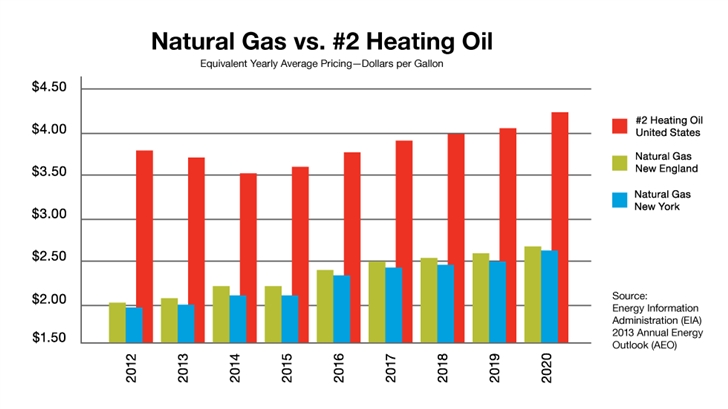
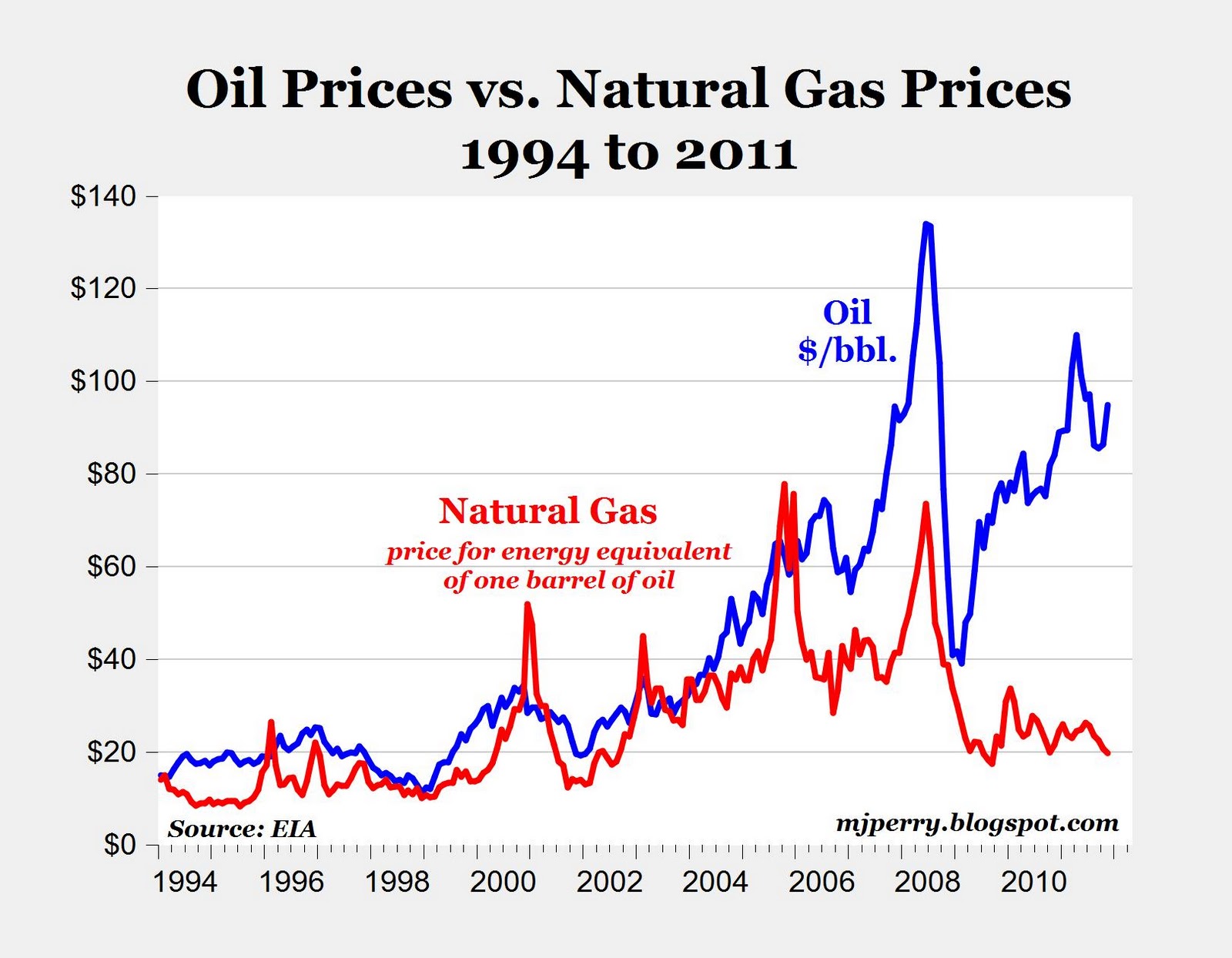
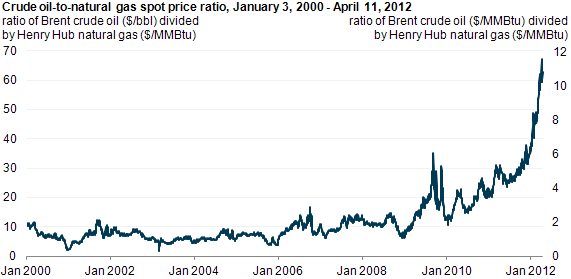
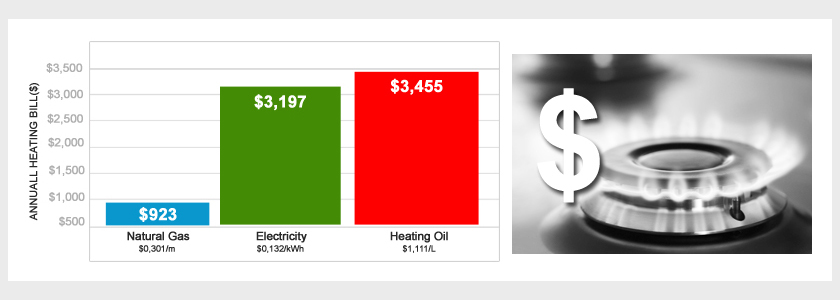
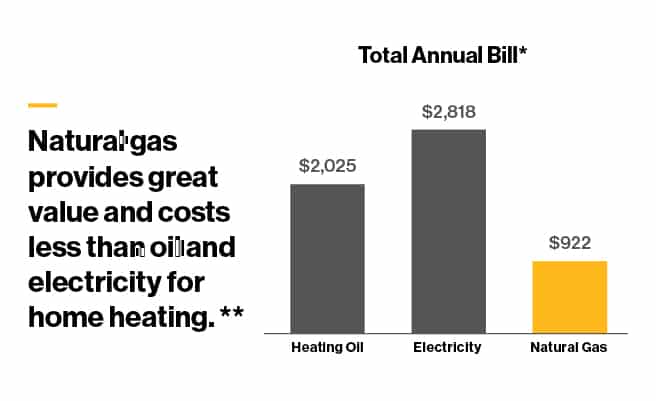
Natural gas is typically less expensive than heating oil on a per-BTU basis. Check current energy prices in your area to compare the cost of natural gas and heating oil. Energy Information Administration (EIA) data shows that natural gas prices are often significantly lower than heating oil prices. This difference can translate into substantial annual savings.
2. Efficiency Improvements
Modern natural gas furnaces and boilers are significantly more efficient than older oil-burning systems. Upgrading to a high-efficiency natural gas system can reduce your energy consumption by 20% to 40%. Look for Energy Star certified models with high AFUE ratings.
3. Maintenance Costs
Natural gas systems typically require less maintenance than oil-burning systems. Oil systems require regular cleaning and maintenance to prevent soot buildup and ensure efficient operation. Natural gas systems generally have fewer moving parts, reducing the risk of breakdowns and repairs.
4. Property Value
Converting to natural gas can increase your property value. Natural gas is a desirable fuel source for many homebuyers, and having a modern, efficient natural gas heating system can be a selling point.
Rebates and Incentives
Many utility companies and government agencies offer rebates and incentives to encourage homeowners and businesses to convert to natural gas. These rebates can help offset the upfront cost of the conversion. Check with your local utility company and state energy office to see what rebates and incentives are available in your area. Energy Star also maintains a database of rebates and incentives for energy-efficient appliances.
Smart HVAC Integration for Enhanced Savings
Integrating your new natural gas heating system with smart technology can further enhance your energy savings and comfort. Smart thermostats, sensors, and zoning systems allow you to control your heating system remotely and optimize energy usage. Here's how smart technology can help:
1. Smart Thermostats
Smart thermostats learn your heating and cooling patterns and automatically adjust the temperature to save energy. They can also be controlled remotely via a smartphone app, allowing you to adjust the temperature while you're away. Many smart thermostats also offer features like geofencing, which automatically adjusts the temperature when you leave or return home.
2. Zoning Systems
Zoning systems allow you to control the temperature in different areas of your home independently. This can be especially useful for larger homes or homes with multiple stories. By heating only the areas you're using, you can significantly reduce your energy consumption.
3. Smart Sensors
Smart sensors can monitor temperature, humidity, and occupancy in different areas of your home. This data can be used to optimize heating and cooling settings and identify areas where energy is being wasted.
4. Leak Detection
Many smart home systems include gas leak detectors. These devices can quickly detect gas leaks and alert you immediately, safeguarding your family and property.
Choosing the Right HVAC Contractor
Selecting a qualified and experienced HVAC contractor is crucial for a successful conversion. Here are some tips for choosing the right contractor:
- Get Multiple Quotes: Obtain quotes from at least three different contractors to compare pricing and services.
- Check References: Ask for references from previous customers and contact them to inquire about their experience.
- Verify Licensing and Insurance: Ensure the contractor is licensed and insured to protect yourself from liability.
- Read Reviews: Check online reviews on sites like Yelp, Google Reviews, and the Better Business Bureau.
- Ask About Experience: Inquire about the contractor's experience with oil-to-gas conversions and their familiarity with local codes and regulations.
Long-Term Benefits Beyond Cost Savings
While cost savings are a primary motivator for converting from oil to natural gas, there are several other long-term benefits to consider:
1. Environmental Impact
Natural gas is a cleaner-burning fuel than heating oil, producing fewer greenhouse gas emissions and air pollutants. Converting to natural gas can help reduce your carbon footprint and improve air quality.
2. Convenience
Natural gas is delivered directly to your home, eliminating the need for oil deliveries and tank refills. This can be especially convenient during the winter months when oil deliveries can be delayed due to weather conditions.
3. Safety
Modern natural gas heating systems are equipped with safety features that minimize the risk of carbon monoxide poisoning and gas leaks. Regular maintenance and inspections can further enhance safety.
4. Increased Home Value
As mentioned, converting to natural gas can increase your home's market value, making it more attractive to potential buyers.
Is Conversion Right for You?
Converting from oil to natural gas is a significant decision that requires careful consideration. Weigh the upfront costs against the potential long-term savings and benefits. Consider your local energy prices, available rebates and incentives, and the specific needs of your home or business. By carefully evaluating these factors, you can determine if converting to natural gas is the right choice for you. Consult with a qualified HVAC professional to get a personalized assessment and estimate for your conversion project.